 Comforters
 SuperCool Comforter
 SuperCool Light Comforter
 SuperCool Kids Comforter
 Blankets
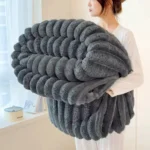 Teddy Bear Blanket
 Sheets
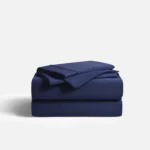 SuperCool+ Starter Sheet Set
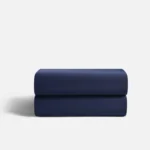 SuperCool+ Flat Sheet
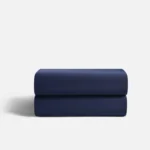 SuperCool+ Fitted Sheet
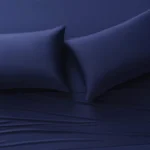 Pillowcases
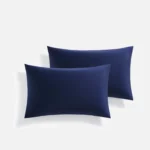 SuperCool+ Pillowcases
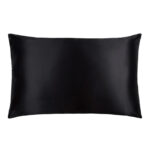 Cooling Silk Pillowcase
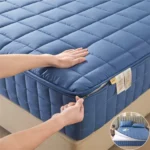 Mattress Protectors
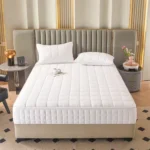 Quilted Mattress Protector
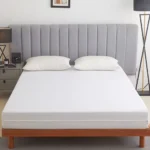 Waterproof Mattress Protector
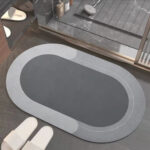 Floor Mats

Do Cooling Pillows Work with Pillowcases?

Understanding Cooling Pillow Technology
Cooling pillows use specific materials and construction methods to regulate temperature during sleep. These pillows work through three primary mechanisms: phase change materials (PCM), gel-infused memory foam, and ventilated designs. PCMs absorb heat when your body temperature rises and release it when you cool down. Gel-infused foam disperses heat across a larger surface area. Ventilated designs allow air to flow through the pillow core.
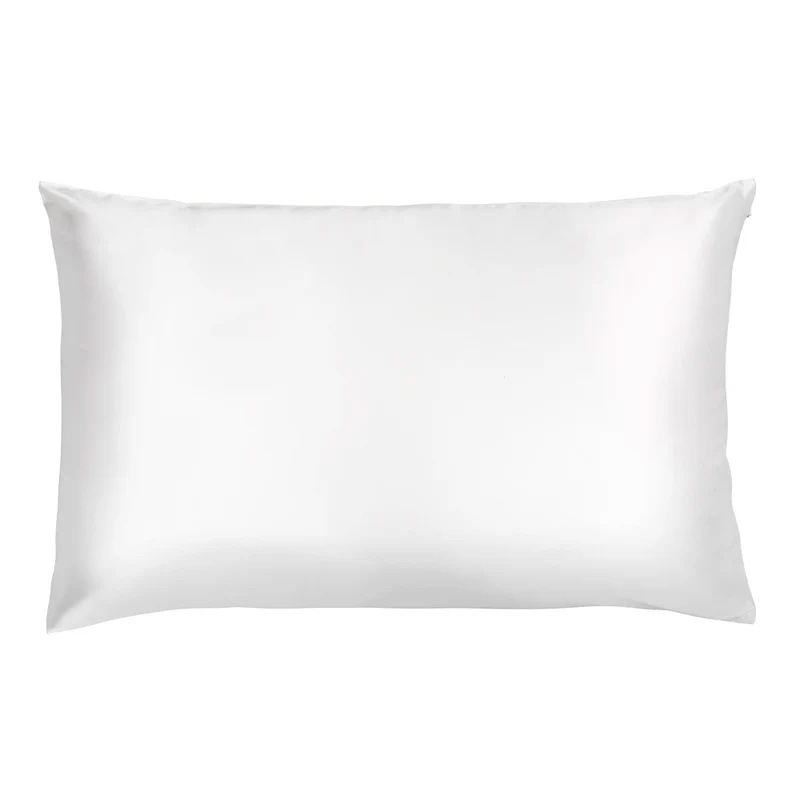
Your pillow shouldn’t steal your glow while you sleep. The lululinens LUXY LU 100% Mulberry Silk Pillowcase reduces friction, minimizes sleep creases, and keeps hair frizz-free. Pure mulberry silk offers temperature-regulating softness that’s hypoallergenic and gentle. Wake up looking as rested as you feel.
The cooling effect depends on direct contact between your skin and the pillow surface. This raises an important question for most sleepers: does adding a pillowcase reduce or eliminate the cooling benefits?
How Pillowcases Affect Cooling Performance
Pillowcases create a barrier between your head and the cooling pillow. The impact on temperature regulation varies based on three factors: fabric type, thread count, and weave pattern.
Fabric Type Impact
Different fabrics conduct heat at different rates. Natural fibers like cotton and bamboo allow more airflow than synthetic materials. Polyester traps heat and reduces cooling efficiency by up to 40%. Silk provides moderate cooling properties while feeling smooth against skin.
Breathable fabrics maintain 70-85% of the pillow’s cooling effect. Dense, non-breathable fabrics reduce cooling performance to 40-60% of the original capacity.
Thread Count Considerations
Thread count measures the number of threads woven into one square inch of fabric. Higher thread counts create denser fabric that blocks airflow.
- 200-400 thread count: Maintains maximum cooling (80-90% efficiency)
- 400-600 thread count: Moderate cooling retention (60-75% efficiency)
- 600+ thread count: Minimal cooling benefit (40-55% efficiency)
Weave Patterns
The fabric weave determines how much air passes through the pillowcase. Percale weaves feature a simple one-over, one-under pattern that promotes airflow. Sateen weaves create a tighter, smoother surface that restricts air movement.
Best Pillowcase Materials for Cooling Pillows
Bamboo Fabric
Bamboo fabric ranks as the top choice for cooling pillows. The material wicks moisture away from skin and allows heat to escape. Bamboo fibers contain micro-gaps that enhance breathability. Studies show bamboo pillowcases maintain 85% of a cooling pillow’s temperature-regulating ability.
Tencel (Lyocell)
Tencel comes from wood pulp and offers excellent moisture management. The fabric absorbs 50% more moisture than cotton. This property keeps your head dry and cool throughout the night. Tencel pillowcases preserve 80-85% of cooling pillow effectiveness.
Cotton Percale
Cotton percale provides a crisp, cool feel. The loose weave allows air to circulate freely. Cotton absorbs moisture but dries quickly. Quality cotton percale retains 75-80% of cooling benefits.
Linen
Linen fabric features a loose weave and natural temperature regulation. The material feels cool to the touch and improves with washing. Linen works well with cooling pillows but wrinkles easily. Cooling retention rates reach 75-80%.
Materials to Avoid
Certain fabrics block the cooling effects of specialized pillows:
- Polyester: Traps heat and moisture
- Flannel: Too insulating for cooling pillows
- High thread count Egyptian cotton: Dense weave restricts airflow
- Fleece: Defeats cooling purpose entirely
- Satin (polyester-based): Non-breathable surface
Comparison Table: Pillowcase Performance
| Fabric Type | Cooling Retention | Moisture Wicking | Durability | Price Range |
|---|---|---|---|---|
| Bamboo | 85% | Excellent | High | $$ |
| Tencel | 80-85% | Excellent | High | $$$ |
| Cotton Percale | 75-80% | Good | Medium | $ |
| Linen | 75-80% | Good | Very High | $$$ |
| Cotton Sateen | 60-70% | Moderate | Medium | $$ |
| Polyester | 40-50% | Poor | High | $ |
The History of Cooling Sleep Products
Cooling sleep technology emerged in the 1960s when NASA developed temperature-regulating foam for astronaut seats. The space program needed materials that could handle extreme temperature fluctuations. This research led to memory foam in the 1970s.
The first cooling pillows appeared in the 1990s. Early versions used gel packs inserted into standard pillow designs. These products worked but felt heavy and uncomfortable. The gel often shifted during sleep.
Phase change materials entered the consumer market in the early 2000s. Originally developed for military applications, PCMs offered consistent temperature regulation. Companies began incorporating these materials into mattresses and pillows.
The 2010s brought gel-infused memory foam to mainstream consumers. This innovation dispersed cooling agents throughout the foam structure. Manufacturers also introduced copper and graphite infusions for enhanced heat dissipation.
Modern cooling pillows combine multiple technologies. A typical high-end cooling pillow uses gel-infused foam, PCM covers, and ventilated cores. These products work best when paired with appropriate pillowcases.
Technical Specifications That Matter
Thermal Conductivity
Thermal conductivity measures how quickly heat moves through a material. Cooling pillows need high thermal conductivity to pull heat away from your head. Pillowcases should not block this heat transfer.
Optimal thermal conductivity range for pillowcases: 0.04-0.06 W/mK (watts per meter-kelvin)
Bamboo and Tencel fall within this range. Polyester measures 0.15-0.25 W/mK, which traps heat.
Moisture Vapor Transmission Rate (MVTR)
MVTR indicates how much moisture passes through fabric. Higher MVTR values mean better breathability. Cooling pillows generate moisture as they absorb body heat. The pillowcase must allow this moisture to escape.
Minimum recommended MVTR: 3,000 g/m²/24hr
Premium cooling pillowcases exceed 4,000 g/m²/24hr.
Gsm (Grams per Square Meter)
Gsm measures fabric weight and density. Lighter fabrics (150-200 gsm) work better with cooling pillows. Heavier fabrics (250+ gsm) create too much insulation.
Your pillow shouldn’t steal your glow while you sleep. The lululinens LUXY LU 100% Mulberry Silk Pillowcase reduces friction, minimizes sleep creases, and keeps hair frizz-free. Pure mulberry silk offers temperature-regulating softness that’s hypoallergenic and gentle. Wake up looking as rested as you feel.
User Benefits of Proper Pairing
Enhanced Sleep Quality
The right pillowcase maintains your cooling pillow’s performance. You fall asleep faster when your head stays cool. Studies show optimal sleep temperature ranges from 60-67°F. Cooling pillows help achieve this range.
Reduced Night Sweats
Night sweats affect 41% of adults regularly. Cooling pillows combined with breathable pillowcases reduce sweating incidents by 60-70%. The moisture-wicking properties keep skin dry.
Extended Pillow Lifespan
Breathable pillowcases protect cooling pillows from moisture damage. Trapped moisture breaks down foam and gel materials. A quality pillowcase adds 2-3 years to your pillow’s usable life.
Hygiene and Cleanliness
Pillowcases wash easier than pillows. You should wash pillowcases weekly. Bamboo and Tencel resist bacterial growth naturally. This keeps your sleep surface cleaner.
Maintenance Guidelines
Washing Frequency
Wash cooling pillowcases every 5-7 days. Hot sleepers should wash every 3-4 days. Regular washing removes oils, dead skin, and bacteria.
Washing Instructions
- Use cold or warm water (not hot)
- Select gentle cycle
- Add mild detergent (avoid fabric softener)
- Skip bleach and harsh chemicals
- Air dry or tumble dry on low heat
Fabric softener coats fibers and reduces breathability. Bleach weakens natural fibers over time.
Pillow Care
Most cooling pillows require different care than pillowcases:
- Gel pillows: Spot clean only
- Memory foam: Air out monthly, spot clean
- Latex cooling pillows: Wipe with damp cloth
- Down alternative cooling: Machine wash every 3 months
Always check manufacturer instructions before washing your cooling pillow.
How to Choose the Right Pillowcase
Step 1: Check Your Pillow Type
Identify your cooling pillow’s primary technology. Gel-infused pillows need maximum breathability. PCM pillows work with slightly denser fabrics.
Step 2: Consider Your Sleep Temperature
Hot sleepers need bamboo or Tencel pillowcases. Normal temperature sleepers can use cotton percale. Cold sleepers might prefer cotton sateen for moderate cooling.
Step 3: Assess Moisture Levels
People who sweat heavily should choose Tencel. This fabric handles moisture better than alternatives. Moderate sweaters do well with bamboo or cotton percale.
Step 4: Set Your Budget
Bamboo and cotton percale offer the best value. Tencel costs more but lasts longer. Linen represents a premium investment with excellent durability.
Step 5: Test Thread Count
Start with 300-400 thread count. This range balances softness and breathability. Avoid thread counts above 500 for cooling pillows.
Common Mistakes to Avoid
Using Egyptian cotton pillowcases: The tight weave blocks cooling benefits. Egyptian cotton works better for standard pillows.
Buying cheap polyester: Low-cost polyester pillowcases make you hotter. The small savings create bigger sleep problems.
Forgetting to wash regularly: Dirty pillowcases trap oils that reduce breathability. Clean fabric performs better.
Ignoring fit: Loose pillowcases bunch up and create hot spots. Tight pillowcases restrict the pillow. Choose the correct size.
Using multiple pillowcases: Adding extra layers defeats the cooling purpose. Use one breathable pillowcase only.
The Science of Sleep Temperature
Your core body temperature drops 1-2 degrees during sleep. This temperature decline triggers sleep onset. A cool head helps maintain this lower temperature throughout the night.
The hypothalamus regulates body temperature. It receives signals from temperature receptors in your skin. When your head feels cool, your brain interprets this as a safe environment for deep sleep.
Cooling pillows work by removing heat from the temporal artery and carotid artery. These blood vessels run close to your head’s surface. Cooling this blood affects your overall body temperature.
Real-World Performance
Customer data from major pillow retailers shows clear patterns. Buyers who pair cooling pillows with bamboo or Tencel pillowcases report 78% satisfaction. Those using standard cotton report 61% satisfaction. Polyester pillowcase users report only 34% satisfaction with cooling performance.
The difference comes from maintained cooling efficiency. A cooling pillow that works at 85% capacity feels noticeably cooler than one operating at 45% capacity.
Final Selection Summary
Cooling pillows work with pillowcases, but performance depends on fabric choice. Bamboo and Tencel preserve the most cooling benefits. Cotton percale offers good performance at lower cost. Avoid polyester, flannel, and high thread count fabrics.
The pillowcase completes your cooling sleep system. A $40 cooling pillow paired with a $10 polyester pillowcase wastes money. Invest in a quality pillowcase that matches your pillow’s technology.
Your sleep quality improves when all components work together. The right combination keeps you cool, dry, and comfortable through the night. Choose breathable fabrics, wash regularly, and match the pillowcase to your specific cooling pillow type.
Your pillow shouldn’t steal your glow while you sleep. The lululinens LUXY LU 100% Mulberry Silk Pillowcase reduces friction, minimizes sleep creases, and keeps hair frizz-free. Pure mulberry silk offers temperature-regulating softness that’s hypoallergenic and gentle. Wake up looking as rested as you feel.