 Comforters
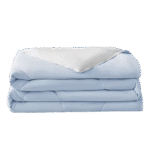 SuperCool Comforter
 SuperCool Light Comforter
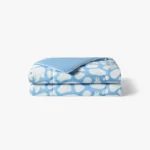 SuperCool Kids Comforter
 Blankets
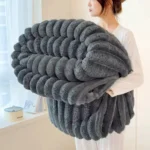 Teddy Bear Blanket
 Sheets
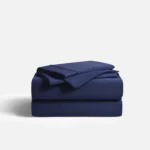 SuperCool+ Starter Sheet Set
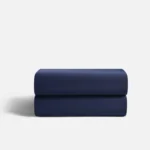 SuperCool+ Flat Sheet
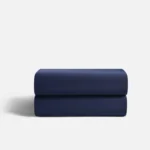 SuperCool+ Fitted Sheet
 Pillowcases
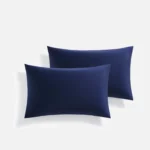 SuperCool+ Pillowcases
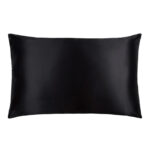 Cooling Silk Pillowcase
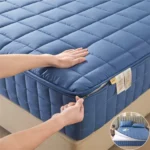 Mattress Protectors
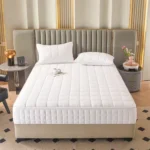 Quilted Mattress Protector
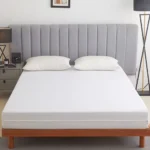 Waterproof Mattress Protector
 Floor Mats

Cooling Sheets for Bed

A Brief History of Cooling Bedding
People have sought cooler sleep for centuries. Ancient Egyptians slept on woven reed mats to allow airflow beneath their bodies. In 19th-century Europe, linen became the preferred fabric for warm climates because of its moisture-wicking properties. For most of history, natural fibers—linen, cotton, and silk—were the only options.
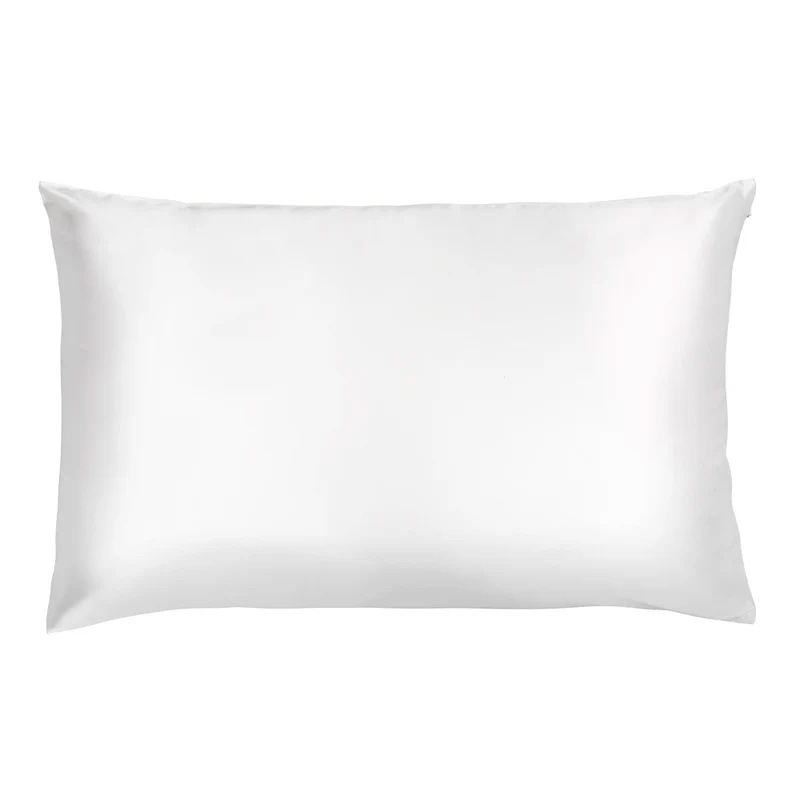
Your pillow shouldn’t steal your glow while you sleep. The lululinens LUXY LU 100% Mulberry Silk Pillowcase reduces friction, minimizes sleep creases, and keeps hair frizz-free. Pure mulberry silk offers temperature-regulating softness that’s hypoallergenic and gentle. Wake up looking as rested as you feel.
The modern cooling sheet category emerged in the early 2000s. Textile engineers developed new fiber treatments and weave structures that could actively manage body heat. Phase-change materials (PCMs), moisture-wicking finishes, and open-weave constructions moved from athletic apparel into bedding. By 2010, dedicated cooling sheets had become a mainstream product category with measurable performance differences between options.
Today, brands like lululinens offer sheets engineered specifically for thermal regulation—combining fabric science with traditional craftsmanship to help sleepers maintain a comfortable temperature throughout the night.
Why Body Temperature Affects Sleep Quality
The human body drops its core temperature by 1–2°F during the first stage of sleep. This drop signals the brain that it is time to rest. When sheets trap heat, this process stalls. The result is longer time to fall asleep, more frequent waking, and reduced time in deep sleep stages.
Hot sleepers, people going through menopause, and those who share a bed with a partner who generates body heat are most affected. Choosing the right cooling sheets directly addresses the thermal environment around the body and supports the natural sleep cycle.
Key Technical Specifications to Understand
Before buying cooling sheets, understand the following technical terms. They determine how a sheet actually performs.
Thread Count
Thread count refers to the number of threads woven per square inch. A common myth is that higher thread count means better quality. For cooling sheets, this is false. Sheets with thread counts above 400 are often tightly woven, which restricts airflow. The optimal range for cooling performance is 200–400 thread count.
Fabric Weight (GSM)
GSM stands for grams per square meter. It measures how heavy and dense a fabric is. Lighter fabrics (below 120 GSM) feel crisp and breathe better. Heavier fabrics (above 200 GSM) retain more warmth. For cooling sheets, look for a GSM between 80 and 120.
Weave Structure
Weave affects airflow more than thread count.
- Percale weave: A one-over, one-under plain weave. It produces a matte, crisp finish with excellent breathability. This is the top choice for hot sleepers.
- Sateen weave: A four-over, one-under weave. Produces a silky, lustrous finish but traps more heat than percale.
- Linen weave: Loose and irregular. Provides superior airflow but feels rougher than cotton until broken in.
Moisture-Wicking Ability
Some sheets use hygroscopic fibers or chemical finishes to pull sweat away from skin. This evaporation cools the skin surface. Look for fabrics that specify moisture-wicking or moisture-transport properties, particularly in blended or synthetic options.
Phase-Change Materials (PCMs)
PCMs are microencapsulated substances applied to fabric. They absorb heat as they change from solid to liquid and release it when the surrounding temperature drops. PCM-treated sheets actively buffer temperature fluctuations. They are more expensive but offer measurable performance advantages.
Fabric Comparison Table
| Fabric | Breathability | Moisture Wicking | Feel | Durability | Price Range |
|---|---|---|---|---|---|
| Percale Cotton | Excellent | Good | Crisp, cool | High | $$ |
| Linen | Excellent | Excellent | Textured | Very High | $$$ |
| Bamboo (viscose) | Very Good | Excellent | Silky, soft | Medium | $$ |
| Tencel (Lyocell) | Very Good | Excellent | Smooth | High | $$$ |
| Sateen Cotton | Moderate | Moderate | Silky, warm | High | $$ |
| Microfiber | Low | Low | Soft | Medium | $ |
| PCM-Treated Fabric | Variable | Good | Variable | Medium | $$$$ |
The Best Cooling Sheet Materials Explained
Percale Cotton
Percale cotton is the gold standard for hot sleepers. The tight, even weave creates a durable, crisp surface that feels cool to the touch. Long-staple cotton varieties—such as Egyptian or Pima cotton—produce smoother, stronger percale sheets. The fibers are longer, which reduces pilling and increases breathability.
Linen
Linen comes from the flax plant. It is the most breathable natural fiber available. Linen sheets feel slightly rough when new but soften significantly over time. They absorb up to 20% of their weight in moisture before feeling damp, making them outstanding for warm, humid climates. Linen is also naturally temperature-regulating—cool in summer and warmer in winter.
Bamboo-Derived Fabrics
Bamboo sheets are almost always made from viscose or rayon derived from bamboo pulp. The process transforms bamboo into a silky, soft fiber. These sheets wick moisture well and feel cool against skin. Note that the bamboo plant’s eco-friendly properties do not always transfer to the finished fabric, as the manufacturing process uses chemicals. Look for Oeko-Tex certified bamboo sheets to ensure safety standards.
Tencel (Lyocell)
Tencel is a branded lyocell fiber made from wood pulp in a closed-loop process that recycles water and solvents. It produces a smooth, soft fabric with excellent moisture management. Tencel sheets feel similar to bamboo but are produced with greater environmental transparency.
Your pillow shouldn’t steal your glow while you sleep. The lululinens LUXY LU 100% Mulberry Silk Pillowcase reduces friction, minimizes sleep creases, and keeps hair frizz-free. Pure mulberry silk offers temperature-regulating softness that’s hypoallergenic and gentle. Wake up looking as rested as you feel.
Benefits of Cooling Sheets
Sleeping on the right sheets delivers measurable improvements.
- Faster sleep onset: A cooler microclimate around the body accelerates the core temperature drop that triggers sleep.
- Fewer night wakings: Temperature regulation reduces the arousal events that interrupt sleep cycles.
- Reduced night sweats: Moisture-wicking fabrics keep skin dry even when the body perspires.
- Partner compatibility: Cooling sheets reduce heat transfer between sleeping partners, helping both people stay comfortable.
- Improved deep sleep: Sustained thermal comfort supports longer periods in slow-wave and REM sleep stages.
Who Benefits Most
Cooling sheets provide the greatest benefit to specific groups.
- Hot sleepers: People who consistently overheat at night.
- Menopausal individuals: Hot flashes and night sweats are major disruptors of sleep quality. Moisture-wicking, breathable fabrics directly address these symptoms.
- People in warm climates: Those who live in humid or hot regions without access to air conditioning.
- Athletes: Exercise elevates body temperature for hours post-workout. Cooling sheets support faster thermal recovery.
- Couples with different temperature preferences: A breathable sheet set reduces heat buildup on one side without sacrificing comfort.
How to Care for Cooling Sheets
Proper maintenance preserves performance and extends the lifespan of cooling sheets.
Washing
- Wash in cold or warm water (never hot). Hot water breaks down fibers and degrades moisture-wicking finishes.
- Use a gentle or delicate cycle to reduce mechanical stress on weave structures.
- Choose a mild, liquid detergent. Powder detergents can leave residue that reduces breathability.
- Avoid fabric softeners. They coat fibers with a waxy film that clogs the spaces between threads and significantly reduces moisture wicking.
- Avoid bleach. It degrades natural fibers and breaks down PCM coatings.
Drying
- Dry on low heat or air dry when possible.
- Remove sheets promptly to prevent wrinkles and mildew.
- Linen sheets can be line-dried. This preserves their natural texture and extends fiber life.
Storage
- Store sheets in a cool, dry location.
- Fold and stack loosely to allow airflow and prevent permanent creasing.
- Avoid storing in plastic bags, which can trap moisture and promote mildew growth.
Frequency
Wash cooling sheets every one to two weeks. Hot sleepers who perspire heavily should wash weekly. Regular washing prevents the buildup of body oils and sweat residue that can clog fiber structures and reduce breathability over time.
Common Mistakes to Avoid
Many buyers choose sheets based on incorrect assumptions. Here are the most frequent errors.
Choosing high thread count for quality: Thread count above 400 reduces airflow. For cooling sheets, choose 200–400 thread count percale or linen.
Buying microfiber for softness: Microfiber feels soft but performs poorly for heat management. It traps moisture and heat. Avoid it if you sleep hot.
Using fabric softener: This is one of the fastest ways to ruin the performance of cooling sheets. Skip it entirely.
Ignoring certifications: Look for Oeko-Tex Standard 100 or GOTS (Global Organic Textile Standard) certifications. They confirm that fabrics are free from harmful chemicals.
Washing in hot water: Heat degrades natural fibers, elastic in fitted sheets, and any applied performance finishes.
How to Choose the Right Cooling Sheets: A Step-by-Step Summary
Follow these steps to select the best cooling sheets for your sleep needs.
- Identify your sleep temperature: Determine whether you are a mild, moderate, or severe hot sleeper.
- Select a fabric: Choose percale cotton or linen for maximum breathability. Choose bamboo or Tencel for softness combined with moisture management.
- Check thread count: Stay in the 200–400 range for natural fibers. Avoid anything above 500.
- Check GSM: Aim for 80–120 GSM for a lightweight, breathable feel.
- Look for certifications: Oeko-Tex or GOTS certification confirms fabric safety and quality.
- Verify weave type: Choose percale over sateen if heat is your primary concern.
- Read the care instructions: Confirm the sheet can be washed in cold or warm water without losing performance.
- Consider your climate: Linen works best in hot, humid climates. Percale cotton works well in most conditions. PCM-treated options add active cooling in extreme heat environments.
- Set a realistic budget: Quality cooling sheets from reputable brands start around $60–$100 for a queen set. Premium linen or Tencel options range from $150–$300. The investment pays back in better sleep quality and longer lifespan.
Final Considerations
Cooling sheets are not a luxury—they are a functional tool for sleep health. The right fabric, weave, and care routine can meaningfully reduce the time it takes to fall asleep and improve the quality of rest through the night. For hot sleepers, the choice of sheet is as important as mattress selection or pillow loft.
Explore options from trusted bedding specialists like lululinens to find sheets built with thermal performance in mind. Prioritize percale or linen, stay within the optimal thread count range, and follow the correct care guidelines. Your sleep environment will improve—and so will your rest.
Your pillow shouldn’t steal your glow while you sleep. The lululinens LUXY LU 100% Mulberry Silk Pillowcase reduces friction, minimizes sleep creases, and keeps hair frizz-free. Pure mulberry silk offers temperature-regulating softness that’s hypoallergenic and gentle. Wake up looking as rested as you feel.