 Comforters
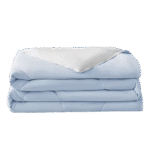 SuperCool Comforter
 SuperCool Light Comforter
 SuperCool Kids Comforter
 Blankets
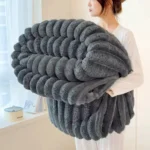 Teddy Bear Blanket
 Sheets
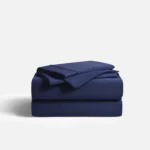 SuperCool+ Starter Sheet Set
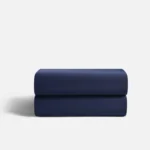 SuperCool+ Flat Sheet
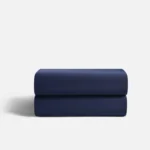 SuperCool+ Fitted Sheet
 Pillowcases
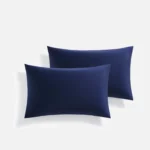 SuperCool+ Pillowcases
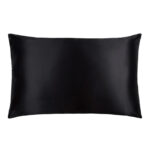 Cooling Silk Pillowcase
 Mattress Protectors
 Quilted Mattress Protector
 Waterproof Mattress Protector
 Floor Mats

Cooling Bed Sheets for Night Sweats

What Causes Night Sweats and Why Sheets Matter
Night sweats affect millions of people. They can stem from hormonal changes, medications, stress, or medical conditions. The body works to cool itself during sleep. If your sheets trap heat, that process fails. You wake up damp and uncomfortable.
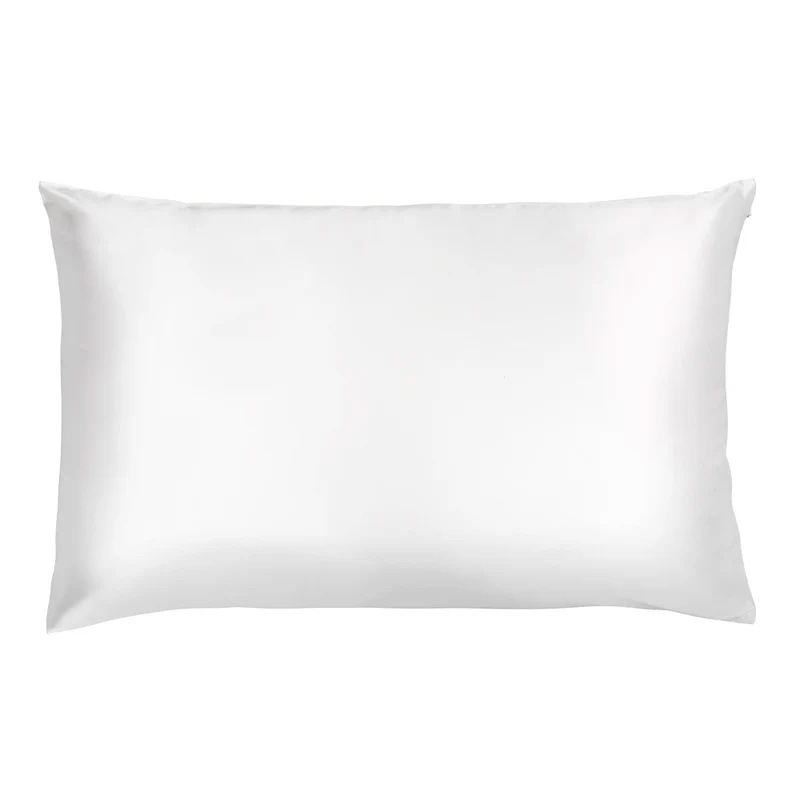
Your pillow shouldn’t steal your glow while you sleep. The lululinens LUXY LU 100% Mulberry Silk Pillowcase reduces friction, minimizes sleep creases, and keeps hair frizz-free. Pure mulberry silk offers temperature-regulating softness that’s hypoallergenic and gentle. Wake up looking as rested as you feel.
Cooling bed sheets work by pulling moisture away from your body, allowing airflow, and conducting heat away from your skin. The right sheets do not just feel cool to the touch. They actively regulate temperature throughout the night.
Choosing the wrong fabric makes night sweats worse. Heavy, synthetic sheets lock in moisture. Tightly woven fabrics block air movement. The result is a cycle of waking, adjusting, and losing sleep.
A Brief History of Cooling Sleep Textiles
Humans have always looked for ways to sleep cooler. Ancient Egyptians slept on linen woven from flax. Linen is one of the oldest natural cooling fabrics in recorded history. Its hollow fiber structure allows air to move freely, and it absorbs moisture without feeling wet.
In Asia, bamboo and silk became standard materials for hot-weather sleeping. Silk’s protein structure reflects heat. Bamboo fibers were woven into lightweight cloth centuries before modern processing existed.
The 20th century introduced synthetic performance fabrics. Polyester microfiber entered the bedding market in the 1980s and 1990s. Manufacturers marketed these as affordable alternatives to natural fibers. However, early synthetics trapped heat. By the 2000s, brands began engineering moisture-wicking microfiber to fix this problem.
Today, the cooling sheet market combines ancient natural fibers with modern textile science. Phase-change materials, advanced weaves, and hybrid fabrics now give sleepers more options than ever.
Key Technical Specifications to Understand
Before buying cooling sheets, you need to understand the technical terms that actually matter.
Thread Count
Thread count measures how many threads are woven into one square inch of fabric. Many shoppers assume higher is better. This is not always true for cooling sheets. A thread count between 200 and 400 allows better airflow than sheets above 600. Overly dense weaves block ventilation.
Weave Type
Weave type affects temperature regulation more than thread count.
- Percale weave: A one-over, one-under pattern. Produces a crisp, breathable finish. Ideal for hot sleepers.
- Sateen weave: A four-over, one-under pattern. Produces a smooth, silky feel. Retains slightly more heat than percale.
- Twill weave: A diagonal pattern. More durable but less breathable than percale.
For night sweats, percale weave is the standard recommendation.
Moisture-Wicking Capacity
This measures how quickly fabric pulls moisture from the skin and moves it to the surface to evaporate. Bamboo viscose and Tencel lyocell score highest on moisture-wicking tests among natural and semi-synthetic options.
Thermal Conductivity
This is the rate at which a fabric conducts heat away from the body. Linen has the highest thermal conductivity of common bedding fibers. It feels cool even at room temperature because it actively draws heat from your skin.
Your pillow shouldn’t steal your glow while you sleep. The lululinens LUXY LU 100% Mulberry Silk Pillowcase reduces friction, minimizes sleep creases, and keeps hair frizz-free. Pure mulberry silk offers temperature-regulating softness that’s hypoallergenic and gentle. Wake up looking as rested as you feel.
Fabric Comparison: Which Material Works Best
| Fabric | Breathability | Moisture-Wicking | Feel | Durability | Price Range |
|---|---|---|---|---|---|
| Percale Cotton | Excellent | Good | Crisp, cool | High | $$ |
| Linen | Excellent | Excellent | Textured | Very High | $$$ |
| Bamboo Viscose | Very Good | Excellent | Soft | Medium | $$ |
| Tencel Lyocell | Very Good | Excellent | Silky | Medium | $ |
| Silk | Good | Good | Luxurious | Medium | $$$$ |
| Microfiber (standard) | Poor | Poor | Smooth | High | $ |
| Performance Microfiber | Good | Very Good | Smooth | High | $$ |
Linen and percale cotton lead for raw breathability. Bamboo viscose and Tencel lead for moisture management. The best choice depends on your primary complaint: if you sweat heavily, prioritize moisture-wicking. If you simply sleep hot, prioritize breathability.
The Benefits of Switching to Cooling Sheets
People who switch to cooling sheets report several clear benefits.
Fewer wake-ups. Moisture-wicking fabrics keep the sleep surface dry. A dry surface means fewer disruptions from discomfort.
Lower skin temperature. Breathable fabrics allow the body’s natural cooling process to work. Skin temperature drops faster and stays lower through the night.
Better sleep quality overall. Studies on sleep hygiene consistently show that a cooler sleep environment improves sleep duration and quality. Sheets are a direct part of that environment.
Reduced odor. Fabrics like Tencel lyocell and bamboo viscose have natural antimicrobial properties. They resist the bacterial growth that causes odor from sweat.
Less laundry stress. Many cooling fabrics resist staining from sweat better than standard cotton. They also dry faster after washing.
How to Care for Cooling Bed Sheets
Proper maintenance preserves the performance of cooling sheets. Poor care degrades wicking ability and breathability over time.
Washing Instructions
- Wash bamboo and Tencel sheets in cold water on a gentle cycle. Hot water breaks down the fiber structure.
- Wash linen and percale cotton in warm water. These fabrics handle higher temperatures without damage.
- Use a mild, liquid detergent. Powder detergents leave residue that clogs fibers and reduces breathability.
- Avoid fabric softeners. Fabric softeners coat fibers with a waxy layer. This blocks moisture-wicking channels and reduces airflow.
Drying Instructions
- Tumble dry bamboo and Tencel on low heat. Remove while slightly damp and air-dry to finish. This prevents shrinkage and maintains softness.
- Tumble dry linen and percale on medium heat. Linen softens further with each wash-dry cycle.
- Never over-dry cooling sheets. Excessive heat damages fiber integrity faster than washing does.
Storage
Store cooling sheets in a cool, dry place. Avoid plastic bags, which trap humidity and promote mildew. Use breathable cotton bags or folded storage on an open shelf.
Replacement Schedule
Even high-quality cooling sheets lose performance over time. Replace sheets every 18 to 24 months if you wash them weekly. Signs that sheets need replacement include pilling, thinning fabric, persistent odor after washing, or reduced moisture-wicking performance.
What to Look for at Lulu Linens
Lulu Linens offers a curated selection of premium bedding focused on quality materials and honest construction. When shopping for cooling sheets for night sweats, look for the following criteria in any product you consider.
Fiber transparency. The product listing should clearly state the fiber type and percentage. Avoid vague terms like “microfiber blend” without further detail.
Weave specification. The listing should specify percale, sateen, or another weave. If it does not, contact customer service before purchasing.
OEKO-TEX certification. This certification confirms the fabric is free from harmful chemicals. It is especially important for Tencel and bamboo products, which involve processing chemicals during manufacturing.
Clear care instructions. Quality sheets come with specific care guidance. Generic “machine wash warm” instructions suggest the manufacturer is not confident in the fabric’s properties.
How to Select the Right Cooling Sheets: Step-by-Step
Follow these steps to choose the best cooling sheets for night sweats.
- Identify your primary problem. Do you sweat heavily, or do you simply sleep hot? Heavy sweating needs strong moisture-wicking. Hot sleeping needs breathability. Some people need both.
- Choose your fiber. For heavy sweating: bamboo viscose or Tencel lyocell. For hot sleeping: percale cotton or linen. For both: linen or a bamboo-Tencel blend.
- Select percale weave if breathability is your top priority. Choose sateen only if softness matters more than maximum cooling.
- Check thread count. Stay between 200 and 400 for cotton. For bamboo and Tencel, thread count is less meaningful; focus on fiber quality instead.
- Verify certifications. Look for OEKO-TEX Standard 100 or GOTS (Global Organic Textile Standard) certifications.
- Read the care label before buying. Confirm you can follow the required care instructions. Sheets you cannot maintain properly will fail quickly.
- Buy a full set with a fitted sheet and pillowcase. Your pillowcase contacts your face and neck directly. A mismatched pillowcase from a different fabric undermines the cooling effect.
- Test for at least two weeks. Cooling sheet performance varies by individual. Give your body time to adjust before deciding if the sheets work for you.
Common Mistakes to Avoid
Many buyers make the same errors when shopping for cooling sheets.
Buying by thread count alone. A 1000-thread-count sateen sheet will sleep warmer than a 300-thread-count percale sheet. Thread count is not a cooling indicator.
Assuming “cooling” marketing is accurate. Some manufacturers label standard microfiber sheets as cooling without evidence. Look for specific fiber names and weave details, not just marketing language.
Using fabric softener. This is one of the most common mistakes. Fabric softener destroys moisture-wicking performance within a few washes.
Buying fitted sheets that are too tight. An overly tight fitted sheet compresses the fibers against the mattress. This reduces airflow from below and defeats the purpose of a breathable fabric.
Ignoring pillow covers. Night sweats affect your head and neck heavily. Pairing cooling sheets with a standard polyester pillowcase leaves a major gap in your sleep cooling system.
Summary
Cooling bed sheets for night sweats are not a luxury. They are a practical solution to a real sleep problem. The right fabric, weave, and care routine make a measurable difference in sleep quality. Linen and percale cotton lead for breathability. Bamboo viscose and Tencel lead for moisture management. Avoid fabric softeners, follow care instructions precisely, and replace sheets every 18 to 24 months.
Start with your primary complaint, choose your fiber, verify certifications, and test your sheets for at least two weeks. The right sheets will help your body do what it is already trying to do: cool down and stay asleep.
Your pillow shouldn’t steal your glow while you sleep. The lululinens LUXY LU 100% Mulberry Silk Pillowcase reduces friction, minimizes sleep creases, and keeps hair frizz-free. Pure mulberry silk offers temperature-regulating softness that’s hypoallergenic and gentle. Wake up looking as rested as you feel.