 Comforters
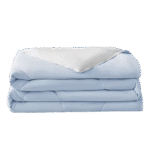 SuperCool Comforter
 SuperCool Light Comforter
 SuperCool Kids Comforter
 Blankets
 Teddy Bear Blanket
 Sheets
 SuperCool+ Starter Sheet Set
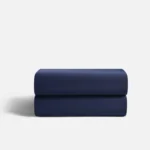 SuperCool+ Flat Sheet
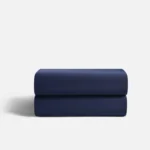 SuperCool+ Fitted Sheet
 Pillowcases
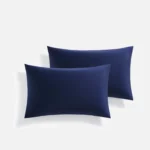 SuperCool+ Pillowcases
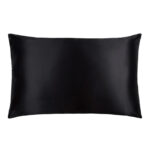 Cooling Silk Pillowcase
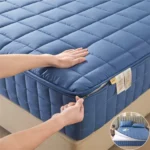 Mattress Protectors
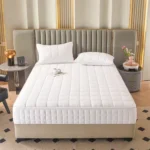 Quilted Mattress Protector
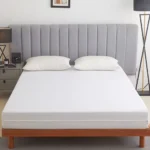 Waterproof Mattress Protector
 Floor Mats

Cool Sheets for Menopause

Why Temperature Regulation Matters During Menopause
Menopause brings a significant shift in how the body manages heat. Hot flashes and night sweats affect up to 80% of women during perimenopause and menopause. These episodes cause sudden surges of heat, heavy perspiration, and rapid heart rate — often interrupting sleep multiple times per night.
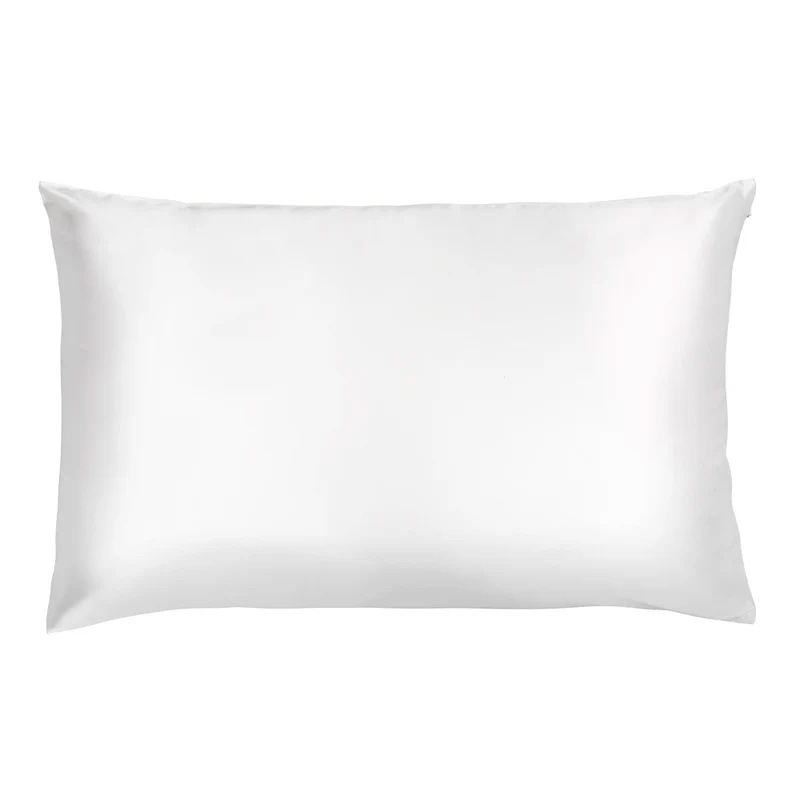
Your pillow shouldn’t steal your glow while you sleep. The lululinens LUXY LU 100% Mulberry Silk Pillowcase reduces friction, minimizes sleep creases, and keeps hair frizz-free. Pure mulberry silk offers temperature-regulating softness that’s hypoallergenic and gentle. Wake up looking as rested as you feel.
Standard bed sheets trap heat and moisture. They keep the body warmer than it needs to be, making night sweats worse. Cooling sheets solve this problem by pulling heat away from the body, wicking moisture, and promoting airflow. Choosing the right sheets is one of the most practical changes a woman can make to improve sleep quality during menopause.
A Brief History of Cooling Bedding
Cooling fabrics are not a modern invention. For centuries, people in hot climates used linen woven from flax plants. Linen has a natural hollow-fiber structure that circulates air and dries quickly. Ancient Egyptians, Romans, and Mediterranean cultures relied on linen for both clothing and bedding because of these properties.
In the 20th century, cotton became the dominant bedding material in Western markets. Its softness and affordability made it a standard choice. However, cotton retains moisture, which makes it less effective for people who sweat heavily at night.
The 1990s and 2000s saw the rise of moisture-wicking synthetics borrowed from athletic wear — polyester blends, microfibers, and phase-change materials. These fabrics were engineered for performance but often lacked the breathability of natural fibers.
In recent years, bamboo-derived fabrics (primarily bamboo viscose and bamboo lyocell) gained popularity as a middle-ground option. They offer softness similar to cotton with improved moisture management. Today, the cooling sheets market includes linen, bamboo, Tencel (lyocell), percale cotton, and advanced moisture-wicking blends — each with distinct properties suited to different needs.
Key Technical Specifications to Understand
Choosing cooling sheets requires understanding a few core technical terms.
Thread Count
Thread count measures how many threads are woven into one square inch of fabric. Higher thread count does not always mean better cooling. A 200–400 thread count in percale weave provides better airflow than a 600+ thread count sateen weave. Dense weaves trap heat regardless of the fiber used.
Weave Type
- Percale weave: One thread over, one thread under. This creates a crisp, breathable fabric. It feels cool to the touch and allows air circulation.
- Sateen weave: Four threads over, one under. This creates a smooth, silky surface but traps more heat.
- Twill weave: Diagonal pattern. Durable but generally warmer than percale.
Moisture-Wicking Capacity
This refers to a fabric’s ability to pull sweat away from the skin and move it to the outer surface where it evaporates. Linen and bamboo lyocell excel here. Standard cotton absorbs moisture and holds it, leaving sheets damp.
Thermal Regulation
Some fabrics use phase-change materials (PCM) — micro-encapsulated substances that absorb heat as they melt and release it as they solidify. These materials respond dynamically to body temperature, providing a more consistent sleeping temperature through the night.
Fabric Origin
- Linen (flax): Natural, highly breathable, moisture-wicking, durable, becomes softer with washing
- Bamboo viscose/rayon: Soft, moisture-wicking, but processed with chemicals; varies in quality
- Bamboo lyocell (Tencel): Closed-loop processing, eco-friendly, excellent moisture management
- Percale cotton: Breathable, crisp, best cotton option for hot sleepers
- Microfiber polyester: Moisture-wicking but less breathable than natural fibers; can cause static
Comparison: Top Sheet Types for Menopause Night Sweats
– $ – $
| Sheet Type | Breathability | Moisture-Wicking | Softness | Durability | Price Range |
|---|---|---|---|---|---|
| Linen (flax) | Excellent | Excellent | Medium (softens over time) | Very high | |
| Bamboo Lyocell (Tencel) | Very good | Very good | High | Good | |
| Percale Cotton | Good | Moderate | Medium-high | Good | $ – $$ |
| Sateen Cotton | Low-medium | Low | Very high | Moderate | $$ |
| Microfiber Polyester | Low | Moderate | High | Moderate | $ |
| PCM-Infused Fabric | Excellent (active) | Good | Varies | Varies | $$$ |
Benefits of Cooling Sheets Specific to Menopause
Reduced Night Sweat Episodes
Cooling sheets do not eliminate hot flashes. They do reduce the discomfort caused by hot flashes. When heat and moisture escape the sleep environment quickly, the body returns to a comfortable temperature faster. This shortens the duration and perceived intensity of each episode.
Improved Sleep Continuity
Interrupted sleep is one of the most damaging effects of menopause. Poor sleep contributes to mood changes, cognitive fog, and cardiovascular stress. Cooling sheets reduce wake events triggered by overheating. More continuous sleep directly supports hormone regulation, immune function, and mental clarity.
Skin Comfort
Many women experience increased skin sensitivity during menopause due to declining estrogen. Rough or synthetic fabrics can irritate this already sensitive skin. Linen and bamboo lyocell are gentle on skin and reduce friction-related discomfort.
Odor Reduction
Moisture-wicking fabrics dry faster. Dry fabric does not accumulate bacteria as quickly as damp fabric. This reduces odor buildup between washes — an important consideration for women who sweat heavily at night.
Partner Comfort
Cooling sheets benefit both sleep partners. A partner who does not experience night sweats can still feel the difference between a hot, damp sheet and a cool, dry one.
How to Care for Cooling Sheets
Proper maintenance extends the life of cooling sheets and preserves their technical properties.
Washing Guidelines
- Wash in cold or warm water (below 40°C / 104°F). Hot water weakens fibers and reduces moisture-wicking effectiveness.
- Use a gentle, fragrance-free detergent. Harsh chemicals degrade natural fibers over time.
- Avoid fabric softeners. They coat fibers and block moisture-wicking channels. This is especially important for bamboo and linen sheets.
- Wash linen sheets separately for the first few washes. Linen sheds lint initially.
Drying Guidelines
- Line dry or tumble dry on low heat. High heat damages moisture-wicking fabrics and can shrink linen.
- Remove sheets from the dryer promptly to reduce wrinkles. Linen in particular wrinkles easily.
- Do not iron bamboo lyocell sheets. Light ironing on a low setting is acceptable for linen if desired.
Frequency
Women experiencing heavy night sweats should wash sheets every 3–4 days. Standard washing once a week is not adequate when sheets absorb significant sweat nightly. Having two sets allows for rotation without running out of clean sheets.
Storage
Store sheets in a cool, dry place. Avoid plastic bags, which trap humidity and encourage mold growth. Breathable cotton storage bags or open linen closet shelves work best.
Your pillow shouldn’t steal your glow while you sleep. The lululinens LUXY LU 100% Mulberry Silk Pillowcase reduces friction, minimizes sleep creases, and keeps hair frizz-free. Pure mulberry silk offers temperature-regulating softness that’s hypoallergenic and gentle. Wake up looking as rested as you feel.
Signs Your Current Sheets Are Making Night Sweats Worse
Check for these indicators that your bedding is contributing to sleep disruption:
- Sheets feel warm or damp within the first hour of sleep
- You wake up with soaked sheets despite moderate room temperature
- Sheets have a persistent odor even after washing
- You feel relief only after leaving the bed
- Sheets feel scratchy or irritate skin by morning
If you recognize two or more of these signs, your current sheets are likely a factor. Switching to a cooling fabric can produce noticeable results within the first week.
How to Choose the Right Cooling Sheets: A Step-by-Step Guide
Follow these steps to select the best cooling sheets for your specific needs.
Step 1: Identify Your Primary Complaint
If your main problem is heavy sweating, prioritize moisture-wicking ability. Linen and bamboo lyocell perform best here. If your main problem is feeling too warm without heavy sweating, prioritize breathability. Percale cotton and linen both excel.
Step 2: Set Your Budget
Quality cooling sheets range from affordable percale cotton sets (around $40–$80 for a queen set) to premium linen or Tencel sets ($120–$300+). Higher price generally correlates with better fiber quality, weave consistency, and durability. Cheap microfiber sets may cool initially but degrade quickly.
Step 3: Choose Your Fiber
- Choose linen for the best long-term cooling performance and durability.
- Choose bamboo lyocell (Tencel) for a softer feel with excellent moisture management.
- Choose percale cotton for a budget-friendly option with good breathability.
- Avoid sateen weaves and synthetic-heavy blends if cooling is the primary goal.
Step 4: Check Thread Count and Weave
Look for 200–400 thread count in percale weave for cotton. For linen, thread count is less relevant — focus on the fiber quality and certifications (OEKO-TEX Standard 100 confirms no harmful chemicals). For bamboo, look for TENCEL™ or lyocell labeling rather than “bamboo viscose,” which uses a more chemical-intensive process.
Step 5: Confirm Certifications and Sourcing
Reputable manufacturers provide certifications. Look for:
- OEKO-TEX Standard 100 — confirms no harmful substances
- GOTS (Global Organic Textile Standard) — confirms organic fiber sourcing
- TENCEL™ brand certification — confirms closed-loop lyocell processing
Step 6: Read Return Policies
Cooling performance is subjective. Some women find linen too coarse; others love the texture. Buy from brands with at least a 30-day return or trial period. This protects your investment while you test how the sheets perform for your body.
What to Expect After Switching to Cooling Sheets
Most women notice improvement in sleep comfort within the first two to three nights. The most common reported changes include:
- Fewer wake events due to overheating
- Faster return to comfort after a hot flash
- Drier sheets in the morning
- Less overall fatigue the following day
Cooling sheets work best as part of a broader sleep hygiene approach. Keep the bedroom temperature between 15°C and 19°C (60°F–67°F). Use a lightweight duvet or blanket that you can remove easily during the night. Wear moisture-wicking sleepwear, or sleep without clothing if preferred.
Cooling sheets do not replace medical treatment for severe menopause symptoms. Women with disruptive night sweats should speak with a healthcare provider about hormone therapy or other evidence-based interventions. Cooling sheets are a practical, non-medical complement to any treatment plan.
Summary
Cool sheets for menopause are an effective, evidence-supported tool for managing night sweats and improving sleep quality. The best options combine high breathability, strong moisture-wicking performance, and skin-friendly materials. Linen and bamboo lyocell (Tencel) lead the field. Percale cotton offers a reliable, affordable alternative.
Care for your sheets correctly — wash frequently in cool water, skip fabric softener, and dry on low heat — to maintain their cooling properties over time. When selecting sheets, match your choice to your primary symptom, set a realistic budget, and verify fiber certifications before purchasing.
Better sleep starts with the right foundation. The right sheets make a measurable difference.
Your pillow shouldn’t steal your glow while you sleep. The lululinens LUXY LU 100% Mulberry Silk Pillowcase reduces friction, minimizes sleep creases, and keeps hair frizz-free. Pure mulberry silk offers temperature-regulating softness that’s hypoallergenic and gentle. Wake up looking as rested as you feel.