 Comforters
 SuperCool Comforter
 SuperCool Light Comforter
 SuperCool Kids Comforter
 Blankets
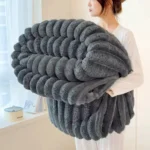 Teddy Bear Blanket
 Sheets
 SuperCool+ Starter Sheet Set
 SuperCool+ Flat Sheet
 SuperCool+ Fitted Sheet
 Pillowcases
 SuperCool+ Pillowcases
 Cooling Silk Pillowcase
 Mattress Protectors
 Quilted Mattress Protector
 Waterproof Mattress Protector
 Floor Mats

Can You Wash Satin Pillowcases?

Yes, You Can Wash Satin Pillowcases
Satin pillowcases require regular washing. You can clean them safely at home with proper techniques. The fabric responds well to gentle care methods.
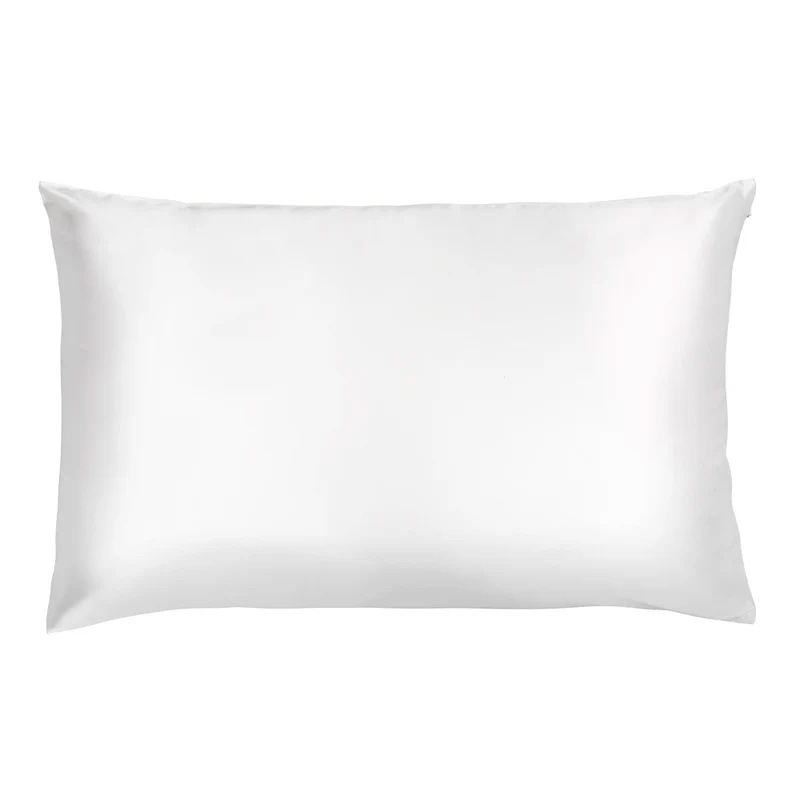
Your pillow shouldn’t steal your glow while you sleep. The lululinens LUXY LU 100% Mulberry Silk Pillowcase reduces friction, minimizes sleep creases, and keeps hair frizz-free. Pure mulberry silk offers temperature-regulating softness that’s hypoallergenic and gentle. Wake up looking as rested as you feel.
Most satin pillowcases survive multiple wash cycles. The key lies in understanding your specific fabric type and following correct procedures.
Understanding Satin Fabric Construction
Satin refers to a weave pattern, not a fiber type. Manufacturers create satin using various materials.
Common satin fabrics include:
- Silk satin – Natural protein fiber from silkworms
- Polyester satin – Synthetic petroleum-based material
- Nylon satin – Synthetic polymer fabric
- Cotton satin – Natural cellulose fiber in satin weave
- Rayon satin – Semi-synthetic cellulose material
The satin weave produces a smooth, glossy surface. Threads float over multiple perpendicular threads before going under one. This creates the signature shine and slippery texture.
Different base materials require different washing approaches. Silk satin needs gentler handling than polyester satin.
Historical Context of Satin Care
Ancient Chinese silk producers developed satin weaving around 300 BCE. Early satin fabrics were luxury items requiring specialized cleaning.
Traditional methods included:
- Hand washing in cold water
- Using mild soap made from plant ashes
- Air drying away from direct sunlight
- Gentle pressing with heated stones
Industrial Revolution brought synthetic satin alternatives in the 1930s. Polyester satin emerged in the 1950s as a washable, affordable option.
Modern washing machines changed satin care practices. Manufacturers now design satin products to withstand mechanical washing with proper settings.
Pre-Wash Preparation Steps
Check the care label first. Manufacturers provide specific instructions based on fabric composition.
Read the label for:
- Maximum water temperature
- Suitable washing methods
- Drying restrictions
- Bleach compatibility
- Iron temperature limits
Inspect your pillowcase for stains. Treat problem areas before washing. Use a mild stain remover appropriate for your fabric type.
Turn pillowcases inside out. This protects the glossy surface from friction damage during the wash cycle.
Remove pillowcases from pillows completely. Washing pillowcases while on pillows causes uneven cleaning and potential damage.
Machine Washing Satin Pillowcases
Selecting Wash Settings
Use the delicate cycle or gentle cycle setting. These cycles reduce agitation and spinning speed.
Set water temperature based on fabric type:
- Silk satin: Cold water (60-80°F)
- Polyester satin: Warm water (90-110°F)
- Cotton satin: Warm to hot water (up to 130°F)
Cold water works safely for all satin types. Higher temperatures clean better but increase risk of damage.
Choosing Detergent
Select a mild liquid detergent without harsh chemicals. Powder detergents may not dissolve completely in cold water.
Detergent guidelines:
- Use half the normal amount
- Choose pH-neutral formulas
- Avoid products with bleach
- Skip fabric softeners for silk satin
- Consider specialized silk detergent for natural fibers
Fabric softeners coat synthetic satin fibers. This reduces breathability and creates buildup over time.
Loading the Washing Machine
Place satin pillowcases in a mesh laundry bag. The bag prevents tangling and reduces friction against other items.
Wash satin items separately from:
- Heavy fabrics like denim
- Items with zippers or hooks
- Rough textured materials
- Heavily soiled clothing
Fill the machine only halfway. Overcrowding increases friction and prevents proper cleaning.
Hand Washing Method
Hand washing provides maximum control over the cleaning process. This method suits delicate silk satin best.
Hand washing steps:
- Fill a basin with cool water
- Add small amount of mild detergent
- Submerge pillowcase completely
- Gently swish fabric for 3-5 minutes
- Let soak for 10-15 minutes
- Drain soapy water
- Refill basin with clean cool water
- Rinse until water runs clear
- Repeat rinse if needed
Never twist or wring satin fabric. Wringing damages fibers and distorts the weave structure.
Press water out gently between clean towels instead. Roll the pillowcase in a towel and apply light pressure.
Drying Satin Pillowcases Properly
Air Drying Method
Air drying preserves satin fabric best. Hang pillowcases on a padded hanger or lay flat on clean towels.
Air drying best practices:
- Keep away from direct sunlight
- Avoid heat sources like radiators
- Ensure good air circulation
- Smooth out wrinkles while damp
- Flip occasionally for even drying
Direct sunlight fades colors and weakens fibers over time. Choose a shaded, well-ventilated area.
Drying time varies by fabric thickness and humidity. Most satin pillowcases dry within 4-8 hours.
Machine Drying Considerations
Some synthetic satin pillowcases tolerate machine drying. Check your care label first.
If machine drying is approved:
- Use lowest heat setting
- Remove while slightly damp
- Add dryer balls to reduce static
- Skip dryer sheets on silk satin
- Check items every 10 minutes
Never machine dry silk satin. High heat causes irreversible damage to natural silk fibers.
Remove synthetic satin promptly when dry. Extended tumbling creates unnecessary wear.
Ironing and Steam Care
Satin wrinkles less than many other fabrics. Proper drying often eliminates the need for ironing.
If ironing becomes necessary:
- Set iron to lowest heat setting
- Place pressing cloth over satin
- Iron on reverse side only
- Use quick, light strokes
- Never leave iron sitting on fabric
A pressing cloth protects satin from direct heat. Use a thin cotton fabric or specialized ironing cloth.
Steaming works better than ironing for satin. Steam relaxes fibers without direct heat contact.
Hold steamer 6-8 inches from fabric. Move continuously to prevent moisture spots.
Your pillow shouldn’t steal your glow while you sleep. The lululinens LUXY LU 100% Mulberry Silk Pillowcase reduces friction, minimizes sleep creases, and keeps hair frizz-free. Pure mulberry silk offers temperature-regulating softness that’s hypoallergenic and gentle. Wake up looking as rested as you feel.
Common Washing Mistakes to Avoid
Hot water damage: Excessive heat shrinks fibers and dulls the satin finish. Stick to cool or lukewarm temperatures.
Harsh detergents: Strong chemicals strip natural oils from silk and damage synthetic polymer chains. Use gentle formulas only.
Overloading machines: Too many items increase friction. Satin needs space to move freely during washing.
High spin speeds: Aggressive spinning distorts the weave and creates permanent wrinkles. Use gentle spin settings.
Bleach use: Chlorine bleach discolors and weakens all satin types. Oxygen bleach damages silk fibers specifically.
Comparison: Satin Types and Washing Methods
| Satin Type | Water Temperature | Machine Wash | Hand Wash | Machine Dry | Special Notes |
|---|---|---|---|---|---|
| Silk Satin | Cold only | Delicate cycle with mesh bag | Recommended | Never | Requires silk detergent |
| Polyester Satin | Cool to warm | Gentle cycle safe | Optional | Low heat acceptable | Most durable option |
| Cotton Satin | Warm to hot | Normal gentle cycle | Optional | Medium heat safe | Can handle regular detergent |
| Nylon Satin | Cool to warm | Delicate cycle | Optional | Low heat only | Air dry preferred |
| Rayon Satin | Cold only | Hand wash preferred | Highly recommended | Never | Weakens when wet |
Stain Treatment Techniques
Address stains immediately for best results. Fresh stains lift easier than set-in marks.
Oil-Based Stains
Apply cornstarch or talcum powder to absorb oil. Let sit for 30 minutes. Brush off powder gently.
Spot treat with diluted dish soap. Dab with clean cloth—never rub aggressively.
Makeup Stains
Use micellar water on a cotton pad. Blot the stain from outside edges toward center.
Shaving cream works on foundation stains. Apply small amount and let sit for 5 minutes before rinsing.
Sweat and Body Oils
Mix equal parts water and white vinegar. Apply to affected areas with spray bottle.
Let solution sit for 10 minutes. Wash as normal afterward.
Washing Frequency Guidelines
Satin pillowcases need washing every 3-7 days. Frequency depends on several factors:
- Skincare routine – Products transfer to fabric nightly
- Hair products – Oils and styling products build up quickly
- Sweating – Night sweats require more frequent washing
- Allergies – Dust mites accumulate over time
- Visible soiling – Wash immediately when stains appear
People with acne-prone skin benefit from washing pillowcases every 2-3 days. Product buildup clogs pores and triggers breakouts.
Those with minimal skincare routines can extend washing to once weekly.
Storage Between Washes
Store clean satin pillowcases in a cool, dry location. Moisture encourages mildew growth.
Fold loosely or hang on padded hangers. Tight folding creates permanent creases.
Keep away from:
- Direct sunlight exposure
- Humid bathroom environments
- Areas with strong odors
- Rough surfaces that snag fabric
Cedar blocks or lavender sachets repel moths naturally. Avoid mothballs—they leave strong chemical odors.
Benefits of Proper Satin Care
Correct washing extends pillowcase lifespan significantly. Well-maintained satin lasts 2-5 years with regular use.
Proper care preserves:
- Smooth surface texture
- Glossy finish
- Color vibrancy
- Fiber strength
- Shape retention
Clean satin pillowcases provide better skin and hair benefits. Buildup from oils and products reduces the fabric’s effectiveness.
The smooth surface continues reducing friction on hair and skin. This prevents breakage, tangles, and sleep wrinkles.
Professional Cleaning Options
Dry cleaning suits silk satin pillowcases exceptionally well. Professional cleaners use specialized solvents that clean without water damage.
Consider professional cleaning for:
- Stubborn stains that resist home treatment
- Expensive silk satin items
- Heavily soiled pillowcases
- Annual deep cleaning
Dry cleaning costs $5-15 per pillowcase typically. The investment protects valuable silk satin items.
Inform cleaners about the fabric type. Specify that items are satin to ensure appropriate treatment.
Quality Indicators After Washing
Well-washed satin maintains specific characteristics. Check these quality markers after cleaning:
- Surface remains smooth and slippery
- Colors stay bright without fading
- No pilling or fiber damage appears
- Fabric retains shape without stretching
- Shine persists across entire surface
Dullness indicates damage from harsh detergents or hot water. Roughness suggests friction damage during washing.
Replace pillowcases showing significant wear. Damaged fabric provides fewer benefits for hair and skin.
Final Washing Summary
Satin pillowcases wash easily with proper techniques. Follow these core principles:
- Check care labels before washing
- Use cold water for safety
- Select gentle wash cycles
- Choose mild liquid detergent
- Skip fabric softeners on silk
- Air dry when possible
- Iron on low heat only
- Treat stains promptly
- Wash every 3-7 days
- Store in cool, dry places
Your specific satin type determines exact care requirements. Polyester satin tolerates more aggressive cleaning than silk satin.
Invest time in proper care. Your satin pillowcases will maintain their beauty and benefits for years. The smooth surface continues protecting your hair and skin night after night.
Clean satin pillowcases contribute to better sleep quality. Fresh, properly maintained fabric feels comfortable against skin. The glossy surface keeps its friction-reducing properties intact.
Master these washing techniques once. Apply them consistently for lasting results. Your satin pillowcases deserve careful attention—they protect your appearance while you sleep.
Your pillow shouldn’t steal your glow while you sleep. The lululinens LUXY LU 100% Mulberry Silk Pillowcase reduces friction, minimizes sleep creases, and keeps hair frizz-free. Pure mulberry silk offers temperature-regulating softness that’s hypoallergenic and gentle. Wake up looking as rested as you feel.