 Comforters
 SuperCool Comforter
 SuperCool Light Comforter
 SuperCool Kids Comforter
 Blankets
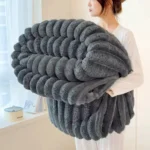 Teddy Bear Blanket
 Sheets
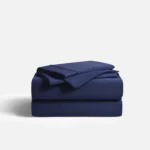 SuperCool+ Starter Sheet Set
 SuperCool+ Flat Sheet
 SuperCool+ Fitted Sheet
 Pillowcases
 SuperCool+ Pillowcases
 Cooling Silk Pillowcase
 Mattress Protectors
 Quilted Mattress Protector
 Waterproof Mattress Protector
 Floor Mats

Can You Wash a Silk Pillowcase?

Yes, You Can Wash Silk Pillowcases (With the Right Technique)
You can wash silk pillowcases. The fabric requires specific care methods to preserve its structure and sheen. Silk fibers break down under harsh conditions, but proper washing extends the life of your pillowcase significantly.
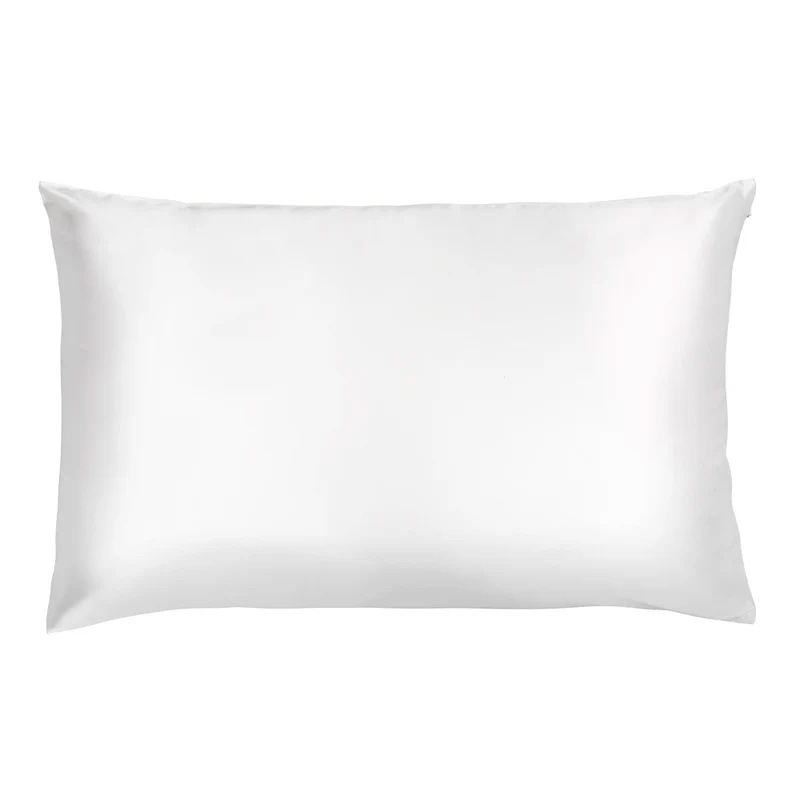
Your pillow shouldn’t steal your glow while you sleep. The lululinens LUXY LU 100% Mulberry Silk Pillowcase reduces friction, minimizes sleep creases, and keeps hair frizz-free. Pure mulberry silk offers temperature-regulating softness that’s hypoallergenic and gentle. Wake up looking as rested as you feel.
Most people avoid washing silk because they fear damage. This fear causes them to use dry cleaning services exclusively. Home washing saves money and maintains silk quality when you follow correct procedures.
Understanding Silk Fabric Properties
Silk consists of protein fibers called fibroin. Silkworms produce these fibers in continuous strands up to 900 meters long. The fibers form a triangular prism structure that reflects light, creating silk’s signature luster.
The fabric has unique characteristics:
- High tensile strength – Silk is stronger than cotton at the same thread count
- Low elasticity – The fibers stretch only 10-20% before breaking
- Moisture absorption – Silk absorbs up to 30% of its weight in water
- pH sensitivity – Alkaline substances damage the protein structure
- Heat vulnerability – High temperatures cause fiber degradation
Mulberry silk represents the highest quality for pillowcases. The momme weight measures silk density. A 22-momme pillowcase weighs 22 pounds per 100 yards of fabric at 45 inches wide. Higher momme counts indicate more durable fabric.
Hand Washing Method (Recommended)
Hand washing gives you maximum control over the process. This method reduces fiber stress and preserves the fabric structure.
Materials needed:
- Cool water (below 30°C/86°F)
- pH-neutral detergent or silk-specific cleaner
- Clean basin or sink
- White towel
Step-by-step process:
- Fill the basin with cool water
- Add one teaspoon of detergent per gallon of water
- Submerge the pillowcase completely
- Gently agitate the fabric for 3-5 minutes
- Let it soak for 30 minutes maximum
- Drain and refill with clean cool water
- Rinse until water runs clear (2-3 rinses typically)
- Press water out gently – never wring or twist
- Roll in a towel to absorb excess moisture
- Lay flat or hang to air dry
The water temperature matters significantly. Hot water causes protein fibers to contract and lose their smooth texture. Cold water preserves fiber integrity.
Machine Washing Guidelines
Modern washing machines can clean silk pillowcases safely. You must use specific settings and precautions.
Machine requirements:
- Delicate or hand-wash cycle only
- Cold water setting
- Slow or no spin cycle
- Mesh laundry bag for protection
Detergent selection:
Choose detergents with these characteristics:
- pH level between 6.5 and 7.5
- No enzymes (they break down protein)
- No bleach or brighteners
- Liquid formula (powder doesn’t dissolve completely)
Place the pillowcase inside a mesh bag before loading. This prevents friction against the drum and other fabrics. Wash silk items separately from rough materials like denim or towels.
Skip the fabric softener. Silk already has natural smoothness. Softener residue builds up and dulls the fabric’s sheen.
Drying Methods Comparison
| Method | Time Required | Fiber Impact | Convenience | Best For |
|---|---|---|---|---|
| Air dry flat | 12-24 hours | Minimal stress | Low | Delicate silk |
| Hang dry | 6-12 hours | Slight stretching | Medium | Standard silk |
| Tumble dry low | 20-40 minutes | Moderate stress | High | Emergency only |
| Line dry outdoors | 4-8 hours | UV exposure risk | Medium | Quick drying |
Air drying flat produces the best results. Lay the pillowcase on a clean, dry towel away from direct sunlight. Flip it halfway through drying to ensure even moisture evaporation.
Hanging causes slight stretching due to water weight. Use padded hangers to minimize stress points. Hang in a well-ventilated area with indirect light.
Never use high heat in a dryer. If you must machine dry, use the lowest heat setting for no more than 10 minutes. Remove the pillowcase while still slightly damp.
Common Washing Mistakes
Using hot water: Heat above 30°C damages the protein structure permanently. The fibers lose their triangular shape and appear dull.
Over-agitating: Excessive movement creates friction between fibers. This causes pilling and rough patches on the surface.
Wringing or twisting: These actions break individual fibers. Damaged areas develop weak spots that tear easily.
Chlorine bleach: Bleach dissolves protein fibers rapidly. Even diluted bleach causes yellowing and fabric deterioration.
Direct sunlight drying: UV radiation breaks down protein bonds. This leads to color fading and reduced fabric strength.
Incorrect iron temperature: High heat melts silk fibers. Always use the silk setting (110-130°C) with a pressing cloth.
Stain Removal Techniques
Address stains immediately for best results. Fresh stains remove more easily than set-in marks.
For protein-based stains (blood, sweat):
- Blot with cool water immediately
- Apply enzyme-free detergent directly
- Let sit for 5 minutes
- Rinse with cool water
- Repeat if necessary
For oil-based stains (makeup, skincare products):
- Sprinkle cornstarch on the stain
- Let absorb for 30 minutes
- Brush off gently
- Wash normally with cool water
For water-based stains (wine, juice):
- Blot excess liquid quickly
- Apply white vinegar solution (1:3 ratio with water)
- Dab gently with clean cloth
- Rinse thoroughly
Never rub stains aggressively. Blotting lifts the stain without damaging fibers. Use white cloths only – colored fabrics may transfer dye.
Your pillow shouldn’t steal your glow while you sleep. The lululinens LUXY LU 100% Mulberry Silk Pillowcase reduces friction, minimizes sleep creases, and keeps hair frizz-free. Pure mulberry silk offers temperature-regulating softness that’s hypoallergenic and gentle. Wake up looking as rested as you feel.
Washing Frequency Guidelines
Silk pillowcases need washing every 7-10 days with regular use. This schedule prevents oil and bacteria buildup while minimizing wear from frequent washing.
Factors affecting washing frequency:
- Skincare product use – More products require more frequent washing
- Hair oil or treatments – Natural oils transfer to fabric quickly
- Climate humidity – High humidity increases bacterial growth
- Allergy concerns – Weekly washing removes allergens effectively
- Sweat production – Night sweats necessitate more frequent cleaning
You can extend time between washes by:
- Showering before bed
- Using lighter skincare products at night
- Keeping hair clean and dry
- Maintaining cool bedroom temperature
- Flipping the pillowcase to use both sides
Storage Between Washes
Proper storage maintains fabric quality between uses. Silk requires air circulation to prevent moisture buildup.
Storage best practices:
- Fold loosely or roll gently
- Store in breathable cotton bag
- Keep in cool, dry location
- Avoid plastic containers (trap moisture)
- Place away from direct sunlight
- Separate from rough fabrics
Moths damage silk readily. Add cedar blocks or lavender sachets to storage areas as natural repellents. Check periodically for signs of insect activity.
Professional Dry Cleaning Option
Dry cleaning uses chemical solvents instead of water. This method works well for heavily soiled pillowcases or complex stains.
Dry cleaning benefits:
- Professional stain treatment
- No water-related shrinkage
- Expert pressing and finishing
- Time savings
Dry cleaning drawbacks:
- Chemical residue on fabric
- Environmental impact of solvents
- Cost accumulation over time
- Less frequent accessibility
Request “green” or wet cleaning services when available. These methods use biodegradable solutions and reduce environmental harm. Specify “silk” clearly on the cleaning ticket to ensure proper handling.
Most silk pillowcases handle home washing well. Reserve dry cleaning for stubborn stains or annual deep cleaning.
Long-Term Maintenance Tips
Silk pillowcases last 2-5 years with proper care. Regular maintenance extends this lifespan significantly.
Maintenance schedule:
- Weekly: Wash with appropriate method
- Monthly: Inspect for damage or wear
- Quarterly: Deep clean and treat stains
- Annually: Professional cleaning or replacement evaluation
Signs of replacement need:
- Thinning fabric in high-wear areas
- Loss of sheen despite proper care
- Persistent odors after washing
- Color fading or yellowing
- Small holes or tears
Store backup pillowcases for rotation. This reduces wear on individual pieces and extends overall lifespan. Purchase 2-3 pillowcases initially for optimal rotation schedule.
Silk Grade Impact on Washing
Different silk grades respond differently to washing. Understanding your pillowcase grade helps you adjust care methods.
Grade A (Mulberry) silk:
- Most durable structure
- Handles frequent washing well
- Maintains luster longest
- Resists pilling effectively
Grade B silk:
- Slightly weaker fibers
- Requires gentler washing
- Shows wear faster
- More prone to snagging
Charmeuse weave: This satin weave shows a glossy face and matte back. The smooth side needs extra care during washing to prevent snags.
Habotai weave: This plain weave creates lighter fabric. It washes easily but dries quickly due to lower density.
Check the care label for specific grade information. Higher-grade silk justifies more careful washing procedures.
Environmental Considerations
Home washing silk reduces environmental impact compared to dry cleaning. Chemical solvents used in dry cleaning harm water systems and air quality.
Eco-friendly washing practices:
- Use biodegradable detergents
- Wash multiple silk items together
- Choose cold water exclusively
- Air dry instead of machine drying
- Skip fabric softeners and additives
Energy consumption drops significantly with cold water washing. Heating water accounts for 90% of washing machine energy use. Air drying eliminates dryer energy completely.
Final Care Summary
You can wash silk pillowcases successfully at home. The process requires attention to water temperature, detergent selection, and gentle handling. Hand washing provides maximum protection for delicate fibers. Machine washing works well with proper precautions and settings.
Regular washing every 7-10 days maintains hygiene without excessive wear. Proper drying and storage between uses extends pillowcase lifespan considerably. Reserve dry cleaning for stubborn stains or annual deep cleaning needs.
The investment in silk pillowcases pays off through durability and skin benefits. Proper washing techniques protect this investment while maintaining the fabric’s natural beauty and functional properties.
Your pillow shouldn’t steal your glow while you sleep. The lululinens LUXY LU 100% Mulberry Silk Pillowcase reduces friction, minimizes sleep creases, and keeps hair frizz-free. Pure mulberry silk offers temperature-regulating softness that’s hypoallergenic and gentle. Wake up looking as rested as you feel.