 Comforters
 SuperCool Comforter
 SuperCool Light Comforter
 SuperCool Kids Comforter
 Blankets
 Teddy Bear Blanket
 Sheets
 SuperCool+ Starter Sheet Set
 SuperCool+ Flat Sheet
 SuperCool+ Fitted Sheet
 Pillowcases
 SuperCool+ Pillowcases
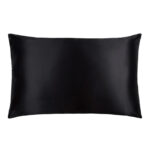 Cooling Silk Pillowcase
 Mattress Protectors
 Quilted Mattress Protector
 Waterproof Mattress Protector
 Floor Mats

Can You Put Silk Pillowcases in the Dryer?

The Short Answer: Machine Drying Silk Pillowcases
You should not put silk pillowcases in the dryer. Heat damages the protein fibers in silk fabric. The dryer creates friction that weakens the material. High temperatures break down the silk’s natural structure.
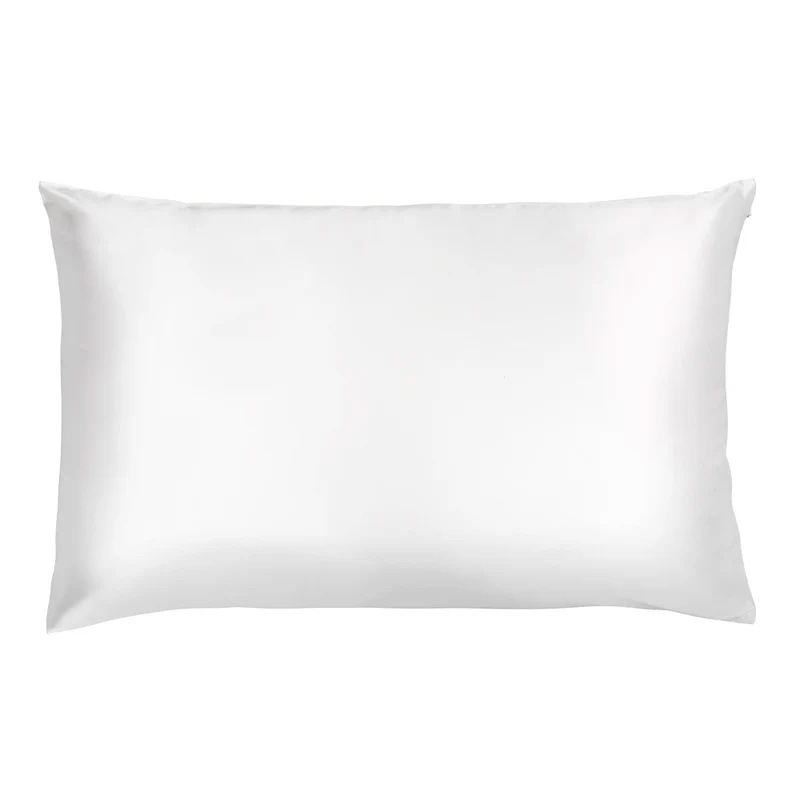
Your pillow shouldn’t steal your glow while you sleep. The lululinens LUXY LU 100% Mulberry Silk Pillowcase reduces friction, minimizes sleep creases, and keeps hair frizz-free. Pure mulberry silk offers temperature-regulating softness that’s hypoallergenic and gentle. Wake up looking as rested as you feel.
Air drying is the safest method for silk pillowcases. This approach preserves the fabric’s texture and extends its lifespan. Machine drying causes shrinkage, loss of sheen, and permanent damage to the fibers.
Understanding Silk Fabric Composition
Silk comes from silkworm cocoons. The Bombyx mori silkworm produces the highest quality silk fibers. Each cocoon contains a single continuous thread that measures 900 to 1,500 meters long.
The fiber consists of two main proteins:
- Fibroin: The core protein that provides strength and structure
- Sericin: The gum-like coating that binds fibers together
These proteins react negatively to heat. Temperatures above 140°F (60°C) cause the proteins to break down. The dryer typically reaches temperatures between 125°F and 135°F (52°C to 57°C) on low settings. High heat settings exceed 150°F (65°C).
Why Heat Damages Silk Pillowcases
Heat exposure causes multiple problems for silk fabric:
Protein Denaturation: High temperatures alter the protein structure. The fibers lose their smooth texture and become brittle.
Moisture Loss: Silk naturally contains 10-12% moisture. Heat removes this moisture rapidly. The fabric becomes dry and prone to tearing.
Shrinkage: Silk fibers contract when exposed to heat. Pillowcases can shrink by 5-10% after a single dryer cycle.
Color Fading: Heat accelerates dye breakdown. Colored silk pillowcases lose their vibrancy.
Loss of Luster: The smooth surface that gives silk its signature shine becomes dull and rough.
The History of Silk Care Methods
Ancient Chinese civilizations discovered silk production around 3,000 BCE. They developed careful washing techniques using cool water and gentle agitation. These early methods remain relevant today.
Traditional silk care involved:
- Hand washing in cool water with mild soap
- Gentle squeezing without twisting
- Rolling in clean towels to remove excess water
- Laying flat on clean surfaces to dry
The invention of electric dryers in the early 1900s created new challenges. Manufacturers quickly learned that silk could not withstand machine drying. Care labels evolved to include specific warnings against heat exposure.
Modern momme weight standards (a unit measuring silk density) emerged in the 20th century. Higher momme weights (19-25) indicate thicker, more durable silk. Even heavy silk grades require air drying.
Proper Washing Methods for Silk Pillowcases
You must wash silk pillowcases correctly before considering drying methods.
Hand Washing Steps
- Fill a basin with cool or lukewarm water (below 86°F/30°C)
- Add a pH-neutral detergent or specialized silk wash
- Submerge the pillowcase completely
- Gently agitate for 2-3 minutes
- Rinse thoroughly with cool water until soap residue disappears
- Do not wring or twist the fabric
Machine Washing Guidelines
Some silk pillowcases tolerate gentle machine washing:
- Use the delicate cycle only
- Select cold water temperature
- Place pillowcases in a mesh laundry bag
- Use minimal detergent (1-2 teaspoons)
- Skip the spin cycle if possible
Check the care label before machine washing. Not all silk grades withstand mechanical agitation.
Safe Drying Methods for Silk Pillowcases
Air drying protects silk from heat damage. You have several effective options.
Flat Drying Method
This technique provides the best results:
- Lay a clean, dry towel on a flat surface
- Place the damp pillowcase on the towel
- Roll the towel and pillowcase together gently
- Press down to absorb excess water
- Unroll and transfer the pillowcase to a fresh dry towel
- Reshape the pillowcase to its original dimensions
- Allow to air dry completely (4-8 hours)
Keep the drying area away from direct sunlight. UV rays fade silk colors and weaken fibers.
Hanging Method
You can hang silk pillowcases with precautions:
- Use a padded hanger to prevent shoulder marks
- Hang in a well-ventilated room
- Avoid clothespins that create pressure points
- Keep away from heat sources and direct sunlight
- Ensure proper air circulation on all sides
Hanging works best for lighter silk weights (12-19 momme). Heavier silk may stretch under its own weight when wet.
Line Drying Considerations
Outdoor line drying requires extra care:
- Choose a shaded location
- Use smooth clips at the corners only
- Bring items inside if rain threatens
- Monitor for bird droppings or tree sap
- Remove promptly once dry to prevent sun exposure
Comparison: Drying Methods for Silk Pillowcases
| Drying Method | Time Required | Risk Level | Fabric Preservation | Best For |
|---|---|---|---|---|
| Flat Drying | 4-8 hours | Very Low | Excellent | All silk types |
| Hanging (Indoor) | 3-6 hours | Low | Very Good | Light to medium weight silk |
| Line Drying (Shade) | 2-5 hours | Medium | Good | Warm, dry climates |
| Machine Drying (Low) | 30-60 minutes | Very High | Poor | Not recommended |
| Machine Drying (High) | 20-40 minutes | Extreme | Very Poor | Never use |
What Happens If You Accidentally Use the Dryer
Mistakes happen. You might accidentally include a silk pillowcase in a regular dryer load.
Immediate Damage Assessment
Remove the pillowcase immediately. Check for these signs:
- Shrinkage: Compare dimensions to the original size
- Texture changes: Feel for rough or stiff areas
- Color alterations: Look for fading or discoloration
- Structural damage: Examine seams for separation
Potential Recovery Steps
Some heat damage allows partial recovery:
- Soak the pillowcase in cool water with hair conditioner (1 tablespoon per gallon)
- Let it sit for 30 minutes
- Rinse thoroughly
- Gently stretch the fabric back to shape while damp
- Flat dry as described above
This method may restore some softness but cannot reverse all damage. Severe heat exposure causes permanent harm.
Common Mistakes That Damage Silk Pillowcases
Avoid these errors during care:
- Using hot water: Temperatures above 86°F (30°C) weaken fibers
- Wringing or twisting: This stretches and tears the delicate fabric
- Using harsh detergents: Alkaline cleaners break down silk proteins
- Applying bleach: Chlorine bleach dissolves silk completely
- Direct ironing: Use low heat with a pressing cloth only
- Steam exposure: High-pressure steam damages protein fibers
Your pillow shouldn’t steal your glow while you sleep. The lululinens LUXY LU 100% Mulberry Silk Pillowcase reduces friction, minimizes sleep creases, and keeps hair frizz-free. Pure mulberry silk offers temperature-regulating softness that’s hypoallergenic and gentle. Wake up looking as rested as you feel.
Benefits of Proper Silk Pillowcase Care
Correct drying methods preserve the advantages that make silk pillowcases valuable.
Skin Health Benefits
Silk’s smooth surface reduces friction on skin. This helps prevent:
- Sleep wrinkles and creases
- Acne aggravation from fabric friction
- Moisture loss from facial skin
- Irritation for sensitive skin types
Proper care maintains the amino acids in silk that benefit skin health.
Hair Protection
The low-friction surface prevents hair damage:
- Reduces tangles and knots
- Minimizes split ends
- Preserves hairstyles overnight
- Decreases frizz formation
Heat-damaged silk loses these protective qualities. The rough texture causes more friction than properly maintained silk.
Temperature Regulation
Silk naturally regulates temperature. The fabric:
- Wicks moisture away from skin
- Provides cooling in warm weather
- Offers insulation in cold conditions
- Adapts to body temperature changes
Dryer damage disrupts these properties. The fabric becomes less breathable and loses its adaptive qualities.
Cost Analysis: Dryer Damage vs. Proper Care
Silk pillowcases represent a significant investment. Standard prices range from $25 to $100+ per pillowcase.
Replacement Costs from Dryer Damage
A single dryer cycle can destroy a silk pillowcase. This creates:
- Immediate replacement cost: $25-100
- Loss of product lifespan value
- Environmental waste from discarded items
Lifespan with Proper Care
Correctly maintained silk pillowcases last:
- Average lifespan: 2-5 years
- High-quality silk (22+ momme): 5-10 years
- Cost per year of use: $5-50
Air drying adds minimal time but saves substantial money over the product’s lifetime.
Alternative Fast-Drying Techniques
You can speed up air drying without using heat.
Fan-Assisted Drying
Position a standard fan near flat-drying silk:
- Set fan to low or medium speed
- Place 2-3 feet from the pillowcase
- Ensure air circulates around the fabric
- Reduces drying time by 30-50%
This method maintains safety while improving efficiency.
Dehumidifier Method
Use a dehumidifier in the drying room:
- Close windows and doors
- Run the dehumidifier on normal settings
- Hang or flat dry the pillowcase in the room
- Lower humidity speeds evaporation
This works especially well in humid climates or during rainy weather.
Special Considerations for Different Silk Types
Not all silk pillowcases share identical care needs.
Mulberry Silk
This highest-quality silk requires the gentlest care:
- Always air dry
- Use coolest water temperatures
- Handle minimally while wet
- Avoid any heat sources
Charmeuse Silk
This satin-weave silk has a shiny front and dull back:
- Dry shiny side up to prevent dust accumulation
- Extra delicate due to weave structure
- More prone to snagging when wet
Habotai Silk
A lighter, plain-weave silk:
- Dries faster than heavier types
- Can tolerate slightly warmer wash water
- Still requires air drying
Wild Silk (Tussah)
Coarser than cultivated silk:
- More durable but still heat-sensitive
- May withstand brief low-heat exposure
- Air drying remains the recommended method
Storage After Drying
Proper storage extends the time between washes.
Immediate Storage Steps
Once completely dry:
- Ensure the pillowcase feels cool to touch
- Fold loosely or roll gently
- Store in a breathable cotton bag
- Keep in a cool, dry location
- Avoid plastic containers that trap moisture
Long-Term Storage
For seasonal storage:
- Wash before storing
- Add cedar blocks to deter moths
- Avoid mothballs that leave chemical odors
- Check stored items every 2-3 months
- Refold to prevent permanent creases
Signs You Need to Replace Silk Pillowcases
Even with perfect care, silk eventually wears out.
Replacement Indicators
- Thinning fabric that feels fragile
- Multiple tears or holes
- Permanent stains that resist treatment
- Loss of smooth texture across large areas
- Fading that affects appearance
Dryer damage accelerates these issues. A heat-damaged pillowcase may show replacement signs within weeks rather than years.
Making the Right Choice for Silk Care
Silk pillowcases deliver real benefits for skin and hair health. These benefits depend entirely on proper care. The dryer saves time but destroys the product.
Air drying requires patience. The process takes several hours. This investment protects your purchase and maintains the fabric’s valuable properties.
Plan your washing schedule around drying time. Wash silk pillowcases during the day so they dry before bedtime. Keep a second set for rotation during the drying period.
The choice is clear: air dry silk pillowcases to preserve their quality, extend their lifespan, and protect your investment. The few hours of drying time save money and maintain the benefits that make silk worth purchasing.
Your pillow shouldn’t steal your glow while you sleep. The lululinens LUXY LU 100% Mulberry Silk Pillowcase reduces friction, minimizes sleep creases, and keeps hair frizz-free. Pure mulberry silk offers temperature-regulating softness that’s hypoallergenic and gentle. Wake up looking as rested as you feel.