 Comforters
 SuperCool Comforter
 SuperCool Light Comforter
 SuperCool Kids Comforter
 Blankets
 Teddy Bear Blanket
 Sheets
 SuperCool+ Starter Sheet Set
 SuperCool+ Flat Sheet
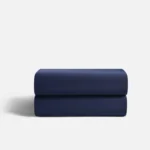 SuperCool+ Fitted Sheet
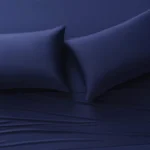 Pillowcases
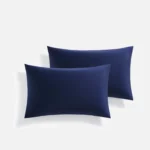 SuperCool+ Pillowcases
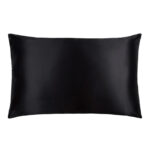 Cooling Silk Pillowcase
 Mattress Protectors
 Quilted Mattress Protector
 Waterproof Mattress Protector
 Floor Mats

Can You Dry Silk Pillowcases?

Understanding Silk Pillowcase Fabric Properties
Silk pillowcases require special care during the drying process. The fabric contains delicate protein fibers that react poorly to heat and mechanical stress. Mulberry silk, the most common type used in pillowcases, consists of long, smooth fibers that can shrink or lose their structure when exposed to high temperatures.
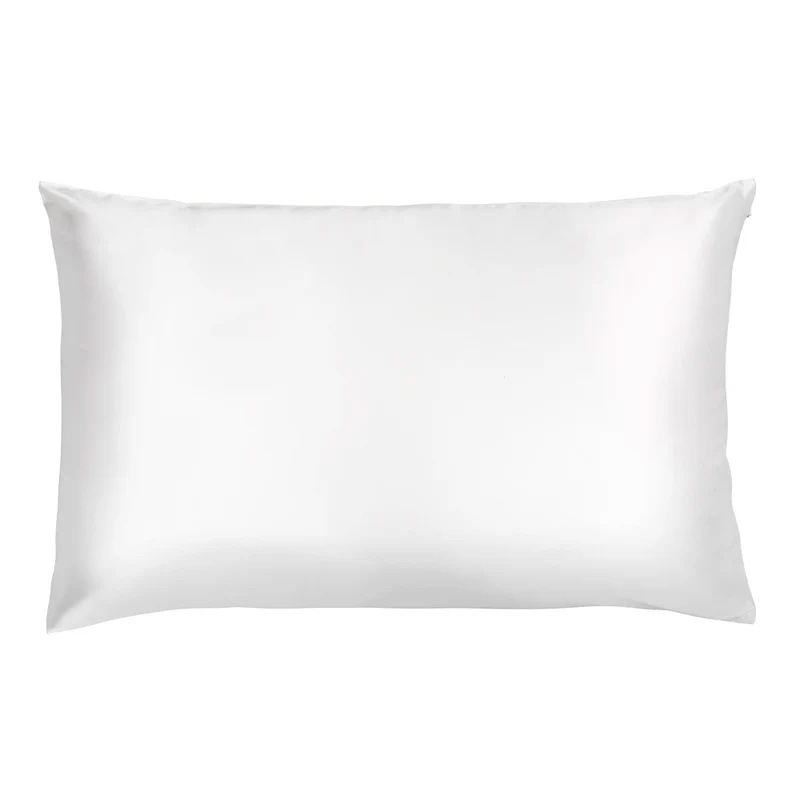
Your pillow shouldn’t steal your glow while you sleep. The lululinens LUXY LU 100% Mulberry Silk Pillowcase reduces friction, minimizes sleep creases, and keeps hair frizz-free. Pure mulberry silk offers temperature-regulating softness that’s hypoallergenic and gentle. Wake up looking as rested as you feel.
The molecular composition of silk makes it vulnerable to damage. Each fiber contains amino acids that break down under harsh conditions. Water absorption capacity reaches 30% of the fabric’s weight without feeling wet. This property affects drying time and method selection.
Can You Put Silk Pillowcases in the Dryer?
No, you should not put silk pillowcases in a conventional dryer. Heat from dryers causes irreversible damage to silk fibers. The tumbling action creates friction that weakens the fabric structure. Most manufacturers void warranties if machine drying occurs.
The consequences include:
- Fabric shrinkage up to 10-15%
- Loss of natural sheen and luster
- Weakened fiber strength
- Color fading or bleeding
- Rough texture development
High heat settings pose the greatest risk. Even low-heat or air-dry cycles create enough agitation to harm silk fibers over time.
The History of Silk Care Methods
Ancient Chinese civilizations developed silk care techniques over 5,000 years ago. Early methods involved air-drying silk garments on flat surfaces away from direct sunlight. These practices preserved fabric quality across generations.
European silk traders adopted similar approaches during the Renaissance period. They recognized that careful handling maintained silk’s commercial value. By the 18th century, documented care instructions appeared in household management guides.
Modern silk production began in the early 1900s. Scientists studied fiber properties to create evidence-based care recommendations. Research from the 1970s confirmed that heat exposure above 140°F damages silk protein structures permanently.
Best Methods to Dry Silk Pillowcases
Air Drying Technique
Air drying remains the safest method for silk pillowcases. This approach preserves fiber integrity and extends product lifespan.
Follow these steps:
- Remove excess water by pressing the pillowcase between clean towels
- Lay the pillowcase flat on a dry towel on a horizontal surface
- Reshape the fabric to its original dimensions
- Place in a well-ventilated area away from direct sunlight
- Flip the pillowcase every 2-3 hours for even drying
- Allow 6-12 hours for complete drying
Temperature matters during air drying. Room temperature between 65-75°F works best. Humidity levels below 60% speed up the process without stressing fibers.
Hanging Method Considerations
You can hang silk pillowcases to dry with precautions. Use padded hangers to prevent creasing. Avoid clothespins or clips that create pressure points.
Hang the pillowcase in a shaded location. Direct sunlight causes yellowing and weakens fibers. Indoor spaces with good air circulation provide ideal conditions.
The pillowcase may develop slight stretching at the hanging point. This effect increases with water weight. Flat drying prevents this distortion.
Towel Rolling Method
The towel rolling method removes water quickly without wringing. Wringing twists silk fibers and causes permanent damage.
Steps for towel rolling:
- Lay a clean, absorbent towel on a flat surface
- Place the wet pillowcase on top
- Roll the towel and pillowcase together like a sleeping bag
- Press firmly along the roll to transfer moisture
- Unroll and move the pillowcase to a dry towel
- Proceed with flat air drying
This technique reduces drying time by 30-40%. The pillowcase remains damp rather than dripping wet.
Drying Method Comparison
| Method | Drying Time | Risk Level | Fiber Preservation | Best For |
|---|---|---|---|---|
| Flat Air Dry | 8-12 hours | Very Low | Excellent | Daily use pillowcases |
| Hanging | 6-10 hours | Low | Good | Quick drying needs |
| Towel Rolling + Air Dry | 6-8 hours | Very Low | Excellent | Reducing initial moisture |
| Machine Dryer (Low) | 30-60 minutes | High | Poor | Not recommended |
| Machine Dryer (High) | 20-40 minutes | Very High | Very Poor | Never use |
Common Mistakes to Avoid
Many people damage silk pillowcases through improper drying practices. Recognition of these errors prevents costly replacements.
Wringing or Twisting
Wringing creates torsional stress that breaks silk fibers. The twisting motion misaligns the protein structure. Even gentle wringing causes microscopic damage that accumulates over time.
Using Direct Heat Sources
Radiators, heating vents, and hair dryers emit concentrated heat. This heat exceeds safe temperature limits for silk. Fiber degradation occurs within minutes of exposure.
Leaving in Direct Sunlight
UV radiation breaks down silk proteins. The fabric develops a yellow tint that cannot be reversed. Sunlight also causes uneven drying that leads to water spots.
Over-Drying
Silk requires slight moisture retention to maintain suppleness. Completely dry silk becomes brittle and prone to tearing. The fabric should feel cool to touch when drying finishes.
Your pillow shouldn’t steal your glow while you sleep. The lululinens LUXY LU 100% Mulberry Silk Pillowcase reduces friction, minimizes sleep creases, and keeps hair frizz-free. Pure mulberry silk offers temperature-regulating softness that’s hypoallergenic and gentle. Wake up looking as rested as you feel.
Technical Specifications for Silk Drying
Momme weight affects drying requirements. This measurement indicates silk density per 100 yards of fabric. Higher momme counts hold more water and require longer drying times.
Standard momme weights for pillowcases:
- 16-19 momme: Lightweight, dries in 6-8 hours
- 19-22 momme: Medium weight, dries in 8-10 hours
- 22-25 momme: Heavy weight, dries in 10-12 hours
- 25+ momme: Premium weight, dries in 12-14 hours
Charmeuse weave represents the most common pillowcase construction. This weave creates the signature smooth surface. The weave structure affects water distribution during drying. Moisture travels along fiber length rather than across width.
Maintenance Tips for Long-Term Care
Proper drying extends silk pillowcase lifespan from 2-3 years to 5-7 years with regular use. Consistent care practices compound benefits over time.
Pre-Drying Preparation
Wash silk pillowcases in cold water with pH-neutral detergent. Hot water sets stains and weakens fibers before drying begins. Remove the pillowcase from wash water promptly to prevent color transfer.
Storage After Drying
Store completely dry pillowcases in breathable fabric bags. Plastic containers trap moisture and encourage mildew growth. Cedar sachets repel insects without chemical exposure.
Fold silk pillowcases loosely to prevent permanent creases. Avoid stacking heavy items on top. The fabric should rest without compression.
Seasonal Considerations
Winter drying requires additional time due to lower temperatures and higher humidity. Use a dehumidifier in the drying room to maintain optimal conditions. Space heaters provide ambient warmth without direct heat exposure.
Summer drying occurs faster but risks sun damage. Close curtains to block UV rays while maintaining airflow. Evening drying sessions reduce temperature extremes.
Benefits of Proper Silk Drying
Correct drying methods preserve the qualities that make silk pillowcases valuable.
Skin and hair benefits continue through proper care. The smooth surface reduces friction that causes sleep creases and hair breakage. Damaged silk develops rough spots that negate these advantages.
Hypoallergenic properties remain intact when fibers stay healthy. Silk naturally resists dust mites and mold. Heat damage creates micro-tears where allergens accumulate.
Investment protection occurs through extended lifespan. Premium silk pillowcases cost $30-100 per case. Proper drying prevents premature replacement purchases.
How to Speed Up Drying Time Safely
You can reduce drying duration without compromising silk quality. Multiple techniques work together for faster results.
Place a fan near the drying area. Air circulation increases evaporation rates by 40-50%. Position the fan to create gentle, indirect airflow across the pillowcase surface.
Use two towels during the rolling method. The second towel absorbs residual moisture after the first becomes saturated. This doubles water removal efficiency.
Pre-treat pillowcases with fabric conditioner designed for silk. These products reduce water absorption during washing. Less water means shorter drying periods.
Selection Steps for Dryer-Friendly Alternatives
Some consumers prefer machine-washable alternatives to traditional silk. These options simplify care routines.
Satin pillowcases made from polyester fibers tolerate machine drying on low heat. The synthetic material resists heat damage. However, satin lacks silk’s natural protein benefits.
Bamboo silk blends combine plant-based and silk fibers. Some blends handle gentle tumble drying. Check manufacturer specifications before attempting machine drying.
Microfiber silk-feel fabrics withstand standard dryer cycles. These materials mimic silk texture without requiring special care. The trade-off involves reduced breathability and moisture-wicking properties.
Professional Cleaning Considerations
Professional dry cleaners offer silk care services. They use specialized equipment that controls temperature and moisture levels precisely.
Professional cleaning costs $8-15 per pillowcase. The service includes proper drying as part of the process. This option suits individuals without time or space for home air drying.
Request “wet cleaning” instead of traditional dry cleaning. Wet cleaning uses water-based solutions that treat silk more gently. The process achieves better stain removal than dry cleaning solvents.
Final Recommendations
You cannot safely dry silk pillowcases in conventional dryers. Air drying on flat surfaces provides the best results for fabric preservation. The process requires 6-12 hours depending on fabric weight and environmental conditions.
Investment in proper drying techniques protects your purchase value. Silk pillowcases offer unique benefits that justify careful maintenance. Following these guidelines ensures you enjoy those benefits for years.
Plan your washing schedule to accommodate drying time. Owning multiple pillowcases allows rotation while others dry. This system prevents rushed drying attempts that risk damage.
The effort required for silk care remains minimal compared to benefits received. Your skin, hair, and sleep quality improve through consistent use of well-maintained silk pillowcases.
Your pillow shouldn’t steal your glow while you sleep. The lululinens LUXY LU 100% Mulberry Silk Pillowcase reduces friction, minimizes sleep creases, and keeps hair frizz-free. Pure mulberry silk offers temperature-regulating softness that’s hypoallergenic and gentle. Wake up looking as rested as you feel.