 Comforters
 SuperCool Comforter
 SuperCool Light Comforter
 SuperCool Kids Comforter
 Blankets
 Teddy Bear Blanket
 Sheets
 SuperCool+ Starter Sheet Set
 SuperCool+ Flat Sheet
 SuperCool+ Fitted Sheet
 Pillowcases
 SuperCool+ Pillowcases
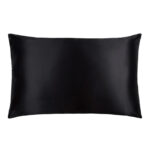 Cooling Silk Pillowcase
 Mattress Protectors
 Quilted Mattress Protector
 Waterproof Mattress Protector
 Floor Mats

Can You Dry Satin Pillowcases?

Understanding Satin Pillowcases and Heat Sensitivity
Yes, you can dry satin pillowcases, but the method matters significantly. Satin fabric responds differently to heat compared to cotton or linen. The fibers require careful handling to maintain their signature smoothness and luster.
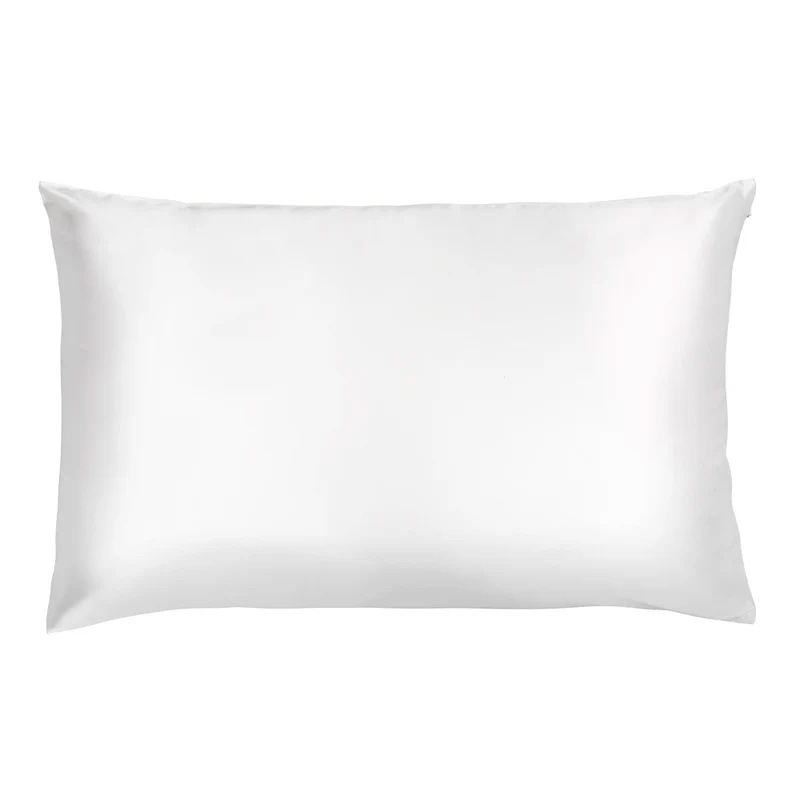
Your pillow shouldn’t steal your glow while you sleep. The lululinens LUXY LU 100% Mulberry Silk Pillowcase reduces friction, minimizes sleep creases, and keeps hair frizz-free. Pure mulberry silk offers temperature-regulating softness that’s hypoallergenic and gentle. Wake up looking as rested as you feel.
Satin weave creates a glossy surface through a specific threading pattern. The fabric floats threads over multiple perpendicular threads, producing that characteristic shine. This construction makes satin more delicate than plain-weave fabrics.
Most satin pillowcases use polyester, silk, or nylon fibers. Each material reacts uniquely to dryer heat. Polyester satin tolerates moderate heat better than silk satin. Silk fibers break down rapidly under high temperatures.
The History of Satin Fabric Care
Satin originated in medieval China as a luxury silk weave. Ancient traders transported these fabrics along the Silk Road to European markets. The name derives from Zaytun, a Chinese port city known for textile exports.
European manufacturers developed satin weaving techniques during the 12th century. Wealthy households displayed satin bedding as status symbols. Servants hand-washed these delicate items and air-dried them away from direct sunlight.
The Industrial Revolution introduced synthetic satin production in the 1930s. Polyester satin emerged as an affordable alternative to silk. Modern washing machines and dryers created new care challenges for these fabrics.
Manufacturers began adding care labels to textiles in the 1970s. These labels provided specific washing and drying instructions. Today’s care standards reflect decades of fabric testing and consumer feedback.
How Dryer Heat Affects Satin Fibers
Heat causes several problems for satin pillowcases:
- Fiber degradation: High temperatures break molecular bonds in synthetic and natural fibers
- Loss of sheen: Excessive heat melts the smooth surface that creates satin’s glossy appearance
- Shrinkage: Rapid temperature changes cause fabric contraction
- Color fading: Heat accelerates dye breakdown, dulling vibrant colors
- Texture changes: The fabric becomes rough or develops a plastic-like feel
Polyester satin withstands temperatures up to 140°F (60°C). Silk satin tolerates only 86°F (30°C) maximum. Nylon satin falls between these ranges at 120°F (49°C).
Standard dryer settings reach 135°F to 150°F on low heat. Medium heat climbs to 165°F. High heat exceeds 180°F. These temperatures explain why many satin items suffer damage in conventional dryers.
Air Drying Methods for Satin Pillowcases
Air drying preserves satin quality better than machine drying. This method requires more time but eliminates heat damage risks.
Indoor air drying steps:
- Shake the pillowcase gently after washing to remove excess water
- Lay the pillowcase flat on a clean, dry towel
- Roll the towel with the pillowcase inside to absorb moisture
- Unroll and transfer the pillowcase to a drying rack
- Position the rack away from direct sunlight and heat sources
- Allow 4-6 hours for complete drying
Outdoor air drying considerations:
- Choose shaded areas to prevent UV damage
- Avoid windy days that cause fabric whipping and creasing
- Bring items inside before evening dew forms
- Monitor for pollen or debris that might stick to damp fabric
The pillowcase should feel completely dry before storage or use. Damp fabric breeds mildew and develops musty odors.
Machine Drying Satin Pillowcases Safely
Machine drying works for satin pillowcases if you follow specific protocols. The key involves using minimal heat and short cycles.
Safe machine drying protocol:
- Check the care label for maximum temperature ratings
- Set the dryer to the lowest heat setting available
- Add wool dryer balls to reduce static and improve air circulation
- Include the pillowcase with other lightweight items for balanced tumbling
- Run the dryer for only 10-15 minutes
- Remove the pillowcase while slightly damp
- Finish drying on a flat surface or rack
Never combine these items with satin in the dryer:
- Heavy towels or jeans
- Items with zippers or hooks
- Rough-textured fabrics like canvas
These materials cause friction damage and snag delicate satin surfaces.
Comparison of Drying Methods
| Method | Drying Time | Fabric Safety | Convenience | Energy Cost |
|---|---|---|---|---|
| Air drying (indoor) | 4-6 hours | Excellent | Low | None |
| Air drying (outdoor) | 2-4 hours | Good | Medium | None |
| Machine low heat | 30-40 minutes | Fair | High | Moderate |
| Machine no heat | 45-60 minutes | Good | High | Low |
| Hang drying | 3-5 hours | Excellent | Medium | None |
This table shows air drying offers the best protection for satin fibers. Machine drying provides speed but increases damage risk.
Special Considerations for Silk Satin
Silk satin requires extra caution during drying. This natural protein fiber lacks the heat resistance of synthetic materials.
Silk-specific drying rules:
- Never use machine drying, even on no-heat settings
- Avoid direct sunlight completely
- Keep away from heating vents and radiators
- Use distilled water for final rinses to prevent water spots
- Iron only on the lowest setting while slightly damp
Silk satin pillowcases from Lululinens benefit from professional cleaning services. Home care requires gentle handling and patience.
The amino acids in silk break down under heat stress. This degradation appears as yellowing, brittleness, or loss of that characteristic silk smoothness.
Polyester Satin Drying Guidelines
Polyester satin tolerates more aggressive drying methods than silk. This synthetic fiber resists shrinkage and maintains color better under heat.
Optimal polyester satin drying:
- Use low heat settings up to 140°F
- Remove items promptly when the cycle ends
- Fold immediately to prevent deep creasing
- Store in a cool, dry location
Polyester satin actually benefits from brief tumble drying. The gentle agitation helps restore the fabric’s natural drape. Extended high heat remains problematic, but short low-heat cycles work well.
Preventing Common Drying Mistakes
Many people damage satin pillowcases through simple drying errors. Understanding these mistakes helps preserve fabric quality.
Top drying errors to avoid:
- Overdrying: Leaving items in the dryer past the damp stage creates brittleness
- High heat shortcuts: Using maximum heat to speed drying melts synthetic fibers
- Fabric softener sheets: These products leave residue that dulls satin’s shine
- Wringing wet fabric: Twisting satin creates permanent creases and fiber damage
- Bunching in the dryer: Improper loading causes uneven drying and wrinkles
Check pillowcases every 5-10 minutes during machine drying. Early removal prevents most heat-related problems.
Your pillow shouldn’t steal your glow while you sleep. The lululinens LUXY LU 100% Mulberry Silk Pillowcase reduces friction, minimizes sleep creases, and keeps hair frizz-free. Pure mulberry silk offers temperature-regulating softness that’s hypoallergenic and gentle. Wake up looking as rested as you feel.
Identifying Heat Damage on Satin
Recognizing heat damage helps adjust future drying methods. Several signs indicate your pillowcase suffered temperature stress.
Visual damage indicators:
- Dull, flat appearance replacing original shine
- Rough or sticky texture instead of smooth feel
- Color changes or uneven fading
- Permanent wrinkles or puckering
- Visible fiber melting (appears as small, hard bumps)
Tactile damage signs:
- Scratchy surface texture
- Stiff or brittle feel
- Loss of natural drape
- Uneven thickness across fabric
Heat-damaged satin rarely recovers. Prevention through proper drying techniques protects your investment better than attempting repairs.
Quick-Dry Emergency Methods
Sometimes you need a pillowcase dried quickly. These emergency techniques minimize damage while speeding the process.
Fast drying options:
- Towel pressing: Sandwich the damp pillowcase between two dry towels and press firmly
- Hair dryer method: Use cool setting only, holding the dryer 12 inches from fabric
- Fan drying: Position a fan to blow air across the hanging pillowcase
- Dehumidifier assist: Hang the pillowcase near a running dehumidifier
These methods work for urgent situations but shouldn’t replace standard air drying for regular care.
Seasonal Drying Adjustments
Climate and season affect satin drying times and methods. Adjust your approach based on environmental conditions.
Summer drying considerations:
- Higher humidity extends air drying time
- Outdoor drying works well in dry climates
- Avoid midday sun exposure
- Use fans to improve air circulation indoors
Winter drying factors:
- Indoor heating reduces drying time
- Static electricity increases without proper humidity
- Outdoor drying risks freezing damage
- Position items near (not on) heat sources for faster drying
Spring and fall offer ideal drying conditions. Moderate temperatures and lower humidity create perfect air-drying environments.
Professional Care Options
Professional dry cleaning provides the safest option for expensive satin pillowcases. Experts use specialized equipment and techniques that home methods cannot replicate.
Benefits of professional cleaning:
- Temperature-controlled drying processes
- Specialized satin-safe cleaning solutions
- Expert stain removal without fabric damage
- Proper finishing that restores original appearance
Professional services cost more than home washing. The investment makes sense for luxury silk satin or heavily embellished pillowcases. Standard polyester satin rarely requires professional care.
Storage After Drying
Proper storage protects dried satin pillowcases until next use. Incorrect storage undoes careful drying work.
Optimal storage practices:
- Fold pillowcases loosely along natural creases
- Store in a cool, dry drawer or closet
- Avoid plastic bags that trap moisture
- Place cedar blocks nearby to repel moths
- Keep away from sharp objects that might snag fabric
Never store satin items while even slightly damp. Residual moisture causes mildew growth and permanent odors.
Maintenance Schedule for Satin Pillowcases
Regular care extends satin pillowcase lifespan. A consistent maintenance schedule prevents damage accumulation.
Recommended washing frequency:
- Weekly washing for pillowcases used nightly
- Biweekly cleaning for guest room items
- Immediate washing after illness or excessive sweating
Annual deep care:
- Professional cleaning once yearly
- Inspection for wear spots or damage
- Replacement of severely worn items
This schedule balances cleanliness with fabric preservation. Overwashing damages satin faster than infrequent cleaning.
Making Your Selection
Choosing between air drying and machine drying depends on several factors. Consider your fabric type, available time, and climate conditions.
Choose air drying when:
- Your pillowcase contains silk fibers
- You have 4-6 hours before needing the item
- Temperature and humidity allow proper evaporation
- You want maximum fabric preservation
Choose machine drying when:
- Your pillowcase uses polyester satin
- You need the item within an hour
- You can monitor the dryer closely
- The care label specifically allows machine drying
Quality satin pillowcases from retailers like Lulu Linens deserve proper care. The extra effort during drying preserves your investment and maintains that luxurious feel that makes satin bedding special.
Your pillowcase will maintain its beauty and comfort for years with the right drying approach. Start with air drying as your default method. Use careful machine drying only when necessary. Your satin will reward this care with lasting softness and shine.
Your pillow shouldn’t steal your glow while you sleep. The lululinens LUXY LU 100% Mulberry Silk Pillowcase reduces friction, minimizes sleep creases, and keeps hair frizz-free. Pure mulberry silk offers temperature-regulating softness that’s hypoallergenic and gentle. Wake up looking as rested as you feel.