 Comforters
 SuperCool Comforter
 SuperCool Light Comforter
 SuperCool Kids Comforter
 Blankets
 Teddy Bear Blanket
 Sheets
 SuperCool+ Starter Sheet Set
 SuperCool+ Flat Sheet
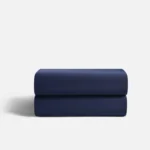 SuperCool+ Fitted Sheet
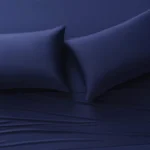 Pillowcases
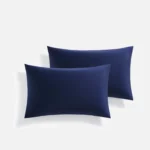 SuperCool+ Pillowcases
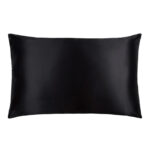 Cooling Silk Pillowcase
 Mattress Protectors
 Quilted Mattress Protector
 Waterproof Mattress Protector
 Floor Mats

Can Silk Pillowcases Go in the Dryer?

Understanding Silk Fabric and Heat Sensitivity
Silk pillowcases require special care. The dryer poses significant risks to silk fibers. Heat breaks down the protein structure of silk. This damage is permanent and irreversible.
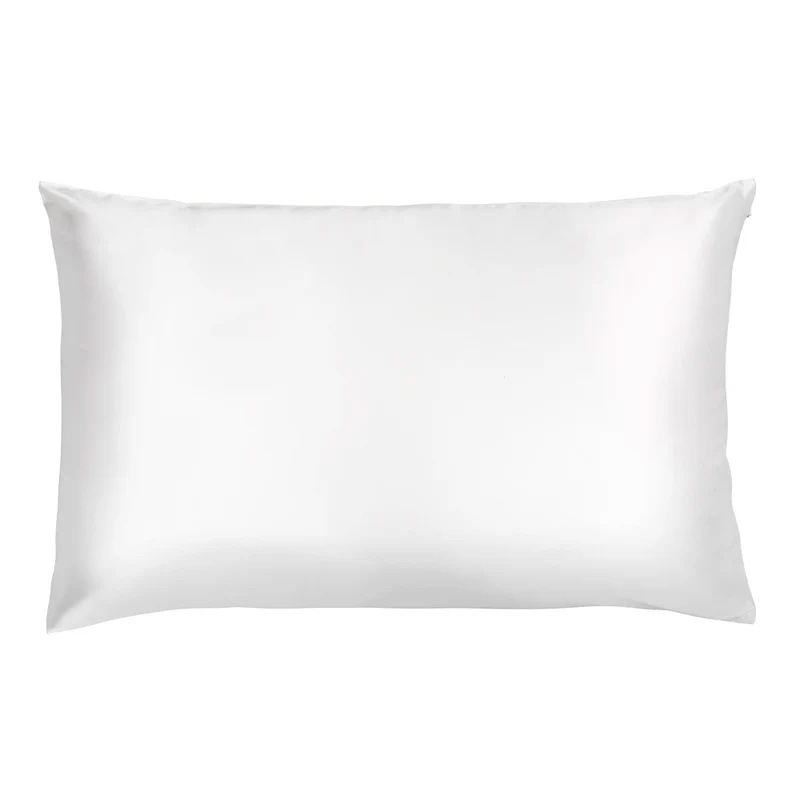
Your pillow shouldn’t steal your glow while you sleep. The lululinens LUXY LU 100% Mulberry Silk Pillowcase reduces friction, minimizes sleep creases, and keeps hair frizz-free. Pure mulberry silk offers temperature-regulating softness that’s hypoallergenic and gentle. Wake up looking as rested as you feel.
Silk consists of fibroin protein chains. These chains maintain a specific molecular arrangement. High heat causes these proteins to denature. The result is stiff, rough, and damaged fabric.
Most dryers operate between 125°F and 135°F on medium settings. High heat settings reach 135°F to 150°F. Silk begins degrading at temperatures above 140°F. Even medium heat settings can weaken silk fibers over time.
The Short Answer: Can You Put Silk Pillowcases in the Dryer?
No, you should not put silk pillowcases in the dryer. The heat damages silk fibers. The tumbling action creates excessive friction. This combination ruins the fabric’s texture and appearance.
Air drying is the safest method for silk pillowcases. This preserves the fabric’s smoothness. It maintains the natural sheen. Your pillowcase lasts significantly longer with proper care.
Why Heat Damages Silk Pillowcases
Protein Breakdown
Silk is a natural protein fiber. Silkworms produce this material through their salivary glands. The protein structure gives silk its unique properties. Heat disrupts these delicate bonds.
Key damage mechanisms include:
- Protein denaturation from high temperatures
- Loss of moisture content in fibers
- Weakening of fiber strength
- Permanent texture changes
- Color fading and dullness
Shrinkage Problems
Silk pillowcases shrink when exposed to heat. This shrinkage ranges from 5% to 20%. The exact amount depends on the silk quality and heat level.
Mulberry silk (the highest grade) shrinks less than other silk types. Lower grades contain more sericin protein. This protein contracts more dramatically under heat.
A standard silk pillowcase measures approximately 20 x 26 inches. A 10% shrinkage reduces dimensions to 18 x 23.4 inches. This creates a poor fit on your pillow.
Surface Texture Changes
The dryer’s heat removes natural oils from silk. These oils give silk its signature smoothness. Without them, the fabric becomes rough and brittle.
Tumbling action in the dryer creates friction. This friction damages the delicate fibers. The result is a fuzzy, damaged surface. The luxurious feel disappears completely.
Proper Drying Methods for Silk Pillowcases
Air Drying (Recommended Method)
Air drying preserves silk quality. This method requires patience but delivers excellent results.
Step-by-step air drying process:
- Remove excess water gently after washing
- Lay the pillowcase flat on a clean towel
- Roll the towel to absorb additional moisture
- Unroll and reshape the pillowcase
- Hang on a padded hanger or lay flat on a drying rack
- Keep away from direct sunlight
- Allow 2-4 hours for complete drying
Place the pillowcase in a shaded area with good air circulation. Direct sunlight fades colors and weakens fibers. A covered porch or indoor drying rack works best.
Towel Rolling Technique
This method speeds up drying time. It removes excess water without wringing or twisting.
Use a clean, white towel. Colored towels may transfer dyes to wet silk. Place the pillowcase flat on the towel. Roll them together gently. Press lightly to absorb water. Unroll and proceed with air drying.
Indoor vs Outdoor Drying
Indoor drying offers better control. You avoid weather changes and UV exposure. Outdoor drying provides faster results in dry climates.
Indoor drying advantages:
- Consistent temperature control
- No UV exposure
- Protection from unexpected weather
- Reduced pollen and dust exposure
Outdoor drying considerations:
- Requires shade placement
- Faster in low humidity
- Risk of color fading
- Potential for insect contact
Emergency Dryer Use: Last Resort Options
Sometimes circumstances force dryer use. Perhaps you need the pillowcase quickly. Or weather conditions prevent air drying.
Low Heat Settings
Use the lowest possible heat setting. Many dryers offer an “air fluff” or “no heat” option. This circulates air without applying heat.
Dryer settings comparison:
| Setting | Temperature Range | Risk Level for Silk | Recommendation |
|---|---|---|---|
| High Heat | 135°F – 150°F | Severe damage | Never use |
| Medium Heat | 125°F – 135°F | Significant damage | Avoid |
| Low Heat | 110°F – 125°F | Moderate damage | Emergency only |
| Air Fluff/No Heat | Room temperature | Minimal risk | Acceptable if necessary |
Time Limitations
Limit dryer time to 5-10 minutes maximum. Check the pillowcase every 2-3 minutes. Remove it while still slightly damp. Complete drying through air exposure.
Protective Measures
Place the silk pillowcase inside a mesh laundry bag. This reduces friction from tumbling. Add a clean, dry towel to the dryer. This absorbs moisture and cushions the silk.
Remove the pillowcase immediately after the cycle ends. Prolonged exposure to the warm dryer interior continues damaging the fabric.
Washing Silk Pillowcases Correctly
Proper washing sets up successful drying. Incorrect washing methods create problems that drying cannot fix.
Hand Washing Method
Hand washing provides the gentlest clean. Fill a basin with cool water (75°F – 85°F). Add a small amount of pH-neutral detergent or specialized silk wash.
Submerge the pillowcase completely. Gently agitate for 3-5 minutes. Avoid rubbing or twisting. Drain the soapy water. Refill with clean, cool water. Rinse thoroughly until water runs clear.
Your pillow shouldn’t steal your glow while you sleep. The lululinens LUXY LU 100% Mulberry Silk Pillowcase reduces friction, minimizes sleep creases, and keeps hair frizz-free. Pure mulberry silk offers temperature-regulating softness that’s hypoallergenic and gentle. Wake up looking as rested as you feel.
Machine Washing Guidelines
Some silk pillowcases allow machine washing. Check the care label first. Use a mesh laundry bag for protection.
Machine wash settings:
- Water temperature: Cold (below 85°F)
- Cycle: Delicate or hand-wash cycle
- Spin speed: Lowest setting available
- Detergent: Silk-specific or pH-neutral formula
- Load size: Small to prevent tangling
Detergent Selection
Regular detergents contain harsh alkalines. These chemicals damage silk fibers. Choose products specifically formulated for silk or wool.
Avoid detergents with:
- Bleach or brightening agents
- Enzymes
- Strong alkaline compounds
- Heavy fragrances
Long-Term Care and Maintenance
Storage Practices
Store dry silk pillowcases in a breathable cotton bag. Avoid plastic containers. Plastic traps moisture and promotes mildew growth.
Keep silk away from direct sunlight during storage. Store in a cool, dry location. Avoid areas with temperature fluctuations.
Frequency of Washing
Wash silk pillowcases every 7-10 days. This removes oils, dead skin cells, and product residue. More frequent washing is unnecessary and increases wear.
Some users alternate between multiple pillowcases. This extends time between washes. It also prolongs the life of each pillowcase.
Ironing Considerations
Silk often develops wrinkles during drying. Iron on the lowest heat setting. Use the silk or synthetic fabric setting if available.
Place a clean cotton cloth between the iron and silk. This prevents direct heat contact. Iron while the fabric is slightly damp. This produces the best results.
Comparing Silk Pillowcase Care to Other Fabrics
Cotton Pillowcases
Cotton tolerates high heat well. Dryer use is safe and recommended. Cotton actually softens with repeated dryer cycles.
Satin Pillowcases
Satin refers to a weave pattern, not a fiber type. Polyester satin handles dryer heat better than silk satin. Check the fiber content before drying.
Linen Pillowcases
Linen tolerates heat better than silk. However, line drying still extends linen’s lifespan. High heat can cause linen to become stiff.
Cost Analysis: Dryer Damage vs Replacement
A quality silk pillowcase costs $30-$100. Improper drying destroys this investment quickly.
Financial impact of dryer damage:
- Single dryer cycle on high heat: Potential 20-30% quality loss
- Three dryer cycles: Fabric becomes unusable
- Replacement cost: Full price of new pillowcase
- Air drying cost: Zero dollars, minimal time investment
Air drying takes 2-4 hours. This small time investment protects your financial investment.
Common Mistakes to Avoid
Wringing Out Excess Water
Never wring or twist silk. This stretches and damages the fibers. The fabric loses its shape permanently. Use the towel rolling method instead.
Using Fabric Softener
Fabric softener coats silk fibers. This coating blocks the natural breathability. It also makes the fabric feel slimy. Silk naturally provides softness without additives.
Ignoring Care Labels
Care labels provide specific instructions for your pillowcase. Different silk weights and weaves require different care. Always follow manufacturer guidelines.
Hanging Wet Silk on Wire Hangers
Wire hangers create pressure points. These points stretch the wet fabric. Use padded hangers or lay flat instead.
Environmental and Health Benefits of Air Drying
Air drying reduces energy consumption. Dryers account for 6% of residential electricity use. Eliminating dryer use for silk saves energy and reduces utility bills.
Air drying also eliminates exposure to dryer heat and lint. This benefits those with sensitive skin or allergies.
Signs Your Silk Pillowcase Has Heat Damage
Recognizing damage helps prevent further harm. Replace damaged pillowcases to maintain skin and hair benefits.
Damage indicators include:
- Rough, scratchy texture
- Loss of natural sheen
- Visible shrinkage
- Wrinkles that won’t release
- Color fading or yellowing
- Weak spots or tears
- Stiff, brittle feel
Making the Right Choice for Your Silk Pillowcases
Silk pillowcases offer numerous benefits for skin and hair. These benefits disappear when the fabric gets damaged. Heat from dryers represents the primary threat to silk quality.
Air drying requires minimal effort. The process takes a few hours. This small time investment protects your financial investment. It maintains the fabric’s beneficial properties.
Choose air drying as your standard method. Reserve low-heat dryer use for genuine emergencies only. Your silk pillowcases will maintain their quality for years. You’ll continue enjoying their beauty and functional benefits.
Your pillow shouldn’t steal your glow while you sleep. The lululinens LUXY LU 100% Mulberry Silk Pillowcase reduces friction, minimizes sleep creases, and keeps hair frizz-free. Pure mulberry silk offers temperature-regulating softness that’s hypoallergenic and gentle. Wake up looking as rested as you feel.