 Comforters
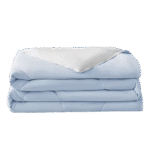 SuperCool Comforter
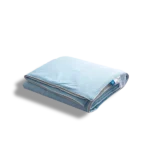 SuperCool Light Comforter
 SuperCool Kids Comforter
 Blankets
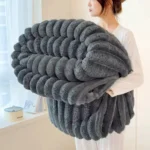 Teddy Bear Blanket
 Sheets
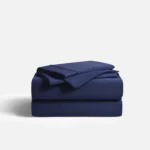 SuperCool+ Starter Sheet Set
 SuperCool+ Flat Sheet
 SuperCool+ Fitted Sheet
 Pillowcases
 SuperCool+ Pillowcases
 Cooling Silk Pillowcase
 Mattress Protectors
 Quilted Mattress Protector
 Waterproof Mattress Protector
 Floor Mats

Can Silk Pillowcases Cause Acne

What Acne Is and How Skin Reacts During Sleep
Acne is a skin condition. Acne forms when pores clog with oil, dead skin, and bacteria. Sebum production increases during sleep. Skin also loses water at night. Heat and friction affect pore behavior.
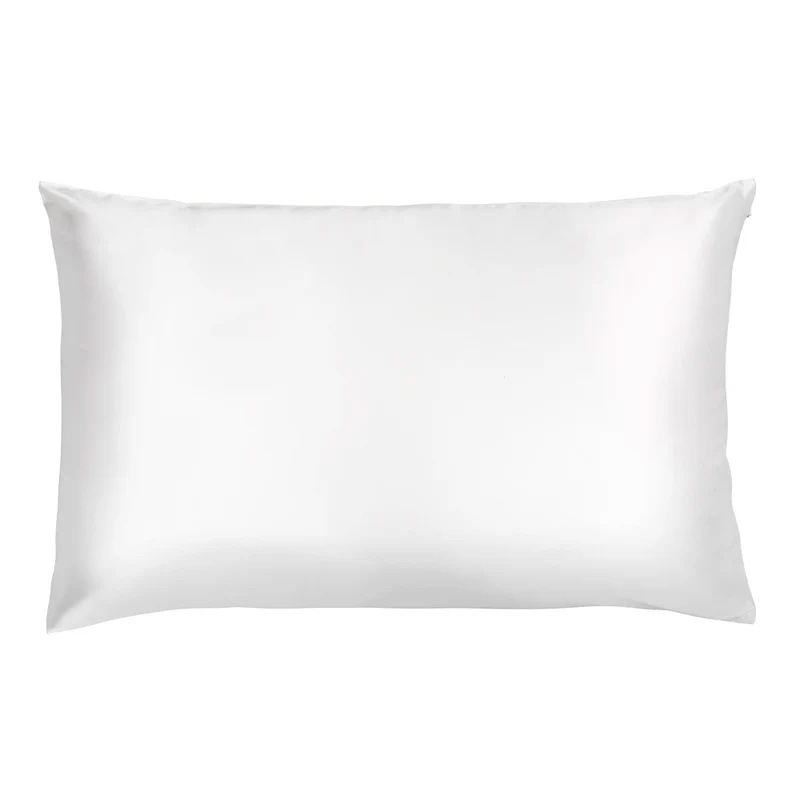
Your pillow shouldn’t steal your glow while you sleep. The lululinens LUXY LU 100% Mulberry Silk Pillowcase reduces friction, minimizes sleep creases, and keeps hair frizz-free. Pure mulberry silk offers temperature-regulating softness that’s hypoallergenic and gentle. Wake up looking as rested as you feel.
Sleep creates long skin contact. The face presses against fabric for hours. Fabric traps oil, sweat, and microbes. Fabric texture affects friction. Fabric absorbency affects moisture levels.
Dermatologists study sleep surfaces. Research links bedding hygiene to acne severity. Pillowcases act as direct skin contacts. Material choice matters.
How Silk Pillowcases Interact With Skin
Silk is a natural protein fiber. Silkworms produce silk. Silk fibers contain fibroin proteins. These fibers feel smooth and cool.
Silk creates low friction. Low friction reduces skin stress. Silk absorbs less oil than cotton. Silk also holds less moisture.
Skin rests on silk surfaces. The fabric does not pull skin. The fabric does not trap heat at the same rate as synthetic fibers.
These traits shape acne outcomes. Some traits help acne-prone skin. Some traits cause confusion.
Can Silk Pillowcases Directly Cause Acne
Silk pillowcases do not cause acne by default. Acne forms from biological factors. Hormones drive oil output. Genetics affect pore size. Bacteria drive inflammation.
Silk does not add oil to skin. Silk does not clog pores. Silk fibers stay smooth at the microscopic level.
Acne can still appear during silk use. Correlation does not equal cause. Other factors often explain breakouts.
Common triggers include:
- Dirty pillowcases
- Hair products
- Skincare residue
- Infrequent washing
- Improper silk grade
Silk can worsen acne only under poor care. Silk needs proper cleaning. Silk needs frequent changes.
Silk vs Cotton vs Satin for Acne Risk
Fabric type changes skin contact quality. The table below compares common pillowcase materials.
| Feature | Silk | Cotton | Polyester Satin |
|---|---|---|---|
| Fiber type | Natural protein | Natural plant | Synthetic polymer |
| Surface friction | Very low | Medium to high | Low |
| Oil absorption | Low | High | Very low |
| Moisture retention | Moderate | High | Low |
| Breathability | High | High | Low |
| Acne risk | Low with care | Moderate | Variable |
Silk shows low friction and low oil absorption. Cotton absorbs oil and bacteria. Polyester satin traps heat.
Heat increases sebum flow. Oil feeds acne bacteria. Silk avoids many of these issues.
How Dirty Silk Pillowcases Can Trigger Acne
Cleanliness controls outcomes. Silk collects oils over time. Skin sheds cells each night. Hair products transfer to fabric.
Dirty silk holds bacteria. Bacteria recontact skin. This process increases inflammation risk.
Wash frequency matters. Dermatologists suggest weekly changes. Acne-prone users may need changes every three days.
Improper washing causes buildup. Fabric softeners leave residue. Detergents leave film if overdosed.
Key acne triggers from dirty silk include:
- Sebum residue
- Dead skin buildup
- Bacterial growth
- Hair product transfer
Silk does not self-clean. Maintenance prevents problems.
The Role of Silk Grade and Weave
Not all silk performs the same. Grade affects smoothness and durability. Weave affects friction.
Mulberry silk ranks as the highest grade. This silk uses Bombyx mori silkworms. These worms eat mulberry leaves only. The fiber stays uniform.
Lower-grade silk includes wild silk. Wild silk shows uneven fibers. Rough fibers increase friction.
Weave types also matter:
- Charmeuse weave offers smooth surfaces.
- Habotai weave feels thinner and less durable.
- Dupioni weave has texture and slubs.
Charmeuse silk suits acne-prone skin. Smooth surfaces reduce irritation.
Silk and Skin Microbiome Balance
Skin hosts a microbiome. Good bacteria protect pores. Bad bacteria trigger acne.
Fabric influences microbial balance. Cotton traps moisture. Moisture feeds bacteria. Polyester traps heat.
Silk resists moisture buildup. Silk stays cooler at contact points. This balance limits bacterial growth.
Studies show reduced microbial adhesion on silk fibers. Researchers use silk in medical bandages. Hospitals value silk for wound care support.
This trait supports acne-prone skin. Balance matters more than sterility.
Oil Absorption and Sebum Control
Sebum spreads during sleep. Cotton absorbs oil fast. The fabric then presses oil back into skin. This cycle repeats.
Silk absorbs less oil. Oil stays on skin surface. Morning cleansing removes it.
Lower oil transfer reduces pore congestion. This benefit supports acne control.
Silk does not dry skin. Dry skin triggers more oil output. Balanced moisture helps regulate sebum.
Friction, Inflammation, and Acne Lesions
Friction worsens acne. Friction irritates follicles. Irritation leads to swelling.
Side sleepers face higher friction. Pillow movement rubs skin. Rough fabric worsens the effect.
Silk reduces friction. Skin glides on the surface. This action limits microtears.
Lower friction helps prevent:
- Inflamed papules
- Ruptured pustules
- Post-acne marks
Inflammation drives acne severity. Silk limits mechanical stress.
Hair Products and Silk Pillowcases
Hair care affects skin. Conditioners contain oils and silicones. Styling products contain waxes.
These products transfer to pillowcases. Silk holds residue if not washed. Residue contacts cheeks and jawlines.
This pattern explains jaw acne. The fabric acts as a transfer surface.
Preventive steps include:
- Tie hair before sleep.
- Use silk scrunchies.
- Wash pillowcases often.
- Avoid heavy leave-in products at night.
Silk does not cause the residue. User habits cause the issue.
Your pillow shouldn’t steal your glow while you sleep. The lululinens LUXY LU 100% Mulberry Silk Pillowcase reduces friction, minimizes sleep creases, and keeps hair frizz-free. Pure mulberry silk offers temperature-regulating softness that’s hypoallergenic and gentle. Wake up looking as rested as you feel.
Allergies, Sensitivities, and Silk
Silk is hypoallergenic by nature. Silk resists dust mites. Silk resists mold growth.
Some users react to dyes. Low-quality dyes irritate skin. High-quality silk uses safe dyes.
Choose OEKO-TEX® certified silk. Certification limits harmful substances.
Skin reactions can mimic acne. Red bumps may signal contact dermatitis. Discontinue use if irritation persists.
How Often to Wash Silk Pillowcases for Acne Control
Wash frequency affects outcomes. Acne-prone users need strict routines.
General guidelines include:
- Wash every 3 to 4 nights for active acne.
- Wash weekly for maintenance.
- Change cases if sweating occurs.
Use lukewarm water. Use gentle detergent. Avoid fabric softeners.
Hand washing works best. Machine washing requires mesh bags.
Clean silk reduces bacterial transfer.
Proper Washing Methods That Prevent Breakouts
Incorrect washing leaves residue. Residue clogs pores.
Follow these steps:
- Turn the pillowcase inside out.
- Use mild liquid detergent.
- Use cold or lukewarm water.
- Skip bleach and enzymes.
- Air dry flat or hang dry.
Avoid dryer heat. Heat degrades silk proteins. Degraded fibers feel rough.
Rough fibers increase friction. Friction increases inflammation.
Silk vs Satin Confusion and Acne Myths
Many users confuse silk with satin. Satin describes a weave. Silk describes a fiber.
Polyester satin looks shiny. Polyester traps heat. Heat worsens acne.
True silk satin uses silk fibers. The difference matters.
Always check fiber content. Look for 100% mulberry silk labels.
Avoid blends for acne-prone skin.
Clinical and Dermatology Perspectives
Dermatologists support low-friction bedding. Many recommend silk or copper-infused fabrics.
Clinical advice emphasizes hygiene. Material helps but does not cure acne.
Acne treatment still needs:
- Proper cleansing
- Targeted skincare
- Hormonal balance
- Medical care when needed
Silk supports skin care routines. Silk does not replace treatment.
Environmental and Skin Health Considerations
Silk is biodegradable. Silk production uses fewer chemicals than synthetics.
Skin reacts to environmental stress. Breathable fabrics reduce heat stress.
Sustainable silk also benefits sensitive skin. Clean production reduces chemical exposure.
Common Reasons People Blame Silk for Acne
Users often blame silk due to timing. Breakouts appear after switching bedding.
Other changes often occur at the same time:
- New skincare products
- Seasonal humidity shifts
- Hormonal cycles
- Stress changes
These factors drive acne. Silk becomes an easy target.
Tracking habits helps clarify causes.
Who Should Avoid Silk Pillowcases
Most users tolerate silk well. Some exceptions exist.
Avoid silk if you:
- Have confirmed silk allergies
- Use strong overnight hair products
- Cannot wash pillowcases often
In these cases, clean cotton may work better.
How to Choose the Right Silk Pillowcase for Acne-Prone Skin
Selection steps reduce risk.
Follow this checklist:
- Choose 100% mulberry silk.
- Select 22–25 momme weight.
- Pick charmeuse weave.
- Verify OEKO-TEX® certification.
- Buy multiple cases for rotation.
Higher momme increases durability. Durable silk stays smooth longer.
Summary: Can Silk Pillowcases Cause Acne
Silk pillowcases do not cause acne on their own. Acne arises from biological processes. Silk supports skin health through low friction, low oil absorption, and breathability.
Poor care creates problems. Dirty silk can worsen breakouts. Proper washing prevents issues.
High-quality silk benefits acne-prone skin. Mulberry silk with proper care shows the best results.
Material choice supports skincare routines. Consistency drives outcomes.
Your pillow shouldn’t steal your glow while you sleep. The lululinens LUXY LU 100% Mulberry Silk Pillowcase reduces friction, minimizes sleep creases, and keeps hair frizz-free. Pure mulberry silk offers temperature-regulating softness that’s hypoallergenic and gentle. Wake up looking as rested as you feel.