 Comforters
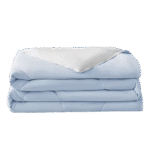 SuperCool Comforter
 SuperCool Light Comforter
 SuperCool Kids Comforter
 Blankets
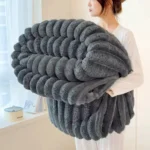 Teddy Bear Blanket
 Sheets
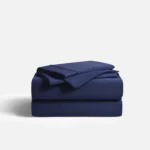 SuperCool+ Starter Sheet Set
 SuperCool+ Flat Sheet
 SuperCool+ Fitted Sheet
 Pillowcases
 SuperCool+ Pillowcases
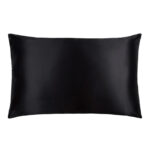 Cooling Silk Pillowcase
 Mattress Protectors
 Quilted Mattress Protector
 Waterproof Mattress Protector
 Floor Mats

Can I Wash Silk Pillowcases?

Yes, You Can Wash Silk Pillowcases Safely at Home
Silk pillowcases require regular cleaning. You can wash them at home using proper techniques. The key is understanding silk’s delicate protein-based fibers and how water, detergent, and agitation affect them.
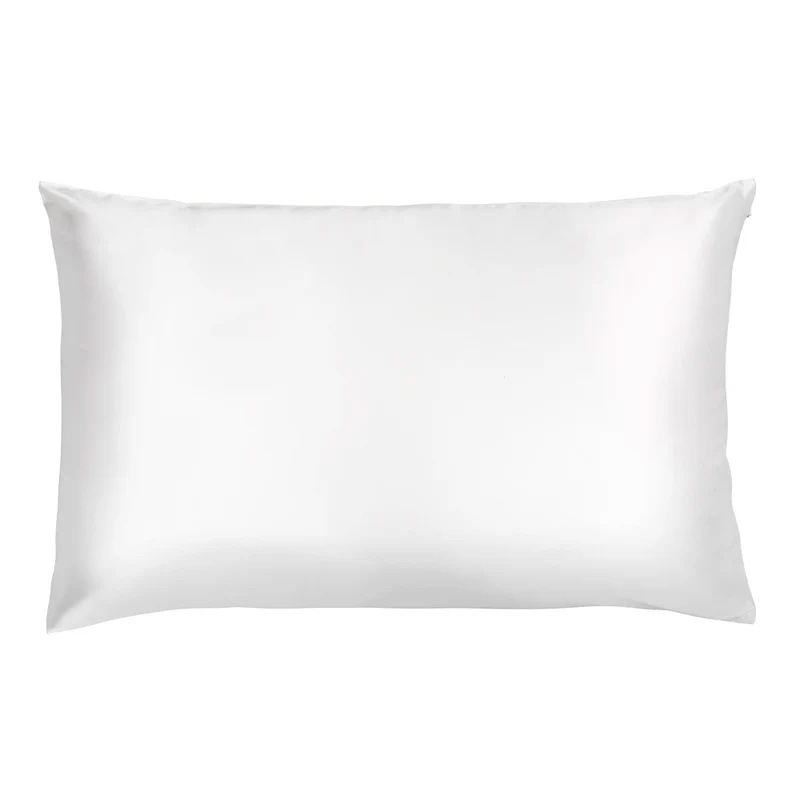
Your pillow shouldn’t steal your glow while you sleep. The lululinens LUXY LU 100% Mulberry Silk Pillowcase reduces friction, minimizes sleep creases, and keeps hair frizz-free. Pure mulberry silk offers temperature-regulating softness that’s hypoallergenic and gentle. Wake up looking as rested as you feel.
Most manufacturers recommend washing silk pillowcases every 7-10 days. This frequency maintains hygiene without excessive wear on the fabric.
Understanding Silk Fabric and Its Washing Requirements
Silk comes from silkworm cocoons. The natural protein fibers measure 10-13 micrometers in diameter. This makes silk one of the strongest natural fibers, yet water weakens it temporarily.
Mulberry silk represents the highest quality for bedding. It contains smooth, long fibers that resist snagging. The momme weight indicates silk density. Pillowcases typically range from 19-25 momme. Higher momme means thicker, more durable fabric.
Silk’s molecular structure includes amino acids. These proteins react poorly to alkaline substances and high heat. Standard laundry detergents often have pH levels between 9-11, which damages silk fibers over time.
Hand Washing Silk Pillowcases: The Safest Method
Hand washing gives you maximum control over the process. This method extends the lifespan of your silk pillowcases significantly.
Step-by-Step Hand Washing Process
- Fill a clean basin with cool water (30°C/86°F maximum)
- Add silk-specific detergent (1 teaspoon per pillowcase)
- Submerge the pillowcase and gently swirl for 3-5 minutes
- Avoid twisting or wringing the fabric
- Rinse thoroughly with cool water until soap residue disappears
- Press out excess water by laying flat on a towel and rolling gently
The entire process takes 10-15 minutes per pillowcase. Never soak silk longer than 30 minutes. Extended water exposure weakens the fibers.
Recommended Detergents for Silk
Choose pH-neutral detergents designed for delicate fabrics. Look for these characteristics:
- pH level between 6.5-7.5
- Free from enzymes and bleach
- Contains no optical brighteners
- Biodegradable formulas work best
Popular options include Heritage Park Silk & Wool Detergent, The Laundress Delicate Wash, and Eucalan Fine Fabric Wash. Baby shampoo serves as an emergency alternative because of its gentle pH balance.
Machine Washing Silk Pillowcases: Guidelines and Risks
Machine washing is possible but increases wear risk. Some silk pillowcases specify “machine washable” on their care labels. Always check before proceeding.
Machine Washing Parameters
| Setting | Requirement | Why It Matters |
|---|---|---|
| Temperature | Cold (30°C/86°F max) | Hot water shrinks and weakens silk |
| Cycle | Delicate/Hand Wash | Reduces agitation stress on fibers |
| Spin Speed | Lowest possible | High speeds damage fiber structure |
| Load Size | Small | Prevents excessive friction |
Place silk pillowcases inside a mesh laundry bag. This protects them from zippers, hooks, and other abrasive items. Wash silk items separately from cotton, denim, or synthetic fabrics.
Front-loading machines are gentler than top-loaders. The tumbling action causes less stress than the agitator mechanism in top-loading washers.
What Never to Do in Machine Washing
- Never use regular detergent
- Never add fabric softener (it coats fibers and reduces breathability)
- Never mix silk with heavy items like towels or jeans
- Never use the dryer, even on low heat
- Never exceed 30°C water temperature
Drying Silk Pillowcases Correctly
Heat destroys silk. The protein fibers lose strength and develop a rough texture when exposed to high temperatures.
Air Drying Method
- Remove excess water by pressing between towels
- Lay flat on a dry towel away from direct sunlight
- Reshape gently to original dimensions
- Flip halfway through drying process
- Allow 2-4 hours for complete drying
Never hang silk pillowcases on a line. The weight of water stretches wet fibers permanently. Avoid clothespins, which create pressure marks.
Direct sunlight fades silk and weakens fibers through UV exposure. Choose a well-ventilated indoor location instead.
What About Ironing?
Silk pillowcases rarely need ironing if dried flat properly. If wrinkles appear, use these settings:
- Temperature: Low heat (110°C/230°F maximum)
- Steam: Light steam acceptable
- Fabric: Iron while slightly damp
- Protection: Place a cotton cloth between iron and silk
Always iron the reverse side of silk. Direct heat on the face damages the sheen.
Common Stains on Silk Pillowcases and Removal Techniques
Face oils, makeup, and skincare products commonly stain silk pillowcases. Address stains immediately for best results.
Oil-Based Stains (Makeup, Face Oils)
- Blot immediately with a clean cloth
- Apply cornstarch or talcum powder to absorb oil
- Wait 30 minutes for powder to work
- Brush off powder gently
- Wash normally using hand wash method
Never rub stains aggressively. This pushes oils deeper into fibers.
Protein-Based Stains (Drool, Sweat)
- Rinse with cold water immediately
- Apply diluted white vinegar (1 part vinegar to 4 parts water)
- Let sit 5 minutes maximum
- Rinse thoroughly
- Wash normally
Hot water sets protein stains permanently. Always use cold water first.
Product Stains (Skincare, Hair Products)
Most skincare products contain oils or silicones. These require specific treatment:
- Identify ingredients on the product label
- For oil-based: Use cornstarch absorption method
- For water-based: Rinse immediately with cold water
- For silicone-based: Apply small amount of dish soap diluted heavily with water
Test any stain treatment on an inconspicuous area first. Some silk dyes react unpredictably to cleaning agents.
Frequency Guidelines: How Often Should You Wash Silk Pillowcases?
Personal factors determine washing frequency. Consider these variables:
- Skincare routine: Heavy night creams require more frequent washing
- Hair products: Leave-in treatments transfer to pillowcases
- Allergies: Dust mites accumulate regardless of fabric type
- Climate: Humid environments increase bacterial growth
- Acne-prone skin: Every 3-4 days prevents bacterial buildup
Standard recommendation: wash every 7-10 days under normal conditions. Adjust based on your specific situation.
Your pillow shouldn’t steal your glow while you sleep. The lululinens LUXY LU 100% Mulberry Silk Pillowcase reduces friction, minimizes sleep creases, and keeps hair frizz-free. Pure mulberry silk offers temperature-regulating softness that’s hypoallergenic and gentle. Wake up looking as rested as you feel.
Historical Context: How Silk Care Evolved
Ancient Chinese silk producers used natural saponins from plants for cleaning. These gentle compounds matched silk’s pH perfectly.
Victorian-era care instructions recommended borax solutions and cold water exclusively. People understood heat damage even without modern fiber science.
The 1950s brought synthetic detergents. Marketing pushed “stronger cleaning power” that damaged natural fibers. Silk care knowledge declined during this period.
Modern research in the 1990s reestablished pH-neutral cleaning importance. Scientists measured molecular changes in silk exposed to various detergents. This data created current care standards.
What Happens If You Wash Silk Incorrectly?
Improper washing creates visible and structural damage:
- Shrinkage: Hot water contracts fibers by 10-15%
- Color loss: Alkaline detergents strip dyes
- Texture changes: Rough, stiff feel replaces smooth surface
- Fiber breakage: Agitation weakens already-damaged areas
- Loss of sheen: Natural luster disappears permanently
These changes are cumulative. One mistake might not show immediately, but repeated errors compound damage rapidly.
Special Considerations for Different Silk Types
Charmeuse Silk Pillowcases
Charmeuse has a satin weave creating a shiny front and matte back. The delicate weave requires extra gentle handling. Never scrub or twist charmeuse aggressively.
Habotai Silk Pillowcases
Habotai (China silk) is lighter and more affordable. It withstands washing slightly better than charmeuse but still needs gentle care. The plain weave is less prone to snagging.
Mulberry Silk vs. Other Types
Mulberry silk contains longer fibers than wild silk varieties. This creates stronger fabric that tolerates washing better. Tussah silk (wild silk) has shorter fibers and requires more careful handling.
Extending Time Between Washes
Reduce washing frequency with these practices:
- Remove makeup before bed completely
- Tie long hair back
- Apply hair products several hours before sleep
- Use minimal night creams on face and neck
- Keep bedroom cool (reduces sweat production)
Some people alternate between two silk pillowcases. This allows 2-week intervals between washing each one while maintaining weekly freshness.
Professional Cleaning for Silk Pillowcases
Dry cleaning is unnecessary for most silk pillowcases. The harsh chemicals used in dry cleaning can damage silk over time.
However, professional wet cleaning exists for silk items. This process uses specialized equipment and training. Consider professional cleaning for:
- Heavily soiled pillowcases
- Stubborn stains that home treatment failed to remove
- Vintage or heirloom silk items
- First-time cleaning of expensive pillowcases
Professional services cost $8-15 per pillowcase. The expense rarely justifies routine cleaning.
Water Quality Impact on Silk Washing
Hard water contains high mineral content. Calcium and magnesium deposits accumulate on silk fibers, creating stiffness and dullness.
Solutions for hard water areas:
- Use distilled water for rinsing
- Add 1 tablespoon white vinegar to rinse water (neutralizes minerals)
- Install a water softener system
- Use chelating agents in silk-safe detergent
Soft water works best for silk care. It allows detergent to work efficiently without mineral interference.
Storage After Washing
Proper storage prevents damage between uses:
- Ensure complete dryness before storage
- Fold loosely or roll gently
- Store in breathable cotton bags
- Avoid plastic containers (traps moisture)
- Keep away from direct light
- Maintain cool, dry environment
Never store silk in humid areas like bathrooms. Moisture encourages mildew growth and fiber degradation.
Summary: Your Silk Pillowcase Washing Checklist
You can successfully wash silk pillowcases at home by following these core principles:
Hand washing provides the safest cleaning method. Use cold water, pH-neutral detergent, and gentle swirling motions. Complete the process in under 30 minutes.
Machine washing works only on delicate cycle with cold water. Always use a mesh bag and silk-specific detergent.
Air dry flat away from heat and sunlight. Never use a dryer or hang wet silk.
Wash every 7-10 days under normal conditions. Adjust frequency based on skincare products, hair treatments, and personal factors.
Address stains immediately using appropriate methods for the stain type. Cold water and gentle treatments work best.
Your silk pillowcases will maintain their luxurious feel and appearance for years with proper care. The investment of time in correct washing techniques pays off in extended product life and continued skin and hair benefits.
Your pillow shouldn’t steal your glow while you sleep. The lululinens LUXY LU 100% Mulberry Silk Pillowcase reduces friction, minimizes sleep creases, and keeps hair frizz-free. Pure mulberry silk offers temperature-regulating softness that’s hypoallergenic and gentle. Wake up looking as rested as you feel.