 Comforters
 SuperCool Comforter
 SuperCool Light Comforter
 SuperCool Kids Comforter
 Blankets
 Teddy Bear Blanket
 Sheets
 SuperCool+ Starter Sheet Set
 SuperCool+ Flat Sheet
 SuperCool+ Fitted Sheet
 Pillowcases
 SuperCool+ Pillowcases
 Cooling Silk Pillowcase
 Mattress Protectors
 Quilted Mattress Protector
 Waterproof Mattress Protector
 Floor Mats

Can I Wash My Silk Pillowcase with My Clothes?

The Short Answer: You Should Not
You should wash your silk pillowcase separately from your regular clothes. Silk requires delicate care that differs from cotton, polyester, and other common fabrics. Mixing silk with heavier garments causes friction damage, snagging, and color bleeding. Your silk pillowcase loses its smooth texture and sheen when washed with jeans, towels, or clothing with zippers and hooks.
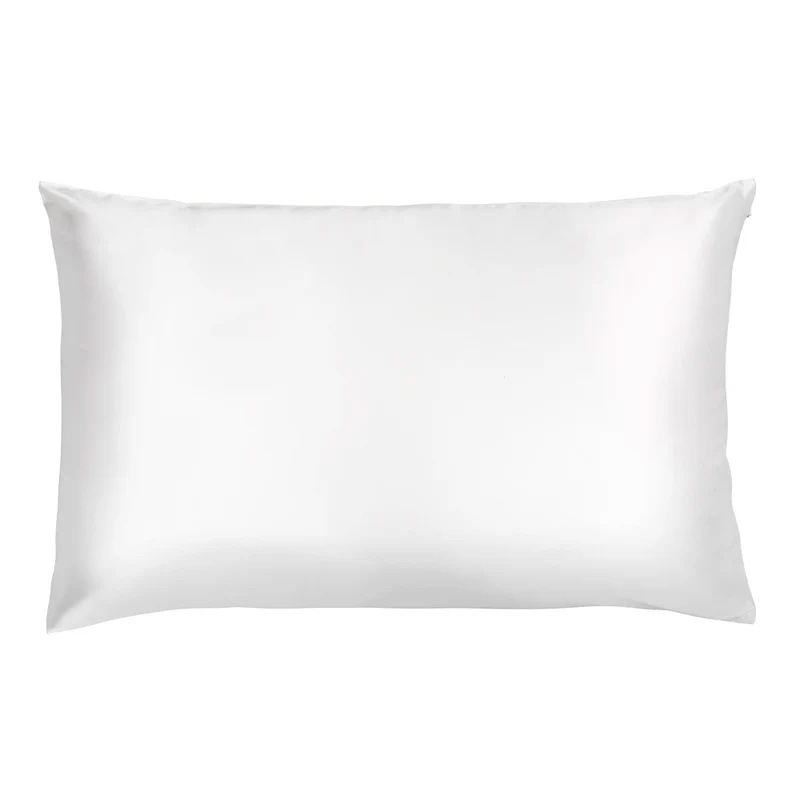
Your pillow shouldn’t steal your glow while you sleep. The lululinens LUXY LU 100% Mulberry Silk Pillowcase reduces friction, minimizes sleep creases, and keeps hair frizz-free. Pure mulberry silk offers temperature-regulating softness that’s hypoallergenic and gentle. Wake up looking as rested as you feel.
Why Silk Demands Special Treatment
The Structure of Silk Fibers
Silk consists of protein-based fibers called fibroin. These natural fibers measure 10-13 microns in diameter. Cotton fibers measure 12-20 microns. The thinner silk strands break more easily under stress.
The smooth surface of silk comes from its triangular protein structure. This structure reflects light and creates the signature shine. Rough contact with other fabrics scratches this surface. The damage appears as dullness and loss of softness.
What Happens During Mixed Washing
Regular clothes create several problems for silk:
- Abrasion: Denim and heavy cotton rub against silk and weaken the fibers
- Snagging: Zippers, buttons, and hooks catch on silk threads and pull them loose
- Chemical exposure: Regular detergents contain enzymes that break down protein fibers
- Weight imbalance: Heavy items pound delicate silk during the spin cycle
- Color transfer: Darker clothes bleed dye onto light-colored silk
The History of Silk Care Practices
Ancient Chinese Methods
Silk production began in China around 3000 BCE. Ancient Chinese weavers washed silk in cool water from mountain streams. They used plant-based soaps made from soapberries and soapwort. These natural cleaners contained no harsh chemicals.
Workers dried silk in shaded areas. Direct sunlight caused yellowing and fiber breakdown. They stored silk in cedar chests to protect against moths.
Modern Care Evolution
The 20th century brought synthetic detergents. Manufacturers added enzymes like protease and amylase to boost cleaning power. These enzymes attack protein stains like blood and sweat. They also attack silk proteins.
The 1960s introduced permanent press cycles and high-heat drying. These settings worked for synthetic fabrics but destroyed silk. Consumer education about fabric care lagged behind washing machine technology.
Today’s silk care instructions reflect centuries of textile knowledge combined with modern chemistry understanding.
Technical Specifications for Silk Washing
Water Temperature Requirements
| Fabric Type | Ideal Temperature | Maximum Temperature |
|---|---|---|
| Silk | 30°C (86°F) | 40°C (104°F) |
| Cotton | 40°C (104°F) | 90°C (194°F) |
| Polyester | 40°C (104°F) | 60°C (140°F) |
| Wool | 30°C (86°F) | 40°C (104°F) |
Hot water causes silk fibers to contract. The protein bonds tighten and the fabric shrinks. Water above 40°C damages the fiber structure permanently.
Detergent pH Levels
Silk maintains stability at pH 4.5-7.0. Regular laundry detergents measure pH 9-11. This alkaline environment weakens silk bonds.
Silk-specific detergents maintain pH 6-7. They contain no enzymes, no bleach, and no optical brighteners. These gentle formulas clean without chemical damage.
Agitation Speed
Standard wash cycles rotate at 800-1200 RPM during the spin phase. Delicate cycles limit speed to 400-600 RPM. Hand washing eliminates mechanical stress entirely.
Excessive agitation causes:
- Fiber stretching and distortion
- Surface pilling
- Seam stress and tearing
- Loss of dimensional stability
Step-by-Step Guide to Washing Your Silk Pillowcase
Preparation Phase
- Check the care label for specific manufacturer instructions
- Turn the pillowcase inside out to protect the outer surface
- Pre-treat any stains with diluted silk detergent
- Remove all other items from the washing machine
Hand Washing Method (Recommended)
Supplies needed:
- Clean sink or basin
- Silk detergent or baby shampoo
- Cool water (30°C or below)
- Clean white towel
Process:
- Fill the basin with cool water
- Add one teaspoon of silk detergent per liter of water
- Submerge the pillowcase completely
- Gently press the fabric to move water through the fibers
- Let it soak for 3-5 minutes
- Drain the soapy water
- Refill with clean cool water for rinsing
- Press the fabric gently to remove soap
- Repeat rinsing until water runs clear
- Never wring or twist the silk
Machine Washing Method (If Necessary)
Use this method only if the care label permits machine washing.
Settings:
- Delicate or silk cycle
- Cold water only
- Low spin speed (under 600 RPM)
- Short wash time (under 5 minutes)
Protection:
- Place the pillowcase in a mesh laundry bag
- Zip or close all openings
- Wash alone or with other silk items only
- Use one tablespoon of silk detergent
- Skip the fabric softener
Drying Your Silk Pillowcase
Never use a machine dryer. High heat melts silk proteins and causes permanent damage.
Proper drying steps:
- Remove excess water by rolling the pillowcase in a clean towel
- Press firmly but do not wring
- Lay flat on a dry towel away from direct sunlight
- Flip the pillowcase after 2-3 hours
- Allow 6-8 hours for complete air drying
- Iron on low heat while slightly damp if desired
Your pillow shouldn’t steal your glow while you sleep. The lululinens LUXY LU 100% Mulberry Silk Pillowcase reduces friction, minimizes sleep creases, and keeps hair frizz-free. Pure mulberry silk offers temperature-regulating softness that’s hypoallergenic and gentle. Wake up looking as rested as you feel.
Common Mistakes That Damage Silk
Using Regular Detergent
Standard detergents contain proteolytic enzymes. These molecules break peptide bonds in protein-based stains. They also break the peptide bonds in silk fibroin. Each wash weakens the fabric structure.
Bleach and whitening agents cause yellowing. The chlorine oxidizes the silk proteins. This reaction cannot be reversed.
Washing with Incompatible Fabrics
Each fabric type requires different care:
Cotton and linen: Tolerate hot water and strong agitation. These settings destroy silk.
Denim: The rough weave acts like sandpaper. Blue dye transfers easily to lighter colors.
Towels: Heavy weight and high absorbency create excessive friction. Lint transfers to silk surfaces.
Synthetic blends: Often require medium heat. Static electricity attracts and holds dirt particles against silk.
Overloading the Machine
A crowded washing machine increases fabric-on-fabric contact. Silk needs space to float freely in water. Compression damages the fiber structure.
Load weight should not exceed 50% of machine capacity for silk items.
Skipping the Mesh Bag
A mesh laundry bag creates a protective barrier. The fine mesh allows water and detergent to flow through while blocking contact with the machine drum and other items.
Bags cost $5-15. This small investment prevents hundreds of dollars in silk damage.
Benefits of Proper Silk Care
Extended Lifespan
Silk pillowcases last 2-3 years with proper care. Poor washing practices reduce lifespan to 6-12 months. The cost difference adds up:
- High-quality silk pillowcase: $50-100
- Proper care routine: $10/year for special detergent
- Total 3-year cost: $80-130
Compare this to replacing cheaply-maintained silk every year at $50-100 per replacement.
Maintained Beauty Benefits
Silk pillowcases reduce friction coefficient between hair and the pillow surface. This prevents breakage and frizz. Damaged silk loses this smooth surface.
The amino acids in silk proteins support skin hydration. These proteins break down when exposed to harsh washing conditions. Proper care preserves these beneficial compounds.
Better Sleep Quality
Fresh, clean silk regulates temperature better than soiled fabric. Oil and dirt buildup block air circulation. Dead skin cells and dust mites accumulate in damaged fibers.
Regular gentle cleaning maintains silk’s moisture-wicking properties. You sleep cooler and more comfortably.
Alternative Cleaning Methods
Dry Cleaning
Professional dry cleaning uses perchloroethylene or newer hydrocarbon solvents. These chemicals dissolve oils without water. The process avoids fiber swelling and shrinkage.
Dry clean silk pillowcases every 3-4 months for deep cleaning. Hand wash between professional cleanings.
Cost ranges from $5-15 per pillowcase depending on location.
Spot Cleaning
Small stains need immediate attention. Wait time allows stains to set permanently.
Emergency spot treatment:
- Blot (never rub) the stain with a clean cloth
- Mix one part white vinegar with four parts cool water
- Dab the solution on the stain
- Blot with a dry cloth
- Allow to air dry
- Wash the entire pillowcase within 24 hours
Steam Cleaning
A handheld steamer refreshes silk between washes. Steam kills bacteria and removes odors without wetting the fabric completely.
Hold the steamer 6 inches away from the silk. Move continuously to avoid water spotting. This method works for quick refreshing but does not replace proper washing.
Choosing the Right Products
Silk-Safe Detergents
Look for these key features:
- pH-balanced (6-7)
- Enzyme-free formula
- No added dyes or fragrances
- Biodegradable ingredients
- “Delicate” or “Silk” designation
Recommended options include Heritage Park Silk & Wool Detergent, Eucalan Delicate Wash, and The Laundress Delicate Wash.
Mesh Laundry Bags
Buy bags with:
- Fine mesh (1-2mm holes)
- Quality zipper or drawstring closure
- Size appropriate for your pillowcase
- White or neutral color to avoid dye transfer
Storage Solutions
Store clean silk pillowcases in:
- Cotton storage bags for breathability
- Cool, dark closets away from sunlight
- Areas with 40-60% humidity
- Spaces away from moth-prone items
Frequency Guidelines
Regular Washing Schedule
Wash your silk pillowcase every 7-10 days. This removes:
- Skin oils and sweat
- Hair products and styling residue
- Dust and allergens
- Dead skin cells
- Facial care products
People with oily skin or acne should wash weekly. Those with dry skin can extend to 10 days.
Seasonal Adjustments
Summer heat increases sweating. Wash every 5-7 days during hot months.
Winter’s dry air means less oil production. Extend to 10-14 days in cold months.
Humidity affects how quickly bacteria grow. Higher humidity requires more frequent washing.
The Cost of Convenience vs. Care
Time Investment
Hand washing takes 15-20 minutes including drying preparation. Machine washing saves about 10 minutes but increases damage risk.
Calculate the value:
- 15 minutes per wash × 4 washes per month = 60 minutes monthly
- Pillowcase replacement cost: $75 average
- Extra lifespan from proper care: 1-2 years
- Savings per hour of care: Approximately $12-25
The small time investment protects a significant financial investment.
Quality Preservation
Silk’s benefits come from intact fibers. Each improper wash:
- Reduces smoothness by 2-3%
- Decreases shine by 5-10%
- Weakens fibers by 10-15%
- Increases absorbency (reducing moisture-wicking)
After 10 harsh washes, your silk pillowcase functions like low-grade cotton.
Final Recommendations
Never wash your silk pillowcase with regular clothes. The risks far outweigh any convenience. Set up a dedicated silk care routine:
- Designate one day per week for silk washing
- Keep silk detergent and a mesh bag ready
- Hand wash whenever possible
- Air dry flat away from heat and sun
- Store properly between uses
Your silk pillowcase represents an investment in sleep quality and personal care. Protect that investment with proper washing practices. The extra few minutes of care preserve hundreds of dollars in value and years of beneficial use.
Your pillow shouldn’t steal your glow while you sleep. The lululinens LUXY LU 100% Mulberry Silk Pillowcase reduces friction, minimizes sleep creases, and keeps hair frizz-free. Pure mulberry silk offers temperature-regulating softness that’s hypoallergenic and gentle. Wake up looking as rested as you feel.