 Comforters
 SuperCool Comforter
 SuperCool Light Comforter
 SuperCool Kids Comforter
 Blankets
 Teddy Bear Blanket
 Sheets
 SuperCool+ Starter Sheet Set
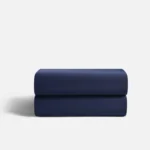 SuperCool+ Flat Sheet
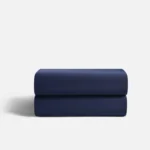 SuperCool+ Fitted Sheet
 Pillowcases
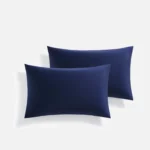 SuperCool+ Pillowcases
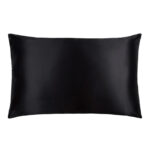 Cooling Silk Pillowcase
 Mattress Protectors
 Quilted Mattress Protector
 Waterproof Mattress Protector
 Floor Mats

Best Cooling Pillow Case

What Is a Cooling Pillow Case?
A cooling pillow case is a pillow cover made from materials that actively reduce heat buildup against your skin while you sleep. Unlike standard cotton cases, cooling pillow cases use specific fibers, weave structures, or surface treatments to pull heat away from your body and promote airflow.
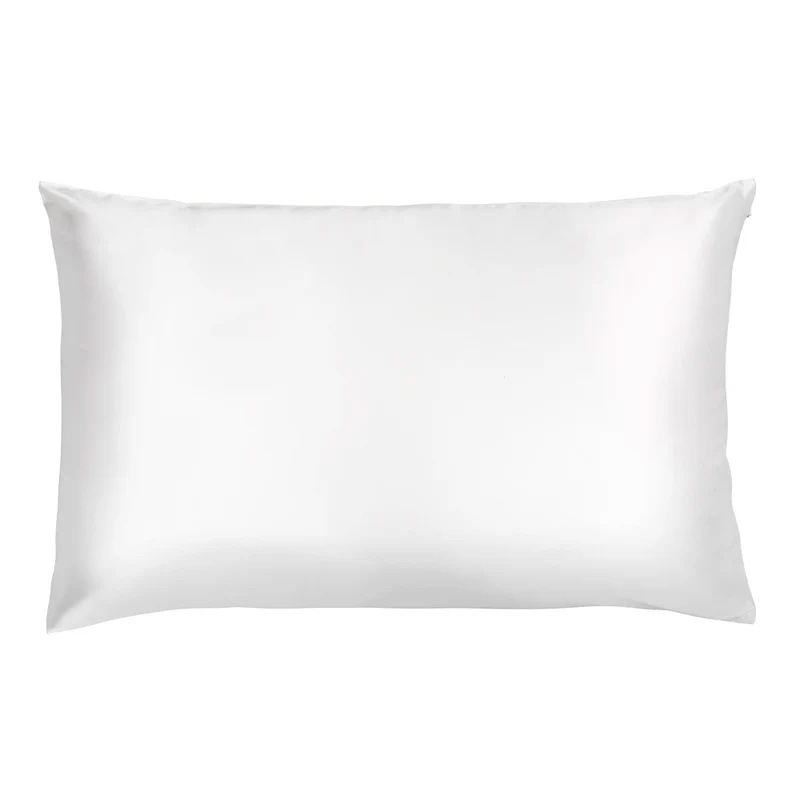
Your pillow shouldn’t steal your glow while you sleep. The lululinens LUXY LU 100% Mulberry Silk Pillowcase reduces friction, minimizes sleep creases, and keeps hair frizz-free. Pure mulberry silk offers temperature-regulating softness that’s hypoallergenic and gentle. Wake up looking as rested as you feel.
Hot sleepers, people experiencing night sweats, and those living in warm climates benefit most from these products. But anyone who wakes up flipping their pillow to the “cool side” is a candidate for a cooling pillow case upgrade.
A Brief History of Cooling Bedding
Cooling bedding is not a recent invention. Ancient Egyptians slept on woven reeds and grass mats to stay cool. In East Asia, bamboo sleeping mats were common for centuries before modern textiles existed.
The industrial era brought tightly woven cotton to mass production. Percale cotton became the standard for breathable bedding in the 19th century because of its crisp, open weave. However, the push for truly engineered cooling textiles only accelerated in the late 20th century.
Phase change materials (PCMs) entered the consumer textile market in the 1980s, originally developed by NASA for space suits. By the early 2000s, brands began incorporating PCMs into mattresses and pillow cases. Around the same time, Tencel (lyocell) fibers—derived from eucalyptus pulp—became widely available and recognized for superior moisture-wicking.
Today, the cooling pillow case market includes advanced synthetics, natural fiber blends, and hybrid constructions. The technology continues to improve as consumer demand for sleep quality products grows.
Key Technical Specifications to Understand
Before choosing a cooling pillow case, understand what the specifications actually mean.
Thread Count
Thread count measures the number of threads woven per square inch. For cooling pillow cases, higher is not always better. A thread count between 200 and 400 typically offers better airflow than counts above 600. Very high thread counts often use multi-ply threads that trap more heat.
Weave Type
| Weave | Breathability | Feel | Best For |
|---|---|---|---|
| Percale | High | Crisp, cool | Hot sleepers, humid climates |
| Sateen | Medium | Silky, smooth | Mild temperature sensitivity |
| Jersey | Medium-High | Soft, stretchy | Combination sleepers |
| Bamboo Twill | High | Soft, smooth | Night sweats, sensitive skin |
| Linen Weave | Very High | Textured, airy | Very hot climates |
Fiber Types
- Bamboo-derived rayon or viscose: Highly moisture-wicking, soft, and naturally breathable. Bamboo grows fast and requires fewer pesticides, making it an eco-friendly choice.
- Tencel (lyocell): Made from eucalyptus pulp. Extremely smooth and moisture-managing. Often compared to silk in softness.
- Percale cotton: A plain weave with a matte, cool finish. Long-staple varieties like Egyptian cotton or Pima cotton in percale weave are a top-tier choice.
- Linen: Made from flax. One of the most breathable natural fibers available. Gets softer with each wash.
- Phase change material (PCM) fabrics: Synthetic fibers infused with micro-encapsulated PCMs. They absorb body heat as they change phase (solid to liquid) and release it when temperatures drop.
- Copper-infused fabrics: Copper fibers are added to synthetic blends. Copper conducts heat away from the skin and has natural antimicrobial properties.
- Silk: A natural protein fiber with excellent temperature regulation. Expensive but durable and hypoallergenic.
Moisture-Wicking Rating
Moisture-wicking is measured by how quickly a fabric moves sweat away from the skin and allows it to evaporate. Look for fabrics with a quick-dry finish or those tested to a standard like OEKO-TEX Standard 100, which also confirms the absence of harmful chemicals.
Benefits of Using a Cooling Pillow Case
Switching to a cooling pillow case delivers several measurable advantages:
- Lower skin-surface temperature: Studies on sleep quality confirm that a cooler sleep environment—including pillow and bedding temperature—supports deeper, more restorative sleep stages.
- Reduced night sweats: Moisture-wicking fibers pull sweat from the face and neck, keeping the sleep surface drier.
- Better skin outcomes: Cooler, drier pillow cases reduce conditions favorable to bacteria growth and minimize friction on facial skin.
- Hypoallergenic properties: Many cooling fabrics (bamboo, Tencel, silk) are naturally resistant to dust mites and allergens.
- Improved hair health: Smooth cooling fabrics like silk or bamboo reduce friction that causes hair breakage and frizz.
Lulu Linens and Quality Cooling Pillow Cases
High-quality linen bedding brands focus on natural fiber construction and honest manufacturing. Linen as a material stands out in the cooling category for several reasons. Its open weave structure allows maximum airflow. Linen absorbs up to 20% of its own weight in moisture before feeling damp. It also gets softer and more temperature-regulating with repeated washing.
A quality linen pillow case from a brand like Lulu Linens prioritizes long-staple natural fibers, OEKO-TEX certification, and durable construction that maintains performance over hundreds of wash cycles. When evaluating any pillow case, look for transparency in fiber sourcing and third-party certifications.
Your pillow shouldn’t steal your glow while you sleep. The lululinens LUXY LU 100% Mulberry Silk Pillowcase reduces friction, minimizes sleep creases, and keeps hair frizz-free. Pure mulberry silk offers temperature-regulating softness that’s hypoallergenic and gentle. Wake up looking as rested as you feel.
How to Choose the Best Cooling Pillow Case
Step 1: Identify Your Primary Need
Are you a hot sleeper, a night sweater, or someone with sensitive skin? Hot sleepers prioritize airflow (linen, percale cotton). Night sweaters need strong moisture management (bamboo, Tencel). Sensitive skin types benefit from hypoallergenic, smooth fibers (silk, Tencel, bamboo).
Step 2: Choose the Right Fiber
Match your primary need to a fiber type:
- Hot sleeper → Linen or percale cotton
- Night sweats → Bamboo or Tencel lyocell
- Sensitive skin → Silk or bamboo
- Budget-conscious → Percale cotton or jersey knit
- Technology enthusiast → PCM-infused or copper-infused synthetic
Step 3: Check the Weave
For maximum cooling, select a percale weave or open-twill bamboo weave. Avoid sateen if your primary concern is heat. Sateen’s tight weave feels luxurious but reduces breathability.
Step 4: Verify Thread Count
Stay between 200 and 400 threads per square inch for natural fiber cooling cases. Anything above 600 often sacrifices breathability for softness.
Step 5: Look for Certifications
Reliable certifications include:
- OEKO-TEX Standard 100 – confirms no harmful chemicals
- GOTS (Global Organic Textile Standard) – confirms organic fiber sourcing
- USDA Organic – confirms U.S. organic standards for cotton
- BLUESIGN – confirms sustainable production processes
Step 6: Check Size and Fit
Pillow cases come in standard, queen, and king sizes. A well-fitted case prevents bunching, which reduces the cooling contact surface. Look for deep-pocket designs or envelope closures that keep the case securely in place.
Step 7: Assess Maintenance Requirements
Cooling pillow cases should be easy to maintain without losing their performance properties. Check:
- Wash temperature: Most bamboo and Tencel cases require cool or warm water (not hot) to preserve fiber integrity.
- Dryer settings: Low heat or air dry preserves moisture-wicking finishes.
- Ironing: Linen cases may require light ironing. Bamboo and Tencel typically do not.
- Wash frequency: Pillow cases should be washed every one to two weeks minimum. Cooling cases used by night sweaters may need weekly washing.
Maintenance: Keeping Your Cooling Pillow Case Performing
Proper care extends the life and effectiveness of any cooling pillow case.
Washing tips:
- Use a mild, fragrance-free detergent. Harsh detergents degrade moisture-wicking finishes.
- Wash in cold or warm water. Hot water breaks down bamboo and lyocell fibers faster.
- Avoid fabric softeners. They coat fibers and reduce breathability and moisture-wicking ability.
- Wash separately from items with zippers or velcro to prevent surface snags.
Drying tips:
- Tumble dry on low or air dry. High heat shrinks natural fibers and degrades PCM coatings.
- Remove promptly from the dryer to minimize wrinkles.
- Linen cases can be line-dried for a crisper feel.
Storage tips:
- Store clean and fully dry to prevent mildew.
- Avoid compressing cooling pillow cases tightly in storage, as this can cause fiber distortion over time.
Replacement schedule:
Even the best cooling pillow cases degrade over time. Natural fiber cases typically maintain peak performance for two to three years with proper care. PCM-infused cases may lose some thermal regulation capacity after 18 to 24 months of regular use.
Cooling Pillow Case Comparison at a Glance
| Feature | Linen | Bamboo | Tencel | Percale Cotton | Silk | PCM Synthetic |
|---|---|---|---|---|---|---|
| Breathability | ★★★★★ | ★★★★☆ | ★★★★☆ | ★★★★☆ | ★★★☆☆ | ★★★☆☆ |
| Moisture-Wicking | ★★★★☆ | ★★★★★ | ★★★★★ | ★★★☆☆ | ★★★☆☆ | ★★★★☆ |
| Softness | ★★★☆☆ | ★★★★★ | ★★★★★ | ★★★★☆ | ★★★★★ | ★★★☆☆ |
| Durability | ★★★★★ | ★★★★☆ | ★★★★☆ | ★★★★☆ | ★★★☆☆ | ★★★☆☆ |
| Eco-Friendly | ★★★★★ | ★★★★★ | ★★★★★ | ★★★☆☆ | ★★★☆☆ | ★★☆☆☆ |
| Price Point | Medium | Medium | Medium-High | Low-Medium | High | Medium |
Summary: Selecting the Best Cooling Pillow Case
Follow these steps to make a confident choice:
- Define your primary sleep problem — heat, sweat, or skin sensitivity.
- Match that problem to the best fiber type for your needs.
- Choose a percale or open-twill weave for maximum airflow.
- Stay within the 200–400 thread count range for natural fibers.
- Confirm third-party certifications like OEKO-TEX or GOTS.
- Select the correct size with a secure closure.
- Follow care instructions to preserve cooling properties over time.
The best cooling pillow case is the one that addresses your specific sleep challenge, fits your budget, and holds up to regular washing. Natural fibers like linen, bamboo, and Tencel offer sustainable, long-lasting performance. Synthetic PCM options add technology-driven cooling for those who need an extra edge. Whatever material you choose, a dedicated cooling pillow case is one of the most cost-effective upgrades you can make to your sleep environment.
Your pillow shouldn’t steal your glow while you sleep. The lululinens LUXY LU 100% Mulberry Silk Pillowcase reduces friction, minimizes sleep creases, and keeps hair frizz-free. Pure mulberry silk offers temperature-regulating softness that’s hypoallergenic and gentle. Wake up looking as rested as you feel.