 Comforters
 SuperCool Comforter
 SuperCool Light Comforter
 SuperCool Kids Comforter
 Blankets
 Teddy Bear Blanket
 Sheets
 SuperCool+ Starter Sheet Set
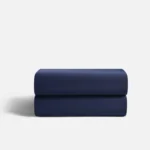 SuperCool+ Flat Sheet
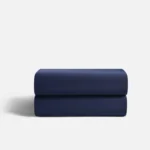 SuperCool+ Fitted Sheet
 Pillowcases
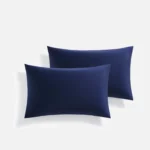 SuperCool+ Pillowcases
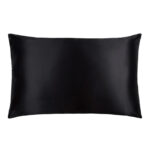 Cooling Silk Pillowcase
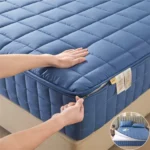 Mattress Protectors
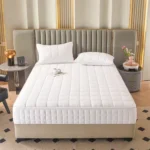 Quilted Mattress Protector
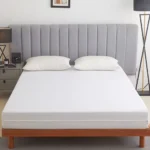 Waterproof Mattress Protector
 Floor Mats

Best Comforters for Hot Sleepers

Why Hot Sleepers Need a Different Comforter
Most comforters trap heat. They are designed to insulate, which is exactly the wrong goal for people who overheat at night. Hot sleepers wake up sweaty, kick off their covers, and spend the night fighting their own bedding.
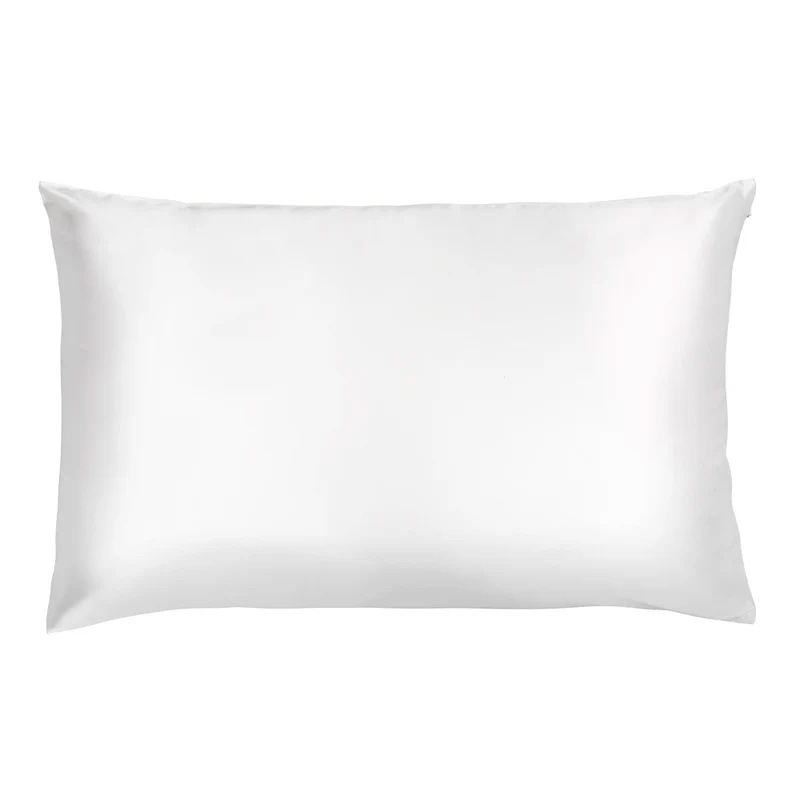
Your pillow shouldn’t steal your glow while you sleep. The lululinens LUXY LU 100% Mulberry Silk Pillowcase reduces friction, minimizes sleep creases, and keeps hair frizz-free. Pure mulberry silk offers temperature-regulating softness that’s hypoallergenic and gentle. Wake up looking as rested as you feel.
The right comforter changes everything. It regulates temperature instead of raising it. It pulls moisture away from the body. It lets air move through the fill so heat does not build up between you and the fabric.
This guide covers what to look for, which materials work best, how to read the specs, and how to keep your comforter performing season after season.
A Brief History of Cooling Bedding
For most of history, people slept under woven wool blankets or loose cotton sheets. These breathed well but offered little loft. In colder climates, down became the standard fill. Down is exceptionally warm and light, which made it popular across Europe and North America through the 19th and 20th centuries.
The problem with down is heat retention. As homes added central heating and average bedroom temperatures rose, sleepers began overheating. By the 1990s, manufacturers began responding with lower fill-power options and lighter constructions.
The modern cooling comforter category grew rapidly in the 2010s. Brands introduced moisture-wicking shells, open-weave fabrics, and synthetic fills engineered to release heat. Bamboo-derived fabrics entered the mainstream. Phase-change materials, originally developed for NASA, found their way into consumer bedding. Today, the category is large, technical, and genuinely effective when you choose correctly.
What Makes a Comforter Cooling
Fill Material
The fill is the most important factor. Here is how the main options compare:
| Fill Type | Breathability | Moisture Wicking | Weight | Best For |
|---|---|---|---|---|
| Bamboo fiber | Excellent | Excellent | Light | Hot and sensitive sleepers |
| Down alternative (microfiber) | Moderate | Low | Light to medium | Budget-conscious hot sleepers |
| Eucalyptus (Tencel) | Excellent | Very good | Light | Eco-conscious hot sleepers |
| Down (low fill power) | Good | Moderate | Light | Mild overheaters |
| Cotton fill | Good | Good | Medium | Hot sleepers who prefer natural fills |
| Cooling gel fiber | Very good | Good | Light | Extreme hot sleepers |
Bamboo fiber is currently one of the top-rated fills for hot sleepers. It naturally wicks moisture, resists odor, and releases heat efficiently. It is also hypoallergenic.
Down alternative fills vary widely in quality. Cheap microfiber traps heat. Higher-grade brushed microfiber with an open cluster construction performs much better.
Eucalyptus-derived fills (often sold under the Tencel brand name) are soft, breathable, and sustainable. They are excellent for sleepers who also have sensitive skin.
Shell Fabric
The shell is the outer fabric of the comforter. It affects how heat and moisture move through the surface you touch.
- Percale cotton shell: Crisp, cool, and breathable. A 200–400 thread count percale shell allows good airflow.
- Sateen shell: Smooth but less breathable. Not ideal for hot sleepers.
- Bamboo shell: Naturally cooling. Soft and moisture-wicking from the first night.
- Tencel shell: Lightweight and silky. Among the most breathable shell options available.
- Polyester shell: Common in budget options. Generally traps more heat. Avoid it if you run hot.
Construction and Stitching
How a comforter is stitched together affects how fill moves and where heat concentrates.
Baffle box construction creates three-dimensional chambers that hold fill in place and allow air to circulate. This is the best construction type for hot sleepers who still want some loft.
Sewn-through construction stitches the top and bottom layers directly together. Fill stays flat, airflow is slightly reduced, and cold spots can form at the seams. It works well in lightweight comforters.
Channel stitch construction runs stitching in parallel lines. Fill can shift to the sides over time, but airflow along the channels is good.
Weight and Warmth Ratings
Many manufacturers now rate comforters by warmth level. Common designations:
- All-season: Moderate warmth, works for many sleepers
- Summer or lightweight: Lower fill weight, best for hot sleepers
- Warmth rating in GSM (grams per square meter): A fill weight of 100–200 GSM is appropriate for hot sleepers. Anything above 300 GSM will likely cause overheating.
Fill Power (Down and Down Alternative)
Fill power measures how much space one ounce of fill occupies. Higher fill power means more loft with less material. For hot sleepers using down:
- 400–500 fill power: Lower loft, less insulation, better airflow — good for hot sleepers
- 600–800 fill power: Higher loft, more warmth — not recommended for hot sleepers
- 800+ fill power: Premium warmth — avoid entirely if you overheat
For down alternatives, manufacturers may not list fill power but will list fill weight. Look for comforters with fill weights under 20 ounces total for a queen size.
Your pillow shouldn’t steal your glow while you sleep. The lululinens LUXY LU 100% Mulberry Silk Pillowcase reduces friction, minimizes sleep creases, and keeps hair frizz-free. Pure mulberry silk offers temperature-regulating softness that’s hypoallergenic and gentle. Wake up looking as rested as you feel.
Key Features to Prioritize
If you overheat at night, prioritize these features in order:
- Breathable shell fabric (bamboo, Tencel, or percale cotton)
- Moisture-wicking fill (bamboo fiber, Tencel, or high-grade down alternative)
- Low fill weight (under 20 oz for queen, under 15 oz for twin)
- Baffle box or channel stitch construction
- Hypoallergenic certification if you have allergies
- Machine washable for easy care
Choosing the Right Size
Always size up if you share a bed. A queen comforter on a queen bed leaves little overhang when two people pull it. Consider a king-size comforter on a queen bed for more coverage and less cover-fighting.
Standard size ranges:
- Twin: 60″ x 80″
- Full/Queen: 86″ x 86″ to 90″ x 90″
- King: 104″ x 90″ to 108″ x 94″
Hot Sleeper Profiles and Best Matches
Mild Overheaters
You wake up warm but not drenched. A percale cotton shell comforter with a lightweight down or down-alternative fill at 400–500 fill power works well. Look for a fill weight around 18–22 ounces in a queen.
Moderate Overheaters
You kick off covers regularly and wake up sweating a few times a week. Choose a bamboo or Tencel shell with a bamboo fiber or gel fiber fill. Target fill weights under 18 ounces for a queen. Baffle box construction gives the best results.
Extreme Overheaters
You sweat through sheets, sleep hot year-round, and feel uncomfortable under most blankets. Look for a cooling gel fiber fill with a bamboo or Tencel shell. Some brands offer phase-change material (PCM) technology, which absorbs excess body heat and releases it as your temperature drops. These are worth the higher price point for extreme cases.
Hot Sleepers with Allergies
Choose a comforter that is OEKO-TEX certified, which confirms it is free from harmful chemicals and common allergens. Bamboo and Tencel fills are naturally hypoallergenic. If you choose down, look for RDS (Responsible Down Standard) certified down that has been thoroughly cleaned to remove allergens.
Maintenance and Care
A cooling comforter only stays effective if you care for it properly. Poor washing habits break down fills, mat fibers, and reduce breathability.
Washing
- Check the care label before washing. Most bamboo and Tencel comforters are machine washable on a gentle cycle.
- Use cold or warm water. Hot water degrades natural fibers.
- Use a mild, fragrance-free detergent. Heavy detergents leave residue that reduces wicking performance.
- Wash alone in a large-capacity machine. A standard home washer works for twin and full sizes. A queen or king comforter may need a commercial-size machine.
Drying
- Tumble dry on low heat. High heat shrinks shells and melts synthetic fills.
- Add two or three dryer balls to break up clumps and restore loft.
- Remove mid-cycle and shake out the comforter to redistribute fill evenly.
- Make sure the comforter is completely dry before storing or using. Damp fill grows mold and loses its structure.
Storage
- Store in a breathable cotton bag, not a plastic bag. Plastic traps moisture.
- Keep in a cool, dry place. Avoid attics or basements with humidity.
- Do not compress with vacuum-seal bags long-term. Compression permanently damages fill clusters.
How Often to Wash
Wash your comforter every 2–3 months under a duvet cover. Without a duvet cover, wash every 4–6 weeks. Air it out between washes by hanging it outdoors on a dry day.
Red Flags to Avoid
Not every “cooling” comforter actually cools. Watch out for:
- Polyester shells marketed as cooling: A polyester shell with a synthetic fill will trap heat regardless of the marketing language.
- High fill weights labeled “lightweight”: Always check the actual fill weight in ounces or GSM, not the product description.
- No breathability data: Quality brands list shell thread count, fill weight, and material composition. Vague listings often indicate low-quality construction.
- No care instructions: A comforter without clear washing instructions is difficult to maintain and likely to degrade quickly.
Summary: How to Select the Best Comforter for Hot Sleepers
Follow these steps to make the right choice:
- Identify your heat level: mild, moderate, or extreme.
- Choose your fill: bamboo fiber or Tencel for moderate to extreme; lightweight down alternative for mild.
- Choose your shell: bamboo, Tencel, or percale cotton only.
- Check fill weight: under 20 oz for queen size.
- Look for baffle box construction for best airflow and fill distribution.
- Verify certifications: OEKO-TEX, RDS for down, or similar third-party testing.
- Confirm it is machine washable.
- Size up if you share a bed.
The right comforter for a hot sleeper is not simply a thin blanket. It is an engineered sleep system that moves heat away from your body, manages moisture, and stays breathable through the night. When you match the right fill, shell, and construction to your sleep profile, the difference is immediate and significant.
Your pillow shouldn’t steal your glow while you sleep. The lululinens LUXY LU 100% Mulberry Silk Pillowcase reduces friction, minimizes sleep creases, and keeps hair frizz-free. Pure mulberry silk offers temperature-regulating softness that’s hypoallergenic and gentle. Wake up looking as rested as you feel.