 Comforters
 SuperCool Comforter
 SuperCool Light Comforter
 SuperCool Kids Comforter
 Blankets
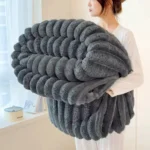 Teddy Bear Blanket
 Sheets
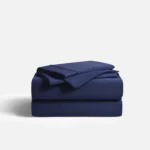 SuperCool+ Starter Sheet Set
 SuperCool+ Flat Sheet
 SuperCool+ Fitted Sheet
 Pillowcases
 SuperCool+ Pillowcases
 Cooling Silk Pillowcase
 Mattress Protectors
 Quilted Mattress Protector
 Waterproof Mattress Protector
 Floor Mats

Are Silk Pillowcases Worth It?

What Makes Silk Pillowcases Different
Silk pillowcases differ from cotton and synthetic options in their fiber structure and surface properties. Mulberry silk, the most common type used for bedding, comes from silkworms that feed exclusively on mulberry leaves. These worms produce long, smooth protein fibers that manufacturers weave into fabric.
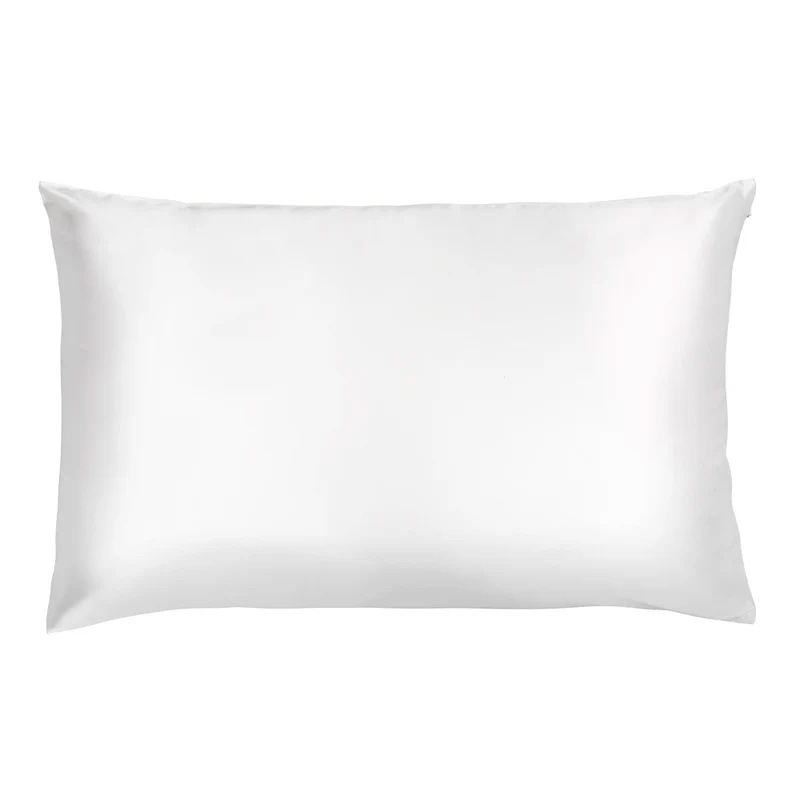
Your pillow shouldn’t steal your glow while you sleep. The lululinens LUXY LU 100% Mulberry Silk Pillowcase reduces friction, minimizes sleep creases, and keeps hair frizz-free. Pure mulberry silk offers temperature-regulating softness that’s hypoallergenic and gentle. Wake up looking as rested as you feel.
The surface of silk creates less friction than cotton. Cotton fibers have a rougher texture that can catch and pull on hair and skin during sleep. Silk’s smooth surface allows your head to glide across the pillowcase without resistance.
Momme weight measures silk density and quality. Most silk pillowcases range from 19 to 25 momme. Higher momme numbers indicate thicker, more durable fabric. A 22-momme pillowcase offers a good balance between durability and softness.
The Science Behind Silk’s Skin Benefits
Silk pillowcases help maintain skin hydration better than cotton alternatives. Cotton absorbs moisture from your skin and hair throughout the night. Studies show that cotton can absorb up to 27 times its weight in water. Silk absorbs significantly less moisture, which means your skincare products and natural oils stay on your face instead of soaking into your pillowcase.
The reduced friction between silk and skin may minimize sleep lines and wrinkles. Dermatologists note that repetitive compression and friction from pillowcases contribute to permanent wrinkle formation over time. Silk’s slippery surface reduces this mechanical stress on facial skin.
Silk contains natural proteins and amino acids that some researchers believe benefit skin health. Sericin, a protein found in silk, has properties that may help skin retain moisture. However, the amount of sericin that transfers from pillowcase to skin remains minimal.
Temperature regulation is another key benefit. Silk naturally wicks moisture away from the body while maintaining a comfortable temperature. The fabric keeps you cooler in summer and warmer in winter compared to synthetic materials.
How Silk Pillowcases Protect Your Hair
Hair damage from friction occurs every time you move your head during sleep. Cotton pillowcases create significant friction that can roughen the hair cuticle and cause breakage. Silk reduces this friction by up to 43% compared to cotton, based on laboratory friction tests.
Hair stylists recommend silk pillowcases for these specific benefits:
- Reduces frizz: Smooth surface prevents static and flyaways
- Maintains hairstyles: Blowouts and curls last longer
- Prevents breakage: Less tension on hair shafts during movement
- Protects hair treatments: Chemical treatments and color stay intact longer
- Reduces split ends: Less mechanical damage to hair tips
People with curly, textured, or chemically treated hair see the most dramatic improvements. The reduced friction helps maintain curl patterns and prevents the tangles that lead to breakage during detangling.
Silk vs. Other Pillowcase Materials: A Direct Comparison
| Feature | Silk | Cotton | Satin (Polyester) | Bamboo |
|---|---|---|---|---|
| Moisture Absorption | Low | High | Low | Medium |
| Friction Level | Very Low | High | Low | Medium |
| Temperature Control | Excellent | Good | Poor | Good |
| Durability | 2-3 years | 3-5 years | 1-2 years | 2-4 years |
| Price Range | $40-$100 | $10-$30 | $15-$35 | $25-$50 |
| Maintenance Difficulty | High | Low | Low | Medium |
Satin pillowcases provide similar friction reduction to silk but lack breathability. Polyester satin traps heat and doesn’t absorb any moisture, which can lead to sweating during sleep. Satin offers a budget-friendly alternative but delivers inferior temperature regulation.
Bamboo pillowcases offer good moisture-wicking properties and sustainability benefits. They feel softer than cotton but don’t match silk’s friction reduction. Bamboo provides a middle ground between cotton and silk in both price and performance.
The Real Costs: Initial Investment and Long-Term Value
A quality silk pillowcase costs between $40 and $100 for a standard size. Premium options from specialty retailers can exceed $150. This price reflects several factors:
- Raw material costs: Silk production requires significant labor and time
- Manufacturing process: Hand-finishing and quality control add expenses
- Momme weight: Higher-quality silk costs more to produce
- Certifications: OEKO-TEX and other safety certifications increase prices
The lifespan of a silk pillowcase depends on care and quality. A well-maintained 22-momme pillowcase lasts approximately 2 to 3 years with regular use. This translates to roughly $0.04 to $0.14 per night for a $50 pillowcase.
Budget considerations should include hidden costs:
- Gentle detergent designed for silk: $10-$15 per bottle
- Potential dry cleaning costs: $5-$10 per cleaning
- Replacement frequency: Every 2-3 years versus 3-5 years for cotton
Who Benefits Most from Silk Pillowcases
Certain groups see more noticeable improvements from switching to silk:
People with sensitive skin experience reduced irritation. The hypoallergenic properties of silk make it less likely to harbor dust mites and allergens. Dermatologists often recommend silk for patients with eczema or rosacea.
Hair extension wearers preserve their investment longer. Extensions cost hundreds or thousands of dollars, and silk pillowcases reduce tangling and shedding that shortens extension lifespan.
Side and stomach sleepers create more friction against their pillows than back sleepers. These sleeping positions generate more movement and pressure, making friction reduction more valuable.
People with acne-prone skin may see improvements. Silk’s moisture-wicking properties help keep skin drier, which can reduce acne bacteria growth. The fabric also requires less frequent washing than cotton, reducing exposure to detergent residue.
Older adults concerned about wrinkle prevention benefit from reduced mechanical stress on facial skin during sleep. While silk won’t reverse existing wrinkles, it can slow the formation of new sleep lines.
Your pillow shouldn’t steal your glow while you sleep. The lululinens LUXY LU 100% Mulberry Silk Pillowcase reduces friction, minimizes sleep creases, and keeps hair frizz-free. Pure mulberry silk offers temperature-regulating softness that’s hypoallergenic and gentle. Wake up looking as rested as you feel.
Proper Care and Maintenance Requirements
Silk pillowcases require more careful maintenance than cotton alternatives. Follow these specific care instructions:
Washing frequency: Clean silk pillowcases every 7 to 10 days. Less frequent washing than cotton is acceptable because silk naturally resists bacteria and odors.
Washing method: Hand wash in cool water with pH-neutral detergent. If machine washing, use a mesh laundry bag and select the delicate cycle with cold water. Never use hot water, which damages silk fibers.
Drying process: Air dry silk pillowcases flat or hanging. Never use a machine dryer, as heat causes silk to shrink and lose its smooth texture. Keep silk away from direct sunlight during drying to prevent color fading.
Ironing needs: Iron silk on the lowest heat setting while the fabric is still slightly damp. Place a thin cloth between the iron and silk to prevent scorching. Many users skip ironing entirely, as silk naturally resists wrinkles.
Storage tips: Store silk pillowcases in a breathable cotton bag in a cool, dry place. Avoid plastic storage containers that trap moisture and can cause mildew.
Common Quality Issues and Red Flags
Not all silk pillowcases deliver the same quality. Watch for these warning signs:
Low momme weight: Pillowcases under 19 momme feel thin and tear easily. These products won’t last more than a few months with regular use.
Mixed materials: Some manufacturers blend silk with polyester to reduce costs. Check labels carefully for 100% silk content. Blended fabrics don’t provide the same friction reduction or temperature benefits.
Poor stitching: Examine seams and hems before purchase. Loose threads and uneven stitching indicate low manufacturing standards. Quality silk pillowcases feature hidden zipper closures that prevent damage to hair and skin.
Color bleeding: Cheap dyes leach onto skin and bedding during the first few washes. Look for colorfast guarantees and read reviews about dye stability.
Strong chemical smell: High-quality silk should have little to no odor. Strong chemical smells indicate harsh processing methods that may irritate sensitive skin.
Making Your Decision: A Practical Framework
Evaluate whether silk pillowcases suit your needs using this decision framework:
Step 1: Calculate your annual bedding budget. Silk pillowcases represent a 3-4x investment over cotton options. Determine if this fits your spending priorities.
Step 2: Assess your primary concerns. Rank these factors: hair health, skin care, sleep comfort, durability, maintenance effort, environmental impact.
Step 3: Consider your sleeping habits. Side sleepers and people who move frequently during sleep gain more benefits than stationary back sleepers.
Step 4: Evaluate your maintenance capacity. Silk requires hand washing or delicate machine cycles. People who prefer low-maintenance bedding should consider alternatives.
Step 5: Start with one pillowcase. Test silk for 30 days before buying additional pieces. Most retailers offer return policies for unsatisfied customers.
The Bottom Line on Value and Results
Silk pillowcases deliver measurable benefits for hair and skin health. The friction reduction is real and scientifically documented. Temperature regulation and moisture retention provide tangible improvements to sleep quality.
The investment makes sense for people who:
- Spend significant money on hair care and styling
- Use expensive skincare products they want to keep on their skin
- Have sensitive skin conditions that worsen with cotton
- Value sleep comfort and temperature control
- Can commit to proper care and maintenance
Silk pillowcases may not be worth the cost for people who:
- Prefer low-maintenance bedding
- Sleep exclusively on their backs with minimal movement
- Have budget constraints that make $50-$100 per pillowcase prohibitive
- Already achieve satisfactory results with standard cotton pillowcases
The key question is whether the benefits justify the 3-4x cost premium over quality cotton. For many users, the answer depends on personal priorities rather than universal value. Silk pillowcases work as advertised, but their worth varies based on individual circumstances, budget, and goals.
Test a single pillowcase before committing to a full bedding transformation. Your personal results after 30 days will provide more insight than any general recommendation can offer.
Your pillow shouldn’t steal your glow while you sleep. The lululinens LUXY LU 100% Mulberry Silk Pillowcase reduces friction, minimizes sleep creases, and keeps hair frizz-free. Pure mulberry silk offers temperature-regulating softness that’s hypoallergenic and gentle. Wake up looking as rested as you feel.