 Comforters
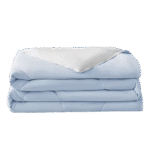 SuperCool Comforter
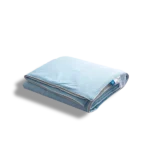 SuperCool Light Comforter
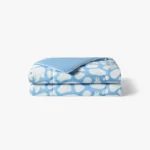 SuperCool Kids Comforter
 Blankets
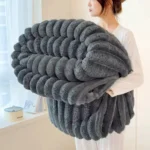 Teddy Bear Blanket
 Sheets
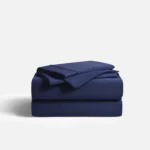 SuperCool+ Starter Sheet Set
 SuperCool+ Flat Sheet
 SuperCool+ Fitted Sheet
 Pillowcases
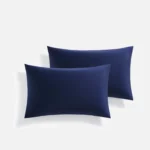 SuperCool+ Pillowcases
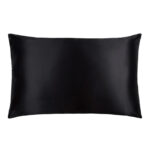 Cooling Silk Pillowcase
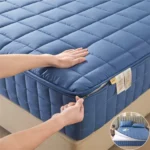 Mattress Protectors
 Quilted Mattress Protector
 Waterproof Mattress Protector
 Floor Mats

Are Silk Pillowcases Machine Washable?

Understanding Silk Fabric and Machine Washing
Yes, most silk pillowcases are machine washable. The key lies in understanding the specific type of silk and following proper washing protocols. Mulberry silk, the most common variety in luxury bedding, tolerates machine washing well with correct settings.
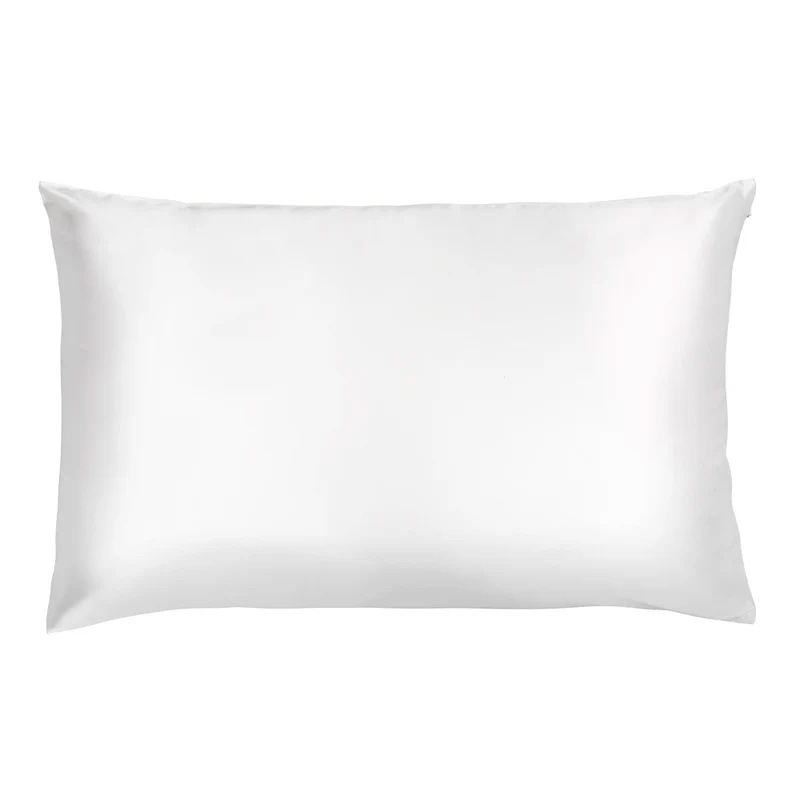
Your pillow shouldn’t steal your glow while you sleep. The lululinens LUXY LU 100% Mulberry Silk Pillowcase reduces friction, minimizes sleep creases, and keeps hair frizz-free. Pure mulberry silk offers temperature-regulating softness that’s hypoallergenic and gentle. Wake up looking as rested as you feel.
Silk fibers contain protein structures similar to human hair. These proteins break down under harsh conditions. Heat, agitation, and alkaline detergents damage the molecular bonds that give silk its smooth texture. Machine washing works only when you control these variables.
Modern silk pillowcases often include reinforced stitching and tighter weaves. Manufacturers design these products for home laundering. The momme weight indicates silk thickness. Higher momme counts (19-25) withstand machine washing better than lighter fabrics.
Historical Context of Silk Care
Traditional silk care methods developed in ancient China. Artisans hand-washed delicate silk garments in cool water with mild plant-based soaps. This process preserved the fabric’s integrity for generations.
The industrial revolution brought washing machines to households in the early 1900s. Early machines used aggressive agitation that destroyed silk fibers. Silk items required professional dry cleaning or careful hand washing.
Technology advanced significantly in the 1980s and 1990s. Manufacturers introduced delicate cycles with reduced spin speeds. Front-loading machines arrived with gentler drum movements. These innovations made home laundering of silk possible.
Today’s washing machines include specialized silk settings. Temperature controls maintain water below 30°C (86°F). Programmable cycles limit agitation time and intensity.
Technical Specifications for Machine Washing Silk
Water Temperature Requirements
Cold water protects silk fibers. Set your machine to 30°C (86°F) or below. Hot water causes immediate protein degradation. The fiber structure contracts and loses its characteristic smoothness.
Most machines offer temperature presets:
- Cold: 15-20°C (59-68°F)
- Cool: 20-25°C (68-77°F)
- Warm: 30-35°C (86-95°F)
Choose the cold or cool setting exclusively for silk.
Cycle Selection
The delicate cycle provides appropriate conditions for silk. This setting reduces the following:
- Drum rotation speed
- Agitation duration
- Spin cycle intensity
- Water pressure during rinse
Standard cycles operate at 800-1200 RPM during spinning. Delicate cycles limit speed to 400-600 RPM. This reduction prevents fabric stress and tearing.
Detergent Chemistry
Standard laundry detergents contain enzymes and alkaline compounds. These ingredients target protein-based stains but also attack silk proteins. You need pH-neutral or slightly acidic formulas.
Acceptable detergent types include:
- Silk-specific detergents (pH 5.5-7.0)
- Baby shampoo or mild hair conditioner
- Wool and cashmere wash products
- pH-neutral liquid detergents
Avoid these products:
- Bleach (destroys color and fibers)
- Fabric softeners (leave residue)
- Heavy-duty detergents (too alkaline)
- Powder detergents (may not dissolve fully)
Use one tablespoon of detergent per pillowcase. Excess soap leaves buildup that attracts dirt.
Step-by-Step Machine Washing Process
Pre-Wash Preparation
Check the care label first. Some manufacturers recommend hand washing only. Remove the pillowcase from your pillow. Close any zippers or fasteners to prevent snagging.
Turn the pillowcase inside out. This protects the outer surface from direct friction against the drum. Place the item in a mesh laundry bag. The bag adds a protective barrier during washing.
Loading the Machine
Never wash silk alone in a large load. The item needs water and space to move freely. Wash silk pillowcases with other delicate items of similar colors. Dark colors should wash separately from light colors.
Fill the machine one-third to one-half full. Overloading creates excessive friction. Underloading causes items to bunch and twist.
Washing Settings Configuration
Set your machine using these parameters:
- Temperature: Cold (30°C/86°F maximum)
- Cycle: Delicate or Hand Wash
- Spin Speed: Low (400-600 RPM)
- Extra Rinse: Yes (removes detergent residue)
Add detergent directly to the dispenser drawer. Pour it before loading clothes. This ensures proper dilution.
Start the cycle. The complete wash takes 30-45 minutes for most delicate programs.
Post-Wash Handling
Remove pillowcases immediately after the cycle ends. Leaving silk in a damp drum promotes mildew growth and wrinkles. Shake out each pillowcase gently to release folds.
Drying Methods and Best Practices
Machine drying damages silk permanently. High heat melts protein fibers and causes irreversible shrinkage. Air drying preserves the fabric’s structure and appearance.
Air Drying Technique
Lay the pillowcase flat on a clean, dry towel. Roll the towel with the pillowcase inside. Press gently to absorb excess water. Unroll and transfer to a fresh, dry towel.
Reshape the pillowcase to its original dimensions. Smooth out wrinkles with your hands. Lay flat on a drying rack away from direct sunlight. Ultraviolet rays fade colors and weaken fibers.
Drying time ranges from 3-8 hours depending on humidity levels. The fabric should feel cool and dry to the touch before use.
Alternative Drying Options
Hang the pillowcase on a padded hanger in a well-ventilated area. Avoid clothespins, which leave marks. A bathroom with a fan works well.
Never place silk items:
- In direct sunlight
- Near heating vents
- On radiators
- In tumble dryers
Your pillow shouldn’t steal your glow while you sleep. The lululinens LUXY LU 100% Mulberry Silk Pillowcase reduces friction, minimizes sleep creases, and keeps hair frizz-free. Pure mulberry silk offers temperature-regulating softness that’s hypoallergenic and gentle. Wake up looking as rested as you feel.
Frequency and Maintenance Schedule
Wash silk pillowcases every 7-10 days under normal use. This schedule maintains hygiene without excessive wear. Frequent washing shortens the fabric’s lifespan.
Factors that increase washing frequency:
- Oily skin or hair products
- Acne-prone skin
- Humid climates
- Makeup application before bed
Factors that decrease washing frequency:
- Showering before bed
- Minimal product use
- Dry climate conditions
- Protective hair covering
Between washes, air out pillowcases daily. Remove them from pillows each morning. This practice reduces moisture buildup and extends time between laundry cycles.
Comparison: Machine Washing vs. Hand Washing vs. Dry Cleaning
| Method | Cost | Time Required | Fabric Safety | Convenience | Environmental Impact |
|---|---|---|---|---|---|
| Machine Washing | Low ($0.50) | 30-45 min | Safe with proper settings | High | Low water/energy use |
| Hand Washing | Very Low ($0.10) | 15-20 min | Safest option | Medium | Minimal resources |
| Dry Cleaning | High ($8-15) | 2-3 days | Safe but uses chemicals | Low | Chemical waste concerns |
Machine washing offers the best balance of convenience and cost for regular maintenance. Hand washing provides maximum safety for heirloom or damaged pieces. Dry cleaning serves special circumstances only.
Common Machine Washing Mistakes
Using Hot Water
Water above 30°C damages silk proteins immediately. The fabric loses luster and develops a rough texture. Shrinkage occurs in the first hot wash. This damage cannot be reversed.
Overloading the Machine
Too many items create excessive friction. Silk rubs against itself and other fabrics. This abrasion causes pilling, thinning, and tears. The fabric loses its smooth surface permanently.
Selecting Standard Cycles
Normal or heavy-duty cycles operate at high speeds. The aggressive agitation tears delicate silk fibers. The fabric stretches out of shape or develops holes.
Using Wrong Detergents
Alkaline detergents dissolve the proteins that form silk. The fabric becomes weak and brittle. Colors fade rapidly. The characteristic sheen disappears.
Forgetting the Mesh Bag
Direct contact with the drum causes snags and pulls. Metal components scratch the fabric surface. Zippers and hooks from other garments catch on silk threads.
Troubleshooting Washing Problems
Wrinkles After Washing
Silk wrinkles easily when bunched. Remove items promptly after the cycle. Smooth with hands while damp. Iron on the lowest setting with a pressing cloth if needed.
Color Fading
Excessive detergent or hot water causes fading. Reduce detergent amount to one tablespoon. Verify water temperature stays at 30°C or below. Wash dark colors separately.
Rough Texture
Hard water leaves mineral deposits on silk. Add white vinegar (one tablespoon) to the rinse cycle. The acid neutralizes mineral buildup. Use distilled water in hard water areas.
Shrinkage
Heat exposure causes irreversible shrinkage. Verify temperature settings before each wash. Check that your machine’s cold setting actually delivers cold water. Some machines mix in hot water even on cold settings.
Special Considerations for Different Silk Types
Charmeuse silk has a satin weave with a shiny face. This type requires extra care. The smooth surface shows water spots easily. Use distilled water for washing.
Habotai silk features a plain weave and matte finish. This durable variety tolerates machine washing well. It resists snagging better than charmeuse.
Dupioni silk has a textured surface with slubs. Hand washing suits this type better. Machine agitation can loosen the slub threads.
Raw silk contains sericin, a natural gum. This coating stiffens the fabric. Machine washing gradually removes sericin. The silk becomes softer with each wash.
Benefits of Proper Machine Washing
Clean silk pillowcases provide multiple advantages. The fabric’s natural properties remain intact with correct care. Your investment lasts for years rather than months.
Hypoallergenic properties persist through proper washing. Silk naturally resists dust mites and allergens. Clean fabric maintains this protective quality.
Temperature regulation continues when you preserve the fiber structure. Silk absorbs moisture while keeping skin cool. Damaged fibers lose this ability.
Skin and hair benefits depend on smooth silk surfaces. The fabric reduces friction that causes wrinkles and hair breakage. Properly laundered silk maintains its glide.
Conclusion
Machine washing silk pillowcases works effectively with proper technique. Use cold water, delicate cycles, and appropriate detergents. A mesh laundry bag adds protection. Air dry flat away from heat and sunlight.
This method saves money compared to dry cleaning. It takes less time than hand washing. Your silk pillowcases stay fresh and functional for years.
The process requires attention to detail. Check your machine settings before each wash. Use minimal detergent. Remove items promptly. These simple steps preserve your silk’s luxury qualities while maintaining convenience.
Your pillow shouldn’t steal your glow while you sleep. The lululinens LUXY LU 100% Mulberry Silk Pillowcase reduces friction, minimizes sleep creases, and keeps hair frizz-free. Pure mulberry silk offers temperature-regulating softness that’s hypoallergenic and gentle. Wake up looking as rested as you feel.