 Comforters
 SuperCool Comforter
 SuperCool Light Comforter
 SuperCool Kids Comforter
 Blankets
 Teddy Bear Blanket
 Sheets
 SuperCool+ Starter Sheet Set
 SuperCool+ Flat Sheet
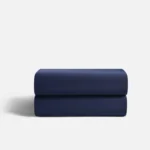 SuperCool+ Fitted Sheet
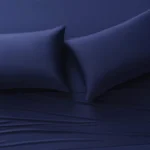 Pillowcases
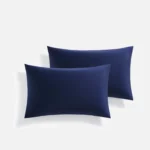 SuperCool+ Pillowcases
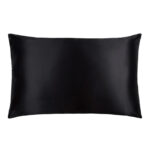 Cooling Silk Pillowcase
 Mattress Protectors
 Quilted Mattress Protector
 Waterproof Mattress Protector
 Floor Mats

Are Silk Pillowcases Hot?

Understanding Silk’s Temperature Properties
Silk pillowcases regulate temperature naturally. The material does not trap heat like synthetic fabrics. Your body temperature stays balanced through the night.
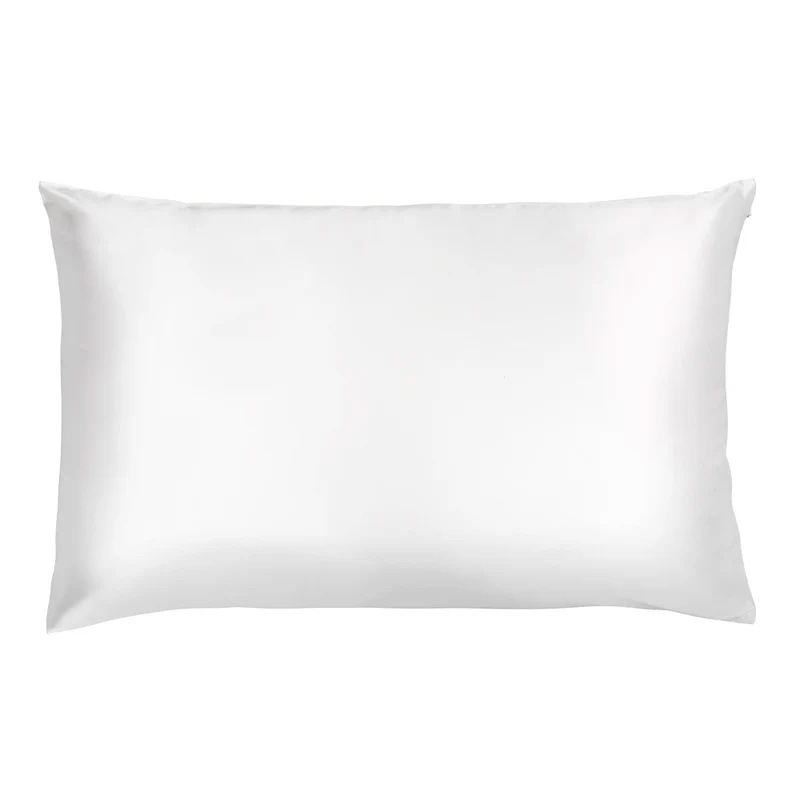
Your pillow shouldn’t steal your glow while you sleep. The lululinens LUXY LU 100% Mulberry Silk Pillowcase reduces friction, minimizes sleep creases, and keeps hair frizz-free. Pure mulberry silk offers temperature-regulating softness that’s hypoallergenic and gentle. Wake up looking as rested as you feel.
Silk fibers contain natural proteins that breathe. Air flows between the microscopic gaps in the weave. This airflow prevents heat accumulation against your skin.
The fabric responds to your body’s needs. During warm nights, silk wicks moisture away from your face. During cold nights, the material provides a thin layer of insulation. This dual function makes silk ideal for year-round comfort.
Scientific studies show silk maintains a neutral temperature zone. The material stays cool to the touch initially. It adjusts to match your skin temperature within minutes. This adaptation happens faster than cotton or polyester alternatives.
The Science Behind Silk Temperature Regulation
Protein structure determines how silk manages heat. The fibroin proteins form a triangular prism shape at the microscopic level. These prisms reflect light and allow air circulation simultaneously.
Natural silk contains 18 amino acids. These organic compounds absorb and release moisture without feeling damp. Your perspiration evaporates quickly instead of soaking into the fabric.
The material’s density plays a crucial role. High-quality silk pillowcases use 19-25 momme weight. This measurement indicates thread count and fabric thickness. Higher momme ratings provide better temperature control.
Thermal conductivity in silk remains low. Heat transfers slowly through the fabric. Your pillow stays comfortable even when the ambient temperature fluctuates. This property prevents the hot-spot sensation common with synthetic materials.
Historical Use of Silk for Sleep Comfort
Ancient Chinese royalty used silk bedding for over 5,000 years. They discovered the fabric’s cooling properties during hot summers. Historical records show silk production began around 3000 BCE in the Yangshao culture.
The Silk Road trade routes spread these textiles across Asia and Europe. Wealthy families in ancient Rome paid premium prices for silk bedding. They valued the material’s ability to provide comfort in Mediterranean climates.
Japanese nobility adopted silk pillows during the Heian period (794-1185 CE). They noticed reduced facial sweating compared to hemp or cotton alternatives. This observation led to silk becoming a beauty secret among aristocratic women.
European monarchs embraced silk bedding during the Renaissance. French and Italian textile makers developed new weaving techniques. These innovations improved the fabric’s breathability and cooling effects.
Comparing Silk to Other Pillowcase Materials
| Material | Heat Retention | Moisture Wicking | Breathability | Temperature Feel |
|---|---|---|---|---|
| Silk | Low | Excellent | Excellent | Cool to neutral |
| Cotton | Medium | Good | Good | Slightly warm |
| Satin (Polyester) | High | Poor | Poor | Hot |
| Linen | Low | Good | Excellent | Cool |
| Bamboo | Medium | Very Good | Good | Cool to neutral |
Cotton pillowcases absorb moisture but retain it longer. The fabric feels warmer after several hours of use. Cotton requires higher thread counts to match silk’s smoothness.
Polyester satin mimics silk’s appearance but traps heat. The synthetic fibers block airflow. Your face may feel sticky or overheated during sleep. This material works better in cold climates only.
Linen pillowcases provide excellent cooling properties. The texture remains rougher than silk. Some people find linen scratchy against sensitive facial skin. The material wrinkles more easily than silk.
Bamboo fabric offers good temperature regulation. The material costs less than silk. Bamboo lacks the protein benefits and natural sheen of genuine silk.
Benefits of Silk Pillowcases for Hot Sleepers
People who overheat at night gain significant advantages from silk. The fabric prevents facial flushing and night sweats. Your skin stays dry throughout sleep cycles.
Moisture management improves dramatically with silk. The material absorbs up to 30% of its weight in moisture. This absorption happens without the fabric feeling wet or clammy.
Hair benefits from silk’s temperature control. Excessive heat causes frizz and breakage. Silk pillowcases keep your scalp cooler. This reduces oil production and maintains hairstyle integrity.
Facial skin reacts positively to cooler sleeping surfaces. Reduced heat exposure minimizes inflammation. Acne-prone skin experiences fewer breakouts. The smooth surface also prevents sleep creases and wrinkles.
People with conditions like rosacea or eczema notice improvements. The cool surface soothes inflamed skin. The hypoallergenic properties reduce irritation triggers.
Choosing the Right Silk Pillowcase Weight
Momme weight determines the fabric’s density and performance. Lower momme counts (16-19) feel lighter but may trap slightly more heat. Higher counts (22-25) provide superior temperature regulation.
A 22-momme silk pillowcase offers the best balance. This weight maintains coolness while providing durability. The fabric lasts longer without losing its temperature-regulating properties.
Summer sleepers should consider 19-momme options. The lighter weight maximizes airflow. Winter sleepers prefer 25-momme for gentle warmth without overheating.
Weave type affects temperature control. Charmeuse weave creates the smoothest surface. This weave pattern enhances cooling properties. Habotai weave costs less but provides adequate temperature regulation.
Check the thread count alongside momme weight. Higher thread counts create tighter weaves. This density improves moisture wicking without sacrificing breathability.
Proper Care for Maximum Cooling Performance
Silk pillowcases require specific washing methods to maintain temperature properties. Hand washing preserves the fabric’s structure best. Cold water protects the protein fibers from damage.
Use pH-neutral detergents designed for silk. Harsh chemicals break down amino acids. This degradation reduces the material’s cooling abilities over time.
Washing steps:
- Fill a basin with cold water
- Add one tablespoon of silk-specific detergent
- Submerge the pillowcase completely
- Gently agitate for 3-5 minutes
- Rinse thoroughly with cold water
- Press out excess water without wringing
- Lay flat on a towel to dry
Never use bleach or fabric softeners. These products coat the fibers and block airflow. The pillowcase loses its natural temperature-regulating abilities.
Air drying maintains the fabric’s cooling properties. Direct sunlight damages silk proteins. Hang the pillowcase in a shaded area with good air circulation.
Iron on low heat if needed. High temperatures can scorch the fibers. A slightly wrinkled pillowcase still functions properly for temperature control.
Your pillow shouldn’t steal your glow while you sleep. The lululinens LUXY LU 100% Mulberry Silk Pillowcase reduces friction, minimizes sleep creases, and keeps hair frizz-free. Pure mulberry silk offers temperature-regulating softness that’s hypoallergenic and gentle. Wake up looking as rested as you feel.
Common Misconceptions About Silk and Heat
Many people assume all luxury fabrics trap heat. This belief stems from experience with polyester satin. Genuine silk behaves completely differently from synthetic alternatives.
Myth: Silk is only for winter bedding. Reality: Silk regulates temperature in all seasons.
Myth: Thicker fabrics always feel warmer. Reality: Silk’s protein structure provides cooling despite its density.
Myth: Satin and silk are the same material. Reality: Satin describes a weave pattern; silk describes the fiber source.
Myth: Silk pillowcases require heated rooms. Reality: Silk adapts to ambient temperatures automatically.
Some consumers confuse silk weight with warmth. A heavier momme count does not equal a hotter sleeping surface. The additional density improves durability and moisture wicking.
Environmental Factors That Affect Silk Performance
Room humidity influences how silk pillowcases feel. High humidity environments benefit most from silk’s moisture-wicking abilities. The fabric prevents that sticky sensation on hot, humid nights.
Air conditioning enhances silk’s cooling properties. The dry, cool air combines with silk’s natural breathability. Your face stays comfortable at optimal temperatures.
Fan placement matters for silk performance. Direct airflow over the pillow maximizes cooling effects. The moving air helps moisture evaporate faster from the fabric surface.
Pillow fill material impacts overall temperature. Memory foam pillows retain more heat than down alternatives. Pair silk pillowcases with gel-infused or ventilated pillows for maximum cooling.
Bedroom temperature settings affect silk differently than other fabrics. Silk performs well between 60-75°F (15-24°C). The material adapts to maintain comfort within this range.
Selecting Quality Silk Pillowcases for Temperature Control
Grade ratings indicate silk quality. Grade 6A represents the highest quality available. These pillowcases provide the best temperature regulation. Lower grades contain imperfections that may affect cooling performance.
Check for 100% mulberry silk certification. This designation guarantees pure silk fibers. Blended fabrics compromise the temperature-regulating benefits.
Zipper quality matters for longevity. Hidden zippers prevent snagging and maintain the smooth surface. The closure should feel secure without adding bulk.
Color affects temperature minimally. Darker colors absorb slightly more heat from sunlight exposure. This difference becomes negligible during actual sleep hours.
Price reflects quality in silk products. Authentic high-grade silk pillowcases cost $30-80 each. Suspiciously cheap options likely contain synthetic blends or lower-grade silk.
Making the Switch to Silk Pillowcases
Start with one pillowcase to test your response. Most people notice immediate cooling benefits. Your skin and hair adapt within the first week.
Replace traditional pillowcases gradually if budget limits exist. The investment pays returns through better sleep quality. Reduced night sweats lead to fewer sleep disruptions.
Adjustment period lasts 3-5 nights typically. Your body becomes accustomed to the cooler surface temperature. Some people experience slight initial coolness that normalizes quickly.
Combine silk pillowcases with other cooling strategies. Use breathable sheets and appropriate blankets. This holistic approach maximizes temperature comfort.
Track your sleep quality before and after switching. Note any changes in night sweats or heat discomfort. Most hot sleepers report significant improvements within two weeks.
Final Verdict on Silk Pillowcases and Heat
Silk pillowcases do not make you hot. The material actively prevents overheating through natural temperature regulation. Your face stays cooler than with cotton, polyester, or other common fabrics.
The investment in quality silk bedding delivers measurable comfort improvements. Hot sleepers gain the most benefit from switching to silk. The fabric’s unique properties address heat retention at the source.
Scientific evidence supports silk’s cooling capabilities. The protein structure, breathability, and moisture-wicking properties work together. These factors create an optimal sleeping surface for temperature control.
Choose silk pillowcases based on momme weight and quality grade. Proper care maintains the cooling properties for years. Your sleep quality improves through consistent temperature comfort.
Your pillow shouldn’t steal your glow while you sleep. The lululinens LUXY LU 100% Mulberry Silk Pillowcase reduces friction, minimizes sleep creases, and keeps hair frizz-free. Pure mulberry silk offers temperature-regulating softness that’s hypoallergenic and gentle. Wake up looking as rested as you feel.