 Comforters
 SuperCool Comforter
 SuperCool Light Comforter
 SuperCool Kids Comforter
 Blankets
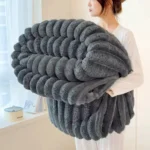 Teddy Bear Blanket
 Sheets
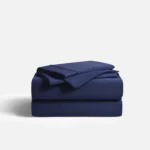 SuperCool+ Starter Sheet Set
 SuperCool+ Flat Sheet
 SuperCool+ Fitted Sheet
 Pillowcases
 SuperCool+ Pillowcases
 Cooling Silk Pillowcase
 Mattress Protectors
 Quilted Mattress Protector
 Waterproof Mattress Protector
 Floor Mats

Are Silk Pillowcases Good for Acne?

How Silk Pillowcases Help Reduce Acne
Silk pillowcases offer real benefits for acne-prone skin. The smooth surface of mulberry silk creates less friction against your face during sleep. This reduced friction means less irritation to existing acne and fewer opportunities for inflammation.
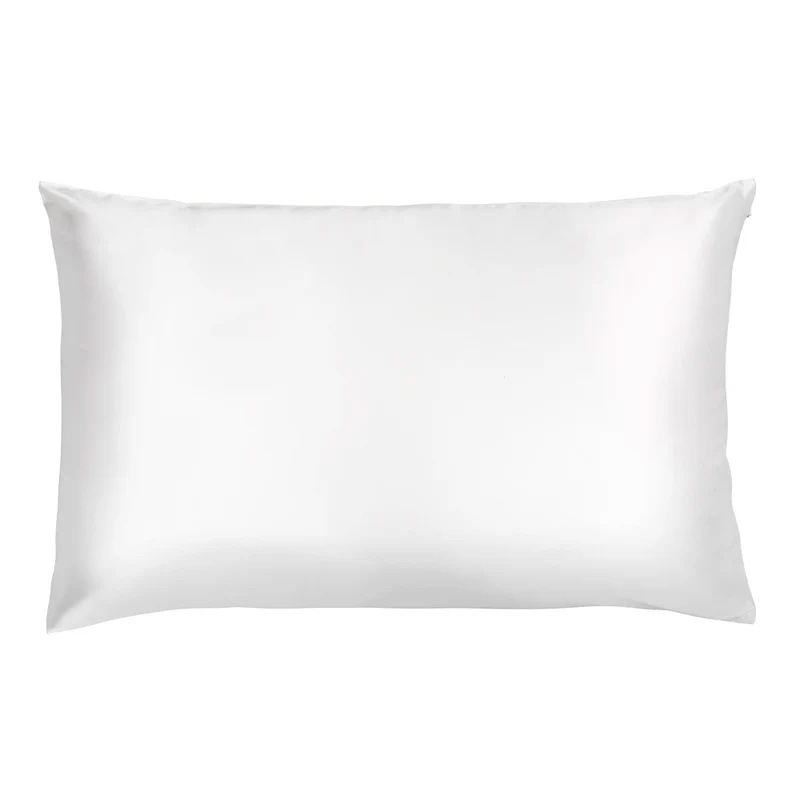
Your pillow shouldn’t steal your glow while you sleep. The lululinens LUXY LU 100% Mulberry Silk Pillowcase reduces friction, minimizes sleep creases, and keeps hair frizz-free. Pure mulberry silk offers temperature-regulating softness that’s hypoallergenic and gentle. Wake up looking as rested as you feel.
Cotton pillowcases absorb moisture from your skin throughout the night. This absorption strips away natural oils and can cause your skin to overproduce sebum as compensation. Silk maintains a better moisture balance. The protein-based fibers in silk contain 18 amino acids that help skin retain hydration without drawing moisture away.
Bacteria accumulation is a primary cause of acne breakouts. Silk has natural antimicrobial properties that inhibit bacterial growth. Studies show that silk fibers resist bacteria better than cotton or synthetic materials. Your face spends 6-8 hours pressed against your pillowcase each night. A surface that naturally fights bacteria reduces your exposure to acne-causing microorganisms.
The Science Behind Silk and Skin Health
Material Composition
Mulberry silk comes from silkworms that feed exclusively on mulberry leaves. This controlled diet produces the highest quality silk fibers. The fibers are smooth, long, and uniform. Lower quality silk varieties include tussah silk and wild silk, which have rougher textures.
Silk consists of two main proteins:
- Fibroin – The structural core that provides strength
- Sericin – The outer coating that contains beneficial amino acids
The momme weight measures silk density. Higher momme numbers indicate heavier, more durable silk. For pillowcases, 19-25 momme provides the best balance of durability and comfort. Anything below 19 momme wears out quickly. Above 25 momme feels too heavy for bedding.
How Silk Differs from Cotton
| Property | Silk | Cotton |
|---|---|---|
| Moisture absorption | Retains 11% less moisture | Absorbs up to 27% of its weight |
| Friction coefficient | 0.15-0.25 | 0.40-0.60 |
| Bacterial resistance | Natural antimicrobial properties | Requires treatment for antimicrobial effects |
| Allergen accumulation | Resists dust mites | Harbors dust mites and allergens |
| pH level | 4.5-5.5 (matches skin pH) | 7.0-8.0 (neutral to alkaline) |
The friction coefficient explains why silk feels smoother. Lower numbers mean less drag across the surface. Your skin experiences significantly less mechanical stress on silk versus cotton.
Direct Benefits for Acne-Prone Skin
Reduced Skin Irritation
Acne makes skin sensitive. Every time you move during sleep, your face rubs against your pillowcase. Cotton creates drag that can rupture pimples and spread bacteria. Silk’s smooth surface lets your skin glide without catching or pulling.
This difference matters most for cystic acne and inflammatory acne. These types involve deep, painful lesions that worsen with pressure and friction. Minimizing physical irritation helps these lesions heal faster.
Better Moisture Retention
Dehydrated skin produces excess oil to compensate for moisture loss. This creates a cycle where dry skin leads to oily skin, which clogs pores and causes breakouts. Silk breaks this cycle by maintaining your skin’s natural moisture balance.
Your nighttime skincare products stay on your face instead of soaking into your pillowcase. Retinoids, benzoyl peroxide, and salicylic acid treatments work better when they remain on your skin. Cotton absorbs these products, reducing their effectiveness.
Lower Bacterial Exposure
Propionibacterium acnes (P. acnes) is the bacteria primarily responsible for acne. This bacteria thrives in warm, moist environments with plenty of dead skin cells and oil. Cotton pillowcases provide ideal conditions for bacterial growth.
Silk’s natural properties create a hostile environment for bacteria:
- Lower moisture retention limits bacterial reproduction
- Smooth surface prevents dead skin cell accumulation
- Natural amino acids have antimicrobial effects
You should still wash silk pillowcases regularly. The antimicrobial properties slow bacterial growth but don’t eliminate the need for cleaning.
Historical Context of Silk Use
Chinese silk production began around 3000 BCE. Empress Si Ling-Chi discovered silk when a cocoon fell into her tea. The hot liquid loosened the silk fibers, revealing their unique properties. China kept silk production methods secret for thousands of years.
Silk reached Europe via the Silk Road around 300 BCE. Romans valued silk so highly that it cost its weight in gold. Only the wealthy could afford silk bedding and clothing.
The connection between silk and skin health has ancient roots. Chinese medicine practitioners recommended silk for skin conditions as early as 1000 CE. They observed that silk bedding reduced skin irritation and improved complexion.
Modern dermatology validates these historical observations. Research from the 1990s onward has documented silk’s benefits for sensitive skin conditions. Studies specifically examining acne and silk began appearing in dermatology journals in the early 2000s.
Choosing the Right Silk Pillowcase
Momme Weight Standards
19 momme – Minimum acceptable quality for pillowcases. Feels lightweight and may show wear after 6-12 months.
22 momme – Best value for most users. Balances durability with comfort. Lasts 2-3 years with proper care.
25 momme – Premium option. Feels substantial and luxurious. Can last 4-5 years.
Avoid pillowcases below 19 momme. They wear out quickly and don’t provide adequate benefits. Anything above 25 momme is unnecessarily heavy for pillowcases.
Thread Count and Weave
Charmeuse weave is standard for silk pillowcases. This weave creates a glossy front side and matte back side. The smooth front surface is what touches your face.
Thread count matters less for silk than cotton. Silk fibers are naturally fine and smooth. A thread count of 400-600 is standard and sufficient for quality silk pillowcases.
Grade Classification
- Grade A – Highest quality. Long, uniform fibers with minimal imperfections. This grade provides maximum benefits for acne-prone skin.
- Grade B – Acceptable quality. Some shorter fibers and minor irregularities. Still beneficial but less durable.
- Grade C and below – Avoid these grades. Inconsistent quality with rough patches that can irritate skin.
Always verify the silk grade before purchasing. Reputable sellers clearly state the grade. If a product doesn’t specify the grade, assume it’s lower quality.
Proper Care and Maintenance
Washing Instructions
Silk requires gentle cleaning to maintain its beneficial properties. Follow these steps:
- Hand wash in cold water with pH-neutral detergent
- Soak for 3-5 minutes maximum
- Gently squeeze without wringing or twisting
- Rinse thoroughly in cold water
- Roll in a towel to remove excess water
- Air dry away from direct sunlight
Machine washing works if you use a mesh bag and delicate cycle. Always use cold water and gentle detergent. Skip the spin cycle or use the lowest setting.
Washing Frequency
Wash your silk pillowcase every 3-4 days if you have active acne. This prevents oil and bacteria buildup. For maintenance after acne clears, washing weekly is sufficient.
Keep two pillowcases so you always have a clean one available. Rotate them to extend their lifespan.
Products to Avoid
Never use these on silk:
- Bleach or harsh chemicals
- Fabric softener
- Hot water above 86°F (30°C)
- Direct heat from dryers or irons
These products damage silk’s protein structure. The fibers become rough and lose their beneficial properties.
Your pillow shouldn’t steal your glow while you sleep. The lululinens LUXY LU 100% Mulberry Silk Pillowcase reduces friction, minimizes sleep creases, and keeps hair frizz-free. Pure mulberry silk offers temperature-regulating softness that’s hypoallergenic and gentle. Wake up looking as rested as you feel.
Real-World Effectiveness
What Silk Can Fix
Silk pillowcases directly address:
- Friction-related irritation
- Moisture imbalance from absorbent fabrics
- Bacterial exposure during sleep
- Creasing and pressure marks
Users typically notice reduced morning puffiness within 1-2 weeks. Existing acne lesions show less irritation. New breakouts may decrease after 4-6 weeks of consistent use.
What Silk Cannot Fix
Silk pillowcases do not cure acne. They support your skin but cannot replace proper acne treatment. You still need:
- Appropriate skincare products
- Good hygiene practices
- Balanced diet
- Stress management
- Medical treatment for severe acne
Hormonal acne, cystic acne, and severe inflammatory acne require dermatologist intervention. Silk helps but isn’t a standalone solution.
Cost-Benefit Analysis
Investment Breakdown
Quality silk pillowcases cost $30-80 depending on size and momme weight. This compares to $10-20 for premium cotton pillowcases.
Expected lifespan:
- Cotton pillowcase: 1-2 years
- Silk pillowcase (22 momme): 2-3 years
- Silk pillowcase (25 momme): 4-5 years
The per-year cost difference is minimal. A $60 silk pillowcase lasting 3 years costs $20 per year. A $15 cotton pillowcase lasting 18 months costs $10 per year.
Additional Benefits Beyond Acne
Silk pillowcases provide other advantages:
- Reduced hair friction prevents breakage and frizz
- Less facial creasing and sleep lines
- Cooler sleep surface in summer
- Hypoallergenic properties benefit sensitive skin
- Elegant appearance enhances bedroom aesthetics
These secondary benefits increase the value proposition. You’re not just addressing acne.
Making Your Selection
Choose silk pillowcases that meet these criteria:
- 100% mulberry silk – No blends or synthetic materials
- Grade A quality – Verified by the seller
- 22-25 momme weight – Optimal durability and comfort
- Hidden zipper closure – Prevents the pillowcase from slipping off
- OEKO-TEX Standard 100 certification – Ensures no harmful chemicals
Read customer reviews focusing on durability and actual skin improvements. Look for reviews from users with acne-prone skin specifically.
Verify the return policy before purchasing. Quality silk should feel smooth and cool to the touch. If it feels rough or scratchy, return it.
Start with one pillowcase to test the benefits. If you notice improvements after 4-6 weeks, invest in a second one for rotation.
Summary
Silk pillowcases help reduce acne through reduced friction, better moisture balance, and natural antimicrobial properties. The smooth surface prevents irritation to existing breakouts. The low moisture absorption maintains your skin’s hydration without stripping natural oils. Natural proteins in silk inhibit bacterial growth.
Quality matters significantly. Choose 22-25 momme mulberry silk in Grade A. Wash every 3-4 days for active acne using cold water and gentle detergent. Expect to see reduced irritation within 2 weeks and potential reduction in new breakouts after 4-6 weeks.
Silk pillowcases work best as part of a complete acne management approach. They support your skincare routine but don’t replace proper treatment. The investment pays off through both acne benefits and additional advantages for hair and overall sleep quality.
Your pillow shouldn’t steal your glow while you sleep. The lululinens LUXY LU 100% Mulberry Silk Pillowcase reduces friction, minimizes sleep creases, and keeps hair frizz-free. Pure mulberry silk offers temperature-regulating softness that’s hypoallergenic and gentle. Wake up looking as rested as you feel.