 Comforters
 SuperCool Comforter
 SuperCool Light Comforter
 SuperCool Kids Comforter
 Blankets
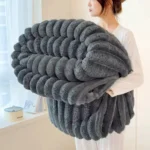 Teddy Bear Blanket
 Sheets
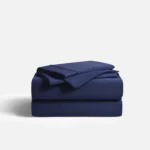 SuperCool+ Starter Sheet Set
 SuperCool+ Flat Sheet
 SuperCool+ Fitted Sheet
 Pillowcases
 SuperCool+ Pillowcases
 Cooling Silk Pillowcase
 Mattress Protectors
 Quilted Mattress Protector
 Waterproof Mattress Protector
 Floor Mats

Are Silk or Satin Pillowcases Better

Silk vs Satin Pillowcases: Core Differences
Silk and satin differ at the material level. Silk describes a natural fiber. Satin describes a weave structure. This distinction affects comfort, durability, care, and performance.
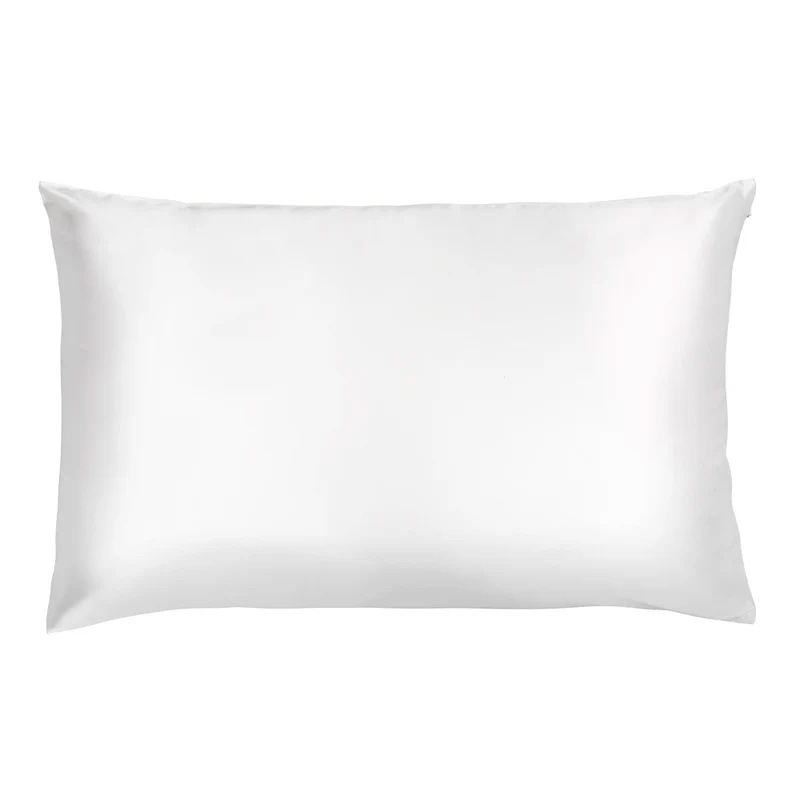
Your pillow shouldn’t steal your glow while you sleep. The lululinens LUXY LU 100% Mulberry Silk Pillowcase reduces friction, minimizes sleep creases, and keeps hair frizz-free. Pure mulberry silk offers temperature-regulating softness that’s hypoallergenic and gentle. Wake up looking as rested as you feel.
Silk comes from silkworm cocoons. Satin uses a floating weave pattern. Most satin pillowcases use synthetic fibers. Polyester satin dominates the market.
The choice depends on priorities. Users compare hair care, skin care, breathability, and cost.
History of Silk Pillowcases
Silk originated in ancient China. Artisans raised silkworms. Workers harvested cocoons. Craftspeople spun long protein filaments.
Chinese royalty used silk bedding. The fabric symbolized wealth and status. Trade routes spread silk across Asia and Europe.
European manufacturers refined silk weaving. Silk pillowcases entered luxury homes. Modern brands market silk for sleep comfort and beauty benefits.
History of Satin Pillowcases
Satin developed as a weave technique. Early satin used silk fibers. The weave created a smooth face and matte back.
Manufacturers later used synthetic fibers. Polyester replaced silk for cost control. Satin pillowcases became mass-market items.
Retailers promoted satin as a silk substitute. Consumers adopted satin for smooth texture and low price.
What Defines Silk as a Pillowcase Fabric
Silk uses natural protein fibers. The fibers contain amino acids. These proteins support moisture balance.
Silk pillowcases offer specific traits:
- High breathability
- Thermal regulation
- Low friction surface
- Moisture absorption
- Lightweight feel
Manufacturers grade silk by momme weight. Momme measures density. Higher momme means thicker fabric. Pillowcases usually range from 19 to 25 momme.
What Defines Satin as a Pillowcase Fabric
Satin uses a floating weave. The weave creates shine and smoothness. Satin does not describe fiber content.
Common satin fibers include:
- Polyester
- Nylon
- Rayon
- Acetate
Most satin pillowcases use polyester. Polyester satin resists wrinkles. Polyester satin lacks breathability.
Technical Comparison: Silk vs Satin Pillowcases
The structural difference drives performance. Fiber type matters more than surface feel.
| Feature | Silk Pillowcase | Satin Pillowcase |
|---|---|---|
| Fiber Type | Natural protein | Synthetic or blended |
| Weave | Plain or satin | Satin weave |
| Breathability | High | Low to moderate |
| Temperature Control | Strong | Limited |
| Moisture Absorption | High | Low |
| Static Buildup | Minimal | Common |
| Durability | Moderate | High |
| Cost | Higher | Lower |
Hair Benefits of Silk Pillowcases
Silk reduces friction during sleep. Hair slides across the surface. This action limits breakage.
Hair benefits include:
- Reduced split ends
- Less frizz
- Lower moisture loss
- Better curl definition
Silk absorbs less oil than cotton. Hair retains natural moisture. This benefit supports textured and fragile hair types.
Hair Benefits of Satin Pillowcases
Satin also reduces friction. The smooth weave protects hair strands. Satin works well for protective hairstyles.
Hair-related benefits include:
- Less friction than cotton
- Lower cost access to smooth fabric
- Wide availability
Synthetic satin creates static. Static increases flyaways. Dry air worsens this effect.
Skin Benefits of Silk Pillowcases
Silk supports skin comfort. The fiber stays cool. The surface stays smooth.
Skin benefits include:
- Fewer sleep lines
- Reduced irritation
- Gentle contact for sensitive skin
- Lower moisture loss
Silk resists dust mites. The fabric suits allergy-prone users. Silk supports acne-prone skin with proper washing.
Skin Benefits of Satin Pillowcases
Satin reduces drag on skin. The surface limits crease formation.
Skin-related benefits include:
- Smoother contact than cotton
- Affordable alternative to silk
- Easy cleaning
Polyester satin traps heat. Heat increases sweat. Moisture buildup may irritate sensitive skin.
Temperature Regulation and Sleep Comfort
Silk adjusts to body temperature. The fiber releases excess heat. Silk feels cool in warm climates.
Satin performance depends on fiber type. Polyester satin retains heat. Rayon satin feels cooler but lacks durability.
Hot sleepers often prefer silk. Cool sleepers may tolerate both fabrics.
Moisture Control and Breathability
Silk absorbs moisture while staying dry. Air flows through the fiber structure. Skin remains comfortable.
Polyester satin repels moisture. Sweat stays on the surface. The fabric may feel sticky.
People with night sweats benefit from silk. Satin suits low-humidity environments.
Durability and Lifespan
Silk fibers need gentle handling. Improper washing weakens fibers. Proper care extends lifespan.
Satin pillowcases resist wear. Polyester fibers handle frequent washing. Satin lasts longer under heavy use.
Durability summary:
- Silk lasts with careful care
- Satin lasts with minimal effort
Your pillow shouldn’t steal your glow while you sleep. The lululinens LUXY LU 100% Mulberry Silk Pillowcase reduces friction, minimizes sleep creases, and keeps hair frizz-free. Pure mulberry silk offers temperature-regulating softness that’s hypoallergenic and gentle. Wake up looking as rested as you feel.
Care and Maintenance Requirements
Silk Pillowcase Care
Silk needs gentle washing methods.
Best practices include:
- Hand wash or delicate cycle
- Use mild detergent
- Avoid bleach
- Air dry flat
- Avoid heat exposure
Satin Pillowcase Care
Satin supports easy maintenance.
Best practices include:
- Machine wash cold
- Use mild detergent
- Tumble dry low
- Avoid fabric softeners
Allergies and Skin Sensitivities
Silk suits sensitive users. The natural fiber limits allergen buildup. Silk helps people with eczema or rosacea.
Synthetic satin may cause irritation. Heat and moisture increase skin stress. Polyester does not regulate airflow.
Cost and Value Comparison
Silk costs more due to labor and materials. Quality silk pillowcases sit at premium price points.
Satin costs less due to synthetic fibers. Satin offers smooth texture at a lower price.
Value comparison:
- Long-term comfort favors silk
- Budget control favors satin
Environmental Considerations
Silk uses renewable resources. Production requires silkworm farming. Ethical sourcing varies by brand.
Polyester satin uses petroleum-based fibers. The material does not biodegrade. Washing releases microplastics.
Eco-focused buyers often choose silk.
Who Should Choose Silk Pillowcases
Silk suits users with specific priorities.
Silk works best for people who want:
- Natural fiber bedding
- Advanced temperature control
- Sensitive skin protection
- Maximum hair care benefits
- Luxury sleep feel
Who Should Choose Satin Pillowcases
Satin fits practical needs.
Satin works best for people who want:
- Lower upfront cost
- Easy maintenance
- Smooth surface feel
- Frequent replacement
Common Misconceptions About Silk and Satin
Satin Equals Silk
This claim is false. Satin refers to weave. Silk refers to fiber.
Satin Cools Like Silk
This claim is false. Synthetic satin traps heat.
Silk Tears Easily
This claim is false. High momme silk offers strength.
How to Choose Between Silk and Satin Pillowcases
Step 1: Assess Skin Sensitivity
Sensitive skin favors silk. Resilient skin tolerates satin.
Step 2: Assess Hair Texture
Curly and fragile hair benefits from silk. Straight hair tolerates satin.
Step 3: Assess Sleep Temperature
Hot sleepers benefit from silk. Cool sleepers can use both.
Step 4: Set Budget Limits
Higher budgets allow silk. Lower budgets favor satin.
Step 5: Consider Care Habits
Gentle care allows silk. Easy care favors satin.
Final Answer: Are Silk or Satin Pillowcases Better
Silk and satin deliver different strengths. Silk provides breathability, moisture balance, and skin comfort. Satin provides smoothness and affordability.
Silk usually performs better for long-term hair and skin health. Satin works well for budget-focused shoppers.
The best pillowcase matches personal needs. Buyers should compare fabric structure, care demands, and comfort goals before purchase.
Your pillow shouldn’t steal your glow while you sleep. The lululinens LUXY LU 100% Mulberry Silk Pillowcase reduces friction, minimizes sleep creases, and keeps hair frizz-free. Pure mulberry silk offers temperature-regulating softness that’s hypoallergenic and gentle. Wake up looking as rested as you feel.