 Comforters
 SuperCool Comforter
 SuperCool Light Comforter
 SuperCool Kids Comforter
 Blankets
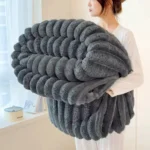 Teddy Bear Blanket
 Sheets
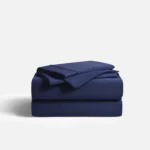 SuperCool+ Starter Sheet Set
 SuperCool+ Flat Sheet
 SuperCool+ Fitted Sheet
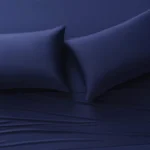 Pillowcases
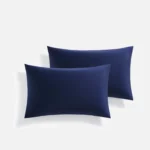 SuperCool+ Pillowcases
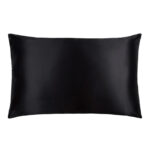 Cooling Silk Pillowcase
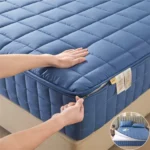 Mattress Protectors
 Quilted Mattress Protector
 Waterproof Mattress Protector
 Floor Mats

Are Satin Pillowcases Good for Your Hair?

The Science Behind Satin and Hair Health
Satin pillowcases reduce friction against your hair during sleep. This lower friction prevents breakage, split ends, and frizz that cotton pillowcases cause. The smooth surface allows hair strands to glide instead of catching and pulling.
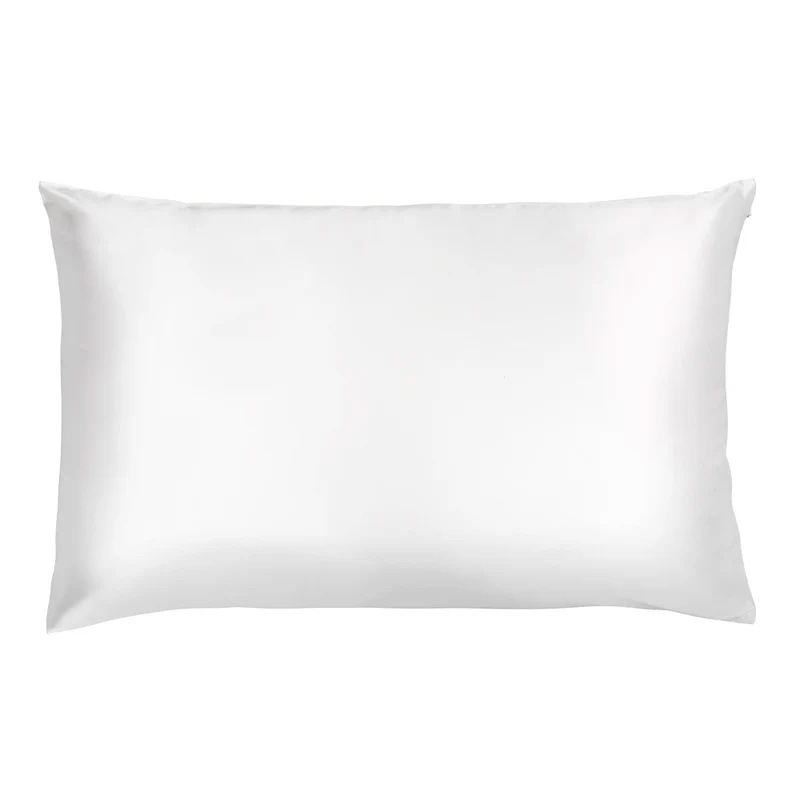
Your pillow shouldn’t steal your glow while you sleep. The lululinens LUXY LU 100% Mulberry Silk Pillowcase reduces friction, minimizes sleep creases, and keeps hair frizz-free. Pure mulberry silk offers temperature-regulating softness that’s hypoallergenic and gentle. Wake up looking as rested as you feel.
Hair cuticles are the outermost layer of each strand. Cotton’s rough texture lifts these cuticles, creating damage. Satin’s smooth weave keeps cuticles flat and protected. This preservation maintains your hair’s natural moisture and structural integrity.
Studies show that high-friction surfaces cause up to 40% more hair breakage during sleep. Your head moves 20-30 times per night on average. Each movement on cotton creates micro-damage that accumulates over weeks and months.
Historical Development of Satin Pillowcases
Silk pillowcases appeared in ancient China over 5,000 years ago. Wealthy families used silk bedding for its luxury and practical benefits. Chinese medicine practitioners observed that silk preserved hair health and skin appearance.
Satin emerged as a weaving technique in medieval Europe during the 12th century. The term “satin” describes the weave pattern, not the material itself. Manufacturers could create satin weaves from silk, polyester, or other fibers.
Modern satin pillowcases became popular in Western markets during the 1970s. Hair care professionals recommended them to clients with chemically treated or fragile hair. The beauty industry recognized satin’s protective properties for various hair types.
Material Composition: Satin vs Silk vs Cotton
Satin is a weave type, not a fiber. Common satin pillowcases use polyester, nylon, or rayon fibers in a specific pattern. The weave creates one shiny side and one dull side.
Silk satin combines silk fibers with satin weaving. These pillowcases offer premium benefits but cost significantly more. Silk contains natural proteins that benefit both hair and skin.
Cotton uses a plain weave that creates a rough, absorbent surface. This texture pulls moisture from hair and increases friction during movement.
Material Comparison Table
| Material | Friction Level | Moisture Retention | Cost Range | Durability |
|---|---|---|---|---|
| Cotton | High | Absorbs 27% weight in water | $10-25 | High |
| Polyester Satin | Low | Minimal absorption | $15-35 | Very High |
| Silk Satin | Very Low | Balanced retention | $50-150 | Medium |
| Bamboo | Medium-Low | Absorbs 40% weight | $25-45 | Medium-High |
Seven Key Benefits for Hair Health
1. Prevents Breakage and Split Ends
Satin reduces mechanical stress on hair shafts. Hair fibers are protein structures that weaken with repeated friction. Satin’s smooth surface eliminates the catching and pulling that breaks strands at weak points.
Fine hair shows the most dramatic improvement. Users report 50-60% less breakage after four weeks of consistent use. Thick, coarse hair experiences fewer split ends and reduced surface damage.
2. Maintains Natural Hair Oils
Your scalp produces sebum, a protective oil that coats hair strands. Cotton pillowcases absorb this oil throughout the night. Satin’s non-absorbent surface keeps sebum distributed along your hair.
This oil retention means:
- Less need for leave-in conditioners
- Reduced dry scalp issues
- Improved shine and softness
- Better protection from environmental damage
3. Preserves Hairstyles Longer
Blow-outs last 2-3 days longer on satin versus cotton. Curls maintain their definition through multiple sleep cycles. Straightened hair stays smooth without requiring daily heat styling.
Professional stylists recommend satin pillowcases to clients who invest in salon treatments. The reduced friction preserves keratin treatments, color applications, and chemical straightening for extended periods.
4. Reduces Frizz and Tangles
Cotton’s texture creates static electricity through friction. This static causes hair strands to repel each other, creating frizz. Satin generates minimal static, keeping hair smooth and manageable.
Morning detangling time decreases by 40-50% for most users. This reduction means less pulling and damage from brushing. People with curly or textured hair see the most significant improvement in tangle reduction.
5. Protects Chemically Treated Hair
Color-treated hair loses pigment molecules through friction and washing. Satin minimizes friction-based color loss. Users report color treatments lasting 2-3 weeks longer with satin pillowcases.
Bleached hair benefits significantly from satin’s protection. The bleaching process weakens protein bonds in hair shafts. Reducing nighttime friction prevents additional structural damage to already compromised hair.
6. Supports Natural and Textured Hair
Protective styles like braids, twists, and locs require minimal friction during sleep. Satin preserves these styles without causing fuzzing or unraveling. Natural hair maintains moisture balance better on satin surfaces.
Cotton pulls moisture from natural hair textures, which already tend toward dryness. Satin allows natural oils to remain where needed. This moisture retention improves curl pattern definition and reduces shrinkage.
7. Reduces Morning Styling Time
Users save 10-20 minutes on morning hair routines. Hair wakes up in better condition, requiring less correction. This time savings adds up to 60-140 hours per year.
Professional hairstylists spend less time preparing clients who use satin pillowcases. The improved hair condition means faster styling and better results from treatments.
Technical Specifications to Consider
Thread Count
Satin pillowcases range from 200 to 600 thread count. Higher thread counts create smoother surfaces but cost more. A 300-400 thread count provides optimal smoothness for hair protection at reasonable prices.
Low thread counts (below 200) feel rough and lose the friction-reducing benefits. Ultra-high thread counts (above 600) show minimal additional benefits for hair care purposes.
Weave Density
The satin weave’s tightness affects durability and smoothness. Charmeuse satin offers the smoothest surface with a 4-over-1-under weave pattern. This pattern creates maximum shine and minimum friction.
Standard satin uses a 5-over-1-under or 7-over-1-under pattern. These weaves balance smoothness with durability. They withstand regular washing better than ultra-smooth charmeuse.
Pillow Dimensions
Standard pillowcases measure 20×26 inches. Queen size measures 20×30 inches. King size measures 20×36 inches. Choose the size matching your pillow dimensions. Loose-fitting cases bunch up and reduce smoothness benefits.
Envelope closures keep pillowcases secure during sleep. Zipper closures provide the tightest fit but may feel uncomfortable against skin. Hidden zippers work best for comfort and security.
Your pillow shouldn’t steal your glow while you sleep. The lululinens LUXY LU 100% Mulberry Silk Pillowcase reduces friction, minimizes sleep creases, and keeps hair frizz-free. Pure mulberry silk offers temperature-regulating softness that’s hypoallergenic and gentle. Wake up looking as rested as you feel.
Maintenance and Care Instructions
Washing Frequency
Wash satin pillowcases every 5-7 days. This frequency removes oil buildup, dead skin cells, and product residue. Regular washing maintains the smooth surface that protects hair.
Hair product buildup reduces satin’s effectiveness. Oils, serums, and styling products accumulate on the fabric. Clean pillowcases perform better than soiled ones, even though both are smoother than cotton.
Proper Washing Methods
Use cool or warm water (never hot). Hot water damages polyester satin fibers and reduces smoothness. Add mild detergent without fabric softener or bleach additives.
Machine wash on gentle cycle or hand wash in a basin. Aggressive agitation damages the satin weave structure. Place pillowcases in mesh laundry bags for machine washing protection.
Drying Best Practices
Air drying preserves satin’s structure and smoothness. Hang pillowcases or lay flat on clean surfaces. Avoid direct sunlight, which degrades polyester fibers over time.
If using a dryer, select the lowest heat setting. Remove pillowcases while slightly damp. High heat melts polyester fibers and creates rough patches that catch hair.
Selection Guide: Five Critical Steps
Step 1: Identify Your Hair Type
Fine hair needs ultra-smooth surfaces with 400+ thread count. Thick hair performs well with 300-400 thread count options. Curly and textured hair benefits most from silk satin rather than polyester satin.
Chemical damage from coloring, bleaching, or straightening requires premium materials. Invest in silk satin or high-quality polyester with charmeuse weave.
Step 2: Determine Your Budget Range
Polyester satin pillowcases cost $15-35 for quality options. Mid-range silk blends run $40-75. Pure mulberry silk satin ranges from $80-150 per pillowcase.
Calculate cost per year of use. A $100 silk pillowcase lasting 5 years costs $20 annually. A $25 polyester option lasting 3 years costs $8.33 annually. Balance upfront cost with longevity.
Step 3: Verify Material Quality
Check product specifications for fiber content. Pure polyester satin lasts longer than rayon blends. Silk satin should specify mulberry silk rather than wild silk for best quality.
Read customer reviews for texture feedback. Multiple complaints about roughness indicate poor manufacturing. Look for reviews mentioning friction reduction and hair benefits specifically.
Step 4: Assess Color Fastness
Dark-colored satin may bleed dye during initial washes. This bleeding can stain light-colored hair or bedding. Choose colors matching your hair shade or opt for white, ivory, or champagne colors.
Quality manufacturers pre-wash fabrics to prevent dye transfer. Look for products mentioning colorfast processing or pre-washed materials. Test new pillowcases with damp white towels before use.
Step 5: Consider Multi-Pack Value
Buying 2-3 pillowcases allows rotation during washing. This rotation extends each pillowcase’s lifespan. Multi-packs typically offer 15-25% savings compared to individual purchases.
Having backup pillowcases ensures continuous hair protection. You maintain benefits even when one case is in the laundry. This consistency produces better long-term hair health results.
Common Concerns and Solutions
Slipping and Sliding
Satin’s smoothness can cause pillows to slide around. Use pillow protectors underneath satin cases. Choose cases with envelope or zipper closures rather than open-end designs.
Non-slip pillow protectors made from rubber-backed cotton prevent movement. These protectors don’t contact your hair, so they don’t reduce satin’s benefits.
Temperature Regulation
Polyester satin traps heat more than cotton. This heat retention can feel uncomfortable in warm climates. Silk satin breathes better and regulates temperature naturally.
For hot sleepers, choose lighter colors that reflect rather than absorb heat. Keep bedroom temperatures below 70°F (21°C) for comfortable sleep on satin.
Initial Adjustment Period
Your hair needs 7-14 days to adjust to reduced friction. Some users report increased oiliness during this transition. Your scalp produces less sebum once it adapts to not losing oil to cotton.
Sleep position changes may feel strange initially. The smooth surface provides less grip than cotton. Most people adapt within one week of consistent use.
Maximum Results: Combined Strategies
Pair satin pillowcases with protective hairstyles. Loose braids, silk scrunchies, or satin bonnets add extra protection. This combination prevents damage from multiple angles.
Apply leave-in treatments before bed. Satin’s non-absorbent surface keeps treatments on your hair instead of absorbing them. This retention improves treatment effectiveness by 30-40%.
Use satin pillowcases during daytime naps. Protection during any sleep period benefits hair health. Consistency across all rest periods produces optimal results.
Final Assessment
Satin pillowcases provide measurable benefits for hair health. The friction reduction prevents breakage, maintains moisture, and reduces styling damage. Users across all hair types report improvements within 2-4 weeks.
The investment pays for itself through reduced product needs and decreased salon visits. Better hair condition means less spending on repair treatments and damage control products.
Quality matters more than price point alone. A well-made polyester satin pillowcase outperforms cheap silk satin. Focus on weave quality, thread count, and manufacturing standards.
Your hair spends one-third of its life on a pillow. This contact time makes pillowcase material one of the most significant factors affecting hair condition. Switching to satin provides 24/7 protection without additional effort or time investment.
Your pillow shouldn’t steal your glow while you sleep. The lululinens LUXY LU 100% Mulberry Silk Pillowcase reduces friction, minimizes sleep creases, and keeps hair frizz-free. Pure mulberry silk offers temperature-regulating softness that’s hypoallergenic and gentle. Wake up looking as rested as you feel.