 Comforters
 SuperCool Comforter
 SuperCool Light Comforter
 SuperCool Kids Comforter
 Blankets
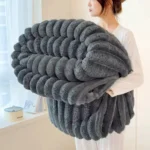 Teddy Bear Blanket
 Sheets
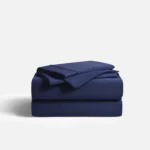 SuperCool+ Starter Sheet Set
 SuperCool+ Flat Sheet
 SuperCool+ Fitted Sheet
 Pillowcases
 SuperCool+ Pillowcases
 Cooling Silk Pillowcase
 Mattress Protectors
 Quilted Mattress Protector
 Waterproof Mattress Protector
 Floor Mats

Are Satin Pillowcases as Good as Silk?

Understanding the Key Differences Between Satin and Silk
Silk and satin represent two distinct categories in the bedding world. Silk refers to a natural fiber produced by silkworms. The production process dates back to ancient China around 3000 BCE. Satin describes a weave pattern, not a fiber type. Manufacturers create satin from polyester, nylon, or silk fibers using a specific weaving technique.
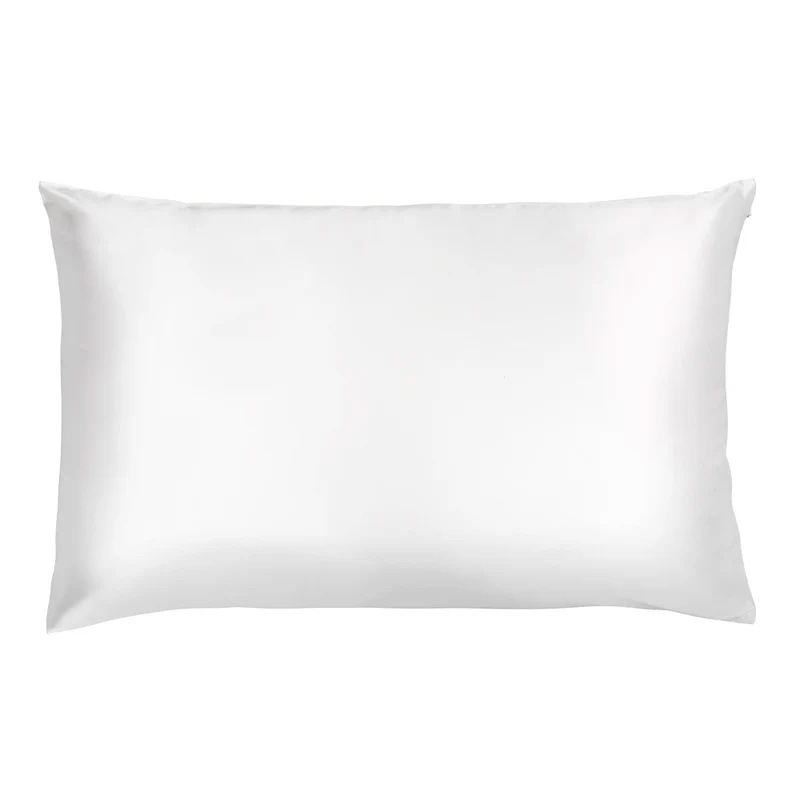
Your pillow shouldn’t steal your glow while you sleep. The lululinens LUXY LU 100% Mulberry Silk Pillowcase reduces friction, minimizes sleep creases, and keeps hair frizz-free. Pure mulberry silk offers temperature-regulating softness that’s hypoallergenic and gentle. Wake up looking as rested as you feel.
The confusion between these materials stems from their similar appearance and feel. Both produce smooth, glossy surfaces. However, their composition creates significant differences in performance and benefits.
The Science Behind Silk Pillowcases
Natural Protein Structure
Silk fibers contain 18 amino acids. These proteins share similarities with human hair and skin proteins. The fiber diameter measures between 10-13 micrometers. This fine structure creates the signature softness.
The natural composition provides several measurable benefits:
- Temperature regulation: Silk adjusts to body temperature through moisture wicking
- Hypoallergenic properties: Natural resistance to dust mites, mold, and fungus
- Low friction coefficient: Reduces hair breakage and facial creasing
- Moisture retention: Helps skin maintain hydration levels
Types of Silk Used in Pillowcases
Mulberry silk dominates the high-quality pillowcase market. Silkworms feed exclusively on mulberry leaves, producing uniform, long fibers. The momme weight (a silk-specific measurement) typically ranges from 19 to 25 for pillowcases. Higher momme numbers indicate denser, more durable fabric.
Tussah silk offers a more affordable alternative. Wild silkworms produce these fibers. The texture feels slightly coarser than mulberry silk. The color appears more beige or golden rather than pure white.
How Satin Pillowcases Work
The Satin Weave Construction
Satin uses a four-over-one-under weaving pattern. Four warp threads float over one weft thread. This creates the smooth, lustrous surface characteristic of satin. The thread count typically ranges from 300 to 600.
Most satin pillowcases use polyester fibers. This synthetic material costs significantly less than silk. The production process requires petroleum-based chemicals. Some manufacturers use nylon or rayon as alternative base materials.
Performance Characteristics
Satin pillowcases provide some benefits similar to silk:
- Smooth surface reduces friction on hair and skin
- Glossy appearance resembles silk
- Easy care requirements (machine washable)
- Budget-friendly price point ($10-$30 per pillowcase)
The synthetic composition limits certain advantages. Polyester satin does not regulate temperature as effectively. The material can trap heat during warm nights. Moisture absorption remains minimal compared to natural fibers.
Direct Performance Comparison
| Feature | Silk Pillowcases | Satin Pillowcases |
|---|---|---|
| Material Source | Natural silkworm protein | Synthetic polyester (usually) |
| Temperature Control | Excellent – adapts to body heat | Poor – traps heat |
| Breathability | High | Low to moderate |
| Moisture Wicking | Natural absorption | Minimal absorption |
| Hair Friction | Extremely low | Low to moderate |
| Skin Benefits | Amino acids support skin health | Surface smoothness only |
| Durability | 5-10 years with proper care | 1-3 years |
| Price Range | $50-$150 | $10-$30 |
| Care Requirements | Hand wash or delicate cycle | Machine wash, tumble dry |
| Hypoallergenic | Natural resistance | Depends on treatment |
Hair Health Benefits Analyzed
Silk’s Impact on Hair
The friction coefficient of silk measures approximately 0.25. This low number means less resistance as hair moves across the surface. Studies show reduced hair breakage and split ends with consistent silk pillowcase use.
The smooth surface prevents hair cuticle lifting. Curly and textured hair types retain moisture better overnight. Hair styling lasts longer because the fabric creates less disturbance.
Satin’s Hair Protection
Polyester satin reduces friction compared to cotton. The friction coefficient measures around 0.35-0.40. This provides noticeable improvement over traditional pillowcases but falls short of silk’s performance.
Users with fine or processed hair report positive results. The smooth surface helps maintain hairstyles. However, the synthetic material may cause static buildup in dry environments.
Skin Care Considerations
Silk’s Dermatological Advantages
Dermatologists recommend silk for sensitive skin conditions. The natural proteins do not irritate skin. The material absorbs less facial moisture than cotton, helping skin maintain hydration.
Sericin, a protein in silk, contains properties that benefit skin health. The amino acids support collagen production. Sleep lines and creases appear less pronounced after switching to silk.
Clinical observations show reduced acne breakouts for some users. The hypoallergenic nature prevents bacterial growth. Silk pillowcases require regular washing to maintain these benefits.
Satin’s Skin Performance
Polyester satin provides a smooth sleeping surface. The reduced friction helps prevent sleep wrinkles. However, synthetic materials do not offer the same biochemical benefits as silk proteins.
The non-breathable nature can cause issues for acne-prone skin. Sweat and oils may accumulate on the surface. More frequent washing becomes necessary to maintain hygiene.
Durability and Longevity
Silk Pillowcase Lifespan
High-quality mulberry silk pillowcases last between 5-10 years. Proper care extends their usability. The natural fibers maintain strength over time. The fabric resists pilling and maintains smoothness.
Hand washing or using a delicate machine cycle preserves fiber integrity. Air drying prevents heat damage. The initial investment pays off through extended use.
Satin Pillowcase Durability
Polyester satin typically lasts 1-3 years. The synthetic fibers break down faster with regular washing. Pilling occurs more frequently. The glossy finish may dull over time.
Machine washing on regular cycles causes faster degradation. Tumble drying speeds up wear. The lower price point makes replacement more economical.
Environmental Impact
Silk production requires natural resources but remains biodegradable. Silkworms consume mulberry leaves. The process uses less water than cotton production. Organic silk farming eliminates pesticide use.
Polyester satin derives from petroleum. The manufacturing process releases chemicals into the environment. The material does not biodegrade. Microplastic shedding during washing contributes to water pollution.
Consumers prioritizing sustainability favor silk despite higher costs. The longer lifespan reduces overall environmental impact per use.
Your pillow shouldn’t steal your glow while you sleep. The lululinens LUXY LU 100% Mulberry Silk Pillowcase reduces friction, minimizes sleep creases, and keeps hair frizz-free. Pure mulberry silk offers temperature-regulating softness that’s hypoallergenic and gentle. Wake up looking as rested as you feel.
Care and Maintenance Requirements
Cleaning Silk Pillowcases
- Hand wash in cold water with pH-neutral detergent
- Soak for 3-5 minutes maximum
- Rinse thoroughly with cold water
- Roll in a towel to remove excess water
- Air dry away from direct sunlight
- Iron on low heat if needed (inside out)
Wash frequency depends on skin type and hair products. Most users wash weekly or bi-weekly. Spot cleaning handles minor issues between full washes.
Cleaning Satin Pillowcases
- Machine wash on gentle cycle
- Use cold or warm water
- Regular laundry detergent works fine
- Tumble dry on low heat
- Remove promptly to prevent wrinkles
- Iron on low setting if necessary
The easy care makes satin attractive for busy lifestyles. No special products or techniques required.
Price Value Analysis
Silk Investment
Premium mulberry silk pillowcases cost $80-$150 for standard sizes. Mid-range options run $50-$80. The price per year of use ranges from $8-$30 based on a 5-year lifespan.
The benefits justify the cost for users with:
- Sensitive or aging skin
- Curly, textured, or chemically treated hair
- Temperature regulation needs
- Allergy concerns
- Environmental consciousness
Satin Budget Option
Polyester satin pillowcases cost $10-$30. Replacement every 1-2 years brings annual costs to $10-$15. The lower entry price makes testing easier.
Satin works well for users who:
- Want to try smooth pillowcases without major investment
- Need easy-care bedding options
- Have straight, resilient hair
- Sleep in climate-controlled environments
- Prioritize budget over premium benefits
Making Your Selection
Choose Silk If:
- Your budget allows for quality bedding investments
- You have curly, fine, or damaged hair requiring maximum protection
- Skin sensitivity or anti-aging concerns matter to you
- You sleep hot and need temperature regulation
- Durability and sustainability rank high in priorities
- You can commit to gentle care routines
Choose Satin If:
- Budget constraints limit spending on bedding
- You want to test smooth pillowcases before upgrading
- Easy care and convenience matter most
- Your hair and skin show no special sensitivities
- You sleep in air-conditioned environments
- Frequent replacement fits your lifestyle
The Bottom Line
Satin pillowcases provide real benefits over cotton at an accessible price. The smooth surface reduces friction and helps maintain hairstyles. However, they do not match silk’s comprehensive performance.
Silk pillowcases deliver superior results across all metrics except price and convenience. The natural proteins support hair and skin health. Temperature regulation improves sleep quality. The durability justifies the higher cost over time.
The answer depends on individual needs and priorities. Satin offers a practical entry point into smooth pillowcases. Silk provides premium performance for those ready to invest in superior bedding. Both options significantly outperform traditional cotton pillowcases for hair and skin care.
Test satin first if uncertain about the category. Upgrade to silk once you experience the benefits of reduced friction. Your hair, skin, and sleep quality will reflect your choice.
Your pillow shouldn’t steal your glow while you sleep. The lululinens LUXY LU 100% Mulberry Silk Pillowcase reduces friction, minimizes sleep creases, and keeps hair frizz-free. Pure mulberry silk offers temperature-regulating softness that’s hypoallergenic and gentle. Wake up looking as rested as you feel.