 Comforters
 SuperCool Comforter
 SuperCool Light Comforter
 SuperCool Kids Comforter
 Blankets
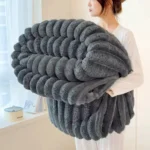 Teddy Bear Blanket
 Sheets
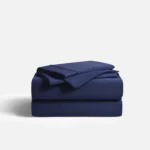 SuperCool+ Starter Sheet Set
 SuperCool+ Flat Sheet
 SuperCool+ Fitted Sheet
 Pillowcases
 SuperCool+ Pillowcases
 Cooling Silk Pillowcase
 Mattress Protectors
 Quilted Mattress Protector
 Waterproof Mattress Protector
 Floor Mats

Are Satin or Silk Pillowcases Better?

Understanding the Core Differences
Silk and satin are fundamentally different materials. Silk is a natural protein fiber. Silkworms produce it. Satin is a weave pattern, not a fiber type. Manufacturers make satin from polyester, nylon, or silk threads.
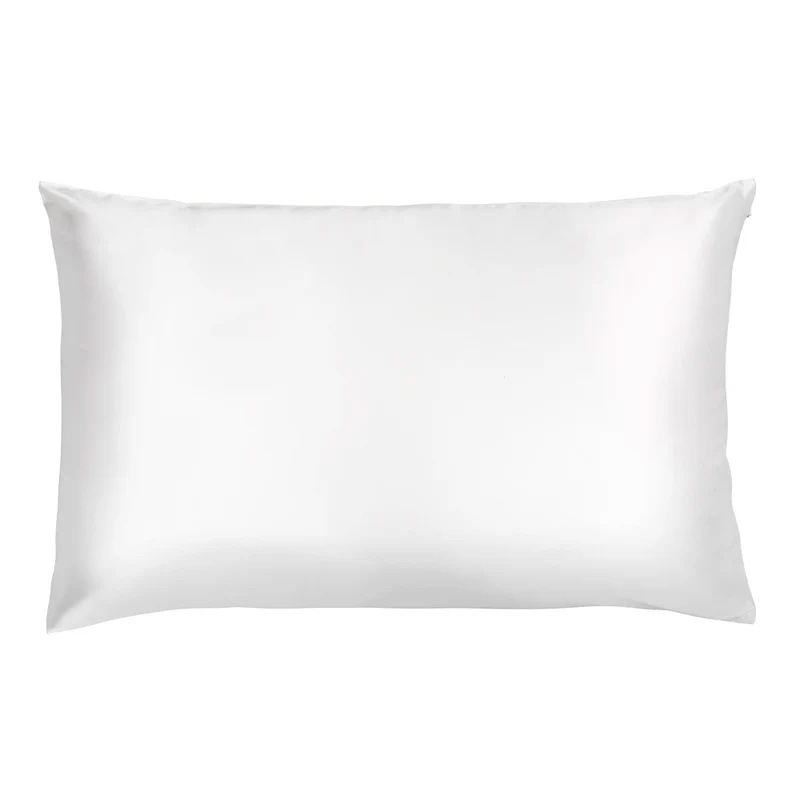
Your pillow shouldn’t steal your glow while you sleep. The lululinens LUXY LU 100% Mulberry Silk Pillowcase reduces friction, minimizes sleep creases, and keeps hair frizz-free. Pure mulberry silk offers temperature-regulating softness that’s hypoallergenic and gentle. Wake up looking as rested as you feel.
This distinction matters. A silk pillowcase uses silk fibers woven in various patterns. A satin pillowcase uses the satin weave with synthetic or natural fibers. The fiber content determines most performance characteristics.
Silk comes from the cocoons of Bombyx mori silkworms. Each cocoon provides approximately 1,000 yards of continuous silk filament. Workers harvest these cocoons, then process the fibers through degumming and spinning. The result is pure mulberry silk, the highest quality available.
Satin refers to a four-harness weave. This weave creates a glossy front surface and a dull back. Polyester satin is the most common type in bedding. Some manufacturers produce silk satin, combining silk fibers with the satin weave pattern.
Historical Context and Development
Silk production began in China around 3,000 BCE. Chinese royalty guarded silk-making secrets for millennia. The Silk Road trade route emerged specifically to transport this luxury fiber. Silk pillowcases became status symbols in ancient courts.
The satin weave originated in medieval China. Arab traders brought the technique to Europe during the 12th century. The name “satin” comes from Zaytun, a Chinese port city. European weavers initially created satin exclusively from silk. Industrial revolution innovations allowed synthetic fiber production. Polyester emerged in 1941. Manufacturers quickly adopted it for satin weaves. This development made satin-weave pillowcases affordable for mass markets.
Technical Specifications Comparison
| Feature | Silk Pillowcase | Satin Pillowcase |
|---|---|---|
| Fiber Source | Natural protein (silkworm) | Synthetic polyester/nylon or silk |
| Momme Weight | 19-25 momme typical | N/A (measured in thread count) |
| Temperature Regulation | Excellent (natural thermoregulation) | Poor (synthetic traps heat) |
| Moisture Absorption | High (30% of weight) | Low to none |
| Friction Coefficient | 0.02-0.03 | 0.05-0.08 |
| Durability | 10-15 years with care | 2-5 years typical |
| Hypoallergenic Properties | Yes (naturally resistant) | No (can harbor allergens) |
| Price Range | $30-$150 | $10-$40 |
Momme weight measures silk fabric density. One momme equals 4.340 grams per square meter. Higher momme counts indicate thicker, more durable silk. Pillowcases between 19-22 momme offer the best balance of softness and longevity.
Thread count measures threads per square inch in satin. Most polyester satin pillowcases range from 400-600 thread count. This metric matters less than fiber quality.
Hair Health Benefits Analysis
Silk pillowcases reduce friction by approximately 43% compared to cotton. Satin pillowcases reduce friction by roughly 30%. This difference affects hair cuticle damage rates.
Hair cuticles are overlapping scales on each strand. Cotton creates friction that lifts these scales. Lifted cuticles lead to split ends, breakage, and frizz. Smooth surfaces keep cuticles flat.
Silk advantages for hair:
- Natural proteins in silk (fibroin and sericin) bond with keratin in hair
- Ultra-smooth surface prevents tangles during sleep
- Moisture retention keeps hair hydrated
- Static reduction minimizes flyaways
- Suitable for all hair types, especially curly and textured hair
Satin advantages for hair:
- Smooth surface reduces moderate friction
- Lower cost makes replacement easier
- Works adequately for straight to wavy hair types
- Machine-washable convenience
Dermatologists note that silk’s amino acid structure closely resembles human hair protein. This similarity creates a protective environment. Satin lacks this biochemical compatibility.
Skin Care Considerations
Your face spends seven to nine hours against your pillowcase nightly. The fabric affects skin hydration, wrinkle formation, and acne development.
Silk contains sericin, a protein with antibacterial properties. Studies show sericin inhibits bacterial growth by 98.5%. This property helps prevent acne breakouts. Silk also resists dust mites, mold, and fungus naturally.
Polyester satin lacks antimicrobial properties. It accumulates bacteria, oils, and dead skin cells. These contaminants can trigger breakouts or allergic reactions.
Moisture management differs significantly. Silk absorbs up to 30% of its weight in moisture without feeling damp. This absorption prevents moisture loss from skin. Your skin’s natural hydration stays balanced overnight.
Polyester satin repels moisture. Your skin’s natural oils and moisture transfer to your skin instead of the pillowcase. This creates an oily film that can clog pores.
Dermatologists recommend silk for patients with:
- Eczema or sensitive skin conditions
- Acne-prone skin
- Dry or dehydrated skin
- Fine lines and wrinkles
- Rosacea or inflammation
Temperature Regulation Properties
Silk is a natural thermoregulator. Its structure contains tiny pockets of air. These pockets trap warm air in cold conditions and release heat when warm. Silk maintains a comfortable sleep temperature year-round.
Polyester satin traps body heat. The synthetic fibers cannot breathe. Most people report feeling hot and sweaty on polyester satin during summer months. Winter use may feel comfortable.
Sleep quality studies link temperature regulation to deep sleep cycles. Overheating disrupts REM sleep. Silk’s cooling properties support uninterrupted sleep patterns.
Durability and Longevity Factors
High-quality silk pillowcases last 10-15 years with proper care. The long protein fibers resist breaking. Silk maintains its smooth texture through hundreds of wash cycles.
Polyester satin degrades faster. Friction from washing breaks down synthetic fibers. Most polyester satin pillowcases show wear within 2-3 years. The surface becomes rougher, losing its primary benefit.
Cost per year calculations:
- Silk pillowcase: $60 / 12 years = $5 per year
- Satin pillowcase: $20 / 3 years = $6.67 per year
The initial investment in silk provides better long-term value.
Maintenance and Care Requirements
Silk care protocol:
- Hand wash in cool water with pH-neutral detergent
- Machine wash on delicate cycle (inside mesh bag)
- Air dry away from direct sunlight
- Iron on low heat if needed (inside out)
- Store in breathable fabric bag
- Wash every 3-4 days
Satin care protocol:
- Machine wash on gentle cycle
- Use cold water
- Tumble dry on low heat
- Minimal ironing required
- Wash every 2-3 days
Silk requires more careful handling. The natural fibers respond poorly to harsh detergents, high heat, and aggressive washing. Many users find silk care manageable once they establish a routine.
Satin offers convenience. You can treat it like regular synthetic bedding. This ease appeals to people with busy schedules.
Your pillow shouldn’t steal your glow while you sleep. The lululinens LUXY LU 100% Mulberry Silk Pillowcase reduces friction, minimizes sleep creases, and keeps hair frizz-free. Pure mulberry silk offers temperature-regulating softness that’s hypoallergenic and gentle. Wake up looking as rested as you feel.
Environmental Impact Assessment
Silk production is sustainable when managed properly. Silkworms eat mulberry leaves exclusively. Mulberry trees grow without pesticides or extensive irrigation. The production process uses minimal chemicals.
Ethical concerns exist around silk harvesting. Traditional methods kill pupae inside cocoons. Peace silk (Ahimsa silk) allows moths to emerge before harvesting. This option costs more but addresses animal welfare concerns.
Polyester production relies on petroleum. The manufacturing process releases greenhouse gases. Polyester satin pillowcases shed microplastics during washing. These particles enter water systems and ecosystems.
Silk biodegrades completely within one to four years. Polyester persists in landfills for 200+ years. Environmental-conscious consumers prefer silk’s lower ecological footprint.
Price Point Analysis
Entry-level silk pillowcases start at $30-40. Mid-range options cost $50-80. Premium silk pillowcases reach $100-150. The price reflects momme weight, grade, and brand.
Polyester satin pillowcases cost $10-25 typically. High-end versions with better construction reach $35-40.
The price gap intimidates some buyers. Breaking down cost per use reveals value. A $60 silk pillowcase used for 10 years costs $6 annually. A $20 satin pillowcase replaced every 3 years costs $6.67 annually.
Sales and bundle deals make silk more accessible. Many retailers offer two-pack discounts or seasonal promotions.
Allergy and Sensitivity Factors
Silk is naturally hypoallergenic. Its dense weave prevents dust mite colonization. The protein structure resists mold and mildew growth. People with allergies report fewer symptoms using silk bedding.
Polyester can trigger allergic reactions. The synthetic fibers accumulate allergens. Chemical treatments during manufacturing may cause skin sensitivities. Some users develop contact dermatitis from prolonged polyester exposure.
Sleep medicine specialists recommend silk for patients with asthma, allergies, or chemical sensitivities.
Making Your Selection Decision
Choose silk pillowcases if you:
- Want maximum hair and skin benefits
- Have curly, textured, or chemically-treated hair
- Experience acne, eczema, or sensitive skin
- Sleep hot or live in warm climates
- Value sustainability and natural materials
- Can invest in a higher upfront cost
- Prefer long-lasting products
Choose satin pillowcases if you:
- Have a limited budget
- Want easy maintenance
- Have straight or moderately textured hair
- Do not have sensitive skin or allergies
- Need multiple pillowcases for frequent changes
- Prefer machine-washable bedding
- Accept shorter product lifespan
Quality Indicators for Purchase
For silk pillowcases, verify:
- 100% pure mulberry silk certification
- 19-22 momme weight minimum
- Grade 6A silk designation
- Hidden zipper closure
- OEKO-TEX Standard 100 certification
- Clear country of origin
- Return policy and warranty
For satin pillowcases, check:
- Fiber content disclosure (polyester percentage)
- Envelope or zipper closure
- Double-stitched seams
- Thread count above 400
- Machine-washable confirmation
- Customer reviews on durability
Avoid products with vague descriptions. “Silk-like” or “silky” indicates polyester satin, not real silk.
The Verdict on Performance
Silk pillowcases outperform satin pillowcases across most metrics. The natural fiber provides superior benefits for hair, skin, temperature control, and longevity. Scientific evidence supports silk’s advantages in friction reduction, moisture management, and hypoallergenic properties.
Satin pillowcases offer a budget-friendly alternative. They provide basic friction reduction at lower cost. The convenience factor appeals to many users. Performance falls short of silk but exceeds cotton significantly.
Your individual needs determine the best choice. Assess your hair type, skin concerns, budget, and priorities. Both options improve your sleep surface compared to cotton. Silk delivers premium results. Satin provides accessible improvement.
The investment in quality sleep products affects daily well-being. Your pillowcase contacts your face and hair for one-third of your life. Choose materials that support your health goals and align with your values.
Your pillow shouldn’t steal your glow while you sleep. The lululinens LUXY LU 100% Mulberry Silk Pillowcase reduces friction, minimizes sleep creases, and keeps hair frizz-free. Pure mulberry silk offers temperature-regulating softness that’s hypoallergenic and gentle. Wake up looking as rested as you feel.