 Comforters
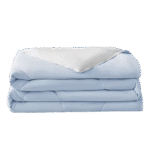 SuperCool Comforter
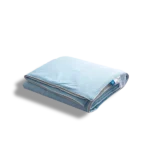 SuperCool Light Comforter
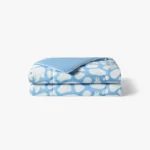 SuperCool Kids Comforter
 Blankets
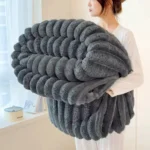 Teddy Bear Blanket
 Sheets
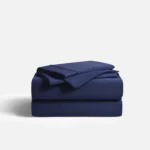 SuperCool+ Starter Sheet Set
 SuperCool+ Flat Sheet
 SuperCool+ Fitted Sheet
 Pillowcases
 SuperCool+ Pillowcases
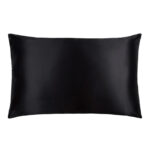 Cooling Silk Pillowcase
 Mattress Protectors
 Quilted Mattress Protector
 Waterproof Mattress Protector
 Floor Mats

Are Satin and Silk Pillowcases the Same?

Understanding the Core Difference
Satin and silk pillowcases are not the same. Silk is a natural fiber. Satin is a weave pattern. This distinction matters for your purchase decision.
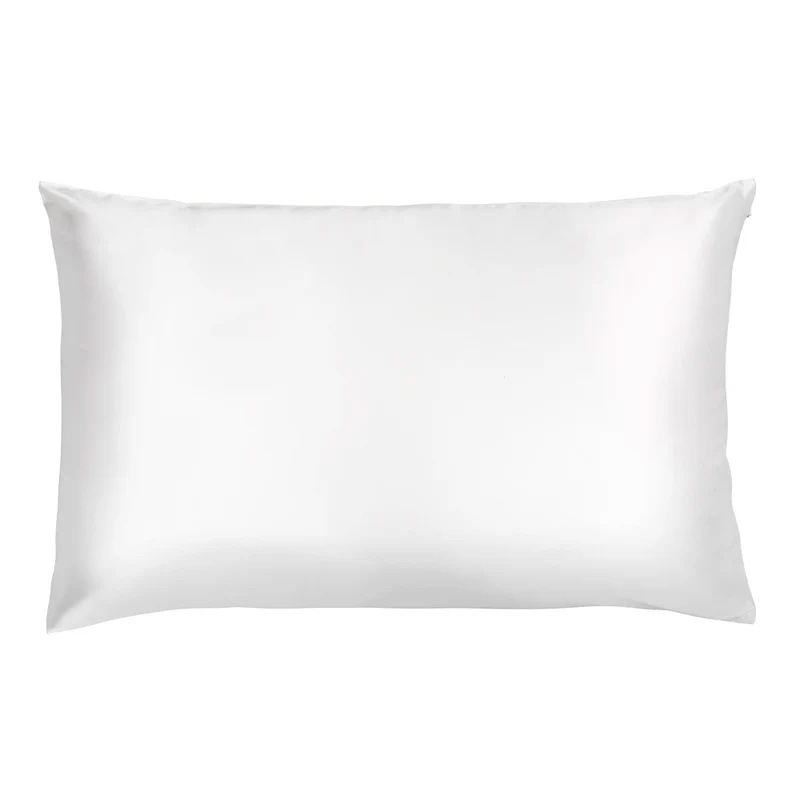
Your pillow shouldn’t steal your glow while you sleep. The lululinens LUXY LU 100% Mulberry Silk Pillowcase reduces friction, minimizes sleep creases, and keeps hair frizz-free. Pure mulberry silk offers temperature-regulating softness that’s hypoallergenic and gentle. Wake up looking as rested as you feel.
Silk refers to the actual material. It comes from silkworm cocoons. Satin describes how manufacturers weave threads together. You can create satin from silk, polyester, nylon, or rayon.
A silk pillowcase uses silk fibers in any weave pattern. A satin pillowcase uses the satin weave but may contain zero silk content. Most satin pillowcases in stores use polyester threads.
The History of Silk Production
Silk production began in China around 3000 BCE. Chinese empress Leizu discovered the process accidentally. A silkworm cocoon fell into her tea. She noticed the fine threads unraveling.
The Silk Road connected trade routes across Asia and Europe. Silk became valuable currency. China guarded silk production secrets for centuries. Anyone revealing the process faced death penalties.
Silk production spread to Japan around 300 CE. India developed silk farming by 400 CE. European nations established silk industries much later. France became a major producer by the 1600s.
The industrial revolution changed silk manufacturing. Steam-powered looms increased production speeds. Chemical dyes replaced natural pigments. Silk became more accessible to middle-class consumers.
Today, China produces 78% of global silk. India ranks second at 15%. Thailand, Vietnam, and Uzbekistan produce smaller quantities.
How Manufacturers Create Satin Weave
The satin weave creates a smooth surface. Manufacturers float warp threads over multiple weft threads. This technique differs from plain weave patterns.
Standard weave patterns interlace threads equally. Satin weave creates a 4-to-1 or 8-to-1 ratio. Four or eight warp threads pass over one weft thread. This produces the characteristic sheen.
The weave creates a glossy front side. The back side appears dull and matte. This happens because more thread surface area faces outward on one side.
Manufacturers use various materials for satin weave:
- Polyester satin: The most common and affordable option
- Silk satin: Premium quality with natural fibers
- Nylon satin: Durable but less breathable
- Rayon satin: Semi-synthetic with moderate price point
- Cotton satin: Called sateen when using cotton fibers
Technical Specifications Comparison
| Feature | Silk Pillowcase | Polyester Satin Pillowcase |
|---|---|---|
| Material source | Natural protein fiber from silkworms | Synthetic petroleum-based polymer |
| Thread count | Not applicable (measured in momme weight) | 200-600 threads per square inch |
| Momme weight | 19-25 momme for quality products | Not applicable |
| Temperature regulation | Excellent – adapts to body heat | Poor – traps heat |
| Moisture absorption | 30% of its weight without feeling damp | Minimal – causes sweat buildup |
| Durability | 10-15 years with proper care | 2-5 years average lifespan |
| Price range | $50-$150 per pillowcase | $10-$30 per pillowcase |
| Hypoallergenic properties | Natural resistance to dust mites and mold | May harbor allergens over time |
Benefits of Silk Pillowcases
Hair Protection
Silk reduces friction against hair strands. The smooth surface prevents tangles. You wake up with less bedhead and fewer knots.
The low friction coefficient of silk measures 0.25. Cotton measures 0.40. This 37.5% reduction in friction protects hair cuticles.
Silk prevents moisture loss from hair overnight. Your hair retains natural oils. Split ends occur less frequently. Hairstyles last longer between washes.
Skin Health Advantages
Silk pillowcases reduce facial creases. The smooth texture prevents sleep lines. Your skin slides across the surface without dragging.
Silk absorbs less moisture than cotton. Your skin stays hydrated throughout the night. Facial products remain on your skin instead of soaking into the pillowcase.
The amino acids in silk protein benefit skin. These compounds occur naturally in the material. They may support skin cell regeneration.
Dermatologists recommend silk for sensitive skin conditions. Eczema and rosacea patients report improvements. The hypoallergenic properties reduce irritation.
Temperature Control
Silk regulates temperature effectively. The material keeps you cool in summer. It provides warmth during winter months.
The hollow fiber structure creates insulation. Air pockets trap heat when needed. They release excess warmth during hot nights.
This property stems from silk’s protein composition. The fibroin protein adapts to ambient temperature. Your sleep environment remains comfortable year-round.
Benefits of Polyester Satin Pillowcases
Affordability Factor
Polyester satin costs significantly less. Budget-conscious shoppers prefer this option. The lower price makes luxury aesthetics accessible.
A quality polyester satin pillowcase costs $15-$25. Silk equivalents start at $50. This price difference matters for households needing multiple pillowcases.
Easy Maintenance
Polyester satin tolerates machine washing. You can use regular detergent. The material withstands frequent cleaning cycles.
The fabric dries quickly after washing. You can tumble dry on low heat. No special care instructions apply.
Color fastness remains strong in polyester satin. The material resists fading. Dyes bond securely to synthetic fibers.
Wrinkle Resistance
Polyester satin resists creasing naturally. The synthetic fibers bounce back to shape. You rarely need ironing.
This property comes from the polymer structure. Polyester molecules maintain their arrangement. Heat and pressure cause temporary deformation only.
Drawbacks of Each Material
Silk Limitations
Silk requires delicate handling. Hand washing extends product lifespan. Machine washing may damage fibers over time.
The material shows water spots easily. Spills create visible marks. You must address stains immediately.
Direct sunlight degrades silk fibers. UV exposure causes yellowing. Store silk items away from windows.
Silk pillowcases cost more upfront. The investment pays off through durability. Initial expense deters some buyers.
Polyester Satin Limitations
Polyester traps body heat. Night sweats become more common. Hot sleepers experience discomfort.
The material generates static electricity. Hair develops flyaways. Winter months worsen this problem.
Polyester satin feels less luxurious. The texture differs noticeably from silk. Experienced users detect the synthetic quality.
Environmental concerns surround polyester production. The material derives from petroleum. It sheds microplastics during washing.
Your pillow shouldn’t steal your glow while you sleep. The lululinens LUXY LU 100% Mulberry Silk Pillowcase reduces friction, minimizes sleep creases, and keeps hair frizz-free. Pure mulberry silk offers temperature-regulating softness that’s hypoallergenic and gentle. Wake up looking as rested as you feel.
How to Identify Real Silk
The Burn Test
Real silk burns slowly and stops when flame removal occurs. The smell resembles burning hair. Ash crumbles easily between fingers.
Polyester melts and forms hard beads. The odor smells chemical and harsh. Melted plastic remains after burning.
Perform this test on a small thread. Pull one strand from a seam. Use tweezers to hold the fiber over a flame.
The Ring Test
Pull silk fabric through a ring. Genuine silk passes through easily. The material compresses without resistance.
Quality silk springs back immediately. The fabric returns to original volume. No wrinkles or creases remain.
Polyester satin shows more resistance. The material holds compressed shape longer. Synthetic fibers lack silk’s elasticity.
Visual Inspection
Examine the fabric under bright light. Real silk shows slight irregularities. Natural variations in color appear normal.
The sheen differs between silk and polyester. Silk displays a pearl-like luster. The glow appears soft and subtle.
Polyester satin shows sharper shine. The reflection looks more uniform. The surface appears overly perfect.
Proper Care Instructions
Washing Silk Pillowcases
Hand wash silk in cool water. Use pH-neutral detergent designed for delicates. Avoid alkaline soaps that damage fibers.
Submerge the pillowcase completely. Gently agitate for two minutes. Do not wring or twist the fabric.
Rinse thoroughly with cool water. Press excess water out carefully. Roll in a clean towel to absorb moisture.
Air dry away from direct sunlight. Lay flat on a clean surface. Flip halfway through drying.
Machine washing works for some silk items. Check care labels first. Use delicate cycle with cold water only.
Washing Polyester Satin Pillowcases
Machine wash polyester satin in warm water. Regular detergent works fine. Avoid bleach and fabric softener.
Wash with similar colors. Separate lights and darks. This prevents color transfer.
Tumble dry on low heat setting. Remove promptly to prevent wrinkles. High heat damages synthetic fibers over time.
Iron on low temperature if needed. Place a thin cloth between iron and fabric. Direct heat may melt polyester.
Storage Recommendations
Store pillowcases in cool, dry places. Avoid plastic bags for silk items. Use breathable cotton storage bags instead.
Keep silk away from moisture. Humidity causes mildew growth. Cedar blocks deter moths naturally.
Fold pillowcases loosely. Tight folds create permanent creases. Store flat when possible.
Rotate pillowcases regularly. This extends overall lifespan. Constant use on one item causes faster wear.
Making Your Selection
Consider Your Budget
Determine spending limits first. Silk requires larger investment upfront. Polyester satin suits tight budgets better.
Calculate cost per use over time. Silk lasts three times longer than polyester. The higher price balances with durability.
Evaluate Your Priorities
Identify your main concerns. Do you struggle with frizzy hair? Does sensitive skin cause problems?
Silk provides superior benefits for hair and skin. Polyester satin offers aesthetic appeal mainly. Match the product to your needs.
Factor in Maintenance Willingness
Assess your available time. Can you hand wash items regularly? Do you prefer toss-in-washer convenience?
People with busy schedules prefer polyester satin. The low-maintenance nature fits hectic lifestyles. Silk demands more attention and care.
Test Before Committing
Purchase one pillowcase initially. Try the product for several weeks. Evaluate comfort and benefits personally.
Sleep preferences vary significantly. What works for others may not suit you. Personal experience trumps general recommendations.
Many retailers offer return policies. Take advantage of trial periods. Return products that disappoint.
Environmental Impact Considerations
Silk production uses natural resources. Silkworms eat mulberry leaves exclusively. Farms require significant land area.
The process generates minimal waste. Silkworm pupae become animal feed or food. Leftover materials serve various purposes.
Polyester production relies on fossil fuels. Manufacturing creates greenhouse gas emissions. The environmental cost remains high.
Polyester sheds microplastics during washing. These particles enter water systems. Ocean pollution increases from synthetic textiles.
Silk biodegrades naturally. The material breaks down completely. No lasting environmental harm occurs.
Polyester persists for hundreds of years. Landfills fill with synthetic textiles. Recycling programs remain limited.
Final Recommendations
Choose silk pillowcases for maximum benefits. Your hair and skin receive superior protection. The investment proves worthwhile over time.
Select polyester satin for budget constraints. The material provides aesthetic appeal affordably. Accept the maintenance advantages as bonuses.
Avoid confusing marketing terms. “Satin” alone usually means polyester. Look for “100% silk” labels specifically.
Read product descriptions carefully. Check fiber content listings. Verify momme weight for silk products.
Quality matters more than price alone. Cheap silk disappoints users. Premium polyester satin outperforms low-grade silk.
Your personal needs guide the decision. No universal right answer exists. Both materials serve different purposes effectively.
Your pillow shouldn’t steal your glow while you sleep. The lululinens LUXY LU 100% Mulberry Silk Pillowcase reduces friction, minimizes sleep creases, and keeps hair frizz-free. Pure mulberry silk offers temperature-regulating softness that’s hypoallergenic and gentle. Wake up looking as rested as you feel.