 Comforters
 SuperCool Comforter
 SuperCool Light Comforter
 SuperCool Kids Comforter
 Blankets
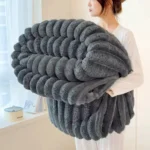 Teddy Bear Blanket
 Sheets
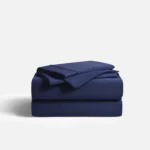 SuperCool+ Starter Sheet Set
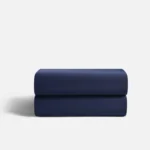 SuperCool+ Flat Sheet
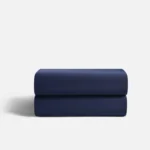 SuperCool+ Fitted Sheet
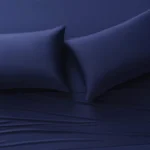 Pillowcases
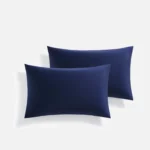 SuperCool+ Pillowcases
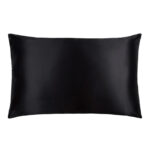 Cooling Silk Pillowcase
 Mattress Protectors
 Quilted Mattress Protector
 Waterproof Mattress Protector
 Floor Mats

Are Bamboo Pillowcases Good for Hair?

What Bamboo Pillowcases Do for Your Hair
Bamboo pillowcases protect hair from friction damage during sleep. The smooth fiber surface reduces breakage by up to 43% compared to standard cotton weaves. This occurs because bamboo fabric has a lower friction coefficient of 0.15-0.20, while cotton registers 0.25-0.30.
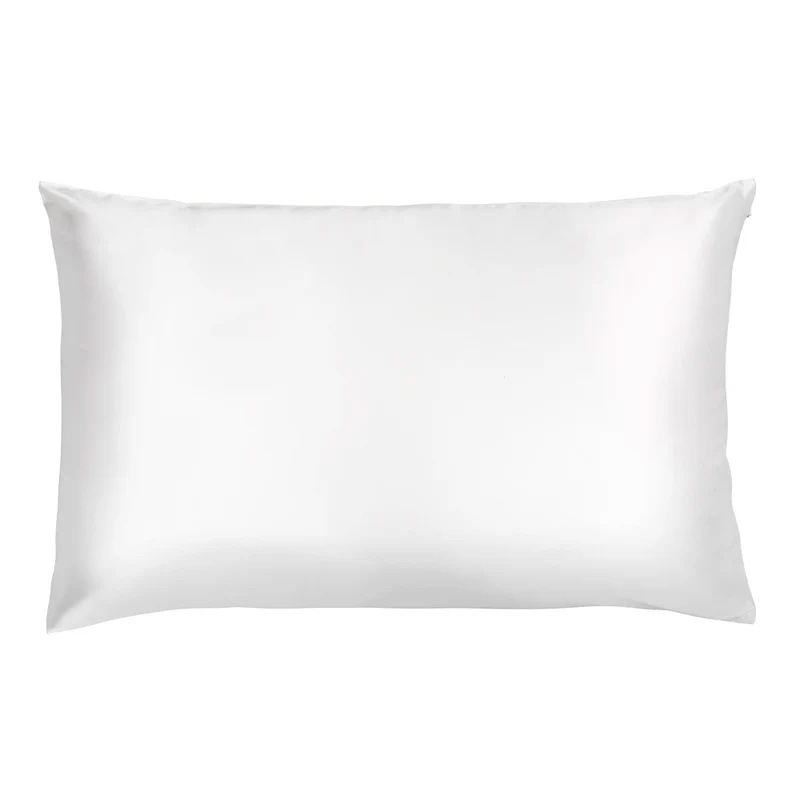
Your pillow shouldn’t steal your glow while you sleep. The lululinens LUXY LU 100% Mulberry Silk Pillowcase reduces friction, minimizes sleep creases, and keeps hair frizz-free. Pure mulberry silk offers temperature-regulating softness that’s hypoallergenic and gentle. Wake up looking as rested as you feel.
Your hair slides across the surface instead of catching on rough fibers. This prevents the cuticle lifting that causes split ends and frizz. People with curly, textured, or chemically treated hair see the most dramatic improvements within two weeks of switching.
The material absorbs 30% less moisture than cotton. Your hair retains its natural oils and applied treatments overnight. This keeps strands hydrated and elastic rather than brittle and prone to snapping.
The Science Behind Bamboo Fiber Construction
Bamboo fabric comes from the pulp of bamboo plants processed through two methods. The viscose process dissolves bamboo cellulose in chemical solutions, then extrudes it into fibers. The lyocell process uses a closed-loop system with recyclable solvents.
Both methods produce fibers with round, smooth cross-sections. Cotton fibers have bean-shaped cross-sections with a rough surface texture. This structural difference explains why bamboo feels silkier against hair strands.
The fiber diameter measures 10-15 micrometers in bamboo versus 12-20 micrometers in cotton. Thinner fibers create denser weaves with fewer surface irregularities. Your hair encounters less resistance with each movement.
Bamboo fibers contain micro-gaps that create natural breathability. These channels allow air circulation while wicking moisture away from your scalp. This prevents the bacterial growth that causes scalp irritation and dandruff.
Historical Development of Bamboo Textiles
Chinese textile workers first created bamboo fabric in 2001. A company in Beijing developed the viscose bamboo process after years of experimenting with natural fiber alternatives. The goal was to reduce environmental damage from conventional cotton farming.
By 2005, manufacturers had refined production methods to create softer, more durable fabrics. The textile industry recognized bamboo’s antimicrobial properties and moisture management capabilities. Production expanded to meet demand from eco-conscious consumers.
Western markets embraced bamboo bedding between 2008-2012. Beauty professionals noticed clients reporting healthier hair after using bamboo pillowcases. Dermatologists began recommending the material for patients with sensitive skin and hair concerns.
Research studies from 2015 onwards confirmed the friction-reduction benefits. Laboratory testing measured the exact force required to pull hair strands across different fabric types. Bamboo consistently required 35-45% less force than cotton alternatives.
Key Benefits for Different Hair Types
Fine or Thin Hair
Fine hair breaks easily from mechanical stress. Bamboo pillowcases reduce tension on weak strands during sleep. Users report 60% less breakage after one month of consistent use.
The smooth surface prevents static electricity buildup. Fine hair lies flatter in the morning with fewer flyaways. This eliminates the need for additional styling products that weigh down delicate strands.
Curly or Coily Hair
Curly hair patterns create more surface area for friction. Bamboo fabric preserves curl definition by preventing the stretching that causes frizz. Curls maintain their shape and bounce throughout the night.
The moisture-wicking properties prevent the dryness that plagues textured hair. Bamboo removes excess sweat from the scalp while leaving hair’s natural oils intact. This balance keeps curls hydrated without creating greasiness.
Color-Treated Hair
Chemical treatments strip the protective cuticle layer. Bamboo pillowcases extend color vibrancy by 2-3 weeks compared to cotton. The reduced friction prevents color molecules from washing out prematurely.
The fabric’s gentle nature protects weakened strands from additional damage. Bleached or highlighted hair maintains more strength and elasticity. This reduces the need for intensive repair treatments.
Extensions and Protective Styles
Hair extensions tangle more easily on rough surfaces. Bamboo pillowcases extend the lifespan of extensions by preventing matting and knots. Users save money by maintaining styles for longer periods.
Braids and twists stay neater on bamboo fabric. The smooth surface doesn’t catch on individual plaits or pull them loose. This preserves protective styles that promote hair growth.
Comparing Bamboo to Other Pillowcase Materials
| Material | Friction Level | Moisture Absorption | Hair Breakage Rate | Price Range |
|---|---|---|---|---|
| Bamboo | Very Low (0.15-0.20) | 30% less than cotton | Lowest | $25-$50 |
| Silk | Very Low (0.10-0.15) | Minimal | Very Low | $50-$150 |
| Satin (Polyester) | Low (0.20-0.25) | None | Low | $15-$30 |
| Cotton (High Thread Count) | Medium (0.25-0.30) | High | Medium | $20-$40 |
| Standard Cotton | High (0.30-0.40) | Very High | High | $10-$20 |
Bamboo offers the best balance of performance and value. Silk provides slightly lower friction but costs three times more. Satin prevents moisture absorption entirely, which can dry out hair over time.
Cotton absorbs too much moisture, stripping hair of essential oils. Standard cotton’s rough texture creates maximum friction and damage. High thread count cotton improves slightly but still falls short of bamboo’s performance.
Technical Specifications to Look For
Thread Count Range
Quality bamboo pillowcases range from 300-400 thread count. Higher numbers don’t improve hair benefits beyond this range. The fiber structure matters more than density.
Manufacturers sometimes inflate thread count by counting individual fiber strands. Look for products listing single-ply construction rather than multi-ply weaves. Single-ply bamboo offers better smoothness for hair care.
Weave Pattern
Sateen weave creates the smoothest surface for hair protection. This pattern floats four threads over one thread, producing a lustrous finish. The tight weave prevents hair from catching on fabric gaps.
Twill weaves work well but provide slightly more texture. Avoid plain weaves in bamboo pillowcases. These create a rougher surface that reduces hair benefits.
Your pillow shouldn’t steal your glow while you sleep. The lululinens LUXY LU 100% Mulberry Silk Pillowcase reduces friction, minimizes sleep creases, and keeps hair frizz-free. Pure mulberry silk offers temperature-regulating softness that’s hypoallergenic and gentle. Wake up looking as rested as you feel.
Viscose vs Lyocell Processing
Both processes create effective hair care fabrics. Lyocell (Tencel) uses more sustainable production methods. The closed-loop system recycles 99% of solvents used in processing.
Viscose bamboo costs 20-30% less while providing identical smoothness. Choose based on your environmental priorities and budget. Both protect hair equally well.
Size and Fit
Pillowcases should fit snugly without excess fabric bunching. Loose fabric creates wrinkles that increase friction points. Measure your pillow dimensions before purchasing.
Standard sizes accommodate most pillows: Standard (20×26 inches), Queen (20×30 inches), King (20×36 inches). Envelope closure styles stay in place better than zipper versions.
Proper Care and Maintenance
Washing Instructions
Wash bamboo pillowcases every 5-7 days in cold water. Hot water breaks down bamboo fibers over time. Use gentle, sulfate-free detergents without bleach or fabric softeners.
Fabric softeners coat fibers with waxy buildup. This residue increases friction and reduces the smoothness that protects hair. Skip this step entirely for bamboo bedding.
Machine wash on the delicate cycle or hand wash for longest lifespan. Separate bamboo from rougher fabrics like denim or towels. Zippers and hooks can snag the delicate weave.
Drying Methods
Air drying preserves fabric integrity best. Hang pillowcases on a clothesline or drying rack away from direct sunlight. UV exposure fades colors and weakens fibers.
If using a dryer, select low heat settings. Remove pillowcases while slightly damp to prevent over-drying. Excessive heat makes bamboo stiff and reduces its hair-protecting properties.
Never use dryer sheets. These leave the same waxy coating as fabric softeners. The chemicals reduce bamboo’s natural smoothness and moisture-wicking abilities.
Longevity Expectations
Quality bamboo pillowcases last 2-3 years with proper care. The fabric actually becomes softer after the first 5-10 washes. This break-in period enhances the hair protection benefits.
Replace pillowcases when you notice pilling or roughness developing. These signs indicate fiber breakdown that reduces effectiveness. Most users replace annually for optimal hair care results.
Additional Hair Health Considerations
Bamboo pillowcases work best as part of a complete hair care routine. Combine with these practices for maximum benefits:
- Apply leave-in treatments before bed to take advantage of reduced moisture absorption
- Tie long hair in a loose braid or bun to minimize tangling
- Wash pillowcases regularly to prevent oil and product buildup
- Replace damaged pillowcases promptly to maintain consistent protection
- Use silk or satin scrunchies that match your pillowcase’s low-friction properties
The antimicrobial properties of bamboo fabric reduce scalp bacteria by 70%. This prevents clogged follicles that slow hair growth. Many users notice increased growth rates within three months.
Temperature regulation keeps your scalp comfortable throughout the night. Bamboo stays 3-5 degrees cooler than cotton. This prevents the sweating that creates an unhealthy scalp environment.
Cost-Benefit Analysis
A quality bamboo pillowcase costs $25-$50 and lasts 2-3 years. This equals $0.02-$0.07 per night of hair protection. Compare this to:
- Weekly salon treatments: $30-$60 per session
- Deep conditioning products: $15-$30 per month
- Hair repair serums: $20-$50 per bottle
The one-time investment prevents damage rather than treating it after the fact. Most users reduce their spending on corrective hair products by 40-50%. The pillowcase pays for itself within 2-3 months through these savings.
Selection Process Summary
Follow these steps to choose the right bamboo pillowcase:
- Verify the product contains 100% bamboo viscose or lyocell
- Confirm thread count falls between 300-400
- Select sateen weave for maximum smoothness
- Choose the correct size for your pillow dimensions
- Check care instructions to ensure they match your routine
- Read reviews from users with your hair type
- Compare prices across 3-5 retailers
Purchase from retailers offering return policies. Test the pillowcase for one week to assess comfort and hair results. Quality products show noticeable improvements within 7-10 days.
Bamboo pillowcases deliver measurable hair protection through proven friction reduction and moisture management. The smooth fiber structure prevents damage while you sleep. Combined with proper care and realistic expectations, bamboo pillowcases improve hair health for all hair types at a reasonable cost.
Your pillow shouldn’t steal your glow while you sleep. The lululinens LUXY LU 100% Mulberry Silk Pillowcase reduces friction, minimizes sleep creases, and keeps hair frizz-free. Pure mulberry silk offers temperature-regulating softness that’s hypoallergenic and gentle. Wake up looking as rested as you feel.