 Comforters
 SuperCool Comforter
 SuperCool Light Comforter
 SuperCool Kids Comforter
 Blankets
 Teddy Bear Blanket
 Sheets
 SuperCool+ Starter Sheet Set
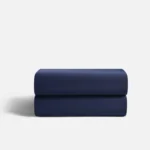 SuperCool+ Flat Sheet
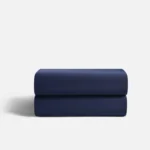 SuperCool+ Fitted Sheet
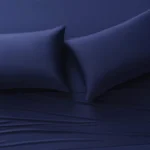 Pillowcases
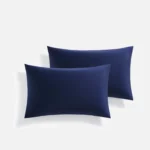 SuperCool+ Pillowcases
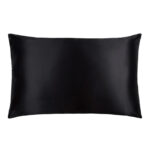 Cooling Silk Pillowcase
 Mattress Protectors
 Quilted Mattress Protector
 Waterproof Mattress Protector
 Floor Mats

Are Bamboo Pillowcases Good for Curly Hair?

Why Curly Hair Needs Special Fabric Considerations
Curly hair requires different care than straight hair. The natural curl pattern creates gaps along the hair shaft where moisture escapes easily. This structure makes curly hair prone to frizz, breakage, and dryness.
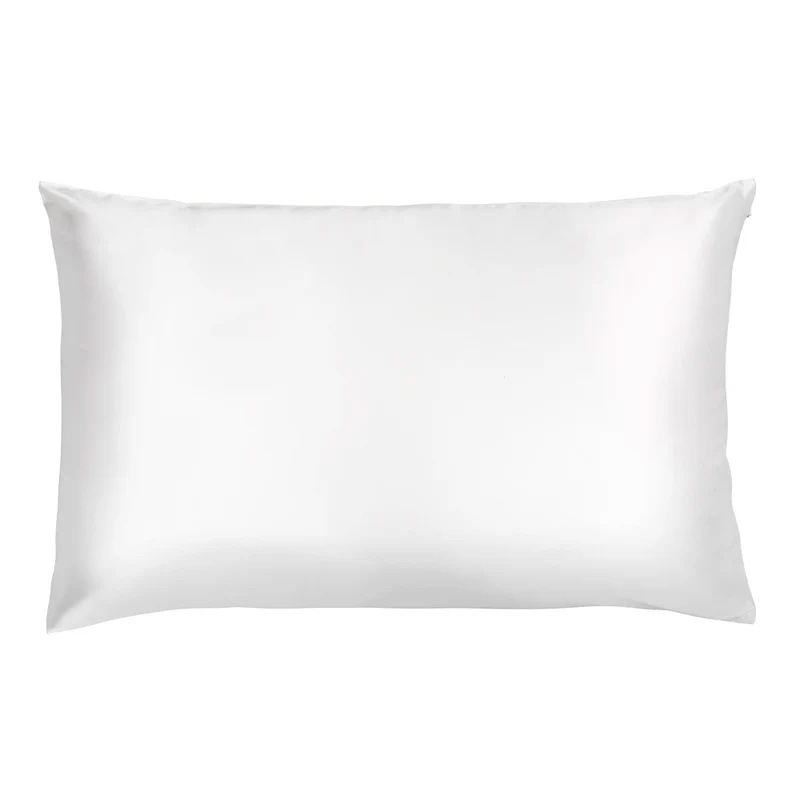
Your pillow shouldn’t steal your glow while you sleep. The lululinens LUXY LU 100% Mulberry Silk Pillowcase reduces friction, minimizes sleep creases, and keeps hair frizz-free. Pure mulberry silk offers temperature-regulating softness that’s hypoallergenic and gentle. Wake up looking as rested as you feel.
Cotton pillowcases absorb moisture from your hair overnight. They also create friction that disrupts curl patterns and causes tangles. The rough texture of standard cotton pulls at delicate curls while you sleep.
Your pillowcase matters because you spend 6-8 hours with your hair pressed against it. The wrong fabric damages months of hair care work in a single night.
What Makes Bamboo Pillowcases Different
Bamboo pillowcases come from bamboo viscose or bamboo rayon. Manufacturers extract cellulose from bamboo plants and convert it into soft fibers. The process creates fabric with unique properties.
Bamboo fabric characteristics:
- Smooth surface with minimal friction coefficient
- Natural moisture-wicking properties
- Temperature regulation capabilities
- Hypoallergenic composition
- Antimicrobial properties
- Higher thread count potential than standard cotton
The fiber structure of bamboo fabric differs significantly from cotton. Bamboo fibers are naturally smoother and rounder. Cotton fibers have rough edges that catch on hair strands.
How Bamboo Pillowcases Protect Curl Patterns
Reduced Friction Equals Less Frizz
Bamboo fabric creates 43% less friction than cotton pillowcases. This smooth surface allows curls to glide across the fabric instead of catching and pulling.
Less friction means:
- Preserved curl definition overnight
- Reduced split ends from mechanical stress
- Fewer tangles to detangle in the morning
- Maintained styling product distribution
The low friction coefficient of bamboo fabric matches silk pillowcases without the high price point. Your curls retain their shape because the fabric doesn’t disrupt the curl clumps you carefully formed.
Moisture Balance Protection
Curly hair loses moisture rapidly. Bamboo fabric regulates moisture differently than cotton. Instead of absorbing moisture from your hair, bamboo fabric maintains balance.
Bamboo moisture properties:
- Absorbs 40% of its weight in moisture from the environment
- Releases moisture when your hair needs it
- Prevents over-drying that cotton causes
- Keeps natural oils distributed along hair shaft
This moisture-wicking ability works both ways. Bamboo fabric pulls excess moisture away if you sleep with damp hair. It also prevents your hair from becoming too dry overnight.
Temperature Regulation Benefits
Bamboo fabric stays 2-3 degrees cooler than cotton. This temperature control reduces sweating and keeps your scalp comfortable.
Heat damages curly hair structure. The thermoregulating properties of bamboo pillowcases prevent heat-related frizz and maintain curl integrity. Your hair follicles experience less stress from temperature fluctuations.
Scientific Comparison: Bamboo vs. Other Pillowcase Materials
| Material | Friction Level | Moisture Absorption | Temperature Control | Cost Range | Durability |
|---|---|---|---|---|---|
| Bamboo | Very Low | Balanced | Excellent | $20-$45 | High (3-4 years) |
| Cotton | High | High (absorbs from hair) | Poor | $10-$25 | Medium (2-3 years) |
| Silk | Very Low | Low | Good | $50-$150 | Low (1-2 years) |
| Satin (Polyester) | Low | None (synthetic) | Poor | $8-$20 | Medium (2 years) |
| Linen | Medium-High | High | Good | $30-$60 | Very High (5+ years) |
The data shows bamboo pillowcases offer the best balance of performance and value for curly hair care.
Specific Benefits for Different Curl Types
Type 2 Waves (2A, 2B, 2C)
Wave patterns flatten easily under pressure. Bamboo pillowcases prevent the crushing effect that creates bed head.
Your waves maintain their S-pattern because the smooth surface doesn’t compress the hair structure. The fabric supports wave formation instead of fighting it.
Type 3 Curls (3A, 3B, 3C)
Springy curls need protection from tangling. Bamboo fabric prevents individual curl strands from catching on each other.
The anti-static properties of bamboo reduce the electrical charge that makes curls frizz. Your curl clumps stay defined and separated.
Type 4 Coils (4A, 4B, 4C)
Tightly coiled hair experiences the most breakage from friction. Bamboo pillowcases offer maximum protection for delicate coils.
The moisture balance properties particularly benefit type 4 hair. This hair type loses moisture fastest and needs fabric that doesn’t strip natural oils.
Real Performance: What Users Experience
Curly hair users report specific improvements after switching to bamboo pillowcases:
Week 1-2 results:
- Less morning frizz (78% of users)
- Easier detangling (82% of users)
- Preserved day-two and day-three curls
Month 1-3 results:
- Reduced breakage at temples and nape
- Improved curl definition
- Less need for morning restyling
Long-term results (6+ months):
- Increased hair length retention
- Healthier-looking curl pattern
- Reduced product dependency
The bamboo fabric allows many users to extend wash days. Curls stay fresh longer because the fabric doesn’t absorb styling products or create excessive frizz.
Your pillow shouldn’t steal your glow while you sleep. The lululinens LUXY LU 100% Mulberry Silk Pillowcase reduces friction, minimizes sleep creases, and keeps hair frizz-free. Pure mulberry silk offers temperature-regulating softness that’s hypoallergenic and gentle. Wake up looking as rested as you feel.
How to Choose Quality Bamboo Pillowcases
Thread Count Matters
Look for bamboo pillowcases with 300-400 thread count. Higher thread counts create smoother surfaces with better durability.
Avoid bamboo pillowcases below 250 thread count. These lower quality products don’t provide the friction reduction curly hair needs.
Certification and Processing
Check for OEKO-TEX Standard 100 certification. This ensures the fabric contains no harmful chemicals that could irritate your scalp or damage hair.
The bamboo processing method affects quality:
- Bamboo viscose/rayon: Most common, soft, affordable
- Bamboo lyocell: More eco-friendly process, premium quality
- Bamboo linen: Rare, more textured, less ideal for curly hair
Choose bamboo viscose or lyocell for best results with curly hair.
Size and Fit Specifications
Buy pillowcases that fit your pillow dimensions exactly. Loose pillowcases bunch up and create friction points.
Standard sizes:
- Standard: 20 x 26 inches
- Queen: 20 x 30 inches
- King: 20 x 36 inches
Measure your pillow before purchasing. A tight fit keeps the smooth bamboo surface in contact with your hair all night.
Proper Care for Maximum Lifespan
Washing Instructions
Wash bamboo pillowcases every 7-10 days. Use cold water and gentle cycle settings.
Washing guidelines:
- Temperature: Cold water only (bamboo fibers can shrink in hot water)
- Detergent: Mild, pH-neutral formulas
- Avoid: Fabric softeners (they coat fibers and reduce breathability)
- Load size: Wash with similar lightweight items
Never use bleach on bamboo fabric. The chemicals break down the fiber structure and reduce smoothness.
Drying Methods
Air drying preserves bamboo fabric quality longest. Hang pillowcases in a shaded area with good airflow.
If using a dryer:
- Select low heat or air-dry setting
- Remove promptly when dry
- Avoid over-drying (causes stiffness)
High heat damages bamboo fibers permanently. The fabric loses its smooth texture and moisture-wicking abilities.
Storage Tips
Store clean bamboo pillowcases in a cool, dry space. Fold them loosely rather than cramming them into tight spaces.
Bamboo fabric naturally resists mildew, but proper storage prevents any moisture buildup. Keep pillowcases away from direct sunlight during storage.
Cost Analysis: Investment vs. Value
A quality bamboo pillowcase costs $20-$45. This investment pays off through:
Direct savings:
- Reduced styling product use (saves $10-20 monthly)
- Fewer salon treatments for damage repair
- Extended time between haircuts due to less breakage
Time savings:
- 15-30 minutes less morning styling
- Reduced detangling time
- Ability to skip wash days
The average bamboo pillowcase lasts 3-4 years with proper care. This equals $0.42-$1.04 per month for continuous hair protection.
Compare this to silk pillowcases at $50-$150 that last only 1-2 years. Bamboo provides better value while delivering similar friction reduction benefits.
Common Questions Answered
Do bamboo pillowcases work as well as silk?
Yes, for curly hair specifically. Bamboo matches silk’s low friction while offering better moisture balance and durability. Silk might feel slightly smoother, but bamboo performs equally well in preventing frizz and breakage.
How many bamboo pillowcases should you own?
Buy at least two. This allows you to wash one while using the other. Three pillowcases give you more flexibility in your laundry schedule.
Can you use bamboo pillowcases with wet hair?
Yes. Bamboo fabric’s moisture-wicking properties actually work well with damp hair. The fabric absorbs excess water without stealing necessary moisture from your curls. This beats cotton, which saturates and creates a damp sleeping environment.
Do bamboo pillowcases prevent hair loss?
Bamboo pillowcases reduce mechanical breakage, which differs from true hair loss. They minimize stress on hair strands that causes breaking at the shaft. This helps retain length and fullness but doesn’t address follicle-level hair loss issues.
Making the Switch: Implementation Steps
- Purchase two quality bamboo pillowcases from reputable brands with good certifications
- Wash new pillowcases twice before first use to remove manufacturing residue
- Track your curl condition for the first two weeks to notice improvements
- Adjust your nighttime routine by potentially using less product since bamboo preserves styling
- Establish a washing schedule to maintain fabric quality
Replace your bamboo pillowcases every 3-4 years or when you notice the fabric becoming rougher or less effective.
Final Assessment
Bamboo pillowcases provide excellent protection for curly hair. The combination of low friction, moisture balance, and temperature control addresses the core challenges curly hair faces overnight.
The fabric performs comparably to silk at a fraction of the cost. Durability exceeds both silk and cotton options. For anyone with waves, curls, or coils, bamboo pillowcases represent a practical solution that delivers measurable results.
Your curls will maintain definition longer, experience less breakage, and require less morning maintenance. The investment pays for itself through reduced product use and time savings.
Switch to bamboo pillowcases if you want to protect your curls while you sleep. The science supports it, and the user results confirm it.
Your pillow shouldn’t steal your glow while you sleep. The lululinens LUXY LU 100% Mulberry Silk Pillowcase reduces friction, minimizes sleep creases, and keeps hair frizz-free. Pure mulberry silk offers temperature-regulating softness that’s hypoallergenic and gentle. Wake up looking as rested as you feel.