 Comforters
 SuperCool Comforter
 SuperCool Light Comforter
 SuperCool Kids Comforter
 Blankets
 Teddy Bear Blanket
 Sheets
 SuperCool+ Starter Sheet Set
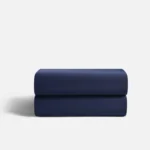 SuperCool+ Flat Sheet
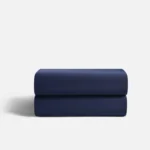 SuperCool+ Fitted Sheet
 Pillowcases
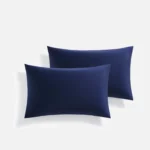 SuperCool+ Pillowcases
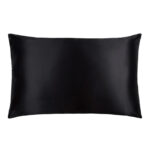 Cooling Silk Pillowcase
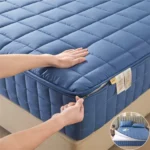 Mattress Protectors
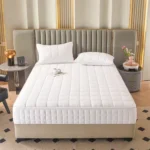 Quilted Mattress Protector
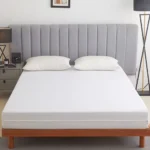 Waterproof Mattress Protector
 Floor Mats

Antibacterial Bed Sheets

What Are Antibacterial Bed Sheets?
Antibacterial bed sheets are bed linens treated or made with materials that inhibit the growth of bacteria, fungi, and other microorganisms. They protect sleepers from pathogens that accumulate naturally during sleep. Humans shed millions of skin cells per night. Those cells feed dust mites and bacteria. Antibacterial sheets slow or stop that microbial growth directly at the fabric level.
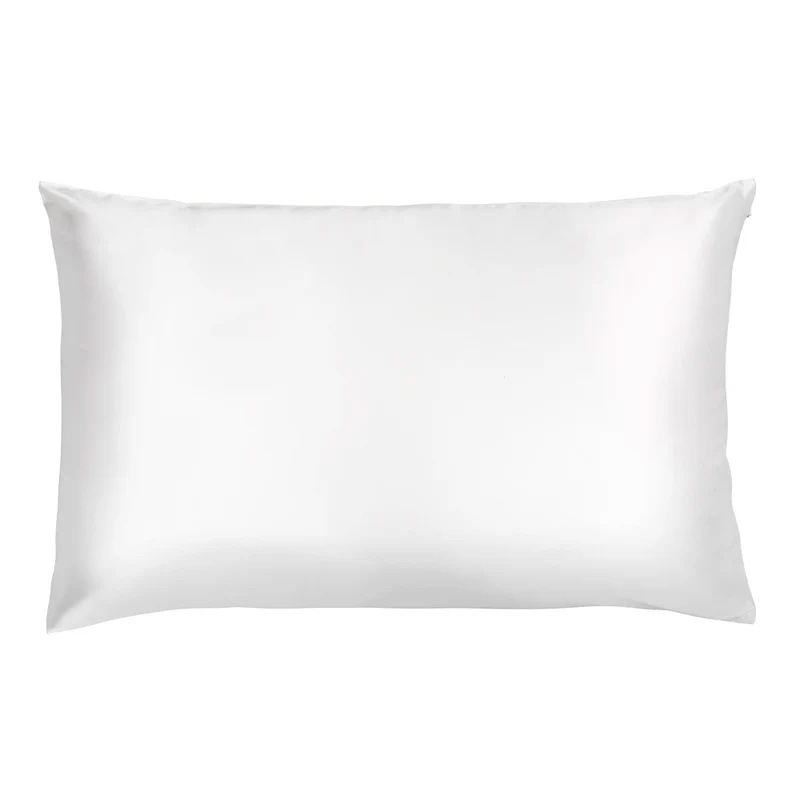
Your pillow shouldn’t steal your glow while you sleep. The lululinens LUXY LU 100% Mulberry Silk Pillowcase reduces friction, minimizes sleep creases, and keeps hair frizz-free. Pure mulberry silk offers temperature-regulating softness that’s hypoallergenic and gentle. Wake up looking as rested as you feel.
These sheets are not a new concept, but the technology behind them has advanced significantly. Early versions relied on chemical coatings that faded with washing. Modern antibacterial sheets use fiber-level treatments, natural materials, or woven silver or copper threads that maintain antimicrobial properties wash after wash.
A Brief History of Antimicrobial Textiles
The concept of antimicrobial fabric dates back thousands of years. Ancient Egyptians used linen — a naturally antimicrobial fiber — to wrap mummies and dress wounds. Silver has been used medicinally since at least 400 BC. Roman soldiers stored water in silver vessels to prevent bacterial growth.
The modern antimicrobial textile industry began in earnest in the 1940s and 1950s. Military applications drove early development. The U.S. Army funded research into fabrics that could resist bacterial growth in tropical environments. By the 1970s and 1980s, hospitals adopted antimicrobial textiles to reduce infection risk in clinical settings.
Consumer-grade antibacterial bed sheets entered the mainstream market in the 1990s. Advances in nanotechnology during the 2000s transformed the field. Manufacturers began embedding silver nanoparticles directly into fibers, achieving durable, wash-resistant antimicrobial performance. Today the market spans everything from budget polyester blends to premium Egyptian cotton sheets with copper-infused threads.
How Antibacterial Technology Works in Bed Sheets
There are three primary mechanisms used in modern antibacterial bed linens.
1. Silver-Ion Technology
Silver ions are the most widely used antimicrobial agent in textiles. Silver releases positively charged ions that bond to the negatively charged cell walls of bacteria. This disrupts the cell membrane and prevents replication. Sheets made with silver threads or silver-ion treatments carry this effect continuously.
Silver can be introduced into fabric in two ways:
- Woven silver threads: Actual silver filaments are woven into the fabric structure. This is the most durable method.
- Silver-ion coating: A post-production chemical process treats the fabric surface. This is less expensive but fades faster with repeated washing.
2. Copper-Infused Fibers
Copper works similarly to silver. It disrupts bacterial and viral cell membranes on contact. Copper oxide particles are bonded into synthetic fibers during manufacturing. The result is a fiber that retains antimicrobial properties throughout its lifespan. Copper-infused sheets have shown effectiveness against MRSA (methicillin-resistant Staphylococcus aureus) in clinical trials.
3. Natural Antimicrobial Fibers
Some base materials carry inherent antimicrobial properties without any added treatment:
- Bamboo: Contains a natural antimicrobial bio-agent called bamboo kun. It resists bacterial growth and odor naturally.
- Linen (flax): Its structure wicks moisture rapidly, which starves bacteria of the humid environment they need to thrive.
- Merino wool: Resists microbial growth due to its natural lanolin content and moisture-management properties.
Technical Specifications to Look For
When buying antibacterial bed sheets, evaluate these key specifications:
| Specification | What It Means | What to Look For |
|---|---|---|
| Antimicrobial agent | The active ingredient fighting bacteria | Silver ions, copper oxide, or natural fiber (bamboo, linen) |
| Thread count | Threads per square inch of fabric | 200–400 for breathability; 400–600 for softness |
| Wash durability | How many washes the treatment survives | 50+ washes for treated fabric; lifetime for woven silver/copper |
| Test certification | Independent lab verification | OEKO-TEX, AATCC 100, ISO 20645 |
| Fabric base | The core material | Cotton, bamboo, linen, polyester, or blends |
| Weave type | Affects texture and airflow | Percale (crisp, cool), sateen (smooth, warm), twill (durable) |
Certification Standards Explained
- AATCC 100 — The American Association of Textile Chemists and Colorists standard for measuring antibacterial activity in fabrics.
- ISO 20645 — An international standard that tests agar diffusion in fabrics to determine antimicrobial performance.
- OEKO-TEX Standard 100 — Certifies that the sheet contains no harmful chemicals. Important when silver or copper treatments are involved.
- GOTS (Global Organic Textile Standard) — Applies specifically to organic natural fiber sheets like bamboo and cotton.
Always look for independent third-party certification. Manufacturer self-claims are not a reliable substitute.
Key Benefits of Antibacterial Bed Sheets
Antibacterial bed sheets offer measurable benefits for a range of sleepers.
Reduced Acne and Skin Irritation
Bacteria on pillowcases contribute to acne, particularly along the jawline and cheeks. Antimicrobial sheets reduce the bacterial load on the fabric surface. This lowers the transfer of bacteria back to skin during sleep.
Odor Control
Standard sheets develop odor-causing bacteria within days. Antibacterial treatments inhibit those bacteria, keeping sheets fresher between washes. This is especially valuable for people who sweat heavily during sleep.
Allergy and Asthma Relief
Dust mites feed on the dead skin cells that collect in sheets. Reducing bacterial activity also reduces the organic matter dust mites consume. Some antimicrobial sheets have anti-dust mite ratings as well. This benefits people with allergies or asthma.
Protection for Sensitive Groups
People with compromised immune systems, elderly individuals, and post-surgical patients benefit from reduced microbial exposure during sleep. Hospitals use antimicrobial textiles precisely for this reason.
Extended Freshness Between Washes
Standard sheets should be washed every one to two weeks. Antibacterial sheets can remain hygienic for longer periods without accumulating the same level of microbial growth. This is a practical benefit for busy households.
Your pillow shouldn’t steal your glow while you sleep. The lululinens LUXY LU 100% Mulberry Silk Pillowcase reduces friction, minimizes sleep creases, and keeps hair frizz-free. Pure mulberry silk offers temperature-regulating softness that’s hypoallergenic and gentle. Wake up looking as rested as you feel.
Antibacterial Bed Sheets vs. Regular Sheets
| Feature | Regular Sheets | Antibacterial Sheets |
|---|---|---|
| Bacterial growth | Grows rapidly after first use | Inhibited at the fiber level |
| Odor development | Noticeable within days | Slower; often a week or more |
| Wash frequency needed | 1–2 weeks | Can extend slightly longer |
| Skin benefit | Neutral | Reduces acne-causing bacteria |
| Allergy support | Limited | Higher, especially with dust mite resistance |
| Cost | Lower upfront | Higher upfront, longer performance life |
| Eco profile | Varies by material | Varies; natural options available |
Maintenance and Care for Antibacterial Bed Sheets
Proper care preserves the antimicrobial properties of your sheets.
Washing Guidelines
- Use cold or warm water (below 60°C / 140°F). High heat degrades silver-ion coatings and some synthetic treatments.
- Use a mild, phosphate-free detergent. Harsh detergents strip antimicrobial finishes.
- Avoid bleach. Bleach destroys silver-ion treatments and damages copper-infused fibers.
- Avoid fabric softeners. They coat fibers and block the antimicrobial surface from making contact with bacteria.
Drying Guidelines
- Air dry or use a low-heat tumble dry setting.
- High dryer heat degrades surface treatments faster than natural drying.
- For bamboo sheets, air drying in shade preserves fiber integrity and color.
How Often to Wash
Antibacterial sheets still need regular washing. They reduce bacterial growth but do not eliminate all debris, dead skin cells, or body oils. A weekly to fortnightly wash cycle remains appropriate for most users.
Storage
Store sheets in a cool, dry, well-ventilated space. Compressed storage in plastic reduces airflow and can promote mildew even on antimicrobial fabrics.
Who Should Buy Antibacterial Bed Sheets?
Antibacterial bed sheets suit specific situations particularly well:
- People with acne-prone or sensitive skin
- People who experience night sweats
- Anyone with allergies, asthma, or dust mite sensitivity
- Caregivers for elderly or immunocompromised individuals
- Parents buying sheets for young children
- Anyone recovering from surgery or illness
- People who travel and need sheets for guest rooms used infrequently
Standard sleepers can also benefit from the freshness and odor resistance, though the performance difference over premium regular sheets is more pronounced for the groups above.
How to Choose the Right Antibacterial Bed Sheets: A Step-by-Step Summary
Follow these steps to make a confident purchase:
- Identify your primary need. Decide if you want sheets for acne control, allergy relief, odor management, or general hygiene. Your use case determines which antimicrobial technology matters most.
- Choose the antimicrobial mechanism. Silver ions offer the broadest antibacterial spectrum. Copper works well against viruses and bacteria. Natural fibers like bamboo are a chemical-free option for sensitive skin.
- Check for third-party certifications. Look for AATCC 100, ISO 20645, or OEKO-TEX labels. Reject unverified claims.
- Match the fabric base to your sleep style. Hot sleepers benefit from bamboo or percale cotton. Cold sleepers do well with sateen or flannel. Linen suits warm climates.
- Evaluate thread count in context. Thread count only matters within the same fiber type. A 300-thread-count bamboo sheet can outperform a 600-thread-count polyester sheet in breathability and feel.
- Check wash durability ratings. If the antimicrobial treatment only lasts 20 washes, it will fade within six months. Look for products rated at 50+ washes or made with woven silver or copper threads.
- Read independent reviews. Look for verified reviews that specifically mention performance after multiple washes. Initial softness and antimicrobial claims are easy to market; durability is what separates good products from great ones.
- Visit a specialist linen retailer. Specialty retailers like lululinens carry curated selections of high-quality sheets. Staff can guide you toward the right construction for your specific needs.
Final Thoughts
Antibacterial bed sheets combine centuries of knowledge about antimicrobial materials with modern textile science. They offer real, measurable benefits for skin health, allergy management, and sleep hygiene. The technology ranges from simple natural fibers to sophisticated silver-ion treatments woven directly into the fabric. Choosing the right sheet means matching the antimicrobial mechanism to your personal health priorities, verifying the claims through independent certification, and maintaining the sheets properly to preserve performance over time.
A quality set of antibacterial sheets is a long-term investment in better sleep health. The upfront cost is higher than standard sheets, but the extended freshness cycle, skin benefits, and hygiene improvements deliver lasting value.
Your pillow shouldn’t steal your glow while you sleep. The lululinens LUXY LU 100% Mulberry Silk Pillowcase reduces friction, minimizes sleep creases, and keeps hair frizz-free. Pure mulberry silk offers temperature-regulating softness that’s hypoallergenic and gentle. Wake up looking as rested as you feel.