 Comforters
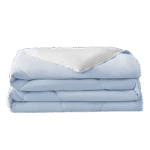 SuperCool Comforter
 SuperCool Light Comforter
 SuperCool Kids Comforter
 Blankets
 Teddy Bear Blanket
 Sheets
 SuperCool+ Starter Sheet Set
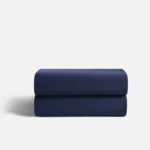 SuperCool+ Flat Sheet
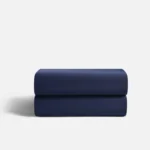 SuperCool+ Fitted Sheet
 Pillowcases
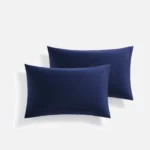 SuperCool+ Pillowcases
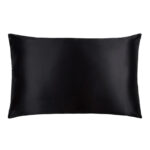 Cooling Silk Pillowcase
 Mattress Protectors
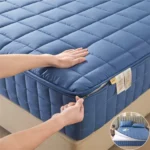
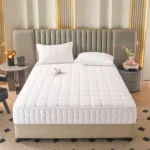 Quilted Mattress Protector
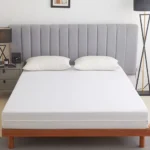 Waterproof Mattress Protector
 Floor Mats


What Is the Best Cooling Blanket?

"A cooling blanket should pull heat and moisture away from your body, not trap it. The best option pairs a breathable fiber, a light fill, and a fabric that feels cool on contact. This guide explains the specifications, benefits, and care steps that separate a truly cool blanket from a marketing claim."
Hot sleepers know the pattern. You fall asleep comfortable, overheat by 2 a.m., and kick the covers off. A cooling blanket targets that problem directly. It regulates heat instead of hiding it under extra layers. The right choice improves sleep quality, not just comfort.
Many products claim to cool, but few publish numbers. Fabric type, fill, weave, and weight decide the result. This guide explains each factor so you can judge any blanket by its specifications. It also covers history, benefits, care, and a seven-step buying checklist.
Cool Touch
FEELS COLD ON CONTACT
Moisture Control
WICKS SWEAT AWAY
Airflow
LETS HEAT ESCAPE
These three traits define a good cooling blanket. The sections below show how to measure each one.
Our Top Pick
Sleep Cooler Tonight
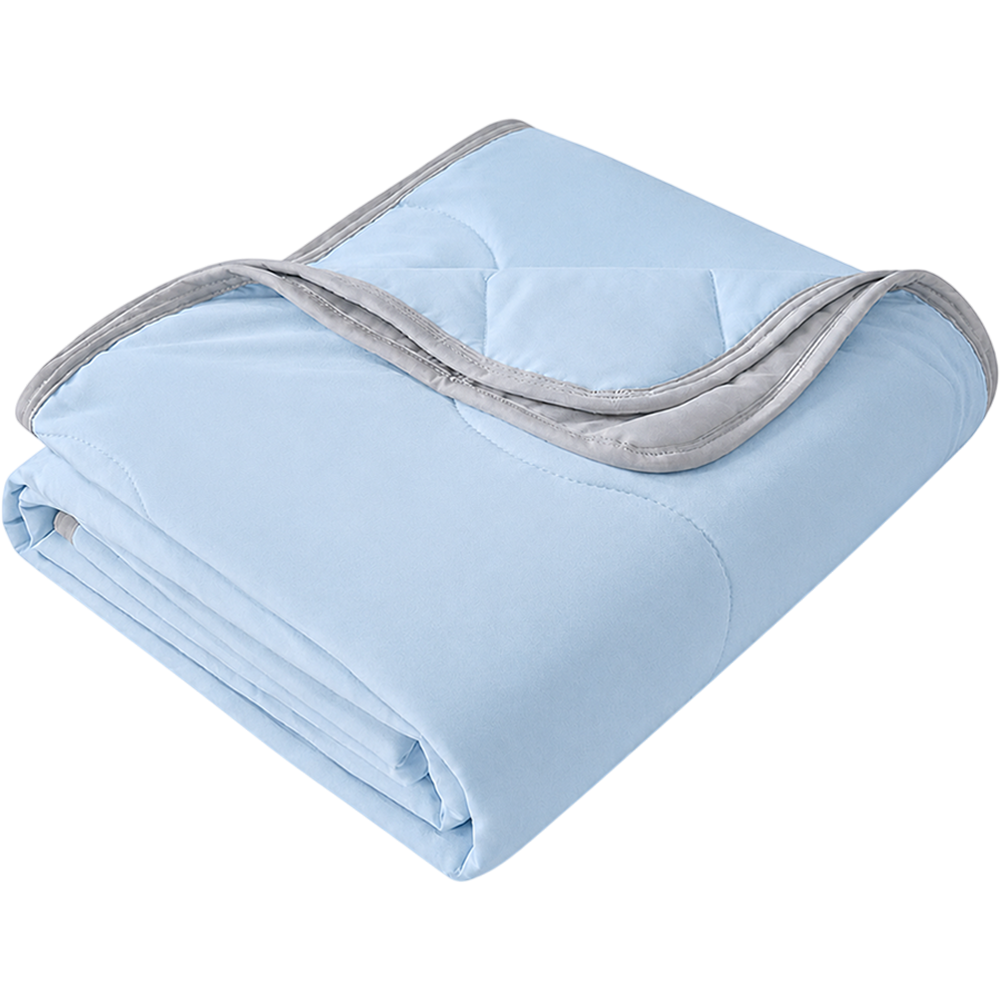
Hot sleepers who want a ready answer can start here. The SuperCool Chill Core Comforter feels cool on both sides, wicks moisture, and washes in a home machine.
★★★★★
lululinens SuperCool Chill Core Comforter
Q-Max 0.40 · Moisture-wicking · Machine Washable
Stay cool on both sides all night with a machine-washable comforter built for hot sleepers.
- Cool to the touch on both sides
- Moisture-wicking, breathable fill
- Hypoallergenic, no duvet cover needed
- Quick-drying Sorona fill
- No cooling additives or chemicals
- Silky, stretchy nylon-spandex shell
THE 2 A.M. PROBLEM
Why You Wake Up Sweating
Your body cools itself to fall asleep. Core temperature drops by about 1°C overnight, and sleep quality depends on that drop. Heavy bedding interrupts it. Blankets trap body heat and humidity against your skin, and your body responds by sweating.
Sleep researchers link overheating to restless nights, frequent wake-ups, and less time in deep sleep. Three factors raise the risk:
- Dense fill holds heat close to the body.
- Low breathability blocks moisture vapor from escaping.
- Warm rooms above roughly 67°F (19°C) slow heat loss.
A cooling blanket addresses the first two factors. Room temperature still matters, so pair the blanket with a bedroom between 60°F and 67°F. Night sweats from illness or medication need a doctor's advice, not a new blanket.
FROM LINEN TO LAB DATA
How Cooling Bedding Evolved
People cooled their beds long before modern fibers existed. Ancient Egyptians slept under linen, a plant fiber that breathes and dries fast. Bamboo sleeping mats kept summer beds cool across East Asia for centuries.
Cotton became the default blanket fabric during the industrial era, when mills made it affordable for every household. Polyester fills arrived in the mid-20th century. They made bedding cheap but trapped heat. In the 1980s, NASA-linked research on phase change materials inspired temperature-regulating textiles. Bamboo viscose and eucalyptus-based lyocell followed in the 2000s. Today, brands publish Q-Max values, a lab measure of how cool a fabric feels on contact. That shift matters. Shoppers can now compare cooling claims with data instead of trusting packaging alone. Textile engineers keep refining fibers, weaves, and fills, and each generation sleeps cooler than the last.
READ THE LABEL LIKE A PRO
Specs That Actually Cool
Check these specifications before you buy:
- Q-Max: Measures peak heat flow from skin to fabric in the first second of contact. Higher values feel cooler. Cotton scores about 0.11, and silk scores about 0.19.
- Fiber type: Nylon blends, lyocell, bamboo viscose, linen, and cotton each breathe differently. Natural fibers absorb moisture, while engineered fibers move it faster.
- Fill material: Down alternatives, lyocell, and cotton batting hold less heat than dense polyester.
- Moisture wicking: The speed at which fabric moves sweat to the surface to evaporate.
- Weight (GSM): Grams per square meter. Lower numbers mean less insulation. Heavier blankets feel warmer, even with breathable fabric.
- Weave: Percale breathes more than sateen.
- Thermal resistance (tog): Lower tog means cooler. Summer duvets typically rate 4.5 tog or below.
- Certifications: OEKO-TEX Standard 100 confirms the fabric contains no harmful substances at tested levels.
No single number tells the whole story. A high Q-Max value feels cool for the first minutes. Moisture wicking and breathability keep you cool for the following hours. Read all three together. A low tog rating adds a further margin on hot nights.
WHAT CHANGES FROM NIGHT ONE
Six Benefits You Feel Fast
A good cooling blanket delivers six practical gains. Each one targets a specific cause of overheating, so the benefits build on each other.
Lower Skin Temperature
Cool-touch fabric draws heat away on contact.
Drier Nights
Wicking fibers move sweat off your skin.
Better Airflow
Breathable fill lets trapped heat escape.
Deeper Sleep
Fewer wake-ups from overheating.
Lighter Feel
Low-weight layers reduce pressure and warmth.
Easy Care
Washable fabrics stay fresh night after night.
"I used to wake up hot every night. A proper cooling blanket fixed that within a week."
— Sarah K.
Better sleep also improves mood, focus, and energy the next day. These gains also help partners. Hot sleepers move less when they stay comfortable, and their partners wake less often. Couples with different temperature needs can use separate blankets on one bed.
Our Top Pick
No Cover, No Trapped Heat
This comforter works without a duvet cover, so the cool-touch shell meets your skin directly. Its Sorona fill breathes, and the shell skips cooling additives and chemicals.
★★★★★
lululinens SuperCool Chill Core Comforter
Q-Max 0.40 · Moisture-wicking · Machine Washable
Stay cool on both sides all night with a machine-washable comforter built for hot sleepers.
- Cool to the touch on both sides
- Moisture-wicking, breathable fill
- Hypoallergenic, no duvet cover needed
- Quick-drying Sorona fill
- No cooling additives or chemicals
- Silky, stretchy nylon-spandex shell
WHICH FABRIC WINS?
Cooling Fabrics Head-to-Head
This table compares common blanket fabrics for hot sleepers. Ratings reflect typical performance. Weave, finish, and blend ratios change the result.
|
Fabric |
Cool Feel |
Moisture Wicking |
Breathability |
Best For |
|---|---|---|---|---|
|
Cotton |
Moderate |
Moderate |
Good |
Mild climates |
|
Linen |
Good |
Good |
Excellent |
Humid heat |
|
Bamboo viscose |
Good |
Good |
Good |
Soft feel |
|
Lyocell |
Good |
Excellent |
Excellent |
Sensitive skin |
|
Silk |
Good |
Moderate |
Good |
Light layering |
|
Cool-touch nylon blend |
Excellent |
Excellent |
Good |
Hot sleepers |
|
Polyester |
Poor |
Poor |
Low |
Budget buyers |
Cotton and linen suit dry, warm climates. Lyocell and bamboo viscose handle humidity better. Cool-touch nylon blends deliver the strongest first-contact chill. Polyester costs less but holds heat, so it rarely suits hot sleepers.
Pros
- Lower skin temperature on contact
- Less sweat and fewer wake-ups
- Lighter weight than standard comforters
Cons
- Higher price than basic bedding
- Cool-touch effect fades as the fabric warms
- Slick fabrics may feel different from cotton
PROTECT THE COOL
Wash It Right, Keep It Cool
Read the care label first. These steps suit most cooling blankets:
- Wash on a gentle cycle in cold or warm water. Check that your machine drum is large enough for the blanket.
- Use mild detergent. Skip fabric softener, because it coats fibers and reduces moisture wicking.
- Avoid bleach. It weakens fibers and fill. Choose an oxygen-based stain remover if needed.
- Dry on low heat or hang dry. High heat damages fibers and fill.
- Wash monthly in summer and every two to three months otherwise.
- Store the blanket in a breathable cotton bag, not plastic.
Regular care keeps the fabric breathable and the fill lofty. Spot-clean small stains right away with a damp cloth and mild soap. Shake the blanket out after washing to restore the fill. Air the blanket in a shaded, ventilated spot before storing it for the season. Sunlight can fade colors and weaken some fibers.
BUY WITH CONFIDENCE
Choose Your Cooling Blanket
Follow these steps to pick the right cooling blanket:
- Set your goal. Decide if you need cool-touch relief at bedtime or all-night temperature control. Note whether you sweat, overheat, or both.
- Check the Q-Max value. Brands that publish a number deserve more trust than brands that do not.
- Match the fiber to your climate. Choose wicking fibers for humid rooms and linen or cotton for dry heat. Allergy-prone sleepers should pick hypoallergenic fills.
- Pick the weight. Choose a lower GSM or tog rating for summer.
- Confirm certifications. Look for OEKO-TEX Standard 100. Skip blankets that rely on unlisted cooling chemicals or coatings, because those can wash out.
- Check the care label. Machine-washable blankets save time and money.
- Read the return policy. A trial period lets you test the blanket through real nights.
Size matters too. Choose a blanket that covers your mattress, and check the dimensions against your bed. Couples should confirm the blanket is wide enough to share without pulling.
Our Top Pick
Test It for 30 Nights
A 30-night money-back guarantee and free worldwide shipping remove the risk. The comforter also carries a one-year limited warranty, so you can test it through a full hot spell.
★★★★★
lululinens SuperCool Chill Core Comforter
Q-Max 0.40 · Moisture-wicking · Machine Washable
Stay cool on both sides all night with a machine-washable comforter built for hot sleepers.
- Cool to the touch on both sides
- Moisture-wicking, breathable fill
- Hypoallergenic, no duvet cover needed
- Quick-drying Sorona fill
- No cooling additives or chemicals
- Silky, stretchy nylon-spandex shell
FAQ
The best blanket combines a high Q-Max value, moisture-wicking fibers, a breathable fill, and a light weight. Machine-washable care and a fair return policy complete the list.
Yes, within limits. They pull heat and sweat away from your body, but they cannot offset a very hot bedroom. Set your thermostat or run a fan for the best results.
Q-Max measures how fast a fabric draws heat from your skin on first contact. A higher number feels cooler.
Cool-touch nylon blends feel coldest on contact. Linen and lyocell offer the best airflow and moisture control. Your climate decides which strength matters more.
Yes. Pair it with a warmer layer on cold nights and remove that layer when the room heats up. Heated bedrooms often feel warm even in January.
Wash it monthly in summer and every two to three months otherwise. Always follow the care label. Washing more often than the label allows can shorten the blanket's life.
Final Verdict
The best cooling blanket feels cool on contact, wicks sweat, and lets heat escape. Check the Q-Max value, fiber, fill, and weight before you buy. Confirm that you can wash it at home and return it if it fails. Match those specifications to your climate, and you will sleep cooler. Start with your biggest problem. If sweat wakes you, prioritize moisture wicking. If heat builds fast at bedtime, prioritize Q-Max and airflow. Then compare two or three blankets against the steps above and choose the one with the clearest published numbers.
Cool fabric, free airflow, and a simple wash routine make every night easier to sleep through. 🧊
