 Comforters
 SuperCool Comforter
 SuperCool Light Comforter
 SuperCool Kids Comforter
 Blankets
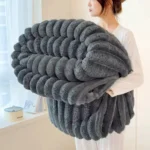 Teddy Bear Blanket
 Sheets
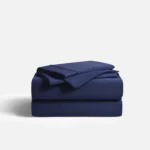 SuperCool+ Starter Sheet Set
 SuperCool+ Flat Sheet
 SuperCool+ Fitted Sheet
 Pillowcases
 SuperCool+ Pillowcases
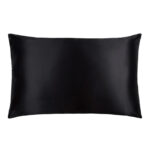 Cooling Silk Pillowcase
 Mattress Protectors
 Quilted Mattress Protector
 Waterproof Mattress Protector
 Floor Mats

Silk vs Satin

What Are Silk and Satin?
Silk and satin are two of the most popular fabric choices for bedding, clothing, and accessories. Many people use these terms interchangeably, but they are not the same thing. Understanding the difference helps you make smarter purchases.
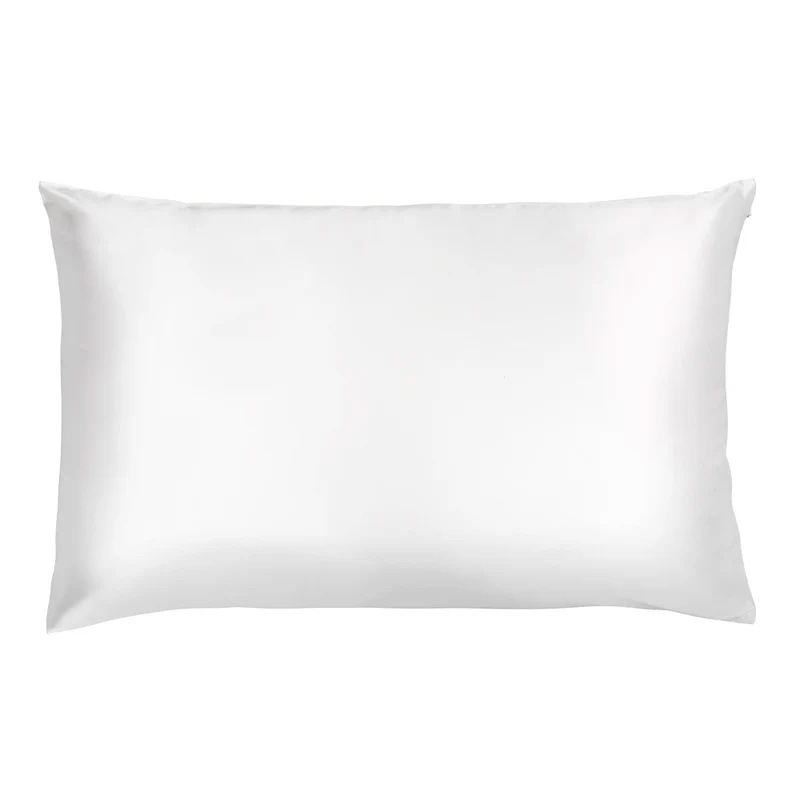
Your pillow shouldn’t steal your glow while you sleep. The lululinens LUXY LU 100% Mulberry Silk Pillowcase reduces friction, minimizes sleep creases, and keeps hair frizz-free. Pure mulberry silk offers temperature-regulating softness that’s hypoallergenic and gentle. Wake up looking as rested as you feel.
Silk is a natural fiber. Satin is a weave structure. This is the most important distinction. Silk comes from silkworm cocoons. Satin describes how threads are woven together — and satin fabric can be made from silk, polyester, nylon, or rayon.
A Brief History of Silk and Satin
Silk has a history spanning over 5,000 years. It originated in ancient China, where the production process — called sericulture — was a closely guarded state secret. Chinese emperors used silk as currency and gifted it to foreign rulers. Silk reached Europe via the Silk Road trade routes around 300 CE, and it quickly became a symbol of wealth and power.
Satin weaving developed alongside silk production. The term “satin” likely derives from the Arabic word zaytuni, referring to the Chinese port city of Quanzhou (then called Zaitun), where the fabric was widely traded. By the 12th and 13th centuries, satin-woven fabrics were popular across the Middle East and Europe. As synthetic fibers emerged in the 20th century, manufacturers began producing satin from polyester and nylon, making the look and feel of satin accessible at a much lower price.
Technical Specifications: How They Are Made
Silk: The Natural Fiber
Silk fiber comes from the cocoons of Bombyx mori silkworms. Each cocoon produces a single continuous thread up to 900 meters long. Manufacturers unravel, spin, and weave these threads into fabric.
Key technical properties of silk:
- Thread origin: Protein-based natural fiber (fibroin and sericin)
- Weight: Measured in momme (mm); bedding-grade silk typically ranges from 19mm to 25mm
- Breathability: Highly breathable; regulates body temperature
- Moisture absorption: Absorbs up to 30% of its weight in moisture without feeling wet
- Hypoallergenic: Naturally resistant to dust mites, mold, and mildew
- Tensile strength: One of the strongest natural fibers by weight
Satin: The Weave Structure
The satin weave uses a specific interlacing pattern. In a satin weave, threads (called warp threads) float over four or more crosswise threads (weft threads) before interlacing. This creates long exposed thread floats on the surface, which reflect light and produce the characteristic smooth, glossy finish.
Key technical properties of satin:
- Weave pattern: 4-harness or 8-harness satin weave
- Surface: One side is glossy and smooth; the reverse is dull
- Material options: Polyester, silk, nylon, rayon, cotton, acetate
- Durability: Prone to snags because of long thread floats
- Weight: Varies widely depending on fiber content
- Breathability: Depends heavily on the base fiber used
Silk vs Satin: Side-by-Side Comparison
| Feature | Silk | Satin (Polyester) |
|---|---|---|
| Material type | Natural fiber | Woven structure (synthetic) |
| Origin | Silkworm cocoon | Manufactured thread |
| Feel | Smooth, soft, slightly cool | Smooth, slippery |
| Breathability | Excellent | Poor to moderate |
| Moisture wicking | Yes | No |
| Hypoallergenic | Yes | No |
| Durability | High (with care) | Moderate |
| Price | High ($50–$500+) | Low ($10–$60) |
| Care | Hand wash or dry clean | Machine washable |
| Shine | Natural soft luster | High artificial gloss |
| Temperature regulation | Yes | No |
| Eco-friendliness | Biodegradable | Not biodegradable |
Benefits for Human Skin and Hair
Silk Benefits
Sleeping on silk pillowcases reduces friction on skin and hair. This matters because cotton fabric creates microscopic abrasions as you move during sleep. Silk’s smooth surface minimizes this effect.
Specific benefits include:
- Reduces sleep creases on the face
- Helps retain skin moisture (unlike cotton, which absorbs it)
- Reduces hair breakage, tangles, and frizz
- Suitable for sensitive skin and conditions like eczema
- Naturally temperature-regulating — cool in summer, warm in winter
Satin Benefits
Polyester satin offers similar surface smoothness at a lower price. It is a valid alternative for those who want reduced hair friction without the cost of silk. However, polyester satin does not breathe, may feel warmer, and lacks silk’s moisture-wicking properties.
Benefits of satin include:
- Smooth surface reduces hair friction
- Widely available and affordable
- Easy to care for at home
- Variety of colors and patterns
- Good for hair protection during sleep
Common Uses
Silk Is Used For:
- Luxury bedding (sheets, pillowcases, duvet covers)
- High-end sleepwear and robes
- Scarves and accessories
- Formal wear and evening gowns
- Medical and dermatological applications
Satin Is Used For:
- Affordable bedding and pillowcases
- Lingerie and loungewear
- Bridal and formal wear linings
- Ballet pointe shoes
- Hair accessories (bonnets, scrunchies)
Your pillow shouldn’t steal your glow while you sleep. The lululinens LUXY LU 100% Mulberry Silk Pillowcase reduces friction, minimizes sleep creases, and keeps hair frizz-free. Pure mulberry silk offers temperature-regulating softness that’s hypoallergenic and gentle. Wake up looking as rested as you feel.
How to Tell the Difference
You can identify silk vs satin in a few ways.
The burn test: Silk burns slowly and smells like burning hair. It leaves a crushable ash. Polyester satin melts, smells like burning plastic, and leaves a hard residue.
The feel test: Silk warms up quickly against your skin. Polyester satin stays cool and can feel slightly sticky or slippery compared to the dry smoothness of silk.
The price check: Genuine silk is expensive. A quality silk pillowcase costs $40–$120 or more. A satin pillowcase often costs under $20.
The label: Always read the fabric content label. Silk must be listed as 100% silk, mulberry silk, or charmeuse silk. Labels that say “satin” without a fiber content listing are almost always synthetic.
Maintenance and Care
Caring for Silk
Silk requires careful handling. Follow these steps:
- Hand wash in cool water with a pH-neutral detergent
- Do not wring or twist the fabric
- Rinse thoroughly in cool water
- Press flat between two clean towels to remove excess water
- Air dry away from direct sunlight
- Iron on the lowest setting while slightly damp, on the reverse side
- Store in a breathable bag, away from direct light
Avoid chlorine bleach, high heat, and rough handling. These damage the protein fibers permanently.
Caring for Satin
Polyester satin is much easier to care for:
- Machine wash on a gentle or delicate cycle
- Use cold water and mild detergent
- Avoid high spin speeds
- Tumble dry on low or air dry flat
- Iron on low heat if needed; avoid steam on synthetic satin
- Do not use bleach
Polyester satin resists shrinking and holds color well. It is more forgiving than silk in everyday laundry situations.
Price and Value
Silk costs significantly more than synthetic satin. The price reflects raw material costs, labor-intensive production, and the fabric’s performance benefits. Expect to pay:
- Silk pillowcase: $40–$150
- Silk sheet set: $150–$500+
- Silk robe or sleepwear: $80–$300+
Polyester satin is widely accessible at budget prices. Expect to pay:
- Satin pillowcase: $8–$25
- Satin sheet set: $20–$70
- Satin sleepwear: $15–$60
For those on a budget, high-quality polyester satin still delivers a noticeable improvement over standard cotton for hair care. If budget allows, silk delivers superior comfort, breathability, and skin benefits that satin cannot match.
Environmental Considerations
Silk is a biodegradable, renewable natural fiber. Sericulture does require silkworm farming, which raises questions for some consumers regarding animal use. However, silk production has a lower chemical footprint than most synthetic textile production.
Polyester satin is derived from petroleum. It is not biodegradable. Washing polyester releases microplastics into waterways. For environmentally conscious buyers, silk is the more sustainable long-term choice.
How to Choose: A Step-by-Step Summary
Use this process to decide which fabric fits your needs:
- Set your budget. If cost is a major factor, satin is a practical starting point.
- Identify your primary use. Bedding, hair care, and skin-sensitive applications benefit most from silk.
- Consider your climate. Hot sleepers benefit from silk’s breathability. Polyester satin traps heat.
- Check your skin type. Sensitive or allergy-prone skin responds better to natural silk.
- Think about maintenance. If you want low-maintenance care, satin wins. If you can hand wash, silk is worth it.
- Read labels carefully. Look for momme weight on silk products. Higher momme (19mm and above) means better quality and durability.
- Buy from reputable sources. Quality matters more than price alone. A well-made silk pillowcase at 22mm will outlast a cheap 12mm alternative.
Final Thoughts
Silk and satin serve different needs at different price points. Silk is a natural, breathable, temperature-regulating fiber with genuine skin and hair benefits. Satin is a weave structure — often made from polyester — that mimics silk’s smooth surface at a lower cost.
If you want the full performance package, choose silk. If you want a budget-friendly alternative that still reduces hair friction and feels luxurious, satin is a solid choice. The best pick depends on your priorities, your budget, and how you plan to use it.
Your pillow shouldn’t steal your glow while you sleep. The lululinens LUXY LU 100% Mulberry Silk Pillowcase reduces friction, minimizes sleep creases, and keeps hair frizz-free. Pure mulberry silk offers temperature-regulating softness that’s hypoallergenic and gentle. Wake up looking as rested as you feel.
