 Comforters
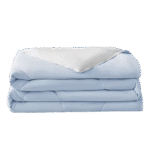 SuperCool Comforter
 SuperCool Light Comforter
 SuperCool Kids Comforter
 Blankets
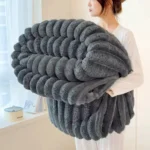 Teddy Bear Blanket
 Sheets
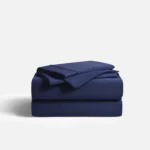 SuperCool+ Starter Sheet Set
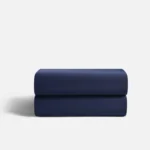 SuperCool+ Flat Sheet
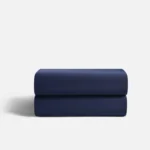 SuperCool+ Fitted Sheet
 Pillowcases
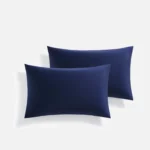 SuperCool+ Pillowcases
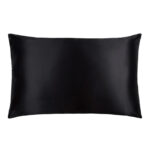 Cooling Silk Pillowcase
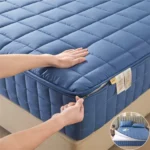 Mattress Protectors
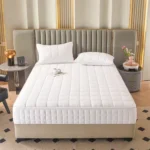 Quilted Mattress Protector
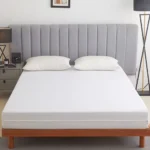 Waterproof Mattress Protector
 Floor Mats

Cool Sheets for Summer

Why Your Sheets Matter More in Summer
Hot nights steal sleep. The wrong sheets trap body heat and leave you waking up damp and uncomfortable. Cool sheets for summer solve this problem directly. They regulate temperature, wick moisture, and allow airflow so your body can cool down naturally.
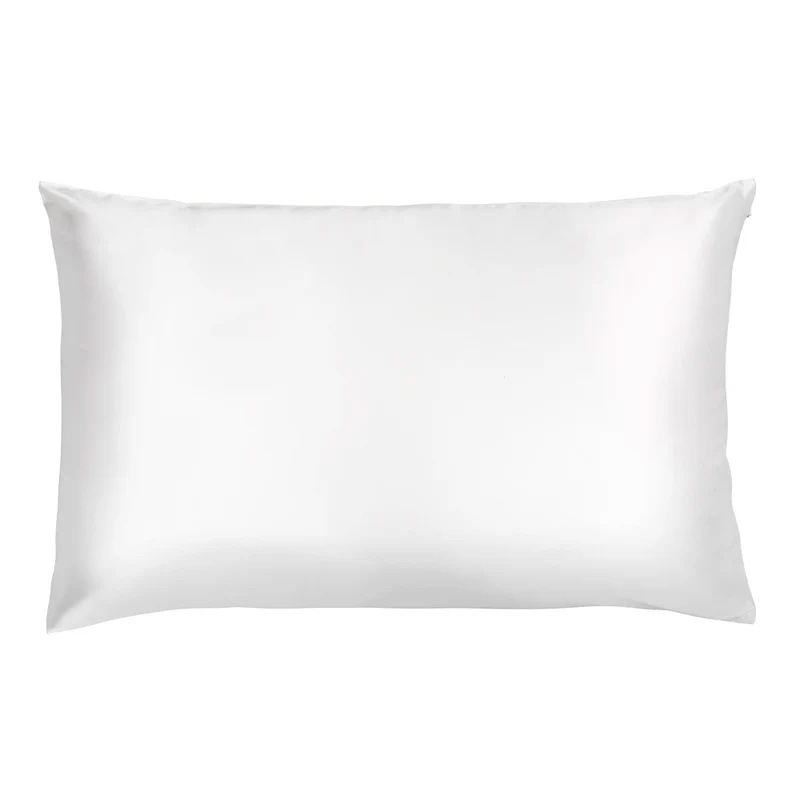
Your pillow shouldn’t steal your glow while you sleep. The lululinens LUXY LU 100% Mulberry Silk Pillowcase reduces friction, minimizes sleep creases, and keeps hair frizz-free. Pure mulberry silk offers temperature-regulating softness that’s hypoallergenic and gentle. Wake up looking as rested as you feel.
Summer bedding is not just a comfort upgrade. Poor sleep from overheating links to reduced focus, mood problems, and weakened immune response. Choosing the right sheets is a practical health decision, not just a luxury one.
This guide covers what makes sheets cool, which materials perform best, how to read technical specs, and how to maintain your investment.
A Brief History of Cool Bedding
Humans have used plant-based fibers for sleep for thousands of years. Linen, woven from flax, dates back over 6,000 years to ancient Egypt. Egyptians slept on linen because the Nile Valley heat demanded breathable fabric. The fiber’s natural hollow structure allowed air to pass through and moisture to evaporate quickly.
Cotton became widely used in bedding during the 18th and 19th centuries as industrial weaving lowered its cost. Early percale and muslin weaves were valued for their lightness and breathability in warm climates.
Bamboo-derived fabrics entered the textile market in the early 2000s. They gained popularity because of their softness and moisture-wicking ability. However, most bamboo fabric is processed into viscose or rayon, which changes the fiber’s original properties.
Tencel (lyocell), developed in the 1990s, is made from wood pulp using a closed-loop water system. It became favored in temperature-regulating bedding because of its smooth fiber structure and excellent moisture management.
Today, cooling technology in sheets has advanced to include phase-change materials (PCMs) and moisture-wicking weaves engineered specifically for hot sleepers.
Key Materials for Cool Summer Sheets
Choosing the right material is the most important decision you will make. Each fiber has specific thermal and moisture properties.
Percale Cotton
Percale is a weave, not a fiber. It uses a one-over, one-under weave pattern with a thread count between 200 and 400. This creates a crisp, matte surface with a tight but breathable structure.
Percale cotton is the most widely recommended material for summer. It does not trap heat and gets softer with every wash. High-quality percale uses long-staple cotton like Egyptian or Pima cotton, which produces stronger, finer threads.
Linen
Linen is made from flax fibers. It has a naturally coarse texture that softens over time. Its hollow fiber structure promotes airflow and absorbs up to 20% of its weight in moisture before feeling damp.
Linen sheets are heavier than cotton but sleep much cooler. They regulate temperature in both directions, keeping you cool in summer and warm in winter. Linen is also highly durable, lasting 20 to 30 years with proper care.
Tencel (Lyocell)
Tencel sheets have a silky smooth surface and high moisture-wicking capacity. The fiber absorbs moisture into its core and releases it through evaporation, rather than spreading it across the surface like polyester does.
Tencel is a good choice for hot sleepers who also want softness. It drapes well and resists bacterial growth, which reduces odor on warm nights.
Bamboo Viscose
Bamboo sheets marketed for cooling are usually made from bamboo-derived viscose or rayon. The processing strips most of bamboo’s natural properties. The resulting fabric is soft but has moderate breathability.
Genuine bamboo linen exists but is rare and expensive. Be cautious of claims that bamboo sheets are inherently cooling. Read the fiber label carefully.
What to Avoid in Summer
Avoid polyester, microfiber, and sateen weaves in hot weather. Polyester traps heat and does not breathe. Sateen has a beautiful sheen but its dense weave holds warmth. Flannel is designed for cold weather and should be stored until fall.
Technical Specifications to Know
Understanding these specs helps you compare products accurately.
Thread Count
Thread count measures the number of threads per square inch. For summer, stay in the 200 to 400 range. Higher thread counts do not mean better cooling. Sheets above 600 are often produced using multi-ply threads, which increase weight and reduce breathability.
Weave Type
| Weave | Feel | Breathability | Best For |
|---|---|---|---|
| Percale | Crisp, matte | Excellent | Hot sleepers, summer |
| Sateen | Silky, smooth | Moderate | Mild climates |
| Twill | Soft, durable | Good | Year-round use |
| Jersey | Stretchy, casual | Moderate | Light warmth |
| Linen (plain weave) | Textured, airy | Excellent | Hot, humid climates |
Fabric Weight (GSM)
GSM stands for grams per square meter. It measures fabric density and weight.
- Lightweight: 90–120 GSM — ideal for hot summer nights
- Medium weight: 120–160 GSM — good for spring and early fall
- Heavy weight: 160+ GSM — best for cool or cold seasons
Summer sheets should fall between 90 and 130 GSM for maximum airflow.
Moisture-Wicking Rating
Some brands test and rate moisture absorption and release speed. Look for sheets that absorb moisture quickly and dry fast. Linen and Tencel consistently outperform cotton in moisture release speed.
Your pillow shouldn’t steal your glow while you sleep. The lululinens LUXY LU 100% Mulberry Silk Pillowcase reduces friction, minimizes sleep creases, and keeps hair frizz-free. Pure mulberry silk offers temperature-regulating softness that’s hypoallergenic and gentle. Wake up looking as rested as you feel.
Comparing Top Summer Sheet Materials
| Material | Breathability | Softness | Durability | Price Range | Best Feature |
|---|---|---|---|---|---|
| Percale Cotton | ★★★★★ | ★★★★ | ★★★★ | $$ | Crisp, cool feel |
| Linen | ★★★★★ | ★★★ (improves over time) | ★★★★★ | $$$ | Extreme durability and airflow |
| Tencel (Lyocell) | ★★★★ | ★★★★★ | ★★★★ | $$ | Silky moisture management |
| Bamboo Viscose | ★★★ | ★★★★★ | ★★★ | $$ | Ultra-soft feel |
| Sateen Cotton | ★★ | ★★★★★ | ★★★★ | $$ | Smooth surface, not for hot sleepers |
| Polyester/Microfiber | ★ | ★★★ | ★★ | $ | Budget price only |
Benefits of Cool Summer Sheets
Investing in quality summer sheets provides clear, measurable benefits.
Improved sleep quality. Lower skin temperature is directly linked to deeper sleep stages. Cool sheets help your body reach and maintain its optimal sleep temperature of around 65–68°F (18–20°C).
Reduced night sweats. Moisture-wicking fibers pull sweat away from skin and evaporate it, preventing the clammy feeling that disrupts sleep.
Fewer allergens. Linen and Tencel resist dust mites and mold growth better than synthetic fabrics. This reduces allergic reactions during warm, humid months.
Less odor. Natural fibers resist bacteria that cause odor. You can often wash summer sheets less frequently without noticing buildup.
Longer product life. Quality natural fiber sheets last years longer than synthetic alternatives when cared for properly.
How to Care for Summer Sheets
Proper care extends the life of your sheets and maintains their cooling properties.
Washing
- Wash percale cotton in cold or warm water, up to 104°F (40°C). Hot water causes shrinkage and fiber damage.
- Wash linen on a gentle cycle in cool water. Avoid wringing. Linen softens significantly after the first three to five washes.
- Wash Tencel on a delicate cycle with cold water. Use a gentle, pH-neutral detergent.
- Use mild, fragrance-free detergent across all natural fiber sheets. Harsh detergents degrade fibers and reduce breathability.
Drying
- Air dry linen when possible. Hang it flat or on a line to prevent distortion.
- Tumble dry percale cotton on low heat. Remove while slightly damp and smooth flat.
- Do not over-dry any sheet. Excessive heat breaks down fibers, reduces softness, and causes shrinkage.
Storage
- Store summer sheets clean and completely dry in a cool, dark area.
- Avoid plastic bins, which trap moisture and cause mildew.
- Cotton or linen storage bags allow sheets to breathe during off-season storage.
Frequency
Wash summer sheets every one to two weeks. In very hot weather when you sweat more, wash weekly. Regular washing removes body oils, sweat residue, and dust that reduce breathability over time.
How to Select the Right Cool Sheets for Summer
Follow these steps to choose sheets that will perform well through the hottest months.
- Identify your sleep temperature. Hot sleepers should prioritize percale cotton or linen. Moderate sleepers can consider Tencel or bamboo viscose.
- Choose the right weave. For maximum cooling, choose percale over sateen. Linen’s plain weave is the most breathable option available.
- Check GSM and thread count. Stay under 130 GSM and between 200 and 400 thread count for summer performance.
- Read fiber labels carefully. “Bamboo” sheets are almost always bamboo-derived viscose. “100% long-staple cotton percale” is a precise and reliable label.
- Set a realistic budget. Quality linen or percale sheets cost more upfront but last significantly longer than budget synthetic options.
- Consider your climate. High humidity demands moisture-wicking above all. Dry heat environments benefit from any breathable natural fiber.
- Check return and trial policies. Reputable bedding brands offer trial periods. Use them to test sheets in actual summer conditions before committing.
Final Summary
Cool sheets for summer are a practical investment in sleep quality. The best options are percale cotton, linen, and Tencel. Each offers strong breathability and moisture management. Avoid synthetic fabrics and high-weight weaves during warm months. Pay attention to GSM, thread count, and weave type. Wash sheets regularly in cool water, dry on low heat, and store them clean in breathable bags.
Better sheets do not require a complete bedroom overhaul. A single set of quality summer sheets can make a measurable difference in how well you sleep from June through September.
Your pillow shouldn’t steal your glow while you sleep. The lululinens LUXY LU 100% Mulberry Silk Pillowcase reduces friction, minimizes sleep creases, and keeps hair frizz-free. Pure mulberry silk offers temperature-regulating softness that’s hypoallergenic and gentle. Wake up looking as rested as you feel.
