 Comforters
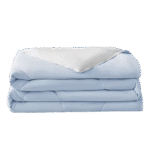 SuperCool Comforter
 SuperCool Light Comforter
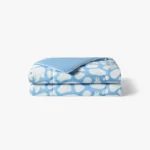 SuperCool Kids Comforter
 Blankets
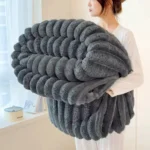 Teddy Bear Blanket
 Sheets
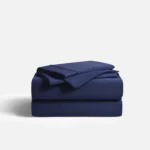 SuperCool+ Starter Sheet Set
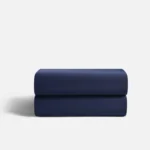 SuperCool+ Flat Sheet
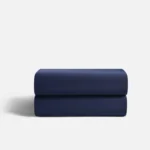 SuperCool+ Fitted Sheet
 Pillowcases
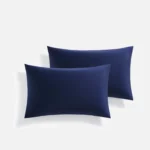 SuperCool+ Pillowcases
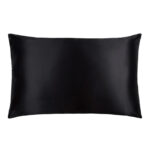 Cooling Silk Pillowcase
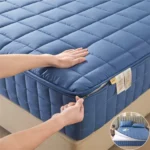 Mattress Protectors
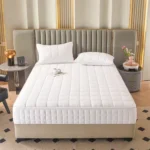 Quilted Mattress Protector
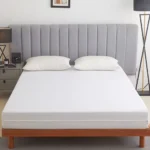 Waterproof Mattress Protector
 Floor Mats

Cooling Sheets for Hot Sleepers

Why Hot Sleepers Need the Right Sheets
Body temperature drops naturally during sleep. For hot sleepers, this process is disrupted. The result is sweating, restlessness, and poor sleep quality. The right sheets can regulate heat, wick moisture, and improve rest significantly.
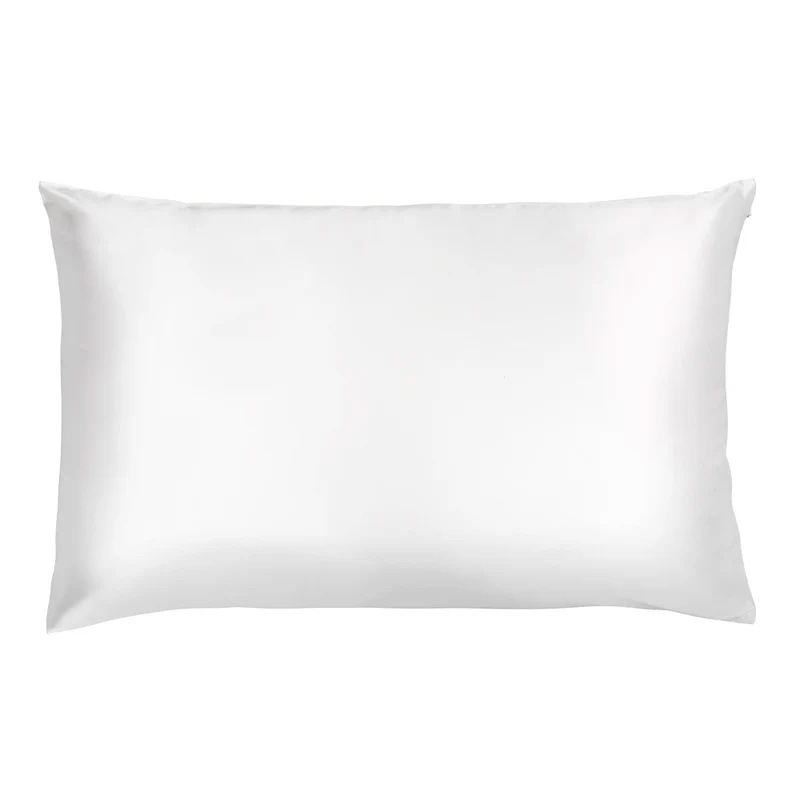
Your pillow shouldn’t steal your glow while you sleep. The lululinens LUXY LU 100% Mulberry Silk Pillowcase reduces friction, minimizes sleep creases, and keeps hair frizz-free. Pure mulberry silk offers temperature-regulating softness that’s hypoallergenic and gentle. Wake up looking as rested as you feel.
Hot sleepers are people whose body temperature rises during sleep. This affects roughly 35% of adults. Causes include hormonal shifts, high room temperature, stress, and medical conditions like hyperhidrosis or menopause-related night sweats.
Standard cotton or polyester sheets trap heat. Cooling sheets use specific materials and weaves to move heat and moisture away from the body. Choosing the right set makes a real, measurable difference.
A Brief History of Cooling Textiles
Early civilizations used linen from flax plants. Ancient Egyptians prized linen for its breathability in hot climates. The fiber structure of linen creates natural air pockets that allow heat to escape.
Bamboo fiber processing became commercially viable in the early 2000s. Manufacturers began extracting cellulose from bamboo stalks to produce a soft, moisture-wicking fabric. This was one of the first major advances in cooling bedding for the modern market.
Tencel, the brand name for lyocell fiber, was developed in the 1990s by Lenzing AG. It uses a closed-loop solvent process to extract cellulose from eucalyptus wood pulp. Tencel gained traction in bedding by the 2010s due to its superior moisture management and temperature regulation.
Phase-change materials (PCMs) entered consumer bedding around 2015. PCMs absorb and release thermal energy at specific temperature thresholds. When integrated into fabric, they actively buffer against overheating.
Today, cooling sheets represent one of the fastest-growing segments in the sleep industry, with new fiber blends and weave technologies entering the market annually.
Key Materials in Cooling Sheets
Linen
Linen is derived from the flax plant. It has a loose, open weave that allows strong airflow. Linen absorbs up to 20% of its weight in moisture before feeling damp. It gets softer with each wash.
Pros: Highly breathable, durable, moisture-absorbent Cons: Wrinkles easily, rougher feel initially, higher price point
Bamboo (Viscose or Lyocell)
Bamboo sheets are made by processing bamboo pulp into fiber. Bamboo viscose uses a chemical process. Bamboo lyocell uses a more eco-friendly closed-loop system. Both produce a silky, soft fabric with good moisture-wicking properties.
Pros: Soft texture, moisture-wicking, naturally antibacterial Cons: Viscose processing can be chemical-intensive, less durable than linen
Tencel (Lyocell)
Tencel is made from eucalyptus cellulose. The fiber is exceptionally smooth and has a high moisture absorption rate. It regulates temperature by moving sweat away from the skin quickly.
Pros: Excellent moisture management, eco-friendly production, soft feel Cons: Can pill over time, requires gentle washing
Percale Weave Cotton
Percale is a one-over, one-under weave. It produces a crisp, matte finish. Percale sheets have a tighter weave count of 200–400 thread count (TC) and feel cool to the touch. They breathe better than sateen-weave cotton.
Pros: Crisp feel, durable, widely available Cons: Less moisture-wicking than bamboo or Tencel, can feel stiff initially
Phase-Change Material (PCM) Sheets
PCM technology uses microencapsulated compounds embedded into fabric. These compounds absorb excess heat when body temperature rises and release it when the body cools. The result is an active thermal regulation effect.
Pros: Active cooling, long-lasting effect Cons: Higher cost, effectiveness can diminish after repeated washing
Technical Specifications: What the Numbers Mean
| Specification | What It Measures | Ideal Range for Cooling |
|---|---|---|
| Thread Count (TC) | Threads per square inch | 200–400 for percale; lower is often better for airflow |
| GSM (grams per square meter) | Fabric density/weight | 90–130 GSM for lightweight cooling sheets |
| Moisture Wicking Rate | Speed of sweat transfer away from skin | Higher is better; key for bamboo/Tencel |
| Breathability Rating | Airflow through fabric | Look for OEKO-TEX certified options with breathability specs |
| Thermal Resistance (Tog) | Insulating capacity | Lower tog = less insulation = cooler sleep |
A common misconception is that higher thread count means better quality. For hot sleepers, lower thread counts in percale weaves (200–300 TC) often outperform high thread count sateen weaves, which have a denser construction that traps heat.
GSM is a more reliable indicator for cooling performance than thread count alone. Sheets under 130 GSM are lightweight and promote airflow.
Material Comparison at a Glance
| Material | Breathability | Moisture Wicking | Softness | Durability | Price Range |
|---|---|---|---|---|---|
| Linen | Excellent | Very Good | Medium (softens over time) | Very High | $ |
| Bamboo Viscose | Good | Excellent | Very Soft | Medium | $$ |
| Bamboo Lyocell | Very Good | Excellent | Very Soft | Medium-High | $$ |
| Tencel (Lyocell) | Very Good | Excellent | Very Soft | Medium | $$$ |
| Percale Cotton | Very Good | Good | Crisp | High | $$ |
| PCM-Infused | Active Cooling | Good | Varies | Medium | $$$ |
Benefits for Hot Sleepers
Choosing the right cooling sheets delivers several concrete benefits.
- Reduced night sweats. Moisture-wicking fabrics pull sweat from the skin, reducing dampness and discomfort.
- Faster sleep onset. A cooler sleeping surface helps lower core body temperature, which signals the brain to initiate sleep.
- Fewer wake episodes. Overheating is a leading cause of nighttime waking. Breathable sheets reduce this trigger.
- Better sleep stages. Core temperature regulation supports deeper sleep cycles, including REM sleep.
- Odor control. Bamboo and Tencel fibers resist bacterial growth, which causes odor from accumulated sweat.
- All-season usability. Many cooling sheets are thermoregulating rather than just cold, making them comfortable year-round.
Your pillow shouldn’t steal your glow while you sleep. The lululinens LUXY LU 100% Mulberry Silk Pillowcase reduces friction, minimizes sleep creases, and keeps hair frizz-free. Pure mulberry silk offers temperature-regulating softness that’s hypoallergenic and gentle. Wake up looking as rested as you feel.
How Weave Type Affects Cooling
The weave pattern of a fabric matters as much as the fiber type.
Percale weave: One thread over, one thread under. Creates a loose, breathable structure. The most cooling weave type for cotton.
Sateen weave: Four threads over, one thread under. Creates a silky, reflective surface. Sateen traps more heat and is not recommended for hot sleepers.
Jersey knit: Stretchy and comfortable, but traps heat similarly to a t-shirt. Not ideal for hot sleepers.
Twill weave: Diagonal pattern. Moderate breathability. More durable but not specifically designed for cooling.
For hot sleepers, percale weave is the standard recommendation for cotton sheets. For alternative fibers like bamboo or Tencel, the fiber itself drives the cooling performance.
Care and Maintenance of Cooling Sheets
Proper care extends the life of cooling sheets and preserves their performance.
Washing:
- Wash in cold or cool water (30°C / 86°F maximum)
- Use a gentle or delicate cycle
- Avoid fabric softeners — they coat fibers and reduce moisture-wicking ability
- Use a mild, fragrance-free detergent
Drying:
- Tumble dry on low heat or air dry
- High heat degrades bamboo, Tencel, and PCM fibers rapidly
- Remove from dryer promptly to prevent wrinkles
Frequency:
- Wash cooling sheets every 7–10 days for hot sleepers who sweat heavily
- More frequent washing helps prevent mineral and sweat residue buildup, which reduces breathability
Storage:
- Store in a cool, dry location
- Avoid plastic bags — use breathable fabric bags or fold loosely in a linen closet
- Do not store damp sheets, as this promotes mildew
PCM-specific care:
- Follow manufacturer instructions precisely
- PCM microcapsules can break down with harsh detergents or high heat
- Hand washing is sometimes recommended for PCM-infused products
What to Avoid When Shopping
Several common sheet features work against hot sleepers.
- High thread count sateen sheets feel luxurious but trap heat.
- Polyester or microfiber sheets are poor breathability performers and retain moisture.
- Flannel sheets are designed for warmth and are counterproductive.
- Sheets with fabric softener coating from the manufacturer reduce wicking from the first wash.
- Undisclosed fiber blends may include synthetic fill that undermines cooling claims.
Always check the fabric composition label. Terms like “cooling” on the packaging are marketing language without standards. Verify the actual material and weave.
Selection Steps: How to Choose Cooling Sheets
Follow these steps to find the best cooling sheets for your needs.
- Identify your primary concern. Sweating heavily? Prioritize moisture-wicking bamboo or Tencel. Just running warm? Opt for linen or percale cotton.
- Set your budget. Linen and Tencel cost more but last longer. Bamboo viscose offers good performance at a mid-range price.
- Choose your weave. Select percale for cotton. For other fibers, the fiber’s natural properties drive cooling.
- Check GSM. Look for 90–130 GSM for lightweight sheets. Avoid dense constructions above 160 GSM for cooling purposes.
- Verify fiber content. Confirm the exact material percentage. Look for 100% bamboo lyocell, 100% linen, or OEKO-TEX certified Tencel.
- Consider thread count correctly. For percale cotton, 200–300 TC is sufficient and preferable for airflow.
- Check care requirements. Confirm you can wash the sheets with your regular routine. Avoid products requiring dry cleaning.
- Read verified reviews from hot sleepers. Focus on feedback from buyers who specifically mention night sweats or overheating.
Summary
Cooling sheets for hot sleepers are not a single product. They are a category defined by specific fibers, weaves, and technical properties. Linen, bamboo lyocell, Tencel, and percale cotton are the leading materials. Each has distinct performance characteristics. Thread count is not the primary measure of quality for cooling performance. GSM, fiber type, and weave structure matter more.
Proper care preserves cooling function over time. Fabric softeners and high heat are the main threats to sheet performance. With the right selection and care, cooling sheets can meaningfully improve sleep quality for hot sleepers across every season.
Your pillow shouldn’t steal your glow while you sleep. The lululinens LUXY LU 100% Mulberry Silk Pillowcase reduces friction, minimizes sleep creases, and keeps hair frizz-free. Pure mulberry silk offers temperature-regulating softness that’s hypoallergenic and gentle. Wake up looking as rested as you feel.
