 Comforters
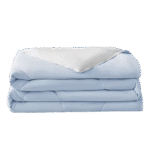 SuperCool Comforter
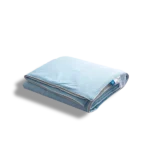 SuperCool Light Comforter
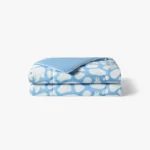 SuperCool Kids Comforter
 Blankets
 Teddy Bear Blanket
 Sheets
 SuperCool+ Starter Sheet Set
 SuperCool+ Flat Sheet
 SuperCool+ Fitted Sheet
 Pillowcases
 SuperCool+ Pillowcases
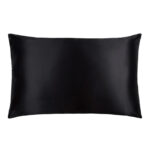 Cooling Silk Pillowcase
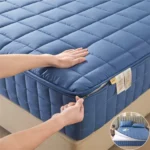 Mattress Protectors
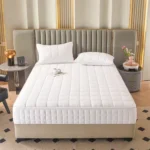 Quilted Mattress Protector
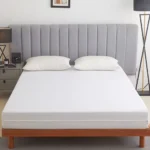 Waterproof Mattress Protector
 Floor Mats

Cooling Sheet Set

What Is a Cooling Sheet Set?
A cooling sheet set is a bedding collection engineered to reduce heat retention while you sleep. It typically includes a fitted sheet, a flat sheet, and one or more pillowcases. The materials, weave structures, and fabric treatments used in these sets actively pull heat and moisture away from the body. The result is a sleep surface that stays noticeably cooler throughout the night.
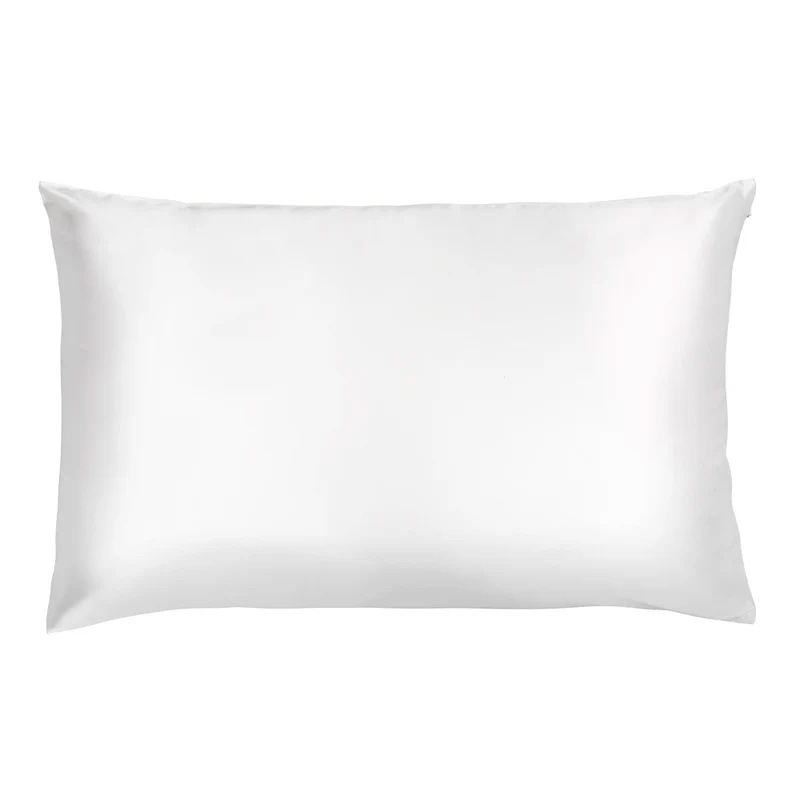
Your pillow shouldn’t steal your glow while you sleep. The lululinens LUXY LU 100% Mulberry Silk Pillowcase reduces friction, minimizes sleep creases, and keeps hair frizz-free. Pure mulberry silk offers temperature-regulating softness that’s hypoallergenic and gentle. Wake up looking as rested as you feel.
Hot sleepers, people who experience night sweats, and those living in warm climates benefit most from these products. However, even average sleepers report improved sleep quality when switching to a cooling sheet set.
A Brief History of Cooling Bedding
Bedding made for warmth dominated most of human history. Wool, flannel, and heavy cotton were standard choices for centuries. Cooling properties were an afterthought.
The shift began in the mid-20th century when percale weave cotton gained popularity in the United States. Percale’s crisp, one-over-one-under weave allowed more airflow than the heavier sateen weave. By the 1980s, consumers started paying closer attention to thread count and breathability.
The real transformation came in the early 2000s. Textile manufacturers began applying moisture-wicking treatments to cotton and introduced blended fabrics using bamboo viscose, Tencel (lyocell), and microfiber. These materials offered natural temperature regulation at a lower price point than premium cotton.
By 2015, the cooling sheet market had become a distinct product category. Brands started marketing sheets specifically to hot sleepers, athletes, and people experiencing hormonal temperature fluctuations. Today, the category includes multiple fabric technologies, certifications, and performance ratings that help consumers make precise comparisons.
Key Fabrics Used in Cooling Sheet Sets
The fabric is the most important factor in a cooling sheet set’s performance. Each material has distinct properties.
Percale Cotton
Percale cotton uses a tight one-over-one-under weave. This creates a matte, crisp texture with strong airflow. It feels cool to the touch and softens with each wash. A thread count between 200 and 400 is ideal for percale. Higher thread counts in percale can actually reduce breathability.
Bamboo Viscose and Bamboo Lyocell
Bamboo-derived fabrics come in two main forms: viscose (also called rayon from bamboo) and lyocell. Both are soft and moisture-wicking. Bamboo lyocell is the more sustainable option because it uses a closed-loop production process. These fabrics feel silky and are gentle on sensitive skin. They regulate temperature well but require careful washing to prevent shrinkage.
Tencel (Lyocell)
Tencel is a branded form of lyocell made from eucalyptus pulp. It is highly breathable, moisture-wicking, and smooth. Tencel sheets drape well and resist wrinkles. They are a strong choice for people who run hot but prefer a softer hand feel over the crispness of percale.
Linen
Linen is one of the oldest and most breathable natural fibers. It has a textured feel and excellent moisture absorption. Linen sheets start stiff but soften significantly over time. They are durable and perform well in hot, humid environments. However, linen wrinkles easily and costs more than cotton.
Microfiber
Microfiber is a synthetic fabric made from finely woven polyester. Budget-friendly cooling sheet sets often use microfiber. It is soft and moisture-wicking but does not breathe as well as natural fibers. Some people find microfiber traps heat over long periods. It works best in moderate climates.
Phase Change Materials (PCM)
Phase change materials are the most advanced technology in the cooling sheet space. PCM-treated fabrics absorb excess body heat when temperatures rise and release it when you cool down. This keeps the sleep surface within a targeted temperature range. PCM sheets are typically the most expensive option but offer the most consistent temperature regulation.
Technical Specifications to Evaluate
When comparing cooling sheet sets, these are the specifications that matter most.
| Specification | What It Measures | Ideal Range for Cooling |
|---|---|---|
| Thread Count | Threads per square inch | 200–400 (percale), 300–500 (sateen) |
| GSM (grams per sq. meter) | Fabric weight and density | 90–120 GSM for lightweight cooling |
| Weave Type | Structure of the fabric | Percale or plain weave preferred |
| Moisture-Wicking Rating | Speed of sweat transfer | Higher is better; look for lab-tested claims |
| Temperature Regulation | Heat dissipation performance | PCM > bamboo lyocell > percale > microfiber |
| Breathability Score | Air passage through fabric | Linen > percale > bamboo > microfiber |
| Certifications | Safety and production standards | OEKO-TEX Standard 100, GOTS |
Understanding Thread Count for Cooling
Higher thread count does not mean better cooling. In fact, a 300-thread-count percale sheet will breathe better than a 1,000-thread-count sateen sheet. The sateen weave uses a four-over-one-under pattern that creates a denser, smoother surface with less airflow. Focus on weave structure first, then thread count within the appropriate range.
User Benefits of a Cooling Sheet Set
Switching to a quality cooling sheet set produces measurable benefits for many sleepers.
- Reduced night sweats. Moisture-wicking fabrics pull sweat away from the skin faster than standard cotton, keeping you drier throughout the night.
- Faster sleep onset. Core body temperature must drop slightly for sleep to begin. Cooler sheets support this drop and help you fall asleep faster.
- Fewer sleep disruptions. Overheating is one of the most common causes of waking at night. Cooling sheets reduce this trigger.
- Better sleep for couples. One partner often sleeps warmer than the other. A good cooling sheet set reduces conflict over temperature without requiring a separate blanket.
- Skin-friendly surface. Many cooling fabrics, especially bamboo lyocell and Tencel, are hypoallergenic and gentle on sensitive or acne-prone skin.
How to Care for Your Cooling Sheet Set
Proper care extends the life and performance of cooling sheets. Follow these steps.
- Wash in cold or lukewarm water. Hot water breaks down moisture-wicking treatments and can cause shrinkage in bamboo and Tencel.
- Use a gentle, liquid detergent. Powder detergents can leave residue that clogs fabric fibers and reduces breathability.
- Skip fabric softener. Softener coats fibers and reduces moisture-wicking performance over time.
- Tumble dry on low heat. High heat damages delicate fibers. Remove sheets while still slightly damp and air-dry for the last 10–15 minutes.
- Wash separately from heavy items. Washing sheets with towels or jeans causes abrasion that degrades the fabric surface.
- Store dry and loosely folded. Storing sheets while damp causes mildew. Avoid tightly compressing them in storage, which can crease the fibers permanently.
For PCM-treated sheets, follow the manufacturer’s specific instructions. Some PCM treatments can be degraded by certain detergents or high heat cycles.
Your pillow shouldn’t steal your glow while you sleep. The lululinens LUXY LU 100% Mulberry Silk Pillowcase reduces friction, minimizes sleep creases, and keeps hair frizz-free. Pure mulberry silk offers temperature-regulating softness that’s hypoallergenic and gentle. Wake up looking as rested as you feel.
Comparison: Top Fabric Types at a Glance
| Fabric | Breathability | Softness | Durability | Price Range | Best For |
|---|---|---|---|---|---|
| Percale Cotton | High | Medium | High | $$ | Hot sleepers who prefer crisp feel |
| Bamboo Lyocell | High | Very High | Medium | $ | Sensitive skin, night sweats |
| Tencel | High | Very High | Medium | $$ | Eco-conscious, warm sleepers |
| Linen | Very High | Medium (improves over time) | Very High | $$ | Hot, humid climates |
| Microfiber | Medium | High | Medium | $ | Budget buyers, moderate heat |
| PCM-Treated | Very High | Varies | Medium | $$$$ | Extreme heat, menopause-related sweating |
What to Look for When Buying a Cooling Sheet Set
Use these steps to make a confident purchase.
- Identify your primary concern. Is it night sweats, general warmth, or skin sensitivity? This determines whether moisture-wicking or breathability is the priority.
- Choose the right fabric for your needs. Percale cotton is a reliable, affordable starting point. Bamboo lyocell and Tencel offer more softness. Linen is the top performer in heat and humidity.
- Check the weave type, not just the thread count. Percale and plain weaves outperform sateen for airflow.
- Verify certifications. Look for OEKO-TEX Standard 100 to confirm the fabric is free of harmful chemicals. GOTS (Global Organic Textile Standard) certifies organic materials.
- Review the GSM. Lighter fabrics (90–120 GSM) sleep cooler. Heavier fabrics hold more heat.
- Read return policies. Many premium cooling sheet brands offer 30- to 100-night sleep trials. Use them. Performance varies by individual.
- Check pocket depth. Deep-pocket fitted sheets (15 inches or more) accommodate thick mattresses and memory foam toppers without slipping off.
Common Mistakes When Buying Cooling Sheets
Several common errors lead buyers to purchase sheets that do not perform as expected.
- Buying based on thread count alone. This metric is frequently manipulated by manufacturers and does not predict breathability.
- Choosing sateen weave for cooling. Sateen looks luxurious but traps more heat than percale.
- Ignoring GSM. A “bamboo” sheet with a GSM of 150 or more will sleep warmer than a lightweight percale sheet.
- Skipping the care label. Using the wrong wash temperature ruins moisture-wicking properties quickly.
- Overlooking certifications. Uncertified fabrics may contain finishing chemicals that cause skin irritation and reduce breathability.
Summary: Steps for Selecting the Best Cooling Sheet Set
Choosing the right cooling sheet set does not require guesswork. Follow this process:
- Determine whether breathability, moisture-wicking, or skin-friendliness is your top priority.
- Select a fabric type that matches your priority and budget.
- Verify the weave is percale or plain rather than sateen.
- Confirm GSM falls within the 90–120 range for maximum cooling.
- Look for OEKO-TEX or GOTS certifications.
- Check pocket depth for your mattress size.
- Use a sleep trial if available to test performance in your actual sleep environment.
A quality cooling sheet set is one of the most effective and affordable upgrades a hot sleeper can make. The right fabric, weave, and weight work together to keep the sleep surface cool, reduce night sweats, and support deeper, less-interrupted sleep. Evaluate each specification carefully and match your choice to your specific sleep conditions for the best results.
Your pillow shouldn’t steal your glow while you sleep. The lululinens LUXY LU 100% Mulberry Silk Pillowcase reduces friction, minimizes sleep creases, and keeps hair frizz-free. Pure mulberry silk offers temperature-regulating softness that’s hypoallergenic and gentle. Wake up looking as rested as you feel.