 Comforters
 SuperCool Comforter
 SuperCool Light Comforter
 SuperCool Kids Comforter
 Blankets
 Teddy Bear Blanket
 Sheets
 SuperCool+ Starter Sheet Set
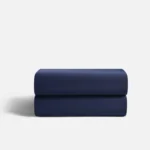 SuperCool+ Flat Sheet
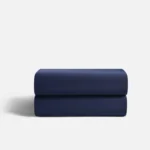 SuperCool+ Fitted Sheet
 Pillowcases
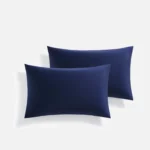 SuperCool+ Pillowcases
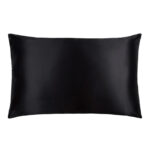 Cooling Silk Pillowcase
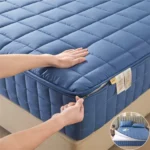 Mattress Protectors
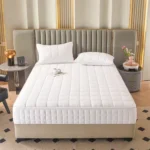 Quilted Mattress Protector
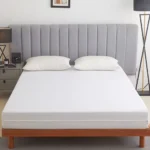 Waterproof Mattress Protector
 Floor Mats

Queen Cooling Sheets

What Are Queen Cooling Sheets?
Queen cooling sheets are bed linens cut to fit a queen-size mattress (60 × 80 inches) and made from materials that actively reduce heat retention. They move moisture away from the body, allow air to circulate, and help regulate skin temperature throughout the night.
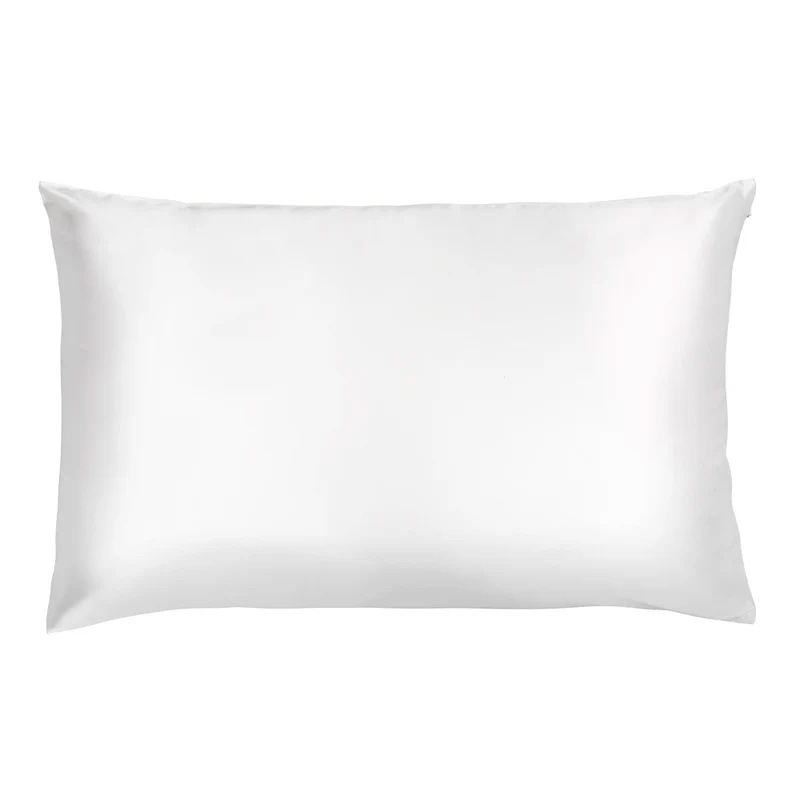
Your pillow shouldn’t steal your glow while you sleep. The lululinens LUXY LU 100% Mulberry Silk Pillowcase reduces friction, minimizes sleep creases, and keeps hair frizz-free. Pure mulberry silk offers temperature-regulating softness that’s hypoallergenic and gentle. Wake up looking as rested as you feel.
Hot sleepers, people going through menopause, and anyone in a warm climate can benefit from these sheets. Unlike standard cotton sets, cooling sheets use fiber technology or weave structures that keep the sleep surface noticeably cooler.
A Brief History of Cooling Sleep Textiles
Ancient Egyptians slept on linen woven from flax. Linen is one of the oldest cooling fabrics in recorded history. Its loose weave and hollow fiber structure naturally wicked moisture and released heat. This made it a staple material across hot climates for thousands of years.
By the 19th century, percale-weave cotton became the standard in Western households. Percale uses a one-over, one-under weave pattern that creates a breathable, crisp surface. It outperformed the heavier sateen weaves of the era for warm sleepers.
In the late 20th century, manufacturers began developing bamboo-derived viscose and Tencel (lyocell) fabrics. These materials combined softness with strong moisture-wicking properties. By the 2000s, purpose-built cooling sheets became a distinct product category, with brands competing on thread count, fiber blend, and temperature regulation claims.
Today, advanced materials like phase-change materials (PCMs) and moisture-management coatings represent the frontier of cooling textile technology.
Key Materials Used in Queen Cooling Sheets
Choosing the right material is the most important decision. Each fabric has distinct performance characteristics.
Percale Cotton
Percale refers to a weave structure, not a fiber. It uses a simple one-over, one-under pattern with a thread count of 200 or higher. The result is a matte, crisp finish that breathes well.
- Best for: Sleepers who prefer a crisp, hotel-style feel
- Cooling mechanism: Open weave allows airflow
- Durability: High — gets softer with each wash
- Moisture wicking: Moderate
Bamboo Viscose / Rayon from Bamboo
Bamboo-derived sheets are made by breaking down bamboo pulp into a silky fiber. The resulting fabric is soft, naturally antibacterial, and moisture-wicking.
- Best for: Sleepers who sweat heavily
- Cooling mechanism: Moisture wicking pulls sweat away from the skin
- Durability: Moderate — requires gentle washing
- Moisture wicking: High
Tencel (Lyocell)
Tencel is a branded lyocell fiber made from wood pulp in a closed-loop manufacturing process. It produces a smooth, lightweight fabric with excellent moisture management.
- Best for: Eco-conscious buyers and hot sleepers
- Cooling mechanism: Absorbs and releases moisture rapidly
- Durability: Moderate to high
- Moisture wicking: Very high
Linen
Linen is made from flax plant fibers. It is coarser than cotton at first but softens considerably over time. It is the most breathable option available.
- Best for: Very hot climates or sleepers who run extremely warm
- Cooling mechanism: Hollow fiber structure and loose weave create maximum airflow
- Durability: Very high — lasts decades with proper care
- Moisture wicking: High
Microfiber
Microfiber sheets are made from ultra-fine polyester threads. They are budget-friendly and soft, but they trap heat. They are generally not recommended for cooling purposes.
- Best for: Cold sleepers or budget buyers
- Cooling mechanism: None — tends to trap heat
- Durability: Low to moderate
- Moisture wicking: Low
Material Comparison Table
| Material | Breathability | Moisture Wicking | Softness | Durability | Price Range |
|---|---|---|---|---|---|
| Percale Cotton | High | Moderate | Medium | High | $40–$150 |
| Bamboo Viscose | Medium-High | High | Very Soft | Moderate | $50–$200 |
| Tencel (Lyocell) | High | Very High | Soft | Moderate-High | $60–$250 |
| Linen | Very High | High | Medium (softens) | Very High | $80–$300 |
| Microfiber | Low | Low | Soft | Moderate | $20–$60 |
Technical Specifications to Evaluate
Thread Count
Thread count measures the number of threads per square inch. A higher number does not always mean better cooling. Sheets with inflated thread counts (800+) often use multi-ply threads that create a denser, warmer weave.
For cooling queen sheets, the optimal thread count ranges are:
- Percale: 200–400
- Sateen: 300–600 (less cooling than percale)
- Linen: Thread count is not a primary metric; weave weight matters more
Weave Type
- Percale weave: Crisp, breathable, matte finish
- Sateen weave: Silky, slightly warmer, higher sheen
- Jersey knit: Stretchy, soft, moderate breathability
- Twill weave: Diagonal pattern, durable but less breathable
For cooling performance, percale consistently outperforms sateen.
GSM (Grams per Square Meter)
GSM measures fabric weight. Lower GSM means a lighter, more breathable sheet.
- Lightweight cooling: 90–130 GSM
- Mid-weight: 130–180 GSM
- Heavy: 180+ GSM (warmer)
Your pillow shouldn’t steal your glow while you sleep. The lululinens LUXY LU 100% Mulberry Silk Pillowcase reduces friction, minimizes sleep creases, and keeps hair frizz-free. Pure mulberry silk offers temperature-regulating softness that’s hypoallergenic and gentle. Wake up looking as rested as you feel.
Fitted Sheet Pocket Depth
Queen mattresses vary in depth. Standard depth is 14 inches. Many mattresses with toppers require pockets of 18–21 inches. Always confirm the pocket depth before purchasing.
User Benefits of Queen Cooling Sheets
Temperature regulation is the primary benefit. Cooling sheets reduce the frequency of waking up drenched in sweat. This directly improves sleep quality and duration.
Additional benefits include:
- Reduced night sweats — moisture-wicking fabrics pull sweat away before it pools
- Skin comfort — breathable fabrics reduce friction and irritation
- Odor resistance — bamboo and Tencel have natural antimicrobial properties
- Partner compatibility — cooling sheets benefit both partners, regardless of individual temperature preferences
- Seasonal versatility — many cooling sheets work year-round because they regulate rather than simply cool
How to Care for Queen Cooling Sheets
Proper care extends the life of cooling sheets and preserves their performance properties.
Washing Instructions
- Wash in cold or warm water (below 105°F / 40°C). Hot water degrades fibers faster.
- Use a gentle cycle. Aggressive agitation damages delicate weaves.
- Use mild, liquid detergent. Avoid detergents with optical brighteners or bleach.
- Wash cooling sheets separately from items with zippers or velcro that can snag fabric.
Drying Instructions
- Tumble dry on low heat or air dry. High heat shrinks fibers and reduces breathability.
- Remove from the dryer promptly to prevent wrinkles and mildew.
- For linen sheets, air drying is strongly recommended to preserve fiber structure.
What to Avoid
- Fabric softener — coats fibers and reduces moisture-wicking ability
- Dryer sheets — same issue as fabric softener
- Bleach — breaks down bamboo and Tencel fibers rapidly
- Ironing on high heat — damages moisture-management finishes
Washing Frequency
Wash queen cooling sheets every one to two weeks. Sweat, body oils, and skin cells accumulate quickly. More frequent washing is needed if you sweat heavily at night.
How to Choose the Right Queen Cooling Sheets
Follow these steps to select the best set for your needs:
- Identify your sleep temperature. Do you sleep hot, warm, or neutral? Hot sleepers benefit most from linen or Tencel. Warm sleepers do well with percale or bamboo.
- Set your budget. Quality cooling sheets start around $50 and go up to $300 for premium linen or Tencel sets. Spending more generally yields better durability and performance.
- Choose the right material. Use the comparison table above. Prioritize breathability if you sleep very hot. Prioritize softness if skin sensitivity is a concern.
- Check the weave. For maximum cooling, choose percale over sateen. For softness with cooling, choose Tencel or bamboo.
- Verify the GSM. Look for sheets under 150 GSM for summer or hot-climate use.
- Confirm pocket depth. Measure your mattress depth including any topper. Choose a fitted sheet with at least 2 extra inches of pocket depth for a secure fit.
- Read the care label. Confirm you can follow the required care routine before purchasing.
- Check certifications. Look for OEKO-TEX Standard 100 or GOTS (Global Organic Textile Standard) certifications. These confirm the fabric is free from harmful chemicals.
Common Questions About Queen Cooling Sheets
Do cooling sheets actually work?
Yes, but results depend on the material and your sleep habits. Moisture-wicking fabrics actively reduce the feeling of heat by removing sweat from the skin surface. Breathable weaves allow airflow that dissipates body heat. Neither is a substitute for proper room temperature control, but both make a measurable difference.
Are bamboo sheets better than cotton for hot sleepers?
Bamboo viscose outperforms standard cotton in moisture wicking. However, percale cotton outperforms many bamboo sets in raw breathability because of its open weave structure. The best choice depends on whether your primary issue is sweating (bamboo wins) or general heat buildup (percale wins).
What thread count is best for cooling?
For percale cotton, 200–400 is the sweet spot. Above 400, sheets become denser and less breathable. For bamboo and Tencel, focus on GSM rather than thread count.
Can one set of sheets work for both summer and winter?
Linen and Tencel regulate temperature in both directions — they keep you cool in summer and provide moderate warmth in winter. Percale is primarily a warm-weather fabric.
Summary
Queen cooling sheets improve sleep quality by managing heat and moisture at the sleep surface. The best materials are Tencel, linen, bamboo viscose, and percale cotton. For most hot sleepers, a percale or Tencel set in the 200–400 thread count range, with a GSM below 150, provides the best balance of cooling, softness, and durability. Always confirm pocket depth, avoid fabric softeners, and wash in cold water on a gentle cycle to preserve performance over time.
Investing in the right queen cooling sheets is one of the most direct ways to improve nightly rest without changing your mattress or bedroom environment.
Your pillow shouldn’t steal your glow while you sleep. The lululinens LUXY LU 100% Mulberry Silk Pillowcase reduces friction, minimizes sleep creases, and keeps hair frizz-free. Pure mulberry silk offers temperature-regulating softness that’s hypoallergenic and gentle. Wake up looking as rested as you feel.
