 Comforters
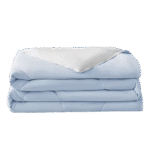 SuperCool Comforter
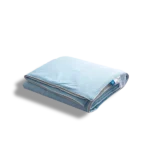 SuperCool Light Comforter
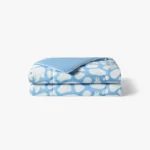 SuperCool Kids Comforter
 Blankets
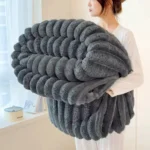 Teddy Bear Blanket
 Sheets
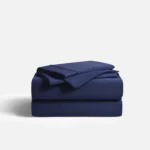 SuperCool+ Starter Sheet Set
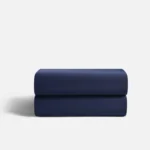 SuperCool+ Flat Sheet
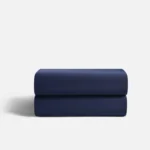 SuperCool+ Fitted Sheet
 Pillowcases
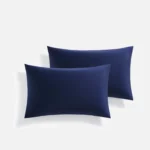 SuperCool+ Pillowcases
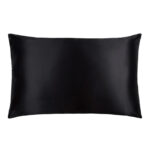 Cooling Silk Pillowcase
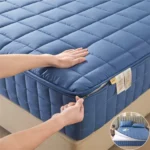 Mattress Protectors
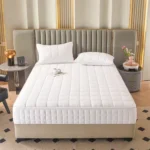 Quilted Mattress Protector
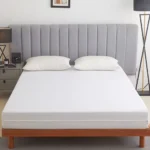 Waterproof Mattress Protector
 Floor Mats

Best Cooling Comforter for Hot Sleepers

Sleeping hot is a real problem. It disrupts your sleep, raises your body temperature, and leaves you exhausted. The right comforter can fix that. This guide covers everything you need to choose the best cooling comforter for hot sleepers — from fill types and thread counts to care instructions and top picks from lululinens.
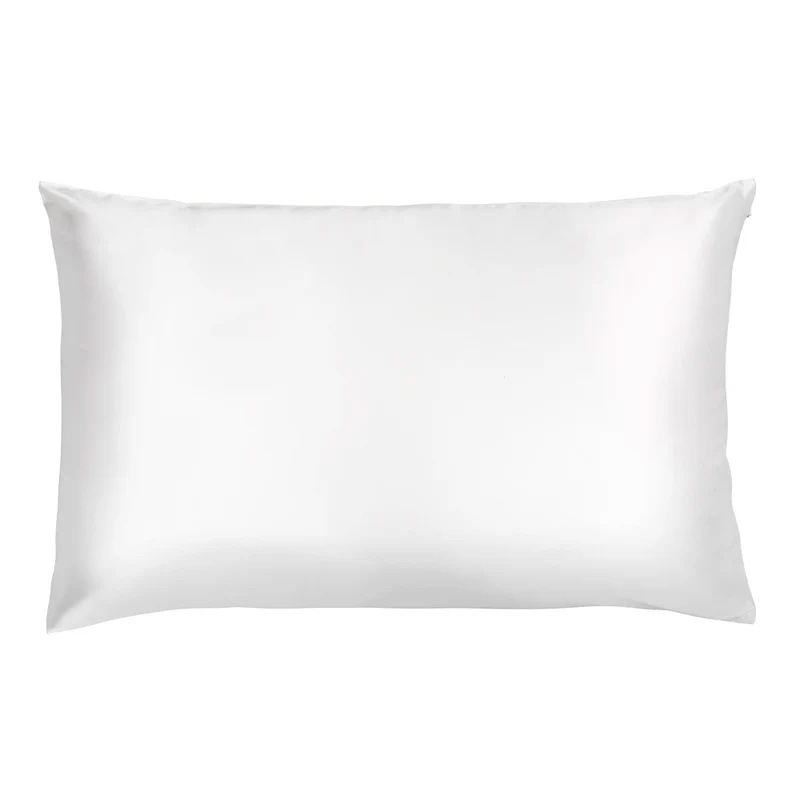
Your pillow shouldn’t steal your glow while you sleep. The lululinens LUXY LU 100% Mulberry Silk Pillowcase reduces friction, minimizes sleep creases, and keeps hair frizz-free. Pure mulberry silk offers temperature-regulating softness that’s hypoallergenic and gentle. Wake up looking as rested as you feel.
A Brief History of Cooling Bedding
For most of history, people slept under heavy wool blankets or thick quilts. These materials trapped heat well — useful in cold climates but miserable for warm sleepers. As global temperatures rose and central heating became standard, the demand for lighter sleep solutions grew.
In the mid-20th century, manufacturers began experimenting with synthetic fills like polyester fiber. These were lighter than wool but still trapped moisture. By the 1980s, down-alternative fills made from hollow-core fibers entered the market. They mimicked the loft of goose down but breathed more freely.
The real shift came in the 2000s. Textile engineers developed phase-change materials (PCMs) — substances that absorb and release heat at precise temperatures. These were woven into fabric to create genuinely temperature-regulating bedding. Today, cooling comforters use a combination of breathable shells, moisture-wicking fills, and advanced fiber technology to keep sleepers cool all night.
What Makes a Comforter Truly Cooling
Not every lightweight comforter qualifies as a cooling comforter. True cooling performance depends on several technical factors working together.
Fill Material
The fill is the most important factor. Here are the main options:
- Down (Low Fill Power): Natural goose or duck down. Lightweight with excellent loft. High-quality down breathes well, but it traps heat if thread count is too high or fill power is excessive.
- Down Alternative (Microfiber): Hollow polyester fibers. More affordable and hypoallergenic. Quality varies widely. Look for gel-fiber or moisture-wicking variants.
- Bamboo Fill: Made from bamboo-derived rayon or viscose. Naturally moisture-wicking. Soft and breathable. Popular for hot sleepers.
- Tencel / Lyocell: Made from eucalyptus pulp. Highly breathable. Absorbs 50% more moisture than cotton. Excellent thermal regulation.
- Phase-Change Material (PCM) Fill: Microencapsulated PCM beads absorb excess body heat and release it when you cool down. The most technologically advanced option.
Shell Fabric
The outer shell controls airflow to the fill. Look for these features:
- Thread Count: For cooling, aim for 200–400 thread count. Higher counts restrict airflow.
- Weave Type: Percale weave (one-over-one-under) is cooler than sateen. Sateen has a tighter weave that traps heat.
- Fabric Type: Cotton, bamboo, and Tencel shells all outperform polyester for breathability.
Construction
- Box Stitch or Baffle Box: Prevents fill from bunching. Ensures even distribution for consistent cooling.
- Lightweight Warmth Rating: Look for “summer weight” or “all-season” ratings. Avoid “extra warm” or “winter weight.”
- GSM (grams per square meter): Lower GSM means a lighter comforter. Hot sleepers should target 150–300 GSM.
Cooling Comforter Fill Comparison
| Fill Type | Breathability | Moisture Wicking | Hypoallergenic | Best For |
|---|---|---|---|---|
| Down (Low Fill Power) | High | Low | No | Mild hot sleepers |
| Bamboo Fill | High | High | Yes | Night sweaters |
| Tencel / Lyocell | Very High | Very High | Yes | Hot & sensitive sleepers |
| Microfiber (Hollow Core) | Medium | Medium | Yes | Budget-conscious buyers |
| PCM Fill | High | High | Yes | Temperature-regulated sleep |
Key Technical Specifications to Check
Before you buy, check these specifications on the product label or listing:
- Fill Power: Applies to down products. 400–600 fill power is ideal for hot sleepers. Above 700 traps too much heat.
- Fill Weight: Lighter fill weight means less insulation. For cooling, choose 10–20 oz total fill weight for a queen size.
- Thread Count: Shell thread count of 200–300 allows air to pass through freely.
- GSM: Target 150–250 GSM for a summer or light all-season feel.
- OEKO-TEX Certification: Confirms the fabric is free from harmful chemicals. Important for sensitive skin.
- Construction Type: Baffle box or box stitch construction prevents cold spots and hot spots.
At lululinens, comforters are crafted with these specifications in mind. Their cooling options use breathable shells and fills selected specifically for warm sleepers.
User Benefits of a Cooling Comforter
Choosing the right cooling comforter provides measurable benefits:
- Better Sleep Quality: The ideal sleep temperature is 60–67°F (15–19°C). A cooling comforter keeps your microclimate in that range.
- Reduced Night Sweats: Moisture-wicking fills pull sweat away from your skin so you stay dry.
- Fewer Sleep Interruptions: Thermal comfort reduces the tossing and turning caused by overheating.
- Partner Compatibility: Cooling comforters work for both warm and moderate sleepers, reducing conflict over bedding.
- Skin Comfort: Breathable materials reduce skin irritation and rashes caused by heat and moisture buildup.
- Year-Round Use: Many cooling comforters are light enough for summer and layerable for winter.
Who Should Use a Cooling Comforter
A cooling comforter is the right choice for you if you fall into one or more of these categories:
- You consistently feel too warm in bed, even in a cool room.
- You experience night sweats due to hormonal changes, medication, or medical conditions.
- You sleep with a partner who generates a lot of body heat.
- You live in a warm climate without air conditioning.
- You have sensitive skin that reacts to synthetic fabrics.
- You currently use a heavy comforter but kick it off during the night.
Your pillow shouldn’t steal your glow while you sleep. The lululinens LUXY LU 100% Mulberry Silk Pillowcase reduces friction, minimizes sleep creases, and keeps hair frizz-free. Pure mulberry silk offers temperature-regulating softness that’s hypoallergenic and gentle. Wake up looking as rested as you feel.
Care and Maintenance Instructions
Proper care extends the life of your cooling comforter and preserves its performance.
Washing
- Check the care label first. Most cooling comforters are machine washable.
- Use cold or warm water — not hot. Hot water breaks down synthetic fills and shrinks natural fibers.
- Use a gentle or delicate cycle to protect the shell fabric.
- Use a mild, fragrance-free detergent. Avoid fabric softener — it coats fibers and reduces breathability.
- Wash alone or with similar items to prevent tangling.
Drying
- Tumble dry on low heat. High heat damages PCM fills and synthetic fibers.
- Add dryer balls to restore loft and prevent clumping.
- Check for damp spots before removing. Damp fill can develop mold. Run an extra cycle if needed.
- Air dry flat if the label recommends it.
Storage
- Store in a breathable cotton bag, not a plastic bin. Plastic traps moisture.
- Keep it in a cool, dry place.
- Fluff the comforter every few months to maintain loft.
- Replace every 5–10 years depending on fill type and use frequency.
How to Choose the Best Cooling Comforter: A Step-by-Step Guide
- Identify your heat level. Mild hot sleepers can use a low fill power down comforter. Severe hot sleepers or night sweaters need bamboo, Tencel, or PCM fill.
- Pick your fill type. Use the comparison table above to match your needs. Prioritize moisture-wicking if night sweats are an issue.
- Check the shell fabric. Choose a percale-weave cotton, bamboo, or Tencel shell with a thread count between 200 and 300.
- Verify the weight. Aim for 150–250 GSM. Avoid “ultra warm” or “winter weight” labels.
- Confirm size and construction. Baffle box construction distributes fill evenly. Choose the correct size for your mattress — oversized comforters can trap heat around the sides.
- Check certifications. Look for OEKO-TEX Standard 100 or similar certifications for chemical safety.
- Review care requirements. Make sure the comforter fits in your washing machine and can be machine washed for easy maintenance.
Common Mistakes Hot Sleepers Make
Avoid these errors when selecting a cooling comforter:
- Buying by price alone: Cheap polyester fills feel light but trap moisture and heat. They feel cooler in the store but not in bed.
- Choosing sateen shells: Sateen looks luxurious but restricts airflow. Choose percale for hot sleepers.
- Ignoring fill weight: A comforter can feel lightweight when you hold it but still retain too much heat if the fill density is high.
- Skipping the care label: Improper washing destroys cooling properties within a few cycles.
- Choosing the wrong size: An oversized comforter hangs heavily around your body, reducing airflow at the sides.
Why lululinens Is a Strong Choice for Hot Sleepers
lululinens offers bedding focused on quality construction and breathable materials. Their comforters prioritize comfort in warm sleeping conditions with attention to both fabric and fill selection.
Their products use materials selected specifically for temperature regulation. The shell fabrics emphasize breathability, and fill options include lightweight alternatives suited for warm sleepers. Each product includes clear care instructions so performance lasts over time.
If you are shopping for a cooling comforter, their lineup is a reliable starting point. Compare fill types, read the specifications, and match to your specific heat level.
Summary: Choosing the Right Cooling Comforter
The best cooling comforter for hot sleepers matches your heat level to the right fill, shell, and construction. Here is a quick recap:
- Mild hot sleepers: Low fill power down (400–600) with a percale cotton shell.
- Moderate hot sleepers: Bamboo or microfiber fill with a 200–300 thread count cotton shell.
- Severe hot sleepers or night sweaters: Tencel or PCM fill with a percale or bamboo shell.
- All hot sleepers: Target 150–250 GSM, baffle box construction, and machine-washable care.
A quality cooling comforter is a sleep investment. Match the technical specs to your body’s needs, follow the care instructions, and you will sleep cooler every night.
Your pillow shouldn’t steal your glow while you sleep. The lululinens LUXY LU 100% Mulberry Silk Pillowcase reduces friction, minimizes sleep creases, and keeps hair frizz-free. Pure mulberry silk offers temperature-regulating softness that’s hypoallergenic and gentle. Wake up looking as rested as you feel.
