 Comforters
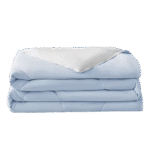 SuperCool Comforter
 SuperCool Light Comforter
 SuperCool Kids Comforter
 Blankets
 Teddy Bear Blanket
 Sheets
 SuperCool+ Starter Sheet Set
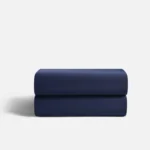 SuperCool+ Flat Sheet
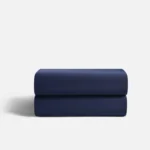 SuperCool+ Fitted Sheet
 Pillowcases
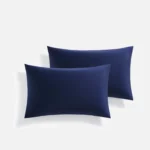 SuperCool+ Pillowcases
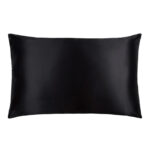 Cooling Silk Pillowcase
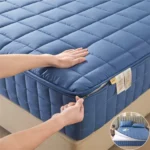 Mattress Protectors
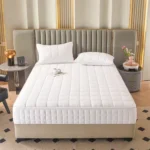 Quilted Mattress Protector
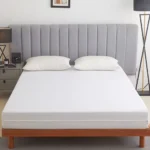 Waterproof Mattress Protector
 Floor Mats

What Is the Best Cooling Blanket?

What Is a Cooling Blanket?
A cooling blanket is a bedding product made to dissipate body heat. It draws warmth away from your skin while you sleep. The result is a cooler, more comfortable sleeping temperature throughout the night.
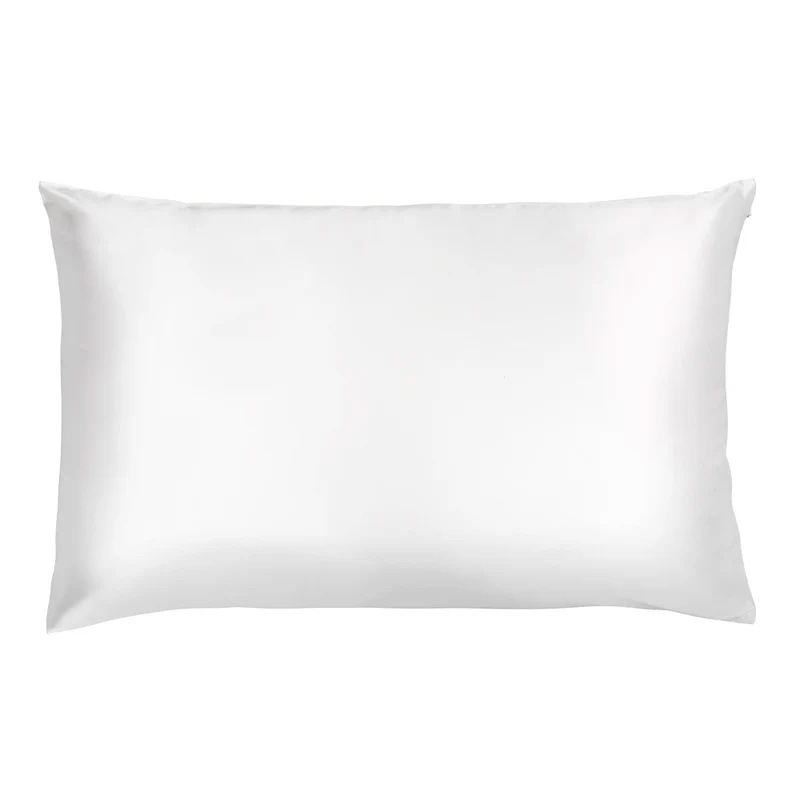
Your pillow shouldn’t steal your glow while you sleep. The lululinens LUXY LU 100% Mulberry Silk Pillowcase reduces friction, minimizes sleep creases, and keeps hair frizz-free. Pure mulberry silk offers temperature-regulating softness that’s hypoallergenic and gentle. Wake up looking as rested as you feel.
Cooling blankets differ from standard blankets in one key way: they use materials or construction methods that actively move heat and moisture away from the body. Standard blankets trap heat. Cooling blankets release it.
People who sleep hot, experience night sweats, live in warm climates, or share a bed with a partner who radiates heat benefit most from a cooling blanket.
A Brief History of Cooling Blankets
Cooling blankets began in medical settings. Hospitals used them in the 1950s to manage patient body temperature after surgery or fever. These early versions used water-circulating systems and had no place in a consumer bedroom.
By the 1990s, phase-change materials (PCMs) entered the textile industry. PCMs absorb heat at a set temperature threshold, then release it when the environment cools. NASA originally developed PCM technology to regulate astronaut suit temperatures.
In the 2000s, manufacturers applied PCM to mattress toppers and pillows. Bedding brands soon integrated the technology into blankets.
By the 2010s, advances in bamboo viscose, Tencel lyocell, and moisture-wicking polyester blends made cooling blankets widely accessible. Consumer demand grew alongside rising awareness of sleep quality research. Today, cooling blankets are a mainstream product available at every price point.
Key Materials Used in Cooling Blankets
The material determines how well a blanket cools. Each fabric has specific properties that affect airflow, moisture management, and temperature regulation.
Natural Fiber Options
Bamboo viscose is one of the most popular cooling materials. It is soft, breathable, and naturally moisture-wicking. Bamboo fibers have a porous structure that allows air to circulate freely.
Tencel lyocell comes from eucalyptus wood pulp. It is highly absorbent and releases moisture quickly. Tencel has a smooth surface that feels cool to the touch. It is also biodegradable, making it a strong choice for environmentally conscious buyers.
Cotton percale is a tightly woven cotton with a crisp feel. It breathes well and softens with washing. Thread count matters here: a range of 200 to 400 thread count strikes the right balance between durability and airflow.
Linen is one of the oldest and most breathable natural fibers available. It is coarser than cotton but grows softer over time. Linen absorbs up to 20% of its own weight in moisture before feeling damp, making it excellent for humid climates.
Synthetic and Blended Options
Phase-change material (PCM) microencapsulation involves embedding microscopic wax capsules into fabric. The wax absorbs heat as it melts at skin temperature and releases that heat when the environment cools. PCM fabrics feel actively cool at first contact.
Moisture-wicking polyester moves sweat away from the skin to the blanket’s outer surface, where it evaporates. It is durable and easy to wash, though it lacks the natural breathability of bamboo or linen.
Rayon blends combine synthetic and natural fibers to balance softness, cost, and cooling performance.
Technical Specifications to Evaluate
Choosing the best cooling blanket requires looking beyond marketing language. Focus on measurable specifications.
| Specification | What to Look For |
|---|---|
| Fill weight (GSM) | 150–250 GSM for lightweight cooling blankets |
| Thread count (woven fabrics) | 200–400 for optimal breathability |
| Weave type | Waffle, percale, or open weave for airflow |
| Material composition | 100% bamboo, Tencel, or cotton percale preferred |
| Moisture-wicking rating | Check for OEKO-TEX certification as a quality indicator |
| Machine washable | Yes — cooling properties should survive repeated washing |
| Size options | Twin, Full/Queen, King — match to bed size |
GSM (grams per square meter) measures fabric weight. Lower GSM means lighter and more breathable. A cooling blanket should fall between 150 and 250 GSM. Anything above 300 GSM retains too much heat for hot sleepers.
Weave type directly affects airflow. A waffle weave creates pockets of air between the blanket and skin. A percale weave has a tight but flat structure that feels cool and smooth. An open weave or knit construction allows maximum airflow but offers less structure.
Your pillow shouldn’t steal your glow while you sleep. The lululinens LUXY LU 100% Mulberry Silk Pillowcase reduces friction, minimizes sleep creases, and keeps hair frizz-free. Pure mulberry silk offers temperature-regulating softness that’s hypoallergenic and gentle. Wake up looking as rested as you feel.
Cooling Blanket Types Compared
| Type | Best For | Pros | Cons |
|---|---|---|---|
| Bamboo viscose blanket | Year-round hot sleepers | Soft, moisture-wicking, durable | Can wrinkle easily |
| Tencel lyocell blanket | Eco-conscious buyers | Silky feel, biodegradable | Higher price point |
| Cotton percale blanket | Budget-conscious buyers | Affordable, widely available | Less effective in high humidity |
| Linen blanket | Humid climates | Extremely breathable, long-lasting | Rough initially, requires break-in time |
| PCM-infused blanket | Night sweat sufferers | Actively absorbs excess heat | Expensive, may lose effectiveness over time |
| Weighted cooling blanket | Anxiety + heat issues | Combines pressure therapy with cooling | Heavy; not suitable for all users |
Benefits of Using a Cooling Blanket
A cooling blanket delivers specific, measurable benefits beyond general comfort.
Improved sleep quality. Research from the National Sleep Foundation links lower core body temperature to faster sleep onset and deeper sleep stages. A cooling blanket helps maintain the ideal sleeping temperature of approximately 65°F to 68°F (18°C to 20°C).
Reduced night sweats. People who experience night sweats due to menopause, medication side effects, or other medical conditions benefit directly. Moisture-wicking materials keep the sleep surface dry.
Better temperature regulation for couples. Partners who sleep at different temperature preferences can each use separate cooling blankets instead of fighting over a shared one.
Allergy reduction. Natural fiber cooling blankets, especially those with OEKO-TEX certification, are produced without harmful dyes or chemicals. Bamboo and Tencel are naturally hypoallergenic.
Sustainability. Bamboo grows rapidly without pesticides. Tencel is produced in a closed-loop process that recycles water and solvents. Choosing these materials reduces environmental impact compared to conventional synthetics.
What to Look for When Buying a Cooling Blanket
Use these criteria to evaluate any cooling blanket before purchasing.
- Identify your primary heat issue. Night sweats require moisture-wicking above all else. General warmth calls for breathable, low-GSM fabrics. Humidity needs linen or open-weave construction.
- Check the GSM. Stay between 150 and 250 GSM for true cooling performance.
- Verify the material. Look for 100% bamboo viscose, Tencel lyocell, linen, or cotton percale. Blends can perform well, but check the dominant fiber percentage.
- Look for certifications. OEKO-TEX Standard 100 confirms the fabric is free from harmful substances. GOTS certification applies to organic cotton products.
- Confirm washability. Cooling blankets collect sweat and skin oils. A blanket that requires dry cleaning defeats its purpose.
- Check the size. Cooling blankets work best when they drape over the mattress edge. Choose a size one step up from your mattress size if in doubt.
- Read verified reviews. Look for feedback from hot sleepers specifically. Reviews from temperate sleepers may not reflect cooling performance accurately.
How to Care for a Cooling Blanket
Proper care preserves cooling properties over time.
- Wash in cold water. Hot water degrades bamboo and Tencel fibers faster.
- Use a gentle or delicate cycle. Aggressive agitation breaks down moisture-wicking finishes.
- Avoid fabric softener. Softener coats fibers and blocks moisture-wicking channels.
- Tumble dry on low or air dry. High heat damages PCM microcapsules and natural fibers.
- Wash every 1 to 2 weeks. Hot sleepers sweat more than average. Frequent washing keeps the blanket hygienic and effective.
- Store loosely folded. Tightly compressing a cooling blanket for long periods crushes the weave structure.
How lululinens Approaches Cooling Blankets
lululinens focuses on premium natural fiber bedding built for breathability and long-term use. Their approach prioritizes fabric quality, ethical sourcing, and designs that perform in real sleeping conditions rather than controlled lab settings.
When selecting a cooling blanket from a brand like lululinens, look for transparency in material sourcing, clear GSM ratings, and certifications that confirm safety and environmental responsibility.
How to Choose the Best Cooling Blanket
Follow these steps to make a confident, informed decision.
- Define your sleep temperature problem — night sweats, general warmth, or humidity.
- Select the right material — bamboo for softness, Tencel for eco-performance, linen for humid climates, PCM for active cooling.
- Verify the GSM — 150 to 250 GSM for true lightweight cooling.
- Check weave construction — waffle, percale, or open weave for maximum airflow.
- Look for certifications — OEKO-TEX Standard 100 or GOTS as quality signals.
- Confirm machine washability — cold water, gentle cycle, no fabric softener.
- Choose the correct size — match to your bed or size up for full drape coverage.
- Read reviews from hot sleepers specifically — their experience reflects actual cooling performance.
The best cooling blanket is the one that matches your specific heat profile, uses a verified breathable material, and holds up through repeated washing without losing its cooling properties. Investing in quality materials at the right GSM pays off in sustained comfort and better sleep night after night.
Your pillow shouldn’t steal your glow while you sleep. The lululinens LUXY LU 100% Mulberry Silk Pillowcase reduces friction, minimizes sleep creases, and keeps hair frizz-free. Pure mulberry silk offers temperature-regulating softness that’s hypoallergenic and gentle. Wake up looking as rested as you feel.
