 Comforters
 SuperCool Comforter
 SuperCool Light Comforter
 SuperCool Kids Comforter
 Blankets
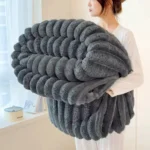 Teddy Bear Blanket
 Sheets
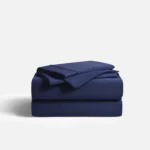 SuperCool+ Starter Sheet Set
 SuperCool+ Flat Sheet
 SuperCool+ Fitted Sheet
 Pillowcases
 SuperCool+ Pillowcases
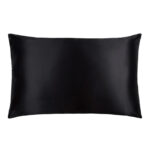 Cooling Silk Pillowcase
 Mattress Protectors
 Quilted Mattress Protector
 Waterproof Mattress Protector
 Floor Mats

Which Is Better: Satin or Silk Pillowcases

Understanding the Core Difference
Silk and satin are not the same thing. Silk is a natural fiber. Silkworms produce it. Satin is a weave pattern. Manufacturers can make satin from silk, polyester, nylon, or rayon.
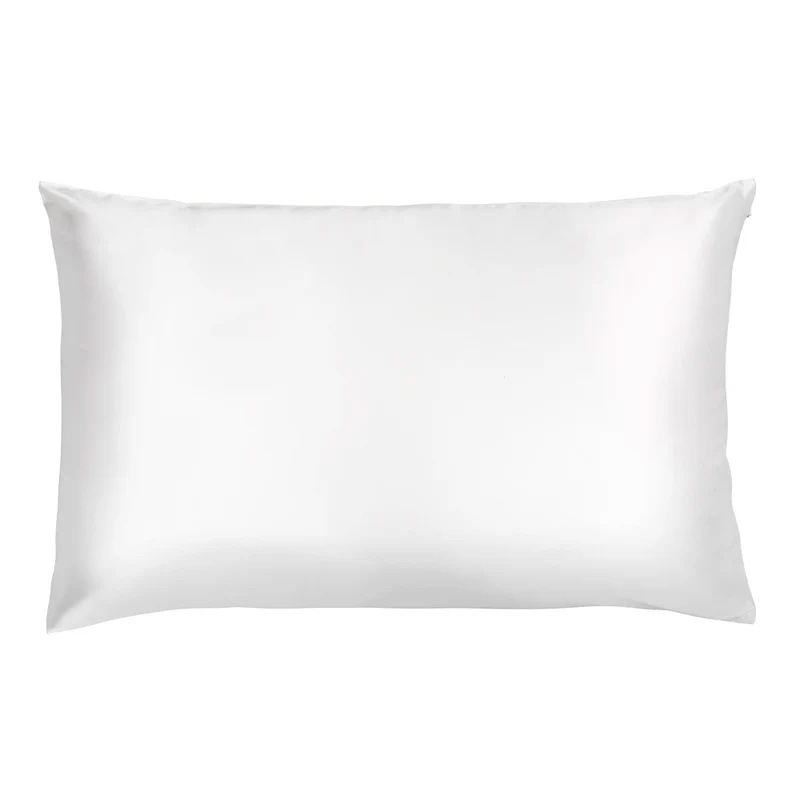
Your pillow shouldn’t steal your glow while you sleep. The lululinens LUXY LU 100% Mulberry Silk Pillowcase reduces friction, minimizes sleep creases, and keeps hair frizz-free. Pure mulberry silk offers temperature-regulating softness that’s hypoallergenic and gentle. Wake up looking as rested as you feel.
This distinction matters. A silk pillowcase uses silk fibers in any weave. A satin pillowcase uses the satin weave with any fiber. Most affordable satin pillowcases use polyester.
The History of Silk and Satin
Silk’s Ancient Origins
Silk production began in China around 3000 BCE. Chinese sericulture remained secret for centuries. The Silk Road trade routes spread silk across Asia and Europe. Silk became a luxury item reserved for nobility.
Japan and India developed their own silk industries by 300 CE. Silk represented wealth and status. People valued silk for its softness and natural sheen.
Satin Weave Development
The satin weave originated in medieval China. The weave creates a glossy surface and matte back. European weavers adopted satin techniques during the 12th century.
Satin traditionally used silk fibers. The Industrial Revolution changed this. Manufacturers began using cotton and synthetic fibers. Polyester satin became common in the 20th century.
Technical Specifications
Silk Fiber Properties
Mulberry silk is the highest quality. It comes from silkworms fed only mulberry leaves. Key specifications include:
- Momme weight: Measures silk density (15-25 momme for pillowcases)
- Grade: 6A is top quality with long, uniform fibers
- Thread count: 400-600 for quality silk
- Protein structure: Contains 18 amino acids
Silk is a natural protein fiber. It regulates temperature. The material absorbs up to 30% of its weight in moisture without feeling damp.
Satin Weave Structure
The satin weave floats four or more weft yarns over one warp yarn. This creates the characteristic shine. Satin specifications vary by fiber:
Polyester Satin:
- Thread count: 200-400
- Durability: High resistance to wrinkles
- Cost: $10-$30 per pillowcase
- Moisture absorption: Minimal (hydrophobic)
Silk Satin:
- Combines silk fiber with satin weave
- Thread count: 400-600
- Cost: $40-$100 per pillowcase
- Moisture management: Excellent
Performance Comparison
Hair Benefits
Both reduce friction compared to cotton. Friction causes hair breakage and frizz.
Silk pillowcases offer:
- Amino acids that condition hair
- Natural moisture retention
- Reduced static electricity
- Less friction (studies show 43% less than cotton)
Polyester satin pillowcases provide:
- Smooth surface that prevents tangles
- Lower friction than cotton
- No natural conditioning properties
- Potential for static buildup
Silk performs better for damaged or chemically treated hair. The amino acid structure supports hair protein bonds.
Skin Benefits
Face contact with pillowcases affects skin health. Friction and moisture absorption matter.
Silk advantages:
- Hypoallergenic properties
- Natural resistance to dust mites
- Does not absorb skin care products
- Maintains skin hydration
- Contains natural copper (antimicrobial)
Polyester satin limitations:
- Can trap heat and sweat
- May absorb fewer skin products than cotton
- No antimicrobial properties
- Can harbor bacteria without proper washing
Dermatologists often recommend silk for acne-prone or sensitive skin. The material does not pull moisture from skin overnight.
Temperature Regulation
Sleep temperature affects rest quality.
Silk excels at thermoregulation:
- Breathable structure allows air circulation
- Absorbs moisture without dampness
- Keeps you cool in summer
- Provides warmth in winter
- Wicks away sweat
Polyester satin struggles with temperature:
- Traps heat close to skin
- Poor moisture wicking
- Can feel clammy in humidity
- Hot sleepers report discomfort
Durability and Longevity
Silk lifespan:
- 2-5 years with proper care
- Weakens when wet
- Requires gentle handling
- Susceptible to sun damage
- Vulnerable to snags
Polyester satin lifespan:
- 3-7 years
- Machine washable
- Resists wrinkles
- Strong when wet
- Color retention is excellent
Polyester wins on durability. Silk requires more careful maintenance.
Cost Analysis
| Factor | Silk Pillowcase | Polyester Satin Pillowcase |
|---|---|---|
| Initial Cost | $40-$100 | $10-$30 |
| Lifespan | 2-5 years | 3-7 years |
| Special Detergent | Yes ($12/bottle) | No |
| Dry Cleaning | Optional ($8-15) | Not needed |
| Cost Per Year | $20-$50 | $3-$10 |
| Replacement Frequency | Higher | Lower |
Silk costs more upfront and requires ongoing maintenance expenses. Polyester satin offers better value for budget-conscious buyers.
Your pillow shouldn’t steal your glow while you sleep. The lululinens LUXY LU 100% Mulberry Silk Pillowcase reduces friction, minimizes sleep creases, and keeps hair frizz-free. Pure mulberry silk offers temperature-regulating softness that’s hypoallergenic and gentle. Wake up looking as rested as you feel.
Maintenance Requirements
Caring for Silk Pillowcases
Washing instructions:
- Hand wash in cold water
- Use pH-neutral detergent
- Never wring or twist
- Air dry flat away from sunlight
- Iron on low heat if needed (inside out)
Machine washing damages silk fibers. Harsh detergents break down proteins. Chlorine bleach destroys silk permanently.
Storage tips:
- Store in breathable cotton bags
- Avoid plastic containers
- Keep away from direct sunlight
- Maintain low humidity
Caring for Polyester Satin Pillowcases
Washing instructions:
- Machine wash on gentle cycle
- Use warm or cold water
- Standard detergent works fine
- Tumble dry on low heat
- Remove promptly to prevent wrinkles
Polyester satin requires minimal special care. You can treat it like standard bedding.
Environmental Considerations
Silk Production Impact
Positive aspects:
- Biodegradable natural fiber
- Renewable resource
- No microplastic pollution
- Minimal processing chemicals (for organic silk)
Negative aspects:
- Silkworms die in production (most methods)
- Water intensive cultivation
- Energy for temperature-controlled facilities
Peace silk (Ahimsa silk) allows moths to emerge before harvesting. This ethical option costs 30-40% more.
Polyester Production Impact
Environmental concerns:
- Petroleum-based synthetic
- Non-biodegradable
- Releases microplastics in washing
- Energy-intensive manufacturing
- Takes 200+ years to decompose
Recycled polyester reduces environmental impact. Some brands use recycled plastic bottles. This option costs slightly more than virgin polyester.
Health and Allergy Factors
Hypoallergenic Properties
Silk scores high:
- Natural resistance to allergens
- Dust mites cannot thrive
- Mold resistant
- Fungus resistant
- Bacteria resistant
The tight weave and natural proteins repel common allergens. Studies show 50% reduction in allergic reactions for silk users.
Polyester is neutral:
- Does not cause allergies itself
- Can harbor allergens without proper washing
- Synthetic nature offers no antimicrobial benefits
- Requires frequent washing (weekly recommended)
Chemical Sensitivities
Silk production uses fewer chemicals. Polyester manufacturing involves multiple chemical processes. People with chemical sensitivities report better tolerance of silk.
Look for OEKO-TEX Standard 100 certification. This guarantees no harmful substances in the final product.
Which Should You Choose?
Choose Silk If You:
- Have sensitive or acne-prone skin
- Experience hair breakage or frizz
- Sleep hot or sweat at night
- Suffer from allergies
- Can afford the investment
- Are willing to hand wash regularly
- Value natural and sustainable materials
- Want maximum skin and hair benefits
Choose Polyester Satin If You:
- Work within a tight budget
- Prefer low-maintenance bedding
- Need machine-washable items
- Want durability over luxury
- Sleep cool naturally
- Have no specific skin concerns
- Value convenience over premium benefits
- Need multiple pillowcases for rotation
Making the Purchase Decision
Quality Indicators for Silk
Look for these markers:
- Momme weight: 19-22 momme is ideal
- Grade 6A certification
- Mulberry silk label
- Hidden zipper closure
- OEKO-TEX certification
Avoid silk that feels rough or has visible irregularities. Real silk has a subtle shimmer, not excessive shine.
Quality Indicators for Satin
Check these features:
- Thread count above 200
- Even weave pattern
- Secure envelope or zipper closure
- Colorfast dyes
- Reinforced seams
Low-quality satin pills quickly and loses its sheen after few washes.
The Verdict
Silk pillowcases offer superior benefits for hair, skin, and sleep quality. The natural fiber regulates temperature effectively. Silk contains beneficial proteins. The material justifies its higher cost for people with specific needs.
Polyester satin pillowcases provide a budget-friendly alternative. They reduce friction better than cotton. The easy care makes them practical for busy lifestyles. They lack the premium benefits of silk.
Neither option is universally better. Your choice depends on priorities, budget, and maintenance willingness. Many users buy one silk pillowcase for themselves and polyester satin for guest rooms. This balanced approach maximizes benefits while controlling costs.
Test your choice for 30 days. Most quality retailers offer return policies. Your hair, skin, and sleep quality will reveal the right answer for your needs.
Your pillow shouldn’t steal your glow while you sleep. The lululinens LUXY LU 100% Mulberry Silk Pillowcase reduces friction, minimizes sleep creases, and keeps hair frizz-free. Pure mulberry silk offers temperature-regulating softness that’s hypoallergenic and gentle. Wake up looking as rested as you feel.