 Comforters
 SuperCool Comforter
 SuperCool Light Comforter
 SuperCool Kids Comforter
 Blankets
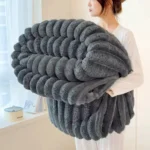 Teddy Bear Blanket
 Sheets
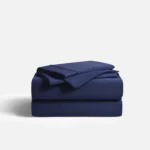 SuperCool+ Starter Sheet Set
 SuperCool+ Flat Sheet
 SuperCool+ Fitted Sheet
 Pillowcases
 SuperCool+ Pillowcases
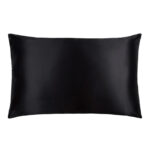 Cooling Silk Pillowcase
 Mattress Protectors
 Quilted Mattress Protector
 Waterproof Mattress Protector
 Floor Mats

What’s Better: Silk or Satin Pillowcases?

Understanding the Fundamental Differences
Silk and satin are not the same thing. Silk is a natural protein fiber. Silkworms produce it. Satin is a weave pattern. Manufacturers can create satin from silk, polyester, nylon, or rayon.
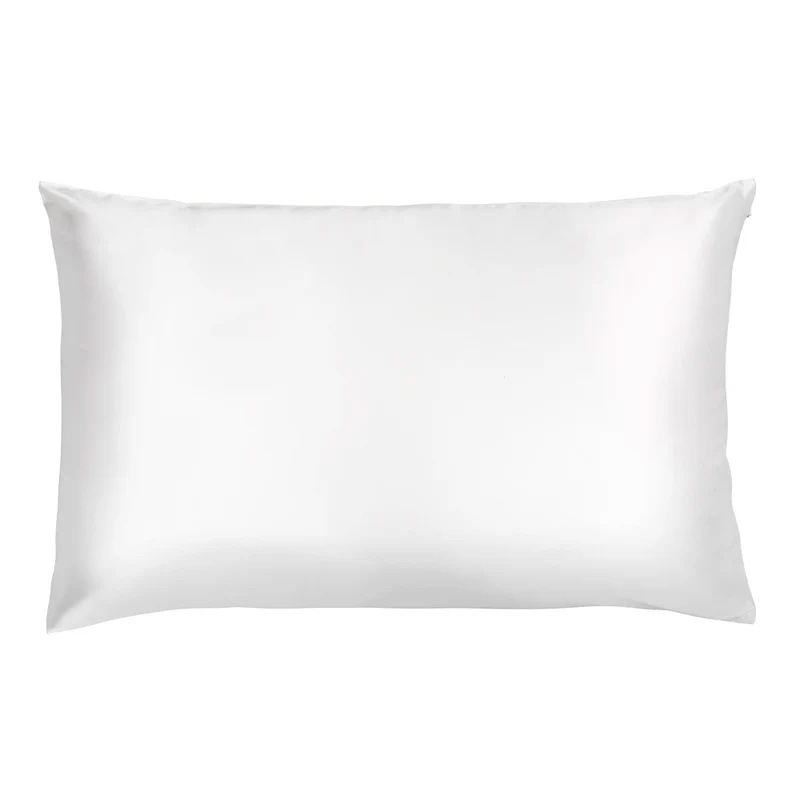
Your pillow shouldn’t steal your glow while you sleep. The lululinens LUXY LU 100% Mulberry Silk Pillowcase reduces friction, minimizes sleep creases, and keeps hair frizz-free. Pure mulberry silk offers temperature-regulating softness that’s hypoallergenic and gentle. Wake up looking as rested as you feel.
This distinction matters. A silk pillowcase is always made from natural silk fibers. A satin pillowcase uses the satin weave but may contain synthetic materials. The fiber content determines most performance characteristics.
The Origins of Silk Production
China developed silk production over 5,000 years ago. Workers harvest silk from the cocoons of Bombyx mori silkworms. Each cocoon produces 1,000 to 3,000 feet of continuous silk filament.
The process requires careful cultivation. Silkworms eat mulberry leaves exclusively. Workers unwind the cocoons in hot water. They twist multiple filaments together to create usable thread. This labor-intensive process makes silk expensive.
How Satin Weave Works
The satin weave creates a smooth, lustrous surface. The pattern floats warp threads over multiple weft threads. This produces more thread on the surface. The result is a shiny face and a dull back.
Manufacturers can create satin from any fiber. Polyester satin costs less than silk satin. It uses petroleum-based synthetic fibers. The weave pattern gives it a similar appearance to silk, but the fiber properties differ significantly.
Technical Specifications Comparison
| Feature | Silk Pillowcase | Satin Pillowcase |
|---|---|---|
| Fiber Source | Natural (silkworm protein) | Varies (silk, polyester, nylon, rayon) |
| Momme Weight | 19-25 momme typical | N/A (uses thread count) |
| Moisture Absorption | High (up to 30% of weight) | Low (polyester repels moisture) |
| Temperature Regulation | Excellent (natural thermoregulation) | Poor to moderate (depends on fiber) |
| Durability | High (with proper care) | Moderate to high |
| Cost Range | $30-$150 per pillowcase | $10-$50 per pillowcase |
| Care Requirements | Delicate wash, air dry | Machine washable, tumble dry |
Measuring Silk Quality: Momme Weight
Momme (mm) measures silk fabric density. One momme equals 4.340 grams per square meter. Higher momme weight indicates thicker, more durable silk.
Pillowcases typically use 19 to 25 momme silk. Lower momme silk (below 19) feels thin and tears easily. Higher momme silk (above 25) feels heavy and stiff. The 22 momme range offers the best balance of softness and durability.
Satin Thread Count Considerations
Satin pillowcases use thread count measurements. This counts threads per square inch. Higher thread counts create smoother surfaces.
Quality satin pillowcases range from 300 to 600 thread count. Polyester satin maintains smoothness at lower thread counts than cotton satin. Thread count matters less for synthetic satin than for natural fiber satin.
Hair Health Benefits Analysis
Both silk and satin reduce friction against hair. This prevents breakage and frizz. The smooth surface allows hair to glide across the pillowcase.
How Silk Protects Hair
Silk contains 18 amino acids. These match the amino acids in human hair. The protein structure creates natural compatibility. Sericin, a protein in silk, helps retain moisture in hair.
Silk absorbs excess oil from hair without stripping it completely. The material balances moisture levels. Curly and textured hair types benefit most. These hair types are prone to dryness and breakage.
Split ends decrease when sleeping on silk. The friction coefficient of silk measures 0.25 to 0.30. This is significantly lower than cotton (0.40 to 0.50).
Satin’s Friction Reduction Properties
Polyester satin reduces friction effectively. The smooth weave prevents hair tangling. However, polyester repels moisture. This can dry out hair over time.
Satin made from silk provides the best hair benefits. It combines the smooth weave with natural fiber properties. Synthetic satin works well for short-term friction reduction but lacks moisture management.
Skin Care Advantages
Your pillowcase contacts your face for 7-9 hours nightly. The material affects skin hydration and aging.
Silk’s Hypoallergenic Properties
Silk resists dust mites, mold, and fungus naturally. The tight weave prevents allergen accumulation. Sericin in silk has antimicrobial properties.
Studies show silk reduces facial creasing. The smooth surface prevents sleep lines from forming. These lines can become permanent wrinkles over time.
Silk’s moisture-wicking ability keeps skin hydrated. It draws moisture from the air. This helps maintain the skin’s natural moisture barrier. People with dry or sensitive skin see the most improvement.
Satin Surface Benefits
Satin’s smooth surface reduces sleep line formation. The gliding action prevents tugging on facial skin. This helps prevent premature wrinkles.
Polyester satin does not absorb skincare products. Your serums and moisturizers stay on your face instead of soaking into the pillowcase. However, polyester can trap heat and cause sweating.
Silk satin provides both smoothness and breathability. It offers superior skin benefits compared to polyester satin.
Temperature Regulation Performance
Sleep temperature affects sleep quality. Your pillowcase contributes to thermal comfort.
Silk’s Natural Thermoregulation
Silk has a hollow structure. This creates natural insulation. The material keeps you cool in summer and warm in winter.
Silk conducts heat poorly. It has a thermal conductivity of 0.04 W/mK. This prevents rapid temperature transfer. Your body heat stays regulated throughout the night.
The material releases moisture quickly. This evaporative cooling prevents overheating. Hot sleepers benefit significantly from silk pillowcases.
Satin’s Temperature Properties
Polyester satin traps heat. The synthetic fibers do not breathe well. This causes sweating and discomfort for many sleepers.
Silk satin regulates temperature like regular silk. The fiber content determines performance, not the weave pattern. Rayon satin offers moderate breathability between polyester and silk.
Durability and Longevity
Quality matters for long-term value. Initial cost means less than cost per year of use.
Silk Pillowcase Lifespan
High-quality silk lasts 2-5 years with proper care. The natural fibers maintain strength over time. Mulberry silk (Grade 6A) offers the highest durability.
Silk resists pilling and snagging better than many synthetic materials. The long continuous filaments create a strong fabric. Short staple synthetic fibers can break down faster.
UV exposure damages silk. Store silk pillowcases away from direct sunlight. Chlorine bleach destroys silk fibers permanently.
Satin Durability Factors
Polyester satin lasts 3-7 years typically. Synthetic fibers resist staining and degradation. Machine washing does not damage polyester satin.
However, polyester can pill over time. The shorter fibers work their way to the surface. This creates a fuzzy, worn appearance.
Silk satin combines silk’s longevity with satin’s appearance. It requires more careful handling than polyester satin but outlasts many synthetic options.
Your pillow shouldn’t steal your glow while you sleep. The lululinens LUXY LU 100% Mulberry Silk Pillowcase reduces friction, minimizes sleep creases, and keeps hair frizz-free. Pure mulberry silk offers temperature-regulating softness that’s hypoallergenic and gentle. Wake up looking as rested as you feel.
Maintenance and Care Requirements
Care difficulty affects practical usability. Consider your lifestyle and laundry habits.
Washing Silk Pillowcases
Silk requires gentle washing. Use these steps:
- Fill a basin with cool water (below 30°C/86°F)
- Add pH-neutral detergent designed for silk
- Submerge the pillowcase and gently agitate
- Soak for 3-5 minutes maximum
- Rinse thoroughly with cool water
- Roll in a towel to remove excess water
- Air dry away from direct heat and sunlight
Machine washing silk is possible using a mesh bag and delicate cycle. Always use cold water. Skip the dryer completely. Heat damages silk’s protein structure permanently.
Caring for Satin Pillowcases
Polyester satin tolerates machine washing. Use these guidelines:
- Wash in warm water (up to 40°C/104°F)
- Use regular detergent
- Tumble dry on low heat
- Remove promptly to prevent wrinkles
- Iron on low setting if needed
Silk satin requires silk care protocols. The fiber content determines care needs, not the weave.
Cost-Benefit Analysis
Price reflects production costs and material quality. Evaluate value based on your priorities.
Initial Investment Comparison
Silk pillowcases cost $30-$150 each. Mulberry silk in 22 momme weight typically costs $60-$80. Charmeuse weave silk costs more than habutai weave.
Polyester satin pillowcases cost $10-$25 each. Silk satin falls between pure silk and polyester satin at $40-$70.
Long-Term Value Calculation
Calculate cost per year of use:
- Silk pillowcase: $60 ÷ 3 years = $20 per year
- Polyester satin: $15 ÷ 2 years = $7.50 per year
- Silk satin: $55 ÷ 3 years = $18.33 per year
The price difference narrows with longer lifespans. Silk’s superior benefits may justify the higher annual cost for many users.
Environmental Impact Considerations
Sustainability matters to many consumers. Material choice affects environmental footprint.
Silk’s Environmental Profile
Silk production is biodegradable and renewable. Silkworms eat mulberry leaves. The process creates minimal waste.
However, traditional silk production kills the pupae inside cocoons. Peace silk or Ahimsa silk allows moths to emerge before harvesting. This ethical option costs more and produces shorter fibers.
Chemical dyes affect silk’s environmental impact. Natural dyes reduce pollution. Organic silk certification ensures sustainable farming practices.
Satin’s Ecological Footprint
Polyester derives from petroleum. Production releases greenhouse gases. The material does not biodegrade. Microplastic shedding occurs during washing.
Recycled polyester reduces environmental harm. Some manufacturers use post-consumer plastic bottles. This diverts waste from landfills.
Silk satin has the same environmental profile as regular silk. The weave pattern does not change sustainability factors.
Making Your Selection
Choose based on your specific needs and priorities. Consider these factors:
Choose silk if you:
- Have sensitive skin or allergies
- Experience night sweats or hot flashes
- Want maximum hair protection
- Prefer natural, biodegradable materials
- Can commit to gentle hand washing
Choose polyester satin if you:
- Need budget-friendly options
- Want easy machine washing
- Prefer low-maintenance bedding
- Live in very cold climates
- Travel frequently and need durable materials
Choose silk satin if you:
- Want silk’s benefits with satin’s appearance
- Value both performance and aesthetics
- Can invest in mid-range pricing
- Need versatile seasonal performance
Key Takeaways
Silk pillowcases offer superior hair and skin benefits. The natural protein fibers regulate temperature effectively. They cost more and require careful maintenance. The investment pays off through durability and performance.
Satin pillowcases reduce friction at lower prices. Polyester satin works well for basic needs. It lacks silk’s moisture management and hypoallergenic properties. Maintenance is simple and convenient.
Your choice depends on personal priorities. Evaluate your budget, care commitment, and specific concerns. Both options outperform standard cotton pillowcases significantly.
Test either option for 30 days. Your hair and skin will show noticeable improvements. The right pillowcase enhances sleep quality and beauty routines effectively.
Your pillow shouldn’t steal your glow while you sleep. The lululinens LUXY LU 100% Mulberry Silk Pillowcase reduces friction, minimizes sleep creases, and keeps hair frizz-free. Pure mulberry silk offers temperature-regulating softness that’s hypoallergenic and gentle. Wake up looking as rested as you feel.
