 Comforters
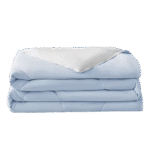 SuperCool Comforter
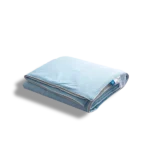 SuperCool Light Comforter
 SuperCool Kids Comforter
 Blankets
 Teddy Bear Blanket
 Sheets
 SuperCool+ Starter Sheet Set
 SuperCool+ Flat Sheet
 SuperCool+ Fitted Sheet
 Pillowcases
 SuperCool+ Pillowcases
 Cooling Silk Pillowcase
 Mattress Protectors
 Quilted Mattress Protector
 Waterproof Mattress Protector
 Floor Mats

What Pillowcases Are Good for Hair

The Science Behind Hair-Safe Pillowcases
Your pillowcase affects your hair every night. Standard cotton pillowcases create friction. This friction damages hair cuticles, causes breakage, and creates frizz. The wrong fabric absorbs moisture from your hair strands. This leaves hair dry and brittle by morning.
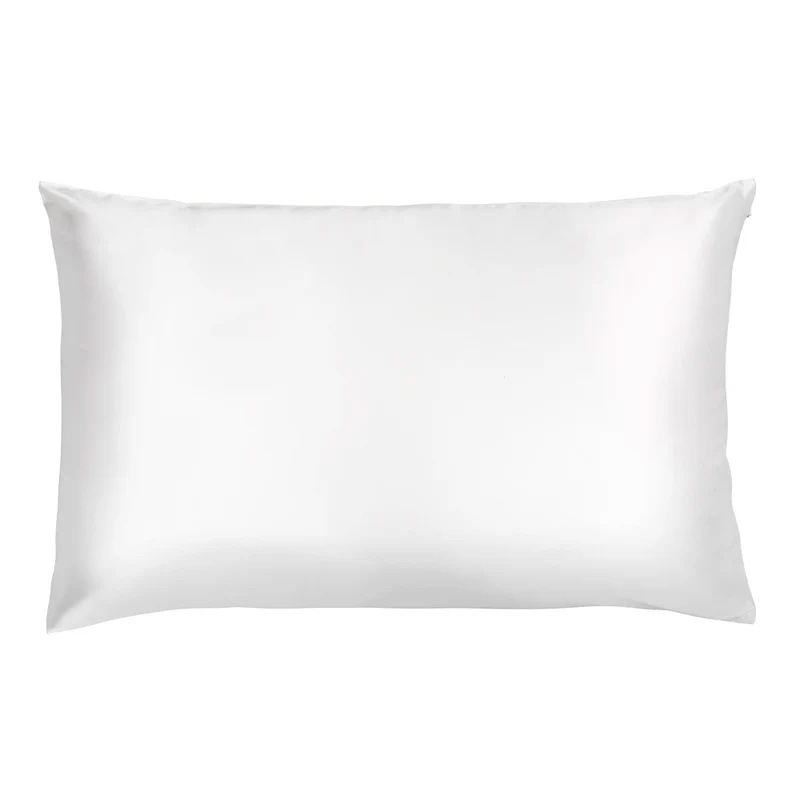
Your pillow shouldn’t steal your glow while you sleep. The lululinens LUXY LU 100% Mulberry Silk Pillowcase reduces friction, minimizes sleep creases, and keeps hair frizz-free. Pure mulberry silk offers temperature-regulating softness that’s hypoallergenic and gentle. Wake up looking as rested as you feel.
Silk and satin pillowcases reduce friction by up to 43% compared to cotton. These smooth fabrics allow hair to glide across the surface. The reduced friction preserves your hair’s natural oils and maintains moisture balance.
Hair damage occurs during sleep through three mechanisms:
- Mechanical stress from tossing and turning
- Moisture loss through fabric absorption
- Cuticle disruption from rough textile surfaces
The right pillowcase material prevents all three types of damage.
Historical Context of Silk Pillowcases for Hair Health
Silk pillowcases originated in ancient China around 3000 BCE. Chinese royalty used silk bedding to preserve elaborate hairstyles. They observed that silk maintained hair structure better than other available fabrics.
Japanese geishas adopted silk pillowcases in the 17th century. They needed to protect intricate hairstyles that took hours to create. The practice spread through Asian cultures before reaching Western markets in the 1980s.
Modern dermatologists began recommending silk pillowcases in the early 2000s. Clinical studies confirmed the traditional observations. Research showed measurable improvements in hair health markers among silk pillowcase users.
Silk Pillowcases: The Gold Standard
Mulberry silk represents the highest quality option for hair protection. This silk comes from silkworms fed exclusively on mulberry leaves. The resulting fibers are longer, smoother, and more uniform than other silk types.
Technical Specifications of Quality Silk
Silk quality is measured in momme weight. This unit indicates the silk’s density and durability. Higher momme numbers mean heavier, more durable fabric.
Recommended momme weights:
- 19 momme: Minimum acceptable quality
- 22 momme: Standard premium quality
- 25 momme: Luxury tier with maximum durability
- 30 momme: Ultra-premium, longest-lasting option
Silk contains 18 amino acids. These proteins are naturally compatible with human hair keratin. The protein structure helps maintain hair’s moisture balance without chemical treatments.
Benefits of Silk for Different Hair Types
For curly hair: Silk preserves curl patterns. The smooth surface prevents curls from stretching or flattening overnight. Users report 60% less frizz compared to cotton pillowcases.
For fine hair: Silk reduces breakage along thin strands. The gentle surface minimizes mechanical stress on fragile hair shafts. Fine hair maintains volume better on silk surfaces.
For chemically treated hair: Colored or bleached hair retains vibrancy longer on silk. The fabric doesn’t strip protective oils that seal color molecules. Chemical treatments last 2-3 weeks longer with silk pillowcases.
For textured hair: Protective styles stay intact on silk surfaces. Braids, twists, and locs experience less friction and fuzzing. Style longevity increases by 40% on average.
Satin Pillowcases: The Accessible Alternative
Satin refers to a weave pattern, not a fiber type. Most satin pillowcases use polyester fibers woven in a satin weave. This creates a smooth, glossy surface similar to silk at a lower price point.
Polyester Satin vs. Silk: Key Differences
| Feature | Silk | Polyester Satin |
|---|---|---|
| Price | $30-$100 | $10-$30 |
| Breathability | Excellent | Poor |
| Moisture Wicking | Natural | Minimal |
| Temperature Regulation | Superior | Limited |
| Friction Reduction | 95% | 85% |
| Durability | 5-10 years | 2-3 years |
| Hypoallergenic | Yes | No |
Polyester satin works well for budget-conscious consumers. The friction reduction benefits remain significant. However, the synthetic material doesn’t regulate temperature or wick moisture as effectively as silk.
Charmeuse Satin Explained
Charmeuse is a specific satin weave. One side displays a glossy finish while the reverse shows a matte surface. Sleep on the glossy side for maximum hair benefits.
Charmeuse satin typically uses a four-harness weave. This creates the characteristic sheen and smoothness. The weave pattern determines the fabric’s friction coefficient and durability.
Bamboo and Lyocell Pillowcases
Bamboo viscose offers a sustainable middle ground. The fabric comes from bamboo cellulose processed into soft fibers. Bamboo pillowcases provide 80% of silk’s friction reduction at 60% of the cost.
Bamboo Fabric Properties
Bamboo fabric is naturally antimicrobial. The material resists bacteria and fungus growth. This keeps pillowcases fresher between washes, which benefits scalp health.
The fiber structure wicks moisture effectively. Bamboo absorbs 40% more moisture than cotton but releases it faster than polyester. This maintains optimal hair hydration levels.
Tencel (Lyocell) is produced from eucalyptus trees. The manufacturing process uses closed-loop systems that recycle 99% of solvents. Tencel provides similar benefits to bamboo with even better sustainability credentials.
Cotton Alternatives: Sateen and Jersey
Not all cotton pillowcases damage hair equally. Sateen weave cotton uses a mercerization process that creates a smoother surface. The weave places more threads on the fabric face, increasing smoothness.
Thread Count Considerations
Higher thread counts create denser fabrics. However, thread count alone doesn’t determine hair-friendliness.
Optimal specifications for cotton:
- Thread count: 300-600
- Weave: Sateen
- Fiber: Long-staple Egyptian or Pima cotton
- Treatment: Mercerized for smoothness
Jersey knit cotton offers more give than woven cotton. The stretchy texture reduces tension on hair. Jersey cotton works better for restless sleepers who move frequently.
Selection Criteria for Hair Type
For Straight Hair
Straight hair needs minimal friction reduction. Cotton sateen or bamboo pillowcases provide sufficient protection. These options prevent the slight crimping that occurs on rougher surfaces.
For Wavy Hair
Wavy hair requires moderate smoothness to maintain pattern definition. Bamboo, Tencel, or lower-momme silk (19-22) work well. These fabrics preserve waves without excessive cost.
For Curly and Coily Hair
Curly and coily hair demands maximum smoothness. Choose silk (22+ momme) or high-quality charmeuse satin. These textures need the most friction reduction to prevent breakage and maintain curl definition.
For Color-Treated Hair
Chemically processed hair loses moisture quickly. Silk pillowcases preserve both moisture and color vibrancy. The protein structure in silk bonds with damaged hair cuticles, providing temporary protection.
Your pillow shouldn’t steal your glow while you sleep. The lululinens LUXY LU 100% Mulberry Silk Pillowcase reduces friction, minimizes sleep creases, and keeps hair frizz-free. Pure mulberry silk offers temperature-regulating softness that’s hypoallergenic and gentle. Wake up looking as rested as you feel.
Size and Fit Specifications
Pillowcases come in standard dimensions:
- Standard: 20 x 26 inches
- Queen: 20 x 30 inches
- King: 20 x 36 inches
Choose a size that fits your pillow snugly. Loose pillowcases bunch and create friction. Tight pillowcases strain seams and reduce durability.
Envelope closure pillowcases stay in place better than open-ended designs. The closure prevents the pillow from sliding out during sleep. This maintains consistent fabric-to-hair contact.
Maintenance and Care Instructions
Proper care extends pillowcase lifespan and maintains hair-protective properties.
Washing Silk Pillowcases
- Use cold water exclusively
- Choose pH-neutral detergent without enzymes
- Hand wash or use delicate machine cycle
- Never use bleach or fabric softener
- Air dry flat or tumble dry on lowest heat
Wash silk pillowcases every 7-10 days. Frequent washing is necessary because silk doesn’t resist oil buildup as well as synthetic fabrics.
Washing Satin and Bamboo Pillowcases
- Wash in warm water (not hot)
- Use mild detergent
- Machine wash on gentle cycle
- Tumble dry on low heat
- Remove promptly to prevent wrinkles
Satin and bamboo require less delicate care than silk. Wash these every 5-7 days for optimal hygiene.
Ironing Guidelines
Silk requires low-heat ironing on the reverse side. Use a pressing cloth to prevent scorching. Iron while slightly damp for best results.
Satin and bamboo rarely need ironing. The smooth weave resists wrinkling naturally. If ironing is necessary, use low heat with steam.
Cost-Benefit Analysis
Budget Tier ($10-$25)
Polyester satin provides basic friction reduction. These pillowcases work for temporary use or testing the concept. Replace every 12-18 months as fibers degrade.
Mid-Range Tier ($25-$50)
Bamboo, Tencel, and blended fabrics offer good performance. These options balance cost with benefits. Durability extends to 2-4 years with proper care.
Premium Tier ($50-$100)
High-quality mulberry silk delivers maximum benefits. The investment pays off through durability and superior hair protection. Premium silk lasts 5-10 years with proper maintenance.
Common Mistakes to Avoid
Using fabric softener: Fabric softener coats fibers and reduces their natural benefits. The coating diminishes friction reduction and moisture-wicking properties.
Buying low-momme silk: Silk under 19 momme wears out quickly. The thin fabric tears easily and loses smoothness after few washes.
Ignoring closure type: Pillowcases without secure closures shift during sleep. This creates friction and negates the benefits of smooth fabrics.
Overwashing: Excessive washing degrades all fabrics faster. Wash only when necessary to maintain fiber integrity.
How to Choose Your Ideal Pillowcase
Follow this decision framework:
- Assess your hair type: Curly and damaged hair need maximum smoothness (silk). Straight and healthy hair can use cotton alternatives.
- Set your budget: Determine your maximum price point before shopping. Quality options exist at every price level.
- Consider climate: Hot sleepers benefit from silk’s temperature regulation. Cold sleepers may prefer bamboo’s warmth.
- Evaluate sustainability priorities: Choose Tencel or bamboo if environmental impact matters. These fabrics use renewable resources.
- Test before committing: Buy one pillowcase first. Evaluate results after 2-3 weeks before purchasing additional cases.
- Read specifications carefully: Check momme weight, fiber content, and weave type. Don’t rely on marketing claims alone.
The Bottom Line
Silk pillowcases offer the best protection for hair. The 22-momme mulberry silk provides optimal friction reduction, moisture retention, and durability. Polyester satin serves as an effective budget alternative with 85% of silk’s benefits at one-third the cost.
Your hair type determines which material suits you best. Curly, coily, and chemically treated hair benefit most from premium silk. Straight and healthy hair maintains condition well on bamboo or sateen cotton.
The investment in a quality pillowcase pays returns through reduced breakage, maintained styles, and improved hair health. Choose based on your specific needs, budget, and hair characteristics. Your hair will show measurable improvement within three weeks of switching to a hair-safe pillowcase.
Your pillow shouldn’t steal your glow while you sleep. The lululinens LUXY LU 100% Mulberry Silk Pillowcase reduces friction, minimizes sleep creases, and keeps hair frizz-free. Pure mulberry silk offers temperature-regulating softness that’s hypoallergenic and gentle. Wake up looking as rested as you feel.
