 Comforters
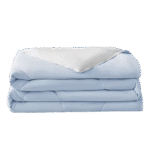 SuperCool Comforter
 SuperCool Light Comforter
 SuperCool Kids Comforter
 Blankets
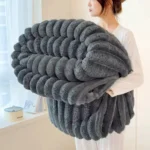 Teddy Bear Blanket
 Sheets
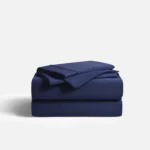 SuperCool+ Starter Sheet Set
 SuperCool+ Flat Sheet
 SuperCool+ Fitted Sheet
 Pillowcases
 SuperCool+ Pillowcases
 Cooling Silk Pillowcase
 Mattress Protectors
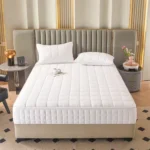 Quilted Mattress Protector
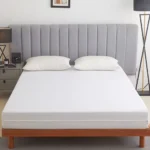 Waterproof Mattress Protector
 Floor Mats

What Pillowcases Are Best for Acne

Understanding the Connection Between Pillowcases and Acne
Your pillowcase contacts your face for 6-8 hours each night. This direct contact transfers oils, bacteria, and dead skin cells. The fabric absorbs these substances and reintroduces them to your skin. This cycle creates an environment where acne-causing bacteria thrive.
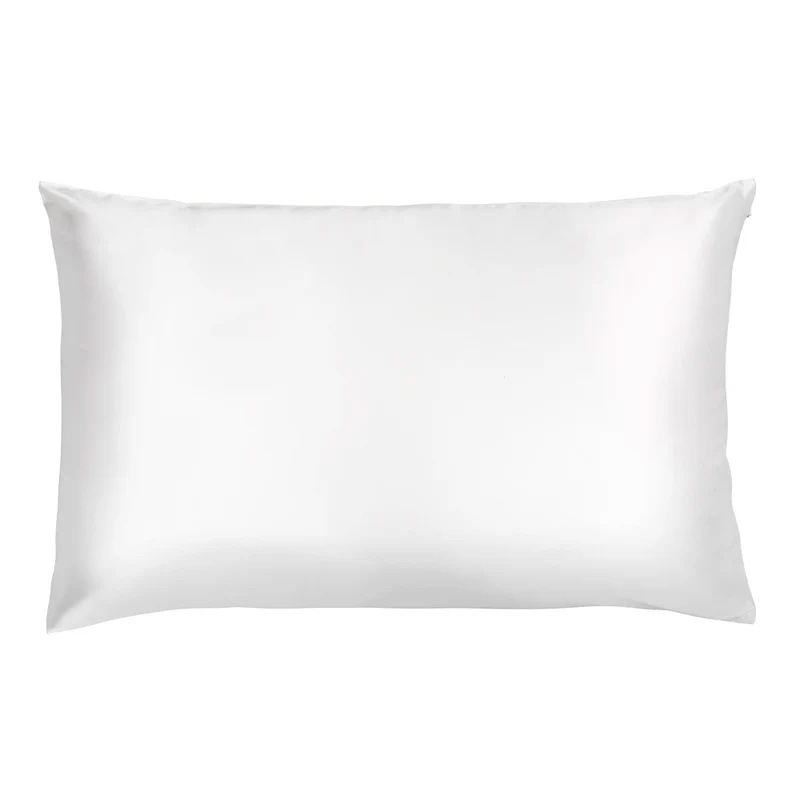
Your pillow shouldn’t steal your glow while you sleep. The lululinens LUXY LU 100% Mulberry Silk Pillowcase reduces friction, minimizes sleep creases, and keeps hair frizz-free. Pure mulberry silk offers temperature-regulating softness that’s hypoallergenic and gentle. Wake up looking as rested as you feel.
Acne mechanica develops from friction and pressure against the skin. Your pillowcase creates both. The fabric rubs against your face throughout the night. This friction irritates pores and triggers inflammation. Poor fabric choices make this worse.
Pillowcases also absorb hair products, facial oils, and sweat. These substances build up over time. A single night’s sleep deposits millions of dead skin cells onto the fabric. Propionibacterium acnes, the bacteria responsible for breakouts, feeds on these deposits.
The History of Pillowcases and Skin Health
Ancient Egyptians used stone headrests instead of soft pillows. The practice prevented elaborate hairstyles from being ruined. It also reduced facial contact with bacteria-harboring surfaces.
Cotton pillowcases became standard in the 19th century. Manufacturers produced them cheaply and in large quantities. The textile industry focused on affordability over skin health. This created problems for acne-prone individuals.
The 1990s brought increased awareness of the skin-fabric connection. Dermatologists began studying how textiles affect acne. Research showed that fabric type, thread count, and washing frequency all impact breakouts. This sparked innovation in pillowcase design.
Silk pillowcases gained popularity in Asian markets first. Chinese manufacturers recognized silk’s skin benefits centuries ago. Western markets adopted this knowledge slowly. Today, silk stands as the gold standard for acne prevention.
Best Fabric Types for Acne-Prone Skin
Silk Pillowcases
Mulberry silk ranks as the top choice for preventing acne. This fabric contains natural proteins and 18 essential amino acids. These compounds benefit skin health directly.
Silk creates minimal friction against skin. The smooth surface prevents the tugging and pulling that aggravates pores. This reduces acne mechanica significantly. Studies show that silk causes 43% less friction than cotton.
The fabric’s tight weave prevents bacterial growth. Silk fibers resist dust mites and common allergens. This creates a cleaner sleeping surface. The material also regulates temperature effectively. Your skin stays cooler throughout the night. Less sweating means fewer clogged pores.
Silk maintains your skin’s moisture balance. Cotton absorbs natural oils from your face. Silk allows your skin to retain these protective oils. This prevents the overproduction of sebum that leads to breakouts.
Bamboo Pillowcases
Bamboo viscose offers excellent antimicrobial properties. The fabric contains a natural antimicrobial agent called bamboo kun. This substance inhibits bacterial growth without chemical treatments.
Bamboo fabric breathes exceptionally well. Air circulates through the weave easily. This prevents heat and moisture buildup. The material absorbs moisture 40% better than cotton. Your face stays drier throughout the night.
The fabric feels smooth and soft against skin. This reduces friction-related irritation. Bamboo also resists odors naturally. You can use the pillowcase longer between washes without bacterial buildup.
Production costs make bamboo more affordable than silk. The material provides similar benefits at a lower price point. This makes it accessible for budget-conscious consumers.
Satin Pillowcases
Polyester satin mimics silk’s smooth surface at a fraction of the cost. The fabric reduces friction effectively. This prevents irritation and inflammation.
However, polyester doesn’t breathe as well as natural fibers. Heat and moisture can trap against your skin. This creates conditions where bacteria multiply. People with oily skin should avoid polyester satin.
The material works better for dry or combination skin types. The reduced friction benefits outweigh the breathability concerns for these individuals.
Cotton Pillowcases
Standard cotton ranks poorly for acne prevention. The fabric absorbs oils and moisture aggressively. This strips your skin of protective barriers. Your skin compensates by producing excess oil.
Egyptian cotton with high thread counts performs better. Thread counts above 300 create a smoother surface. This reduces friction compared to standard cotton. However, even premium cotton absorbs more moisture than silk or bamboo.
Cotton requires frequent washing to prevent bacterial buildup. You must change cotton pillowcases every 2-3 days. This maintenance schedule proves difficult for many people.
Technical Specifications That Matter
Thread Count
Thread count measures fibers per square inch of fabric. Higher counts generally indicate smoother surfaces. However, thread count matters most for cotton pillowcases.
For cotton, aim for 300-400 threads per square inch. Counts above 600 often use marketing manipulation. Manufacturers twist multiple fibers together and count them separately.
Silk uses a different measurement called momme weight. Look for 19-25 momme silk. This weight provides durability without sacrificing smoothness. Lower momme weights tear easily. Higher weights feel stiff and heavy.
Bamboo thread count typically ranges from 250-350. The fabric’s natural smoothness makes higher counts unnecessary.
Weave Pattern
Sateen weave creates the smoothest surface. This pattern places more threads on the fabric’s face. The result feels silky and reduces friction. Sateen works well for all fabric types.
Percale weave produces a crisp, matte finish. This pattern breathes better than sateen. However, the texture creates more friction. People with sensitive skin should avoid percale.
Silk uses various weaves including charmeuse and habotai. Charmeuse has a satin face and dull back. This provides maximum smoothness. Habotai offers a lighter weight with good draping properties.
Chemical Treatments
Avoid pillowcases treated with formaldehyde-based finishes. These chemicals prevent wrinkling but irritate sensitive skin. They can trigger allergic reactions and worsen acne.
Look for pillowcases labeled OEKO-TEX Standard 100 certified. This certification ensures the fabric contains no harmful chemicals. Many quality manufacturers pursue this certification voluntarily.
Antimicrobial treatments using silver ions show promise. These treatments inhibit bacterial growth without harsh chemicals. However, effectiveness decreases with repeated washing.
Comparison of Pillowcase Materials
| Material | Friction Level | Moisture Absorption | Antimicrobial Properties | Price Range | Durability |
|---|---|---|---|---|---|
| Mulberry Silk | Very Low | Low | Moderate | $40-$100 | High with care |
| Bamboo | Low | Very High | High | $20-$50 | High |
| Polyester Satin | Low | Very Low | None | $10-$25 | Very High |
| Egyptian Cotton | Moderate | Very High | None | $25-$60 | Very High |
| Standard Cotton | High | Very High | None | $8-$20 | High |
Benefits Beyond Acne Prevention
Quality pillowcases provide multiple skin benefits. The reduced friction prevents sleep lines and wrinkles. Your skin appears smoother and younger over time. This anti-aging effect compounds with consistent use.
Hair health improves dramatically with silk or satin pillowcases. The smooth surface reduces friction-induced breakage. Your hair retains moisture better overnight. You wake with less tangling and frizz.
Sensitive skin conditions improve with proper fabric choices. Eczema and rosacea respond well to friction reduction. The irritation that triggers flare-ups decreases significantly.
Temperature regulation improves sleep quality. You spend less time in light sleep stages. Deeper sleep promotes better skin repair and regeneration. This creates a positive cycle for skin health.
Your pillow shouldn’t steal your glow while you sleep. The lululinens LUXY LU 100% Mulberry Silk Pillowcase reduces friction, minimizes sleep creases, and keeps hair frizz-free. Pure mulberry silk offers temperature-regulating softness that’s hypoallergenic and gentle. Wake up looking as rested as you feel.
Proper Maintenance for Maximum Benefits
Washing Frequency
Change your pillowcase every 2-3 days minimum. This prevents bacterial buildup regardless of fabric type. People with severe acne should change daily.
Wash pillowcases separately from other laundry. This prevents cross-contamination from clothes that touch other surfaces. Use the hottest water the fabric allows. Heat kills acne-causing bacteria effectively.
Cleaning Methods
Silk requires gentle care. Hand wash silk pillowcases in cool water using pH-neutral detergent. Machine washing on delicate cycles works if you use a mesh bag. Never use bleach or fabric softener on silk.
Bamboo tolerates machine washing well. Use warm water and mild detergent. Avoid high heat in the dryer. Air drying preserves the fabric’s antimicrobial properties longer.
Cotton handles hot water and high heat. This makes deep cleaning easier. Add white vinegar to the rinse cycle. This removes detergent residue and kills remaining bacteria.
Drying Techniques
Air drying works best for all fabrics. Hang pillowcases in direct sunlight when possible. UV radiation provides natural disinfection. This kills bacteria that survive the wash cycle.
Tumble drying on low heat works for bamboo and cotton. Remove items promptly to prevent wrinkles. High heat damages silk fibers permanently.
Iron silk pillowcases on low heat while slightly damp. This removes wrinkles without damage. Place a cloth between the iron and silk for protection.
Selection Steps for Your Ideal Pillowcase
Step 1: Assess your skin type and acne severity. Oily skin benefits most from bamboo’s moisture-wicking properties. Dry skin responds better to silk’s moisture retention.
Step 2: Determine your budget range. Silk provides maximum benefits but costs more. Bamboo offers excellent value with similar antimicrobial properties.
Step 3: Check for quality certifications. Look for OEKO-TEX certification or similar standards. Verify the momme weight for silk or thread count for other fabrics.
Step 4: Consider maintenance requirements. Evaluate whether you can commit to proper care. Silk requires more attention than bamboo or cotton.
Step 5: Purchase at least three pillowcases. This rotation allows proper washing schedules. You always have a clean option available.
Step 6: Monitor your skin’s response for 4-6 weeks. Track breakout frequency and severity. Good pillowcases show noticeable improvement within this timeframe.
Additional Acne-Fighting Strategies
Pillowcases work best as part of a complete routine. Wash your face before bed every night. This removes oils and bacteria before they transfer to fabric.
Apply non-comedogenic moisturizers and treatments. These products won’t clog pores or worsen acne. They work synergistically with quality pillowcases.
Keep hair off your face while sleeping. Use hair ties or headbands. Hair products contain oils that transfer to pillowcases and skin.
Clean your phone screen regularly. Phones harbor more bacteria than toilet seats. Pressing dirty phones against your face transfers these bacteria directly.
Replace pillows every 1-2 years. Old pillows accumulate dust mites and allergens. These penetrate through pillowcases and contact your skin.
Making Your Final Decision
The best pillowcase for acne depends on individual factors. Silk remains the premium choice for most people. The investment pays off through clearer skin and better sleep quality.
Bamboo provides an excellent alternative for budget-conscious consumers. The antimicrobial properties rival silk’s benefits. The easier maintenance makes bamboo practical for busy lifestyles.
Avoid standard cotton pillowcases if you struggle with acne. The absorption properties work against clear skin goals. The frequent washing requirements prove impractical for many people.
Purchase from reputable manufacturers with return policies. This protects your investment if the pillowcase doesn’t meet expectations. Quality brands stand behind their products confidently.
Your pillowcase affects your skin every single night. This makes it one of the most important skincare investments you can make. Choose wisely based on your specific needs and budget constraints. Clear skin becomes achievable with this simple change.
Your pillow shouldn’t steal your glow while you sleep. The lululinens LUXY LU 100% Mulberry Silk Pillowcase reduces friction, minimizes sleep creases, and keeps hair frizz-free. Pure mulberry silk offers temperature-regulating softness that’s hypoallergenic and gentle. Wake up looking as rested as you feel.
