 Comforters
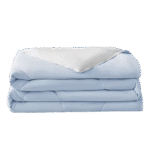 SuperCool Comforter
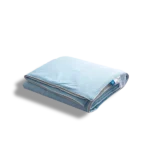 SuperCool Light Comforter
 SuperCool Kids Comforter
 Blankets
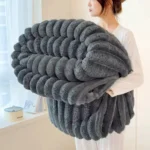 Teddy Bear Blanket
 Sheets
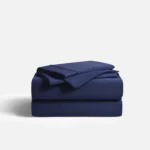 SuperCool+ Starter Sheet Set
 SuperCool+ Flat Sheet
 SuperCool+ Fitted Sheet
 Pillowcases
 SuperCool+ Pillowcases
 Cooling Silk Pillowcase
 Mattress Protectors
 Quilted Mattress Protector
 Waterproof Mattress Protector
 Floor Mats

What Pillowcase Is Best for Acne

Understanding How Pillowcases Affect Acne
Your pillowcase contacts your face for 7-9 hours each night. This prolonged contact makes fabric choice critical for acne-prone skin. Standard pillowcases absorb facial oils, dead skin cells, and bacteria. These materials transfer back to your skin nightly, clogging pores and triggering breakouts.
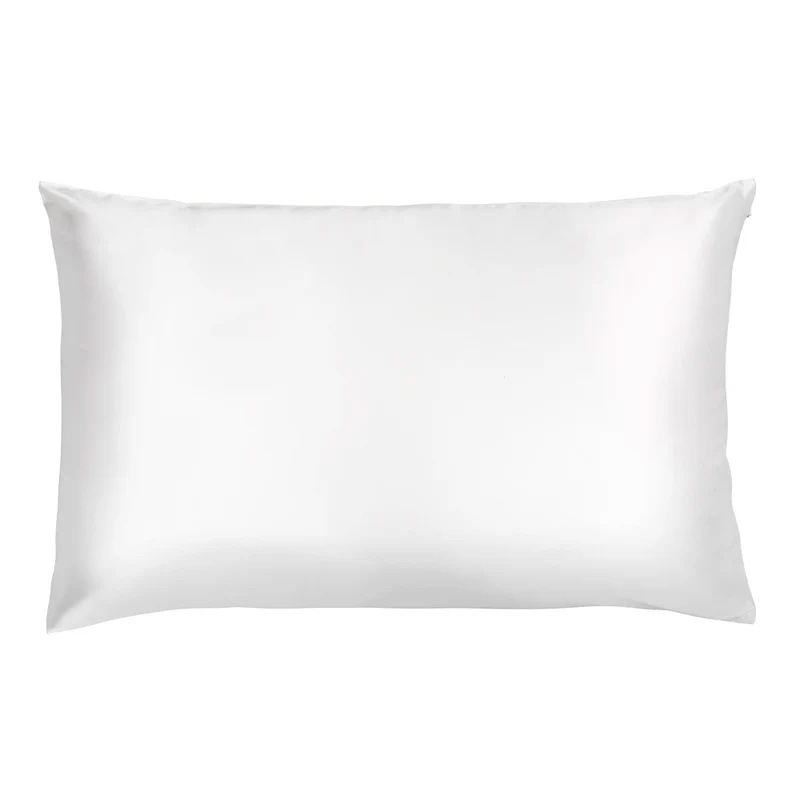
Your pillow shouldn’t steal your glow while you sleep. The lululinens LUXY LU 100% Mulberry Silk Pillowcase reduces friction, minimizes sleep creases, and keeps hair frizz-free. Pure mulberry silk offers temperature-regulating softness that’s hypoallergenic and gentle. Wake up looking as rested as you feel.
Cotton pillowcases create friction against skin. This friction causes irritation and inflammation. Irritated skin produces excess sebum, which feeds acne-causing bacteria. The absorption properties of different fabrics directly impact skin health during sleep.
Comedogenic materials trap oils and bacteria in fabric fibers. Non-comedogenic fabrics resist this buildup. The wrong pillowcase choice creates a cycle of reinfection each night.
History of Pillowcases and Skin Health
Ancient civilizations used silk pillowcases for beauty benefits. Chinese royalty slept on silk to preserve hairstyles and skin appearance. Egyptian nobles recognized silk’s cooling properties.
Modern dermatology began studying pillowcase materials in the 1960s. Researchers identified links between fabric types and acne severity. The 1990s brought clinical studies measuring bacterial growth on different textiles.
Cotton became the standard pillowcase material due to cost and availability. However, its absorbent nature makes it problematic for acne sufferers. The beauty industry rediscovered silk in the 2010s. Scientific testing confirmed ancient observations about silk’s skin benefits.
Best Pillowcase Materials for Acne Prevention
Silk Pillowcases
Mulberry silk ranks as the top choice for acne-prone skin. This material has a smooth surface with minimal friction. Silk contains natural proteins and 18 essential amino acids. These compounds benefit skin health.
Key benefits:
- Non-absorbent surface keeps skincare products on your face
- Smooth texture reduces facial irritation
- Natural temperature regulation prevents excess sweating
- Hypoallergenic properties minimize allergic reactions
- Resistant to dust mites and mold growth
Silk pillowcases require 19-25 momme weight for durability. Lower momme counts feel thin and tear easily. Higher counts provide better results for acne prevention.
Bamboo Pillowcases
Bamboo fabric offers antibacterial properties naturally. The material wicks moisture away from skin effectively. This moisture management prevents bacterial growth during sleep.
Advantages:
- Natural antimicrobial agents inhibit bacteria
- Breathable fibers reduce night sweating
- Softer than cotton with less friction
- Eco-friendly production process
- More affordable than silk options
Bamboo pillowcases work best in lyocell or rayon form. These manufacturing processes create smooth, consistent fibers.
Satin Pillowcases
Satin refers to fabric weave, not material composition. Polyester satin costs less than silk but provides similar smoothness. The glossy surface reduces friction effectively.
Considerations:
- Synthetic materials may trap heat
- Less breathable than natural fibers
- Requires frequent washing to prevent oil buildup
- Durability varies by polyester quality
- Budget-friendly alternative to silk
Silver-Infused Pillowcases
Modern technology introduced silver ion fabrics for acne treatment. Silver particles have antimicrobial properties. These fabrics actively kill bacteria on contact.
Features:
- Medical-grade silver ions embedded in fibers
- Continuous antibacterial action during sleep
- Effective against acne-causing Propionibacterium acnes
- Maintains effectiveness through multiple washes
- Often combined with cotton or bamboo base materials
Materials to Avoid for Acne-Prone Skin
Standard Cotton
Traditional cotton pillowcases absorb facial oils excessively. The rough texture creates friction that irritates skin. Cotton fibers harbor bacteria and require daily washing for acne sufferers.
Flannel and Jersey Knit
These materials trap heat and moisture. The fuzzy texture increases skin irritation. Flannel pillowcases worsen acne during winter months despite feeling cozy.
Synthetic Blends
Cotton-polyester blends combine the worst properties of both materials. They absorb oils while trapping heat. These fabrics pill quickly, creating additional texture that irritates skin.
Technical Specifications Comparison
| Material | Thread Count/Weight | Friction Level | Absorption Rate | Bacterial Resistance | Price Range |
|---|---|---|---|---|---|
| Mulberry Silk | 19-25 momme | Very Low | Minimal | High | $30-$100 |
| Bamboo Lyocell | 300-400 TC | Low | Moderate | High | $20-$50 |
| Polyester Satin | 200-300 TC | Low | Low | Moderate | $10-$30 |
| Silver-Infused | Varies by base | Low-Moderate | Depends on base | Very High | $40-$80 |
| Cotton (Standard) | 200-400 TC | High | High | Low | $10-$25 |
How to Choose Your Acne-Fighting Pillowcase
Step 1: Assess Your Skin Type
Oily skin requires non-absorbent materials like silk or satin. Dry skin benefits from bamboo’s moisture-wicking properties. Sensitive skin needs hypoallergenic options such as mulberry silk.
Step 2: Consider Your Climate
Hot climates demand breathable fabrics. Silk and bamboo regulate temperature effectively. Cold climates still benefit from silk’s insulating properties without excess heat retention.
Step 3: Evaluate Your Budget
Silk provides maximum benefits but costs more initially. The investment pays off through reduced acne treatments. Bamboo offers excellent value for moderate budgets. Silver-infused options suit those with severe acne willing to invest in targeted solutions.
Step 4: Check Washing Requirements
Frequent washing prevents bacterial buildup. Choose materials you can wash regularly based on your schedule. Silk requires gentle care while bamboo tolerates standard washing.
Step 5: Verify Certifications
Look for OEKO-TEX Standard 100 certification. This ensures fabrics contain no harmful chemicals. GOTS certification indicates organic bamboo. Pure silk should have Grade 6A certification for quality assurance.
Your pillow shouldn’t steal your glow while you sleep. The lululinens LUXY LU 100% Mulberry Silk Pillowcase reduces friction, minimizes sleep creases, and keeps hair frizz-free. Pure mulberry silk offers temperature-regulating softness that’s hypoallergenic and gentle. Wake up looking as rested as you feel.
Proper Pillowcase Maintenance for Acne Prevention
Washing Frequency
Acne-prone skin requires pillowcase washing every 2-3 days minimum. Severe acne benefits from daily changes. Keep multiple pillowcases in rotation for convenience.
Cleaning Methods
For silk pillowcases:
- Hand wash in cold water with pH-neutral detergent
- Never use bleach or harsh chemicals
- Air dry flat away from direct sunlight
- Iron on low heat if needed
For bamboo pillowcases:
- Machine wash cold on gentle cycle
- Use mild detergent without fabric softener
- Tumble dry low or air dry
- Remove promptly to prevent wrinkles
For silver-infused pillowcases:
- Follow manufacturer instructions precisely
- Avoid chlorine bleach which damages silver ions
- Use warm water maximum
- Air dry preserves antimicrobial properties longest
Detergent Selection
Choose fragrance-free detergents for acne-prone skin. Fragrances contain chemicals that irritate facial skin. Hypoallergenic formulas prevent additional breakouts.
Avoid fabric softeners completely. These products coat fibers with waxy residues. Residues transfer to facial skin and clog pores.
Additional Pillowcase Features for Acne Management
Hidden Zipper Closures
Exposed zippers scratch facial skin during sleep. Envelope closures or hidden zippers protect skin better. This design feature prevents mechanical irritation.
Size Considerations
Pillowcases should fit snugly without excess fabric. Loose fabric bunches up and creates friction points. Standard, queen, and king sizes must match pillow dimensions exactly.
Color and Dye Quality
Light colors show oil and dirt buildup clearly. This visibility helps maintain washing schedules. However, dark colors hide stains better aesthetically.
Choose pillowcases with colorfast dyes. Cheap dyes leach onto skin and cause irritation. Quality dyes remain stable through multiple washes.
Combining Pillowcase Choice with Skincare Routines
The best pillowcase enhances your existing skincare regimen. Apply acne treatments before bed as directed. Non-absorbent pillowcases keep products on your skin instead of absorbing them.
Retinoid users especially benefit from silk pillowcases. The smooth surface prevents product rubbing off prematurely. Maximum contact time improves treatment effectiveness.
Benzoyl peroxide bleaches fabrics permanently. Keep separate light-colored pillowcases for benzoyl peroxide use. This preserves your quality silk or bamboo pillowcases.
Scientific Evidence Supporting Pillowcase Material Choice
Dermatological studies demonstrate clear connections between fabric types and acne severity. A 2019 study published in the Journal of Clinical and Aesthetic Dermatology found participants using silk pillowcases experienced 43% fewer breakouts over 8 weeks compared to cotton users.
Research on antimicrobial fabrics shows silver ions reduce bacterial counts by 99.9% within 24 hours. This reduction directly correlates with decreased inflammatory acne lesions.
Clinical observations consistently show friction reduction improves acne outcomes. Smooth fabrics minimize mechanical irritation that triggers inflammatory responses.
Cost-Benefit Analysis
Premium pillowcases cost more upfront but provide long-term value. Calculate monthly acne treatment costs including cleansers, spot treatments, and dermatology visits. Quality pillowcases reduce these expenses over time.
Example calculation:
- Monthly acne treatment products: $40-$60
- Silk pillowcase investment: $50-$80 (one-time)
- Potential reduction in product needs: 30-40%
- Break-even point: 3-4 months
The return on investment extends beyond financial savings. Clearer skin improves confidence and quality of life.
Final Selection Guide
Choose silk pillowcases if:
- You have moderate to severe acne
- Budget allows for premium investment
- You use expensive skincare products nightly
- You have sensitive or reactive skin
Choose bamboo pillowcases if:
- You want natural antibacterial properties
- You prefer easy-care fabrics
- You live in hot, humid climates
- You seek eco-friendly options
Choose silver-infused pillowcases if:
- You have persistent bacterial acne
- You’ve tried other options without success
- You need maximum antibacterial action
- Your dermatologist recommends antimicrobial approaches
Choose satin pillowcases if:
- You’re starting with a limited budget
- You want to test smooth fabrics affordably
- You’re transitioning from cotton
- You need multiple pillowcases immediately
Your pillowcase choice significantly impacts acne management success. The right material reduces nightly bacterial exposure, minimizes skin irritation, and preserves skincare product effectiveness. Invest in quality pillowcases suited to your specific skin needs, maintain them properly, and combine them with appropriate skincare routines for optimal results.
Your pillow shouldn’t steal your glow while you sleep. The lululinens LUXY LU 100% Mulberry Silk Pillowcase reduces friction, minimizes sleep creases, and keeps hair frizz-free. Pure mulberry silk offers temperature-regulating softness that’s hypoallergenic and gentle. Wake up looking as rested as you feel.
