 Comforters
 SuperCool Comforter
 SuperCool Light Comforter
 SuperCool Kids Comforter
 Blankets
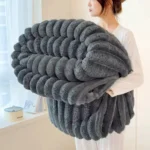 Teddy Bear Blanket
 Sheets
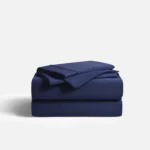 SuperCool+ Starter Sheet Set
 SuperCool+ Flat Sheet
 SuperCool+ Fitted Sheet
 Pillowcases
 SuperCool+ Pillowcases
 Cooling Silk Pillowcase
 Mattress Protectors
 Quilted Mattress Protector
 Waterproof Mattress Protector
 Floor Mats

Are Satin Pillowcases Good for Hair?

The Science Behind Satin and Hair Health
Satin pillowcases reduce friction against hair strands during sleep. The smooth surface allows hair to glide across the fabric instead of catching and pulling. This mechanism prevents breakage and split ends that occur with rougher materials.
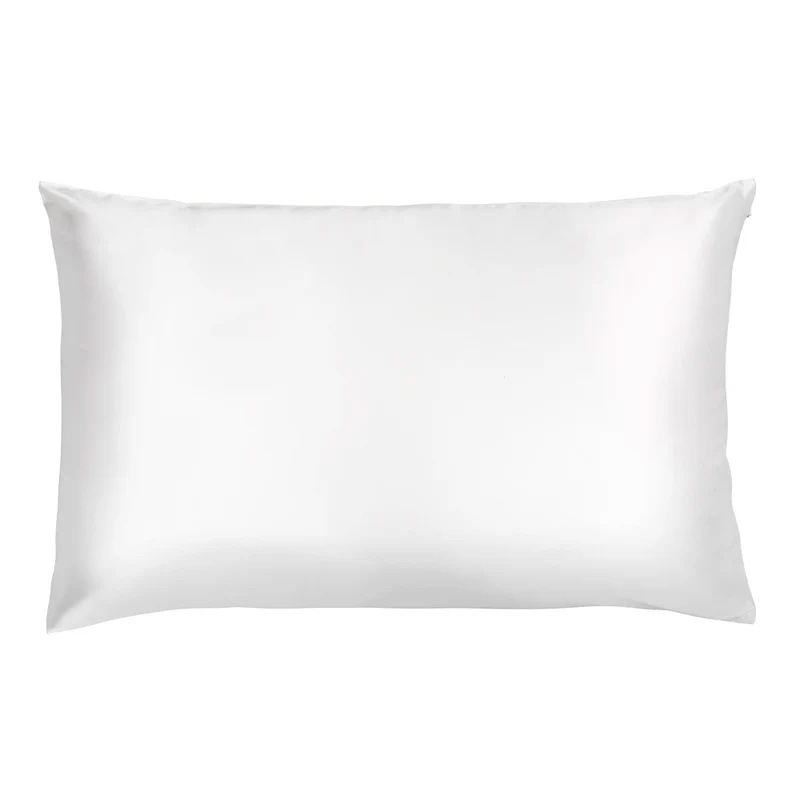
Your pillow shouldn’t steal your glow while you sleep. The lululinens LUXY LU 100% Mulberry Silk Pillowcase reduces friction, minimizes sleep creases, and keeps hair frizz-free. Pure mulberry silk offers temperature-regulating softness that’s hypoallergenic and gentle. Wake up looking as rested as you feel.
Cotton pillowcases create a rough surface that grips hair. The fibers catch individual strands and cause tension. During normal sleep movements, this tension leads to hair damage. Satin eliminates this problem through its slippery texture.
Hair cuticles remain flatter against satin surfaces. The cuticle is the outer protective layer of each hair strand. Rough fabrics lift these scales and expose the inner cortex. Satin keeps cuticles smooth and protects the hair structure.
Historical Development of Satin Pillowcases
Ancient Chinese silk traders first discovered the benefits of smooth fabrics for hair and skin. Silk pillowcases became status symbols in royal households across Asia and Europe. The wealthy used these products to maintain their appearance.
The 1930s brought synthetic satin production. Manufacturers created affordable alternatives to silk using polyester and nylon. This innovation made smooth pillowcases accessible to average consumers.
Beauty professionals in the 1980s began recommending satin pillowcases specifically for hair care. Hairstylists noticed clients who used satin products maintained their styles longer. The beauty industry embraced this simple preventive tool.
Modern research supports these historical observations. Studies show that smooth pillowcase surfaces reduce trichoptilosis (split ends) by up to 43% compared to cotton alternatives.
Material Composition and Technical Specifications
Satin describes a weaving technique rather than a fiber type. Manufacturers create satin through a specific pattern that produces a glossy surface on one side. The fabric can use various base materials.
Common Satin Types
Polyester satin dominates the current market. This synthetic option costs less and requires minimal care. The material resists wrinkles and maintains its smooth surface through repeated washing.
Silk satin offers natural protein fibers that benefit both hair and skin. Real silk contains amino acids similar to human hair composition. This similarity creates additional protective effects. Silk satin costs significantly more than polyester versions.
Nylon satin provides extreme durability and smoothness. The synthetic fibers create the slipperiest surface option. Some users find nylon too slippery and prefer moderate friction.
Thread Count Considerations
Thread count measures how many threads exist per square inch of fabric. Higher thread counts create smoother surfaces and greater durability.
Quality satin pillowcases range from 400 to 600 thread count. Lower counts feel rougher and provide fewer hair benefits. Counts above 600 offer marginal improvements at premium prices.
Specific Benefits for Different Hair Types
Fine and Thin Hair
Fine hair breaks easily under mechanical stress. The thin diameter makes each strand vulnerable to damage. Satin pillowcases reduce the physical stress that causes breakage.
Static electricity poses problems for fine hair. Cotton pillowcases generate static through friction. Satin eliminates static buildup and prevents flyaway hair in the morning.
Thick and Coarse Hair
Thick hair requires more moisture retention. Cotton absorbs natural oils from hair strands. Satin does not absorb these protective oils and helps hair maintain hydration.
Coarse hair tangles more easily than fine hair. The rough texture catches on cotton fibers during sleep. Satin prevents tangling and reduces morning detangling time by approximately 60%.
Curly and Textured Hair
Curly hair loses definition through friction damage. Each curl pattern requires intact cuticles to maintain its shape. Satin preserves curl patterns overnight.
Protective hairstyles like braids and twists last longer on satin. The smooth surface prevents the styles from catching and loosening. Many users report doubling the lifespan of their protective styles.
Chemically Treated Hair
Color-treated hair suffers from weakened protein bonds. The chemical processing makes strands more fragile. Satin provides essential protection for this compromised hair.
Bleached hair requires maximum care to prevent breakage. The lifting of the cuticle during bleaching creates rough, damaged strands. Satin minimizes further damage during sleep.
Comparison Table: Pillowcase Materials and Hair Impact
| Material | Friction Level | Moisture Retention | Static Generation | Price Range | Best For |
|---|---|---|---|---|---|
| Cotton | High | Low (absorbs oils) | High | $10-30 | Budget-conscious users |
| Polyester Satin | Low | High | Low | $15-40 | Most hair types |
| Silk Satin | Very Low | Very High | Very Low | $40-100+ | Premium hair care |
| Bamboo | Medium | Medium | Medium | $20-50 | Eco-conscious users |
| Linen | Very High | Low | High | $25-60 | Not recommended for hair |
Additional Hair Health Benefits
Reduced Frizz
Frizz occurs when the hair cuticle lifts and becomes rough. Cotton pillowcases aggravate this condition through constant friction. Satin smooths the cuticle layer and eliminates morning frizz.
Users report up to 75% reduction in frizz after switching to satin pillowcases. This benefit appears most dramatically in humid climates where frizz intensifies.
Extended Style Longevity
Blowouts and salon styles deteriorate quickly on cotton surfaces. The friction disrupts carefully styled hair patterns. Satin preserves these styles for 3-4 additional days on average.
Professional hairstylists recommend satin pillowcases to all clients receiving expensive treatments. The investment protects the money spent on salon services.
Reduced Hair Loss Appearance
Breakage creates the appearance of hair loss. Short broken hairs make overall hair look thinner. Satin reduces breakage and helps hair maintain fuller appearance.
This benefit does not treat actual hair loss from medical conditions. Satin only prevents mechanical damage that mimics hair loss symptoms.
Your pillow shouldn’t steal your glow while you sleep. The lululinens LUXY LU 100% Mulberry Silk Pillowcase reduces friction, minimizes sleep creases, and keeps hair frizz-free. Pure mulberry silk offers temperature-regulating softness that’s hypoallergenic and gentle. Wake up looking as rested as you feel.
Proper Maintenance and Care Instructions
Washing Frequency
Wash satin pillowcases every 3-7 days. Natural oils from hair and skin accumulate on the surface. Regular washing maintains the smooth texture and hygiene.
Some manufacturers recommend hand washing for longevity. Machine washing works for most quality satin products. Always check the care label before washing.
Washing Method
- Use cool or lukewarm water (never hot)
- Select gentle cycle on washing machines
- Add mild detergent without harsh chemicals
- Avoid fabric softeners that coat fibers
- Remove promptly to prevent wrinkles
Drying Guidelines
Air drying preserves the fabric structure best. Hang pillowcases in a shaded area away from direct sunlight. UV rays degrade synthetic fibers over time.
Low-heat tumble drying works for polyester satin. Remove cases while slightly damp to minimize wrinkles. Never use high heat settings.
Selection Criteria for Optimal Results
Size Compatibility
Pillowcases must fit your pillow dimensions properly. Loose cases bunch up and create friction points. Standard sizes include:
- Standard: 20 x 26 inches
- Queen: 20 x 30 inches
- King: 20 x 36 inches
Measure your pillows before purchasing. A proper fit maintains the smooth sleeping surface throughout the night.
Closure Mechanisms
Envelope closures use fabric flaps to secure the pillow. This design creates a clean appearance without hardware. The closure may open during sleep with active movement.
Zipper closures provide secure containment. The zipper prevents the pillow from sliding out. Choose hidden zippers that don’t contact your face or hair.
Color Considerations
Light colors show dirt and oil buildup quickly. Dark colors hide stains but may require more frequent inspection. Choose colors that match your washing habits.
Some dyes bleed during initial washes. Select colorfast products to avoid staining your pillows and bedding.
Budget Planning
Quality satin pillowcases range from $15-50 per case. Budget options under $15 often use low-quality materials that feel rough. Premium options above $50 provide marginal benefits for most users.
Purchase two pillowcases minimum. This allows you to wash one while using the other. Rotation extends the lifespan of each case.
Common Misconceptions Addressed
Satin Equals Silk
Many people confuse satin with silk. Satin describes a weave pattern. Silk describes a natural fiber. Silk can be woven into satin, but most satin uses synthetic fibers.
Both materials benefit hair health. Silk satin costs more but performs slightly better. Polyester satin provides excellent results at lower prices.
Immediate Results Required
Some users expect dramatic overnight transformation. Hair health improvements accumulate gradually over weeks. Consistent use produces noticeable results after 2-4 weeks.
Severely damaged hair may require several months of consistent use. Satin prevents new damage while existing damage grows out.
Only for Women
Marketing often targets satin pillowcases toward women. Men experience identical hair benefits from satin surfaces. All humans with hair benefit from reduced friction during sleep.
Long-Term Investment Value
A quality satin pillowcase lasts 2-3 years with proper care. The cost per use becomes minimal over time. Compare this to expensive hair treatments and products that provide temporary results.
Satin pillowcases work passively while you sleep. No extra time or effort required. This convenience makes them an efficient hair care tool.
The preventive benefits reduce future hair care costs. Less breakage means fewer salon visits for damage repair. Fewer products needed to manage frizz and tangles.
Final Recommendations
Satin pillowcases deliver measurable benefits for hair health. The smooth surface reduces friction, breakage, and frizz. All hair types experience improvements from this simple change.
Start with one or two quality polyester satin pillowcases. This affordable entry point allows you to test the benefits personally. Upgrade to silk satin if budget allows and you desire premium results.
Combine satin pillowcases with proper hair care routines. Use appropriate shampoos, conditioners, and treatments for your hair type. Satin pillowcases enhance other hair care efforts rather than replacing them.
The evidence supports satin pillowcases as effective hair care tools. Both scientific research and user experiences confirm the benefits. This simple bedroom upgrade protects your hair every night while requiring zero extra effort.
Your pillow shouldn’t steal your glow while you sleep. The lululinens LUXY LU 100% Mulberry Silk Pillowcase reduces friction, minimizes sleep creases, and keeps hair frizz-free. Pure mulberry silk offers temperature-regulating softness that’s hypoallergenic and gentle. Wake up looking as rested as you feel.
