 Comforters
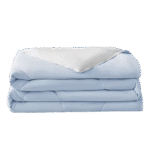 SuperCool Comforter
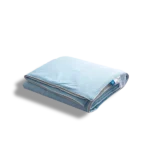 SuperCool Light Comforter
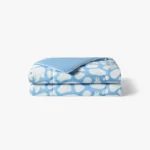 SuperCool Kids Comforter
 Blankets
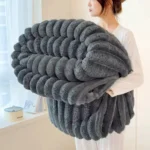 Teddy Bear Blanket
 Sheets
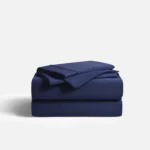 SuperCool+ Starter Sheet Set
 SuperCool+ Flat Sheet
 SuperCool+ Fitted Sheet
 Pillowcases
 SuperCool+ Pillowcases
 Cooling Silk Pillowcase
 Mattress Protectors
 Quilted Mattress Protector
 Waterproof Mattress Protector
 Floor Mats

Do Satin Pillowcases Help with Acne?

The Science Behind Satin Pillowcases and Skin Health
Satin pillowcases can help reduce acne by minimizing friction, absorbing less moisture, and harboring fewer bacteria than traditional cotton pillowcases. The smooth surface of satin creates less mechanical irritation against your skin during sleep. This reduced friction prevents the aggravation of existing breakouts and minimizes the formation of new blemishes.
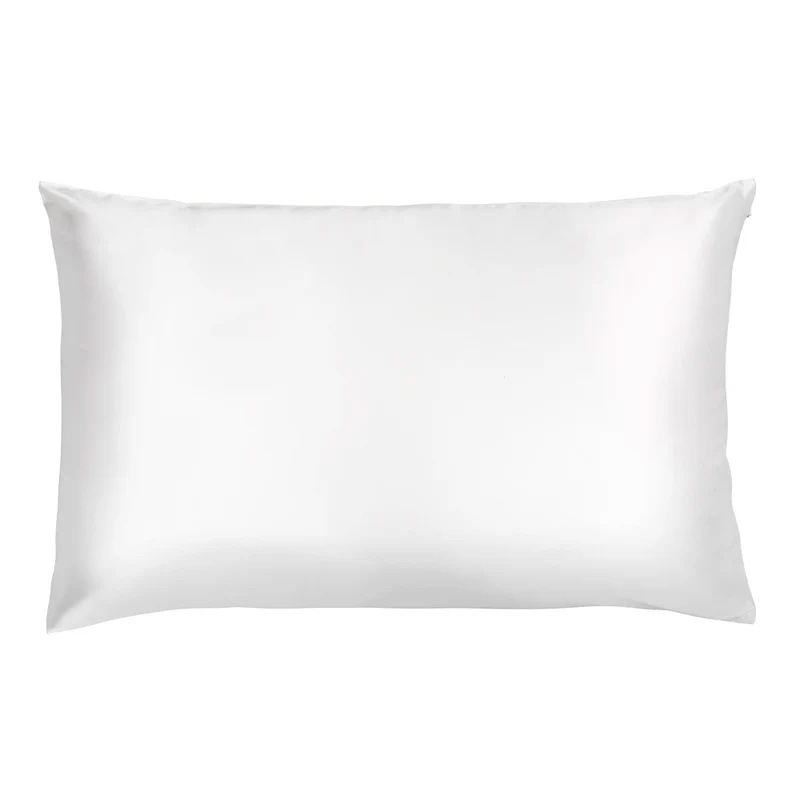
Your pillow shouldn’t steal your glow while you sleep. The lululinens LUXY LU 100% Mulberry Silk Pillowcase reduces friction, minimizes sleep creases, and keeps hair frizz-free. Pure mulberry silk offers temperature-regulating softness that’s hypoallergenic and gentle. Wake up looking as rested as you feel.
Cotton pillowcases absorb natural oils and skincare products from your face. Your skin then becomes dehydrated. This dehydration triggers your sebaceous glands to produce excess oil. The extra oil clogs pores and creates an environment for acne bacteria to thrive. Satin pillowcases absorb significantly less moisture. Your skin maintains its natural balance throughout the night.
What Makes Satin Different from Other Fabrics
Satin refers to a weave pattern, not a specific material. Manufacturers create satin using various fibers:
- Silk satin: Made from natural silk fibers, offering the highest quality
- Polyester satin: Synthetic alternative that costs less
- Nylon satin: Durable synthetic option with similar properties
- Rayon satin: Semi-synthetic fiber derived from cellulose
The satin weave creates a smooth, glossy surface on one side. The weave structure uses a four-over, one-under pattern. This pattern produces fewer fiber ends on the surface. Fewer exposed fibers mean less friction against your skin.
Cotton vs. Satin: Impact on Acne-Prone Skin
| Feature | Cotton Pillowcase | Satin Pillowcase |
|---|---|---|
| Moisture Absorption | High (absorbs up to 27x its weight) | Low (minimal absorption) |
| Friction Level | High (rough texture) | Low (smooth surface) |
| Bacteria Accumulation | High (porous structure traps bacteria) | Lower (tight weave resists bacteria) |
| Oil Transfer | Significant (pulls oils from skin) | Minimal (maintains skin barrier) |
| Recommended Wash Frequency | Every 2-3 days | Every 4-5 days |
Cotton’s absorbent nature works against acne-prone skin. The fabric pulls moisture and beneficial oils away from your face. Your carefully applied nighttime skincare products soak into the pillowcase instead of penetrating your skin. Cotton’s rough texture also creates micro-abrasions. These tiny wounds allow bacteria to enter your pores more easily.
How Satin Pillowcases Prevent Acne Formation
Satin pillowcases address multiple acne triggers simultaneously. The smooth surface reduces mechanical acne, also called acne mechanica. This type of acne develops from repeated friction, pressure, and rubbing against the skin. Athletes who wear helmets and students who rest their faces on their hands often experience mechanical acne.
Your face moves across your pillowcase approximately 60 times per night. Each movement on a cotton pillowcase creates friction. This friction irritates your skin and damages your acid mantle, the protective barrier that keeps bacteria out. Satin’s slippery surface allows your face to glide without resistance. Your skin barrier remains intact.
The reduced moisture absorption of satin pillowcases offers another benefit. Your stratum corneum (outermost skin layer) needs adequate hydration to function properly. Dehydrated skin produces excess sebum as a compensatory mechanism. Satin helps your skin maintain optimal moisture levels. Your sebaceous glands produce normal amounts of oil instead of overproducing.
The Historical Development of Satin Bedding
Satin fabric originated in Quanzhou, China during the Yuan Dynasty (1271-1368). Chinese weavers developed the satin weave to showcase the natural luster of silk threads. The fabric became a luxury item reserved for royalty and wealthy merchants.
European traders brought satin to the West via the Silk Road. The fabric gained popularity in medieval Europe. Only nobility could afford genuine silk satin. The term “satin” comes from Zaytun, the Arabic name for Quanzhou.
The Industrial Revolution made satin more accessible. Manufacturers developed mechanical looms in the 1800s. These machines produced satin faster and cheaper. The invention of synthetic fibers in the early 1900s further reduced costs. Polyester satin became available to average consumers by the 1950s.
Dermatologists began recommending satin pillowcases for skin health in the 1990s. Early studies focused on reducing sleep wrinkles. Researchers noticed participants also reported fewer breakouts. Further investigation revealed the connection between fabric friction and acne formation.
Selecting the Right Satin Pillowcase for Acne Prevention
Not all satin pillowcases deliver equal benefits. Consider these factors when purchasing:
Thread Count: Look for satin with a momme weight of 19-22 for silk satin or a thread count of 400-600 for polyester satin. Higher numbers indicate tighter weaves and smoother surfaces.
Fiber Content: Silk satin offers superior benefits but costs more. Polyester satin provides good results at a lower price point. Avoid blends with high cotton content.
Zipper vs. Envelope Closure: Zippered pillowcases stay in place better. Your face maintains consistent contact with the satin surface all night.
Size: Purchase pillowcases that fit your pillow dimensions properly. Loose pillowcases bunch up and create friction points.
Color: Darker colors show less visible oil staining. Light colors make it easier to see when the pillowcase needs washing.
Proper Maintenance for Maximum Acne-Fighting Benefits
Satin pillowcases require specific care to maintain their skin benefits. Follow these guidelines:
Washing Frequency
Wash polyester satin pillowcases every 4-5 days. Silk satin pillowcases need washing every 5-7 days. Oily skin types should wash more frequently. The less absorbent nature of satin means bacteria accumulate slower than on cotton, but regular cleaning remains essential.
Washing Instructions
- Turn the pillowcase inside out before washing
- Use cold or lukewarm water (maximum 30°C/86°F)
- Select a gentle cycle with low agitation
- Use pH-neutral liquid detergent
- Avoid fabric softeners (they reduce the smooth texture)
- Skip bleach or harsh chemicals
Drying Methods
Air drying works best for both silk and polyester satin. Hang the pillowcase away from direct sunlight. UV rays degrade the fibers over time. If you must use a dryer, select the lowest heat setting. Remove the pillowcase while slightly damp. High heat damages the fiber structure and reduces the smooth surface quality.
Storage
Store clean pillowcases in a cool, dry place. Moisture encourages mold growth. Fold satin pillowcases loosely to prevent permanent creases. Creases create rough spots that reduce the anti-acne benefits.
Your pillow shouldn’t steal your glow while you sleep. The lululinens LUXY LU 100% Mulberry Silk Pillowcase reduces friction, minimizes sleep creases, and keeps hair frizz-free. Pure mulberry silk offers temperature-regulating softness that’s hypoallergenic and gentle. Wake up looking as rested as you feel.
Additional Benefits Beyond Acne Prevention
Satin pillowcases offer multiple skin and hair advantages:
Reduced Sleep Lines: The smooth surface prevents temporary creases in your skin. These creases can become permanent wrinkles over time.
Better Product Absorption: Your serums and moisturizers stay on your face instead of soaking into the pillowcase. You get maximum benefit from expensive skincare products.
Less Hair Breakage: The slippery surface reduces hair friction. Your hair experiences less tangling and splitting.
Temperature Regulation: Satin breathes better than some synthetic fabrics. The material helps prevent overheating. Excess heat increases oil production and exacerbates acne.
Hypoallergenic Properties: Satin’s tight weave resists dust mites better than cotton. Dust mites trigger allergic reactions that can worsen skin conditions.
Common Mistakes That Reduce Effectiveness
Many users unknowingly reduce their satin pillowcase benefits. Avoid these errors:
Using Too Much Detergent: Excess detergent leaves residue on the fabric. This residue irritates sensitive skin and clogs pores. Use half the recommended amount.
Sleeping with Wet Hair: Moisture trapped between wet hair and the pillowcase creates a breeding ground for bacteria. Your pillowcase stays damp for hours. Always dry your hair before bed.
Ignoring Other Sleep Surfaces: Your face may contact your sheets during the night. Consider satin sheets or sleep bonnets for comprehensive protection.
Not Replacing Worn Pillowcases: Satin degrades over time. The surface becomes rougher. Replace pillowcases every 12-18 months for silk satin and every 18-24 months for polyester satin.
Skipping Nighttime Skincare: Satin pillowcases complement good skincare routines. They don’t replace proper cleansing and treatment. Continue washing your face before bed.
Scientific Evidence and Dermatologist Recommendations
Studies on fabric friction and skin health support the benefits of satin pillowcases. A 2019 study in the Journal of Cosmetic Dermatology examined the impact of different pillowcase materials on skin hydration. Researchers found that silk and satin pillowcases maintained transepidermal water loss (TEWL) better than cotton.
Dermatologists recognize that physical irritation contributes to acne. The American Academy of Dermatology acknowledges friction as an acne trigger. Many dermatologists now recommend satin pillowcases as part of comprehensive acne treatment plans.
However, satin pillowcases alone won’t cure severe acne. They work best as one component of a complete skincare strategy. Combine satin pillowcases with appropriate cleansers, treatments, and lifestyle modifications for optimal results.
Cost Analysis: Investment vs. Benefits
Quality satin pillowcases range from $15-$100+ depending on material and brand. Silk satin pillowcases cost $40-$100. Polyester satin options cost $15-$40. This initial investment pays dividends over time.
Consider the savings from reduced skincare product absorption. Your serums and moisturizers last longer when they stay on your face. A $50 serum that lasts two months on cotton might last three months on satin. You save approximately $200 annually on products alone.
Add the potential savings from fewer dermatologist visits and acne treatments. Over-the-counter acne products cost $10-$30 monthly. Prescription treatments cost significantly more. Preventing breakouts reduces these ongoing expenses.
Making Your Purchase Decision
Choose a satin pillowcase based on your budget and skin sensitivity. Silk satin offers maximum benefits but requires more careful maintenance. Polyester satin provides excellent results at a lower price point and easier care requirements.
Start with one pillowcase to test the benefits. Most users notice improvements within two weeks. Your skin appears calmer. Breakouts occur less frequently. Existing blemishes heal faster without constant irritation.
Purchase multiple pillowcases once you confirm the benefits. Rotate between two or three pillowcases. One sits on your pillow while others are in the wash or drawer. This rotation ensures you always sleep on a clean, smooth surface.
Satin pillowcases represent a simple, effective tool for managing acne-prone skin. The reduced friction, better moisture retention, and lower bacteria accumulation create an optimal sleep environment for clear skin. Combined with proper skincare and healthy habits, satin pillowcases help you achieve lasting improvement in your complexion.
Your pillow shouldn’t steal your glow while you sleep. The lululinens LUXY LU 100% Mulberry Silk Pillowcase reduces friction, minimizes sleep creases, and keeps hair frizz-free. Pure mulberry silk offers temperature-regulating softness that’s hypoallergenic and gentle. Wake up looking as rested as you feel.
