 Comforters
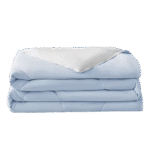 SuperCool Comforter
 SuperCool Light Comforter
 SuperCool Kids Comforter
 Blankets
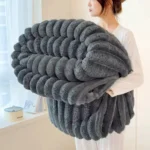 Teddy Bear Blanket
 Sheets
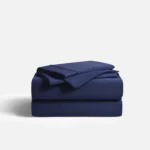 SuperCool+ Starter Sheet Set
 SuperCool+ Flat Sheet
 SuperCool+ Fitted Sheet
 Pillowcases
 SuperCool+ Pillowcases
 Cooling Silk Pillowcase
 Mattress Protectors
 Quilted Mattress Protector
 Waterproof Mattress Protector
 Floor Mats

Can Pillowcases Cause Acne?

The Direct Link Between Pillowcases and Breakouts
Your pillowcase touches your face for 6-8 hours each night. This contact transfers oils, bacteria, and dead skin cells from the fabric directly onto your pores. Mechanical acne develops when this repeated friction and bacterial exposure triggers inflammation in your skin.
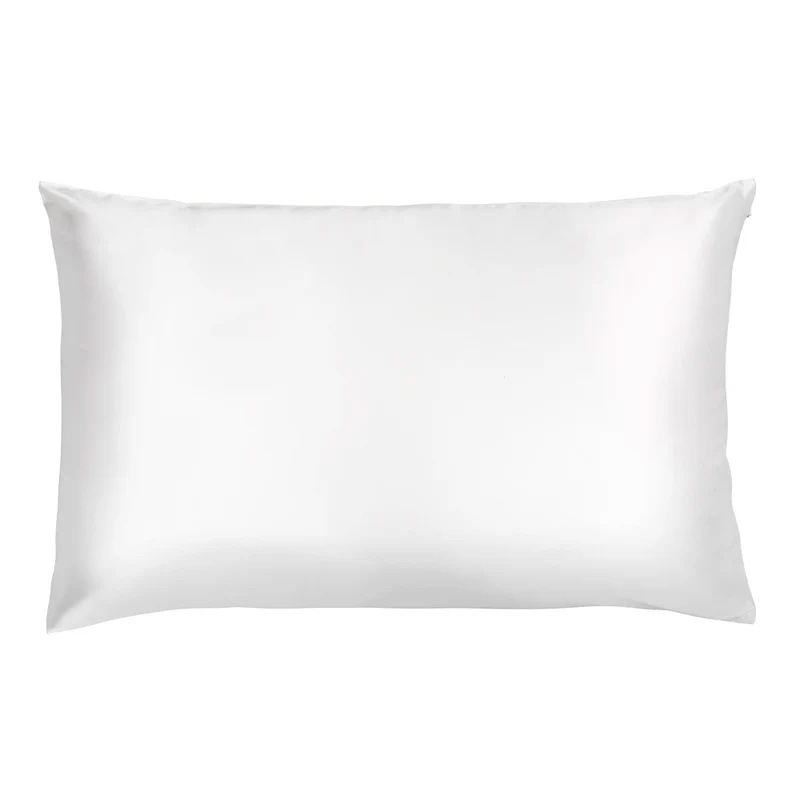
Your pillow shouldn’t steal your glow while you sleep. The lululinens LUXY LU 100% Mulberry Silk Pillowcase reduces friction, minimizes sleep creases, and keeps hair frizz-free. Pure mulberry silk offers temperature-regulating softness that’s hypoallergenic and gentle. Wake up looking as rested as you feel.
Studies show that pillowcases accumulate significant amounts of Cutibacterium acnes (formerly Propionibacterium acnes) after just one week of use. This bacteria is a primary cause of inflammatory acne. Your pillowcase also collects sebum from your scalp, residual hair products, and facial oils that create an ideal breeding ground for acne-causing microorganisms.
The answer is clear: yes, dirty or inappropriate pillowcases directly contribute to acne formation.
How Pillowcases Trigger Acne Formation
Bacterial Accumulation Over Time
Clean pillowcases become contaminated within days of regular use. Your face produces approximately 1-2 grams of sebum daily. This oil transfers to your pillowcase, along with:
- Dead skin cells (you shed 30,000-40,000 per hour)
- Sweat and moisture
- Cosmetic residue from makeup and skincare products
- Environmental pollutants from your hair and skin
- Dust mites (up to 1 million can live in your bedding)
Bacterial colonies multiply rapidly in this environment. Within one week, your pillowcase can harbor more bacteria than a toilet seat. Each night you sleep, these microorganisms transfer back to your face, clogging pores and causing inflammation.
Friction and Mechanical Irritation
Acne mechanica occurs when repeated friction irritates your skin. Rough fabrics like standard cotton create micro-abrasions on your skin’s surface. These tiny injuries:
- Damage your skin’s protective barrier
- Increase transepidermal water loss
- Allow bacteria to penetrate deeper into pores
- Trigger inflammatory responses
Side sleepers and stomach sleepers experience more pillowcase contact, increasing their risk of breakouts on cheeks, jawline, and forehead.
Absorption Properties Matter
Different fabrics interact with your skin differently. Hydrophilic materials (water-loving) absorb moisture and oils from your face. Cotton pillowcases can absorb up to 27 times their weight in water, pulling essential moisture from your skin overnight.
This absorption causes two problems:
- Your skin becomes dehydrated, triggering increased oil production
- The absorbed oils and bacteria remain in the fabric fibers
Hydrophobic materials (water-repelling) like silk and satin do not absorb moisture. Your skin’s natural oils stay where they belong instead of feeding bacterial growth in your pillowcase.
The History of Understanding Bedding and Skin Health
Early Medical Observations
Physicians recognized the connection between bedding hygiene and skin conditions in the early 1900s. Dermatology textbooks from the 1920s recommended frequent linen changes for patients with facial eruptions. However, the specific bacterial mechanisms remained unclear until much later.
Scientific Breakthrough in the 1960s
Researchers in 1960 identified Propionibacterium acnes as the primary bacterial culprit in acne formation. This discovery led scientists to examine environmental sources of bacterial transmission. Studies in the 1970s confirmed that bedding served as a major reservoir for acne-causing bacteria.
Modern Research Findings
A 2013 study published in the Journal of Clinical and Aesthetic Dermatology found that pillowcases show significant bacterial contamination after 7 days of use. Research in 2019 demonstrated that silk pillowcases reduced acne lesions by 43% compared to cotton over an 8-week period.
Fabric Types and Their Impact on Acne
Cotton Pillowcases
Thread count refers to the number of threads per square inch. Higher thread counts (300-600) create tighter weaves but still absorb significant moisture.
Cotton characteristics:
- Absorbs oils and moisture readily
- Retains bacteria in fiber structure
- Creates moderate friction against skin
- Becomes rougher after washing
- Affordable and widely available
Silk Pillowcases
Mulberry silk with a momme weight of 19-25 provides optimal skin benefits. Momme measures silk density (1 momme = 4.340 grams per square meter).
Silk characteristics:
- Contains natural proteins (sericin and fibroin)
- Reduces friction by up to 43%
- Does not absorb facial oils
- Naturally antimicrobial properties
- Regulates temperature effectively
- Higher cost investment
Satin Pillowcases
Satin describes a weave pattern, not a fabric. Most satin pillowcases use polyester or nylon. These synthetic materials mimic silk’s smoothness at lower cost.
Satin characteristics:
- Low friction surface
- Minimal moisture absorption
- Less breathable than natural fibers
- May trap heat
- Budget-friendly alternative
Bamboo and Eucalyptus Fabrics
These regenerated cellulose fibers offer natural antimicrobial properties through a substance called bamboo kun (for bamboo) or eucalyptus oil compounds.
Benefits include:
- Natural bacterial resistance
- Excellent breathability
- Moisture-wicking properties
- Sustainable production
- Soft texture similar to silk
Comparison of Pillowcase Materials for Acne Prevention
| Feature | Cotton | Silk | Satin (Polyester) | Bamboo |
|---|---|---|---|---|
| Moisture Absorption | High | Low | Low | Medium |
| Bacterial Resistance | None | Natural | None | Natural |
| Friction Level | Medium-High | Very Low | Low | Low-Medium |
| Breathability | Good | Excellent | Poor | Excellent |
| Cost | $ | $$$$ | $$ | $$$ |
| Washing Frequency Needed | Every 2-3 days | Weekly | Every 3-4 days | Every 4-5 days |
Your pillow shouldn’t steal your glow while you sleep. The lululinens LUXY LU 100% Mulberry Silk Pillowcase reduces friction, minimizes sleep creases, and keeps hair frizz-free. Pure mulberry silk offers temperature-regulating softness that’s hypoallergenic and gentle. Wake up looking as rested as you feel.
How Often You Must Wash Your Pillowcases
The 48-72 Hour Rule
Dermatologists recommend washing pillowcases every 2-3 days for acne-prone skin. Bacterial populations reach problematic levels after just 48 hours of use. If you have active breakouts, daily changes provide optimal results.
Signs Your Pillowcase Needs Immediate Washing
Replace your pillowcase immediately if you notice:
- Visible oil stains or discoloration
- Odor when you lay down
- Makeup transfer from the previous night
- You skipped washing your face before bed
- You used heavy hair products
- Increased breakouts on contact areas
Proper Washing Techniques
Hot water (130°F or higher) kills bacteria most effectively. Use these guidelines:
- Separate pillowcases from heavily soiled items
- Add 1/2 cup white vinegar to the wash cycle for extra sanitization
- Use fragrance-free, hypoallergenic detergent
- Run an extra rinse cycle to remove all detergent residue
- Dry on high heat to eliminate remaining bacteria
- Avoid fabric softeners (they leave residue that clogs pores)
Additional Pillowcase Practices to Prevent Acne
The Two-Pillowcase Rotation Method
Keep two pillowcases for each pillow. Flip your pillowcase to the clean side after night one. Replace it with a fresh pillowcase on night three. This system ensures you always sleep on clean fabric.
Face-Up Sleeping Position
Train yourself to sleep on your back. This supine position minimizes facial contact with your pillowcase. It also prevents sleep lines and wrinkles. Use a cervical pillow to maintain comfort and proper neck alignment.
Pre-Sleep Hygiene Routine
Your nighttime routine determines how much contamination transfers to your pillowcase:
- Remove all makeup thoroughly using a double-cleanse method
- Wash your face with a gentle, pH-balanced cleanser
- Apply acne treatments (retinoids, benzoyl peroxide, salicylic acid)
- Use only non-comedogenic moisturizers
- Tie long hair back to prevent hair product transfer
- Shower before bed if you use heavy styling products
Protective Barriers
Consider using a clean, thin cloth between your face and pillowcase if you cannot wash bedding frequently. Cotton t-shirt material works well. Replace this barrier nightly while maintaining your regular pillowcase washing schedule.
Selecting the Right Pillowcase for Acne-Prone Skin
Step-by-Step Selection Process
Step 1: Assess your skin type
- Oily skin: Choose silk or satin
- Dry skin: Select bamboo or eucalyptus
- Combination skin: Opt for silk or high-quality bamboo
Step 2: Consider your budget
- Entry level ($10-20): High-quality satin
- Mid-range ($30-60): Bamboo or lower-grade silk
- Premium ($70-150): 22-momme mulberry silk
Step 3: Evaluate washing commitment
- Can wash every 2-3 days: Cotton or bamboo work well
- Prefer weekly washing: Invest in silk
Step 4: Check for certifications
- OEKO-TEX Standard 100 ensures no harmful chemicals
- GOTS certification guarantees organic materials
- Look for hypoallergenic labels
Step 5: Read care instructions
- Machine washable options offer convenience
- Hand-wash only items require more time investment
Quality Indicators to Examine
Inspect these features before purchasing:
- Seam construction: Double-stitched seams last longer
- Zipper vs. envelope closure: Zippers prevent the pillow from slipping out
- Color fastness: Check reviews for dye bleeding issues
- Sizing accuracy: Measure your pillow before ordering
- Return policy: Reputable sellers offer 30-day returns
The Role of Pillow Fill Material
Your pillowcase matters most, but pillow filling affects acne indirectly. Down and feather fills retain more heat and moisture, creating humidity against your face. Memory foam can trap heat similarly.
Cooling gel-infused memory foam or buckwheat hull pillows offer better temperature regulation. Cooler sleeping temperatures reduce nighttime sweating, which means less bacterial growth on your pillowcase.
Replace pillows every 1-2 years. Old pillows harbor dust mites, mold, and bacteria that permeate through even clean pillowcases.
Beyond Pillowcases: Complete Bedding Hygiene
Sheet Washing Schedule
Wash sheets weekly using the same hot water and vinegar method. Bacteria from your sheets transfer to your pillowcase through direct contact and air circulation.
Pillowcase Storage Methods
Store clean pillowcases in a closed drawer or container. Exposure to air allows dust and environmental bacteria to settle on fabric before use. Never store pillowcases in humid bathrooms.
Travel Considerations
Bring your own pillowcase when traveling. Hotel bedding may contain harsh detergents, fabric softeners, or insufficient washing protocols. A portable silk pillowcase takes minimal luggage space and protects your skin anywhere.
When Pillowcases Are Not the Problem
If you maintain proper pillowcase hygiene and still experience breakouts, other factors may cause your acne:
- Hormonal fluctuations (especially in women)
- Diet influences (high glycemic foods, dairy)
- Stress responses (cortisol increases sebum production)
- Medication side effects (corticosteroids, lithium)
- Underlying medical conditions (PCOS, thyroid disorders)
Consult a dermatologist if acne persists despite optimal pillowcase care. You may need prescription treatments like tretinoin, oral antibiotics, or hormonal therapy.
Summary: Your Action Plan for Clear Skin
Pillowcases absolutely cause acne when not properly maintained. The bacterial accumulation, friction damage, and oil absorption create perfect conditions for breakouts.
Implement these changes immediately:
- Switch to silk, satin, or bamboo pillowcases
- Wash pillowcases every 2-3 days in hot water
- Maintain strict pre-sleep cleansing routines
- Keep multiple pillowcases in rotation
- Replace old pillows that harbor bacteria
Your pillowcase represents one controllable factor in acne management. Combined with proper skincare and healthy habits, the right pillowcase significantly reduces breakouts and improves skin clarity. The investment in quality pillowcases and consistent washing habits pays dividends in clearer, healthier skin.
Your pillow shouldn’t steal your glow while you sleep. The lululinens LUXY LU 100% Mulberry Silk Pillowcase reduces friction, minimizes sleep creases, and keeps hair frizz-free. Pure mulberry silk offers temperature-regulating softness that’s hypoallergenic and gentle. Wake up looking as rested as you feel.
