 Comforters
 SuperCool Comforter
 SuperCool Light Comforter
 SuperCool Kids Comforter
 Blankets
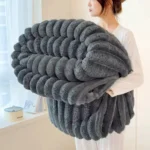 Teddy Bear Blanket
 Sheets
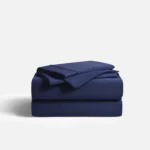 SuperCool+ Starter Sheet Set
 SuperCool+ Flat Sheet
 SuperCool+ Fitted Sheet
 Pillowcases
 SuperCool+ Pillowcases
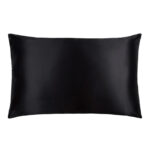 Cooling Silk Pillowcase
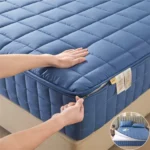 Mattress Protectors
 Quilted Mattress Protector
 Waterproof Mattress Protector
 Floor Mats

Can I Wash Silk Pillowcases in the Washing Machine?

Yes, You Can Machine Wash Silk Pillowcases (With Proper Care)
Silk pillowcases can go in the washing machine. The key is using the right settings and precautions. Many people avoid machine washing silk because they fear damage. This fear is understandable but often unnecessary.
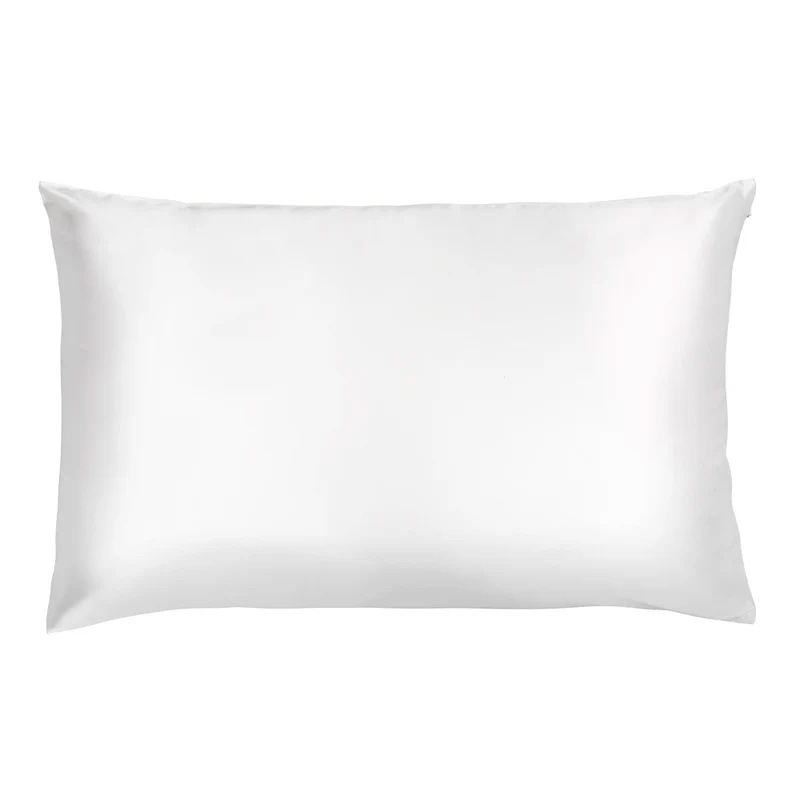
Your pillow shouldn’t steal your glow while you sleep. The lululinens LUXY LU 100% Mulberry Silk Pillowcase reduces friction, minimizes sleep creases, and keeps hair frizz-free. Pure mulberry silk offers temperature-regulating softness that’s hypoallergenic and gentle. Wake up looking as rested as you feel.
Modern washing machines have gentle cycles designed for delicate fabrics. These cycles use slow agitation and cool water. Your silk pillowcase will survive the wash if you follow specific guidelines.
The History of Silk Care Methods
Ancient civilizations hand-washed silk in cold water. Chinese silk makers developed careful cleaning methods over 5,000 years ago. They used mild soaps made from plants and minerals.
European silk traders in the 1600s adopted similar gentle washing techniques. They understood that heat and harsh chemicals damaged silk fibers. Hand washing remained the standard method until the mid-1900s.
The first automatic washing machines appeared in the 1930s. Early models were too aggressive for silk. They used hot water and strong agitation. Silk owners continued hand washing by necessity.
Modern washing machines changed this situation. Manufacturers added delicate cycles in the 1970s. These settings reduced spin speeds and water temperatures. Front-loading machines appeared in the 1980s. They used tumbling action instead of agitators. This innovation made machine washing silk safer.
Today’s machines have specialized silk or delicate settings. They control water temperature precisely. The spin cycles are much gentler. These advances make machine washing silk practical and safe.
Understanding Silk Fabric Properties
Silk is a natural protein fiber. Silkworms produce it in their cocoons. Each fiber measures 10-25 microns in diameter. This makes silk extremely fine and delicate.
The protein structure gives silk unique characteristics:
- Smooth surface: Reduces friction against skin and hair
- Absorbency: Wicks moisture away from skin
- Breathability: Regulates temperature naturally
- Strength: Strong for its weight but vulnerable to damage
- pH sensitivity: Alkaline detergents can break down fibers
Silk has a natural sheen from its triangular protein structure. This structure reflects light at different angles. Harsh washing methods can damage this structure. The result is dull, rough fabric.
The momme weight indicates silk quality. Most pillowcases range from 19 to 25 momme. Higher momme weights mean thicker, more durable silk. A 22-momme pillowcase withstands washing better than a 19-momme version.
Step-by-Step Machine Washing Instructions
Preparation Phase
Check the care label first. Some silk pillowcases require dry cleaning only. Most can be machine washed with proper care.
Turn your pillowcase inside out. This protects the outer surface from friction. Place the pillowcase in a mesh laundry bag. The bag provides extra protection during the wash cycle.
Remove any jewelry or accessories from the pillowcase. Check for stains. Pre-treat oil-based stains with a small amount of gentle detergent. Let it sit for 5 minutes before washing.
Selecting Washing Settings
Choose the delicate cycle or silk setting. Set the water temperature to cold. Hot water shrinks silk and damages proteins. Cold water preserves the fiber structure.
Select the lowest spin speed available. High-speed spinning can stress silk fibers. Some machines have a “no spin” option. This is ideal for silk.
Choosing the Right Detergent
Use a pH-neutral detergent designed for delicates or silk. Regular detergents contain enzymes and alkaline chemicals. These substances break down silk proteins.
Recommended detergent types:
- Silk-specific liquid detergents
- Wool and cashmere wash products
- Baby shampoo (in small amounts)
- Delicate fabric formulas without enzymes
Use half the recommended amount. Silk requires less detergent than cotton or synthetic fabrics. Too much detergent leaves residue on the fabric.
Avoid these products:
- Bleach (destroys silk fibers)
- Fabric softener (coats silk and reduces breathability)
- Enzyme-based detergents (digest protein fibers)
- Powder detergents (particles can scratch silk)
The Washing Process
Load only silk items together. Mixed loads with heavier fabrics can cause damage. The machine should be no more than half full.
Start the cycle. The total wash time should be 3-5 minutes. Longer wash times increase friction damage. Some machines let you customize cycle length. Choose the shortest option.
Do not let the pillowcase sit in the machine after washing. Remove it immediately when the cycle ends. Wet silk is more vulnerable to damage. Prolonged wetness can cause water spots or discoloration.
Drying Your Silk Pillowcase Correctly
Never use a machine dryer. The heat permanently damages silk fibers. The tumbling action causes excessive stress. Even low-heat settings are too hot.
Air Drying Method
Gently squeeze excess water from the pillowcase. Do not wring or twist the fabric. This stretches and damages fibers.
Lay the pillowcase flat on a clean towel. Roll the towel with the pillowcase inside. Press gently to absorb water. Unroll and remove the pillowcase.
Lay the pillowcase flat on a fresh dry towel. Keep it away from direct sunlight. UV rays can fade colors and weaken fibers. Choose a well-ventilated area for faster drying.
Flip the pillowcase every few hours. This ensures even drying. The process takes 4-8 hours depending on humidity.
Alternative Drying Options
You can hang silk pillowcases on a padded hanger. Avoid clothespins or clips. They leave marks on wet silk. The weight of water can stretch the fabric if hung vertically.
Some people use a salad spinner for initial water removal. This method works but requires care. Spin for only 10-15 seconds. Longer spinning can stress seams.
Frequency Guidelines for Washing Silk Pillowcases
Wash silk pillowcases every 7-10 days under normal use. This frequency maintains hygiene without excessive wear. Your specific washing schedule depends on several factors:
Wash more frequently (every 3-5 days) if you:
- Have oily skin or acne
- Apply night creams or treatments
- Sleep with wet hair
- Live in a humid climate
- Sweat significantly during sleep
Wash less frequently (every 10-14 days) if you:
- Have dry skin
- Use minimal skincare products
- Shower before bed
- Sleep in a cool, dry environment
- Change pillowcases regularly between washes
Your pillow shouldn’t steal your glow while you sleep. The lululinens LUXY LU 100% Mulberry Silk Pillowcase reduces friction, minimizes sleep creases, and keeps hair frizz-free. Pure mulberry silk offers temperature-regulating softness that’s hypoallergenic and gentle. Wake up looking as rested as you feel.
Common Mistakes and How to Avoid Them
Using Hot Water
Hot water causes immediate shrinkage. It can reduce pillowcase size by 10-15%. The heat also weakens protein bonds. Always use cold water below 30°C (86°F).
Overloading the Machine
Crowded machines increase friction between items. This friction damages silk surfaces. Wash silk separately or with other delicate items only.
Skipping the Mesh Bag
The mesh bag prevents direct contact with the drum. It stops zippers and hooks from other items from snagging silk. Always use this protection.
Leaving Silk in the Machine
Wet silk develops mildew quickly. Water spots form if fabric sits damp. Remove pillowcases within 5 minutes of cycle completion.
Comparing Washing Methods: Machine vs. Hand Wash
| Factor | Machine Wash | Hand Wash |
|---|---|---|
| Time Required | 10-15 minutes total | 20-30 minutes total |
| Physical Effort | Minimal | Moderate |
| Water Usage | 15-25 gallons | 2-3 gallons |
| Risk of Damage | Low (with proper settings) | Very Low |
| Detergent Control | Pre-measured amounts | Precise control |
| Convenience | High | Moderate |
| Cost | Electricity + water | Water only |
| Best For | Regular maintenance | Stained or vintage silk |
Both methods work well. Machine washing saves time and effort. Hand washing gives you more control. Choose based on your lifestyle and comfort level.
Hand Washing as an Alternative
Fill a basin with cold water. Add a small amount of silk detergent. Swirl to dissolve completely.
Submerge the pillowcase. Gently agitate for 2-3 minutes. Do not scrub or rub the fabric. Let the water do the cleaning work.
Drain the basin. Refill with clean cold water. Rinse until no detergent remains. This usually takes 2-3 rinse cycles.
Press water out gently. Follow the same drying instructions as machine washing.
Extending the Life of Your Silk Pillowcases
Storage Practices
Store clean, dry pillowcases in a cool, dark place. Fold them loosely or roll them. Avoid tight creases that become permanent.
Use breathable storage bags. Cotton or linen bags work well. Avoid plastic bags that trap moisture.
Rotation Strategy
Own at least two silk pillowcases. Rotate them weekly. This extends the life of both. Each pillowcase gets adequate rest between uses.
Stain Treatment
Address stains immediately. Blot liquids with a clean cloth. Do not rub stains deeper into fabric.
For makeup stains, use a small amount of mild detergent. Apply directly to the stain. Let it sit for 5 minutes before washing.
Oil-based stains respond to cornstarch. Sprinkle cornstarch on the stain. Let it absorb oil for 30 minutes. Brush off gently. Then wash normally.
Ironing Guidelines
Most silk pillowcases need minimal ironing. If wrinkles occur, iron while slightly damp. Use the lowest heat setting. Place a clean cotton cloth between the iron and silk.
Iron on the reverse side only. Move the iron continuously. Never let it sit in one spot. Steam can water-spot silk, so use a dry iron.
Signs Your Silk Pillowcase Needs Replacement
Replace your pillowcase when you notice:
- Thinning fabric: Light shows through easily
- Persistent rough patches: Washing no longer restores smoothness
- Color fading: Original color has lightened significantly
- Torn seams: Stitching comes apart repeatedly
- Loss of sheen: Fabric looks consistently dull
Quality silk pillowcases last 1-3 years with proper care. Higher momme weights last longer. Budget options may need replacement after 6-12 months.
Making the Final Decision: To Machine Wash or Not
Machine washing silk pillowcases is safe and practical. You need the right equipment and knowledge. Follow these core principles:
The Essential Rules:
- Use cold water exclusively
- Select delicate or silk cycle
- Choose pH-neutral detergent
- Place in mesh laundry bag
- Remove immediately after washing
- Air dry flat away from sunlight
Your washing machine can handle silk pillowcases. The process saves time compared to hand washing. The results match hand washing quality when done correctly.
Most modern silk pillowcases withstand regular machine washing. Check your specific care label first. Follow the manufacturer’s recommendations. Their guidelines account for the specific silk type and dye process used.
Start with hand washing if you feel uncertain. Transition to machine washing once you understand silk’s properties. Many silk pillowcase owners successfully machine wash for years. Their pillowcases maintain quality and appearance.
The choice depends on your comfort level and available time. Both methods preserve silk when executed properly. Your pillowcase will provide years of smooth, comfortable sleep with appropriate care.
Your pillow shouldn’t steal your glow while you sleep. The lululinens LUXY LU 100% Mulberry Silk Pillowcase reduces friction, minimizes sleep creases, and keeps hair frizz-free. Pure mulberry silk offers temperature-regulating softness that’s hypoallergenic and gentle. Wake up looking as rested as you feel.
