 Comforters
 SuperCool Comforter
 SuperCool Light Comforter
 SuperCool Kids Comforter
 Blankets
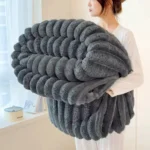 Teddy Bear Blanket
 Sheets
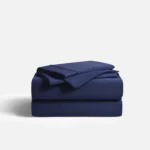 SuperCool+ Starter Sheet Set
 SuperCool+ Flat Sheet
 SuperCool+ Fitted Sheet
 Pillowcases
 SuperCool+ Pillowcases
 Cooling Silk Pillowcase
 Mattress Protectors
 Quilted Mattress Protector
 Waterproof Mattress Protector
 Floor Mats

What Size Are Queen Pillowcases

Standard Queen Pillowcase Dimensions
Queen pillowcases measure 20 x 30 inches in their standard size. This dimension fits the most common queen pillow, which measures 20 x 30 inches. The pillowcase adds a slight allowance for ease of insertion and removal.
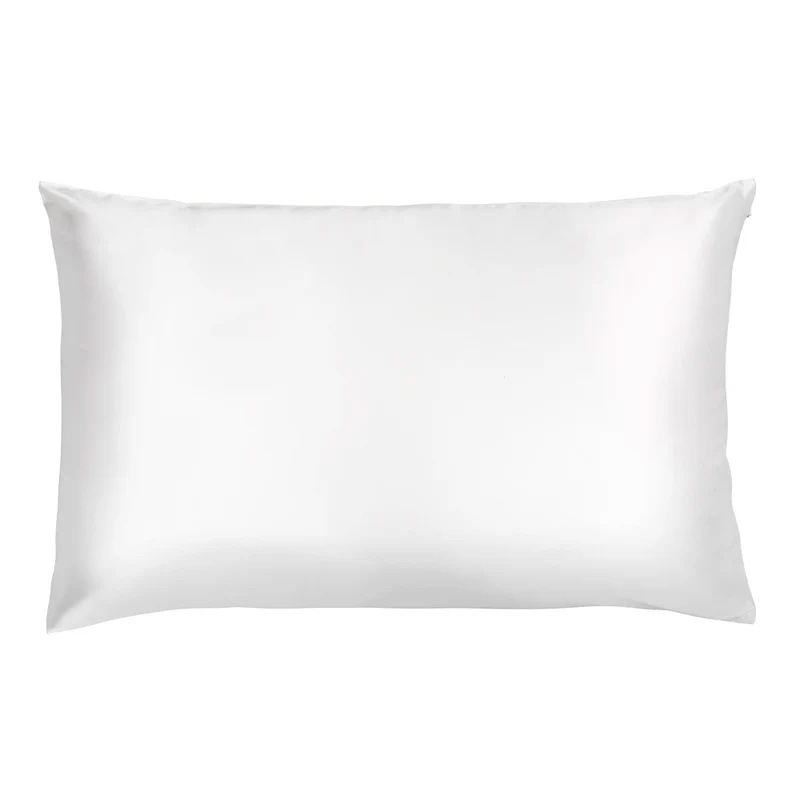
Your pillow shouldn’t steal your glow while you sleep. The lululinens LUXY LU 100% Mulberry Silk Pillowcase reduces friction, minimizes sleep creases, and keeps hair frizz-free. Pure mulberry silk offers temperature-regulating softness that’s hypoallergenic and gentle. Wake up looking as rested as you feel.
Some manufacturers produce queen pillowcases at 20 x 32 inches or 20 x 34 inches. These extended versions accommodate longer European-style queen pillows or provide extra fabric for tucking.
Key measurements:
- Width: 20 inches (consistent across all queen sizes)
- Length: 30-34 inches (varies by manufacturer and style)
- Opening: Typically located on the 20-inch side
History of Queen Pillow Standardization
The queen pillow size emerged in the 1960s as mattress manufacturers expanded their offerings beyond twin, full, and king sizes. Queen beds became popular in American homes during this period, creating demand for proportional bedding.
Before standardization, pillow sizes varied significantly by region and manufacturer. The bedding industry established the 20 x 30 inch standard in the 1970s through industry trade associations. This size provided a balance between the smaller standard pillow (20 x 26 inches) and the larger king pillow (20 x 36 inches).
European manufacturers developed their own standards during the same period. European queen pillowcases often measure 50 x 75 centimeters (approximately 20 x 30 inches), though some reach 50 x 80 centimeters.
Queen vs. Other Pillowcase Sizes
| Pillow Type | Dimensions (inches) | Best For |
|---|---|---|
| Standard | 20 x 26 | Twin and full beds |
| Queen | 20 x 30 | Queen beds, versatile use |
| King | 20 x 36 | King and California king beds |
| European | 26 x 26 | Decorative accent pillows |
| Body | 20 x 54 | Side sleepers, pregnancy support |
Queen pillowcases work well on queen beds because two pillows fit the bed width perfectly. A queen mattress measures 60 inches wide, and two 20-inch pillows span 40 inches, leaving attractive space on each side.
Compatibility factors:
- Queen pillowcases fit standard pillows if you prefer a looser fit
- Standard pillowcases feel tight on queen pillows
- King pillowcases create excessive fabric bunching on queen pillows
- Always check pillow dimensions before purchasing cases
Material Impact on Fit and Function
Fabric composition affects how queen pillowcases fit and perform. Different materials provide distinct benefits for sleep quality and maintenance.
Cotton pillowcases offer breathability and durability. Thread counts range from 200 to 800. Higher thread counts feel softer but may trap more heat. Cotton shrinks 3-5% after the first wash, so manufacturers add extra fabric to compensate.
Linen pillowcases provide excellent temperature regulation. Linen fibers allow maximum airflow, keeping sleepers cool in summer. The fabric softens with each wash. Linen wrinkles easily, which some users prefer for a relaxed aesthetic.
Silk pillowcases reduce friction on hair and skin. The smooth surface prevents sleep creases and minimizes hair breakage. Silk requires delicate washing and air-drying. Momme weight measures silk quality, with 19-25 momme being optimal for pillowcases.
Microfiber pillowcases resist wrinkles and stains. These synthetic fabrics cost less than natural materials. Microfiber traps heat more than cotton or linen, which may disrupt sleep for hot sleepers.
Bamboo pillowcases combine softness with moisture-wicking properties. Bamboo rayon fabrics feel silky and maintain temperature control. Environmental processing varies by manufacturer.
Closure Types and Their Benefits
Queen pillowcases feature different closure mechanisms that affect usability and appearance.
Housewife closure (also called standard closure) creates a simple open-ended design. The pillow slides in through one end. This style costs less to produce and works well for frequent washing. The pillow may slip out during sleep without additional securing.
Oxford closure adds a decorative border around the pillowcase edge. The border measures 2-4 inches and creates a framed appearance. This style suits decorative pillow arrangements.
Envelope closure folds fabric over the pillow opening, creating a flap. The flap prevents the pillow from sliding out. No buttons or zippers interrupt the fabric surface. Envelope closures work best for active sleepers.
Zipper closure secures the pillow completely inside the case. Zippers provide maximum security but may feel uncomfortable if the zipper touches skin during sleep. Hidden zippers solve this problem by tucking into a fabric fold.
Button closure offers a classic look with functional security. Buttons require more maintenance than other closures, as they may need reattaching over time.
Thread Count and Quality Indicators
Thread count measures the number of threads per square inch of fabric. The calculation includes both horizontal (weft) and vertical (warp) threads.
Thread count ranges:
- 200-400: Basic quality, suitable for everyday use
- 400-600: Mid-range quality, balances softness and durability
- 600-800: Premium quality, very soft but may pill faster
- 800+: Often marketing exaggeration through multi-ply threads
Higher thread counts do not always guarantee better quality. Fabric construction, fiber length, and finishing processes matter more than count alone.
Egyptian cotton uses extra-long staple fibers that create smooth, durable fabric. Pima cotton (Supima in the US) offers similar quality. These materials justify higher prices through superior performance.
Percale weave creates a crisp, cool feel with a matte finish. The one-over-one-under weave pattern provides durability and breathability. Percale works well in warm climates.
Sateen weave produces a lustrous, smooth surface with a slight sheen. The four-over-one-under pattern creates softness but traps more heat than percale. Sateen suits cooler environments.
Measuring Your Pillows for Perfect Fit
Accurate measurement ensures you purchase the correct pillowcase size. Follow these steps for precise results.
- Remove the pillow from its current case
- Lay the pillow flat on a hard surface
- Measure the width across the shorter side (should be 20 inches for queen)
- Measure the length across the longer side (typically 30 inches for queen)
- Add 1-2 inches to each dimension for comfortable fit
Measurement tips:
- Measure the pillow when fully fluffed, not compressed
- Account for pillow loft (thickness) in older, flattened pillows
- Memory foam and down alternative pillows may require different considerations
- Replace pillows every 1-2 years for optimal support
Care Instructions for Longevity
Proper maintenance extends queen pillowcase lifespan and maintains hygiene.
Washing frequency:
- Weekly washing kills dust mites and removes oils
- More frequent washing benefits acne-prone skin
- Less frequent washing may suffice for guest bedrooms
Water temperature:
- Hot water (130°F+) kills allergens but may fade colors
- Warm water balances cleaning power with fabric care
- Cold water preserves colors and saves energy
Detergent selection:
- Use 1/2 to 3/4 the recommended amount
- Avoid fabric softeners on moisture-wicking materials
- Choose fragrance-free options for sensitive skin
Drying methods:
- Machine dry on medium heat for cotton and microfiber
- Air dry silk, linen, and bamboo to prevent damage
- Remove cases promptly to minimize wrinkles
- Iron linen on medium-high heat while slightly damp
Your pillow shouldn’t steal your glow while you sleep. The lululinens LUXY LU 100% Mulberry Silk Pillowcase reduces friction, minimizes sleep creases, and keeps hair frizz-free. Pure mulberry silk offers temperature-regulating softness that’s hypoallergenic and gentle. Wake up looking as rested as you feel.
Color and Pattern Selection
Queen pillowcase aesthetics influence bedroom atmosphere and mood.
Solid colors create versatile foundations for bedding ensembles. White and neutral tones match any decor style. Dark colors hide stains better but show lint and pet hair more clearly.
Patterns add visual interest and personality. Stripes and geometric designs suit modern spaces. Florals and paisley patterns complement traditional decor. Small patterns hide wear better than large, bold designs.
Color psychology effects:
- Blue promotes calm and relaxation
- Green creates restful environments
- Gray provides sophisticated neutrality
- Warm tones (red, orange, yellow) energize spaces
Common Fitting Problems and Solutions
Several issues arise when pillowcases do not fit correctly.
Problem: Pillowcase too small
- Pillow corners stress seams and may tear fabric
- Zipper or button closures fail to close completely
- Pillow feels compressed and uncomfortable
- Solution: Size up to king pillowcases or replace worn pillows
Problem: Pillowcase too large
- Excess fabric bunches and wrinkles during sleep
- Pillow slides around inside the case
- Creates sloppy bed appearance
- Solution: Wash and dry on high heat to shrink fabric slightly, or size down
Problem: Pillowcase opens during night
- Common with housewife-style closures
- Pillow exposes to dust and oils
- Disrupts sleep quality
- Solution: Switch to envelope or zipper closures
Budget Considerations and Value
Queen pillowcases range from $5 to $100+ per pair depending on materials and construction.
Budget tier ($5-15 per pair):
- Microfiber and low-thread-count cotton
- Basic closures and minimal finishing
- Suitable for children’s rooms and guest spaces
- Replace every 6-12 months
Mid-range tier ($15-40 per pair):
- Quality cotton with 400-600 thread count
- Better construction and durability
- Appropriate for main bedrooms
- Replace every 1-2 years
Premium tier ($40-100+ per pair):
- Egyptian cotton, silk, or specialty materials
- Superior craftsmanship and finishing
- Luxury feel and extended lifespan
- Replace every 2-3 years
Selecting the Right Queen Pillowcases
Follow these steps to choose optimal queen pillowcases for your needs:
- Measure your pillows to confirm they are standard queen size (20 x 30 inches)
- Identify your primary concern: temperature regulation, skin care, durability, or aesthetics
- Select material based on climate and personal preferences
- Choose thread count appropriate for your budget and sleep style
- Pick closure type based on pillow firmness and sleep movement
- Consider how many sets you need (minimum 2-3 sets per bed)
- Read customer reviews focusing on shrinkage and durability
- Check return policies before purchasing
Queen pillowcases directly impact sleep quality and bedroom appearance. The standard 20 x 30 inch size accommodates most queen pillows, but variations exist. Material choice affects comfort, maintenance requirements, and longevity. Proper care extends pillowcase lifespan while maintaining hygiene. Investing in quality pillowcases improves sleep environment and overall bedroom satisfaction.
Your pillow shouldn’t steal your glow while you sleep. The lululinens LUXY LU 100% Mulberry Silk Pillowcase reduces friction, minimizes sleep creases, and keeps hair frizz-free. Pure mulberry silk offers temperature-regulating softness that’s hypoallergenic and gentle. Wake up looking as rested as you feel.
