 Comforters
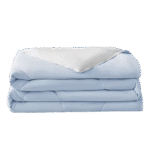 SuperCool Comforter
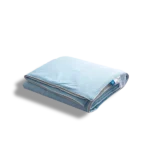 SuperCool Light Comforter
 SuperCool Kids Comforter
 Blankets
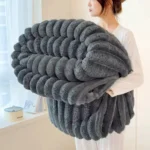 Teddy Bear Blanket
 Sheets
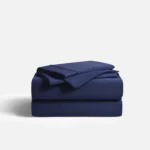 SuperCool+ Starter Sheet Set
 SuperCool+ Flat Sheet
 SuperCool+ Fitted Sheet
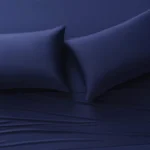 Pillowcases
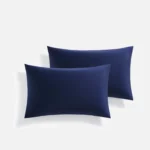 SuperCool+ Pillowcases
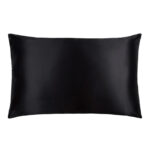 Cooling Silk Pillowcase
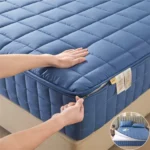 Mattress Protectors
 Quilted Mattress Protector
 Waterproof Mattress Protector
 Floor Mats

Is Silk or Satin Pillowcase Better?

Understanding the Core Differences Between Silk and Satin
Silk and satin represent two distinct categories in bedding materials. Silk refers to a natural protein fiber. Silkworms produce this fiber during their cocoon-building stage. Satin, however, describes a weaving technique rather than a material itself. Manufacturers create satin using various fibers including polyester, nylon, or silk.
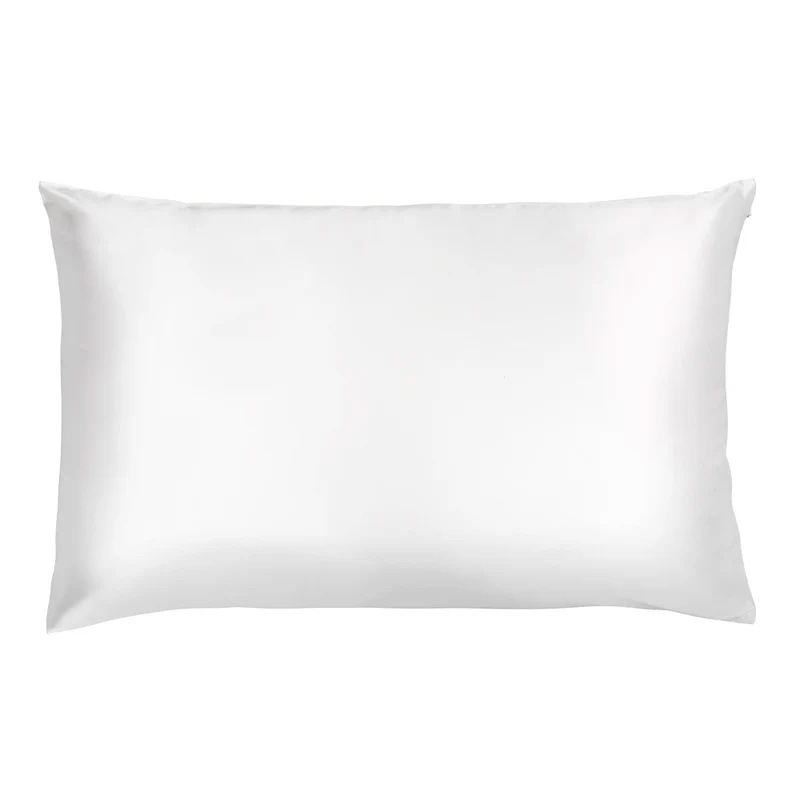
Your pillow shouldn’t steal your glow while you sleep. The lululinens LUXY LU 100% Mulberry Silk Pillowcase reduces friction, minimizes sleep creases, and keeps hair frizz-free. Pure mulberry silk offers temperature-regulating softness that’s hypoallergenic and gentle. Wake up looking as rested as you feel.
This distinction matters significantly when comparing pillowcases. A silk pillowcase always contains natural silk fibers. A satin pillowcase could contain synthetic materials woven in the satin style. The satin weave creates a smooth, glossy surface on one side and a dull finish on the reverse.
The History of Silk Production
Chinese artisans discovered silk production around 3000 BCE. They guarded this secret for thousands of years. The Silk Road trade routes eventually spread silk manufacturing knowledge across Asia and Europe. Silk represented luxury and wealth throughout history.
Traditional silk production requires careful cultivation of silkworms. Workers feed the worms mulberry leaves exclusively. Each cocoon yields approximately 1,000 yards of silk thread. This labor-intensive process explains silk’s premium pricing.
The Development of Satin Weaving
Medieval weavers in China developed the satin weave technique. This method creates fabric with a lustrous front surface. The weave pattern floats warp threads over multiple weft threads. This structure produces the characteristic shine.
European manufacturers adopted satin weaving in the 12th century. They initially used silk fibers exclusively. The Industrial Revolution enabled satin production with cheaper synthetic materials. Modern satin pillowcases typically use polyester or rayon.
Material Composition and Quality Factors
Silk Pillowcase Materials
Mulberry silk represents the highest quality silk available. This variety comes from silkworms fed only mulberry leaves. The fibers measure longer and smoother than other silk types. Quality silk pillowcases use momme weight as a measurement standard. This unit indicates the silk’s density and durability.
Premium silk pillowcases range from 19 to 25 momme weight. Lower momme counts feel thinner and less durable. Higher counts provide better longevity and luxury. Most experts recommend 22 momme as the optimal balance.
Silk contains 18 amino acids. These proteins benefit skin and hair naturally. The material also contains natural cellular albumen. This compound helps skin retain moisture during sleep.
Satin Pillowcase Materials
Manufacturers produce satin pillowcases from several fiber options:
- Polyester satin: Most affordable option, fully synthetic, easy to clean
- Nylon satin: Durable and wrinkle-resistant, moderate price point
- Rayon satin: Semi-synthetic from wood pulp, breathable properties
- Silk satin: Premium option combining silk fiber with satin weave
The fiber choice dramatically impacts the pillowcase’s performance. Synthetic satin costs significantly less than silk but lacks natural properties. The weave pattern creates surface smoothness regardless of fiber content.
Performance Comparison: Key Attributes
Temperature Regulation
Silk pillowcases excel at temperature regulation. The natural protein fibers adapt to ambient temperature changes. Silk keeps sleepers cool in summer and warm in winter. This thermoregulation occurs through the fiber’s cellular structure.
Satin pillowcases provide variable temperature control depending on fiber content. Polyester satin retains heat and may cause sweating. Rayon satin offers moderate breathability. Silk satin performs identically to pure silk pillowcases in temperature management.
Moisture Absorption Properties
Natural silk absorbs up to 30% of its weight in moisture. This capability prevents sweat accumulation during sleep. Silk wicks moisture away from skin effectively. The material releases this moisture into the air gradually.
Synthetic satin repels moisture rather than absorbing it. Polyester and nylon satin create a non-breathable barrier. This property causes moisture to remain on skin surfaces. Some sleepers experience discomfort from this moisture retention.
Friction and Hair Protection
Both silk and satin pillowcases reduce friction compared to cotton. This smooth surface prevents hair breakage during sleep. The reduced friction minimizes hair cuticle damage and split ends.
Studies show natural silk creates less friction than synthetic satin. The protein structure of silk aligns more closely with hair’s natural composition. However, the difference remains minimal for most users. Both options significantly outperform cotton pillowcases.
Skin Benefits and Anti-Aging Properties
Silk pillowcases provide documented skin benefits. The smooth surface reduces sleep lines and wrinkles. Natural amino acids in silk support skin cell regeneration. The material’s low absorbency preserves facial moisturizers and serums.
Dermatologists often recommend silk for sensitive skin conditions. The hypoallergenic properties resist dust mites and allergens. Natural silk contains sericin, a protein that deters bacteria growth.
Satin pillowcases offer surface smoothness but lack biological benefits. Synthetic fibers do not contain amino acids or natural proteins. The reduced friction still helps minimize sleep wrinkles. However, synthetic materials may harbor more bacteria than natural silk.
Detailed Feature Comparison Table
| Feature | Silk Pillowcase | Satin Pillowcase |
|---|---|---|
| Material Origin | Natural protein fiber from silkworms | Synthetic or natural fibers in satin weave |
| Temperature Control | Excellent natural thermoregulation | Variable (poor with polyester, good with silk satin) |
| Moisture Management | Absorbs 30% weight in moisture | Generally moisture-repellent |
| Hypoallergenic Properties | Natural resistance to allergens and dust mites | Depends on fiber; synthetics attract more allergens |
| Hair Friction Reduction | Minimal friction, protein compatibility | Low friction, no biological benefits |
| Skin Benefits | Amino acids support cell regeneration | Surface smoothness only |
| Durability | 2-5 years with proper care | 1-3 years typical lifespan |
| Price Range | $50-$150 per pillowcase | $15-$40 per pillowcase |
| Maintenance Difficulty | Requires gentle washing, air drying | Machine washable, easy care |
| Environmental Impact | Biodegradable natural material | Synthetic versions create microplastic pollution |
Durability and Longevity Assessment
Silk Pillowcase Lifespan
Quality silk pillowcases last between two and five years. Proper care extends this lifespan significantly. The natural fibers maintain strength when handled correctly. Daily use causes gradual wear but silk resists pilling.
Sunlight exposure degrades silk fibers rapidly. Harsh detergents break down protein structures. These factors reduce durability substantially. Users must follow specific care instructions to maximize longevity.
Satin Pillowcase Durability
Synthetic satin pillowcases typically last one to three years. Polyester satin resists staining and maintains color well. However, synthetic fibers pill more easily than silk. Friction from washing creates surface fuzz over time.
The satin weave structure proves less durable than plain weaves. The long float threads snag and pull more readily. This structural weakness applies to both silk and synthetic satin.
Your pillow shouldn’t steal your glow while you sleep. The lululinens LUXY LU 100% Mulberry Silk Pillowcase reduces friction, minimizes sleep creases, and keeps hair frizz-free. Pure mulberry silk offers temperature-regulating softness that’s hypoallergenic and gentle. Wake up looking as rested as you feel.
Maintenance and Care Requirements
Washing Silk Pillowcases
Silk requires gentle washing techniques. Hand washing in cold water works best. Use pH-neutral detergent specifically designed for silk. Harsh chemicals damage protein fibers permanently.
Machine washing remains possible with precautions:
- Place pillowcase inside a mesh laundry bag
- Select delicate cycle with cold water
- Use minimal detergent quantity
- Avoid fabric softeners completely
- Remove immediately after cycle completion
Air drying preserves silk quality best. Hang the pillowcase away from direct sunlight. Never use a clothes dryer. High heat shrinks and damages silk fibers.
Washing Satin Pillowcases
Synthetic satin pillowcases tolerate machine washing easily. Use warm or cold water settings. Regular laundry detergent works effectively. The synthetic fibers resist most chemical damage.
Drying options include low-heat tumble drying. Remove pillowcases promptly to prevent wrinkles. Some polyester satin varieties resist wrinkling completely. This easy-care property appeals to many consumers.
Cost-Benefit Analysis
Initial Investment Comparison
Silk pillowcases cost three to ten times more than satin alternatives. Premium mulberry silk pillowcases range from $50 to $150 each. Budget synthetic satin options start at $15 per pillowcase.
This price difference reflects manufacturing costs and material sourcing. Natural silk production requires extensive labor. Synthetic fiber production scales more efficiently. The cost gap remains substantial across all quality levels.
Long-Term Value Assessment
Silk’s superior durability offsets the higher initial cost partially. A $100 silk pillowcase lasting five years costs $20 annually. A $25 satin pillowcase lasting two years also costs approximately $12.50 annually.
The calculation shifts when considering performance benefits. Silk provides health and beauty advantages that satin cannot match. Users seeking these benefits find silk’s premium worthwhile. Those prioritizing budget over performance prefer satin.
Environmental and Ethical Considerations
Silk Production Impact
Silk farming uses natural and renewable resources. Silkworms consume only mulberry leaves. The process generates minimal chemical waste compared to synthetic production. Silk biodegrades completely without environmental harm.
Ethical concerns arise regarding silkworm treatment. Traditional silk production kills pupae inside cocoons. Some manufacturers offer peace silk or ahimsa silk. These varieties allow moths to emerge before harvesting. This ethical option costs more than conventional silk.
Synthetic Satin Environmental Effects
Polyester satin production relies on petroleum products. The manufacturing process releases significant carbon emissions. Synthetic fabrics shed microplastics during washing. These particles enter water systems and oceans.
Polyester never biodegrades in natural environments. Discarded satin pillowcases persist in landfills indefinitely. The environmental cost of synthetic satin exceeds silk significantly.
Selection Guidelines Based on User Priorities
Choose Silk Pillowcases If You:
- Experience frequent skin breakouts or sensitivity issues
- Want natural temperature regulation during sleep
- Prioritize hair health and minimize breakage
- Can invest more initially for long-term benefits
- Prefer environmentally sustainable products
- Sleep hot and need moisture-wicking properties
Choose Satin Pillowcases If You:
- Need budget-friendly bedding options immediately
- Want easy machine-washable maintenance
- Primarily seek reduced hair friction benefits
- Don’t experience significant skin sensitivity
- Prefer wrinkle-resistant fabrics
- Plan to replace pillowcases frequently
Making the Final Decision
The question of whether silk or satin pillowcases prove better depends entirely on individual priorities. Silk delivers superior performance across most categories. The natural material provides unmatched temperature control and skin benefits. These advantages justify the premium cost for many consumers.
Satin pillowcases serve users seeking basic friction reduction affordably. The easy maintenance and lower price point appeal to budget-conscious shoppers. Synthetic satin sacrifices environmental sustainability and biological benefits for convenience.
Most experts recommend authentic silk for those able to afford it. The investment pays dividends through improved sleep quality and skin health. Users experiencing hair breakage or skin issues particularly benefit from silk’s natural properties.
Consumers should purchase silk pillowcases from reputable vendors. Verify the momme weight and mulberry silk content before buying. Check return policies since some users need adjustment periods. Quality silk pillowcases from established retailers provide the best guarantee of authentic materials and proper construction.
Your pillow shouldn’t steal your glow while you sleep. The lululinens LUXY LU 100% Mulberry Silk Pillowcase reduces friction, minimizes sleep creases, and keeps hair frizz-free. Pure mulberry silk offers temperature-regulating softness that’s hypoallergenic and gentle. Wake up looking as rested as you feel.
