 Comforters
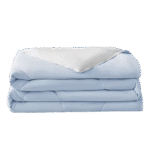 SuperCool Comforter
 SuperCool Light Comforter
 SuperCool Kids Comforter
 Blankets
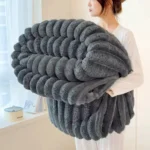 Teddy Bear Blanket
 Sheets
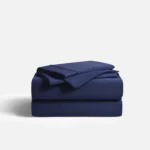 SuperCool+ Starter Sheet Set
 SuperCool+ Flat Sheet
 SuperCool+ Fitted Sheet
 Pillowcases
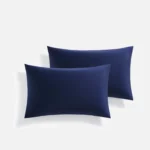 SuperCool+ Pillowcases
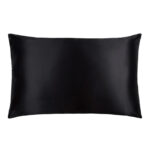 Cooling Silk Pillowcase
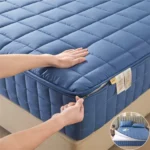 Mattress Protectors
 Quilted Mattress Protector
 Waterproof Mattress Protector
 Floor Mats

What Size Is a Standard Pillowcase?

Understanding Standard Pillowcase Dimensions
A standard pillowcase measures 20 x 26 inches (51 x 66 cm). This size fits standard bed pillows, which typically measure 20 x 26 inches. The pillowcase provides a snug fit around the pillow insert, with minimal excess fabric.
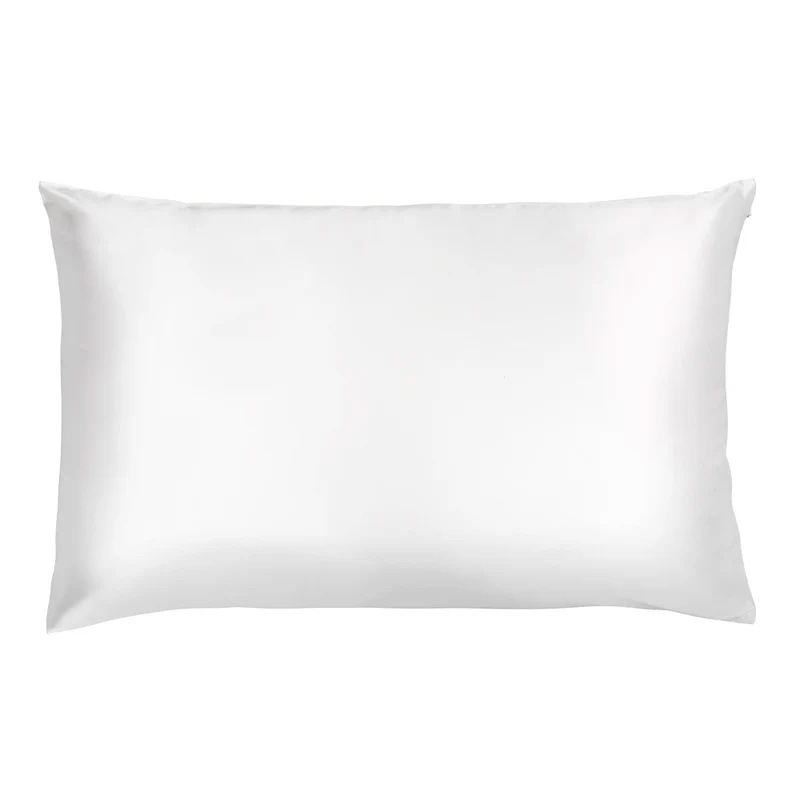
Your pillow shouldn’t steal your glow while you sleep. The lululinens LUXY LU 100% Mulberry Silk Pillowcase reduces friction, minimizes sleep creases, and keeps hair frizz-free. Pure mulberry silk offers temperature-regulating softness that’s hypoallergenic and gentle. Wake up looking as rested as you feel.
Standard pillowcases dominate the bedding market. They account for approximately 60% of all pillowcase sales in North America. Most twin and full-size beds use two standard pillows. Queen and king beds often combine standard pillows with larger sizes.
The measurement refers to the interior dimensions of the pillowcase. The actual fabric dimensions include seam allowances. Manufacturers add 0.5 to 1 inch on each side for construction. The finished product maintains the 20 x 26-inch internal space.
Complete Pillowcase Size Chart
Different pillow sizes require specific pillowcase dimensions. Here is a comprehensive comparison:
| Pillowcase Type | Dimensions (Inches) | Dimensions (Centimeters) | Best For |
|---|---|---|---|
| Standard | 20 x 26 | 51 x 66 | Twin, Full beds |
| Super Standard | 20 x 28 | 51 x 71 | Standard pillows with extra length |
| Queen | 20 x 30 | 51 x 76 | Queen beds |
| King | 20 x 36 | 51 x 91 | King beds |
| Body Pillow | 20 x 54 | 51 x 137 | Body pillows, pregnancy pillows |
| Euro | 26 x 26 | 66 x 66 | Decorative square pillows |
Standard vs. Queen Pillowcases
Standard and queen pillowcases differ by 4 inches in length. A queen pillowcase measures 20 x 30 inches. This extra length accommodates thicker, fuller pillows.
Queen pillows provide more surface area. Side sleepers prefer this additional space. The extra 100 square inches of fabric offers better support for shoulder and neck alignment.
You can use a queen pillowcase on a standard pillow. The excess fabric creates a loose fit. The pillow may shift inside the case during sleep. A standard pillowcase on a queen pillow creates tension. The fabric stretches, reducing durability.
King Pillowcase Specifications
King pillowcases measure 20 x 36 inches. They accommodate king-size bed pillows, which match these dimensions. Two king pillows span the full width of a king mattress (76 inches).
King pillowcases provide 720 square inches of fabric coverage. This size suits back sleepers who prefer extra width. The additional 10 inches beyond queen size allows for more sleeping positions.
California king beds typically use standard king pillowcases. The mattress dimensions differ, but pillow sizes remain consistent.
History of Pillowcase Standardization
Early Pillow Dimensions
Ancient civilizations used various pillow sizes. Egyptian pillows were hard, rectangular blocks of wood or stone. Chinese pillows featured ceramic or bamboo construction. These early versions did not require fabric cases.
Soft fabric pillows emerged in ancient Greece and Rome. Wealthy citizens stuffed cloth bags with feathers or straw. No standard dimensions existed. Each household created custom sizes.
Industrial Revolution Impact
The Industrial Revolution brought textile manufacturing advances. Cotton mills produced consistent fabric widths. Bedding manufacturers began standardizing pillow dimensions in the 1850s.
American textile companies established the 20 x 26-inch standard. This size optimized fabric usage. A standard 44-inch fabric width could produce two pillowcases with minimal waste. The 26-inch length aligned with average head and shoulder measurements.
Modern Standardization (1950s-Present)
Post-World War II housing booms increased demand for mass-produced bedding. Retailers needed consistent sizing for inventory management. The National Bedding Manufacturers Association formalized pillow size standards in 1952.
These standards remain largely unchanged. Manufacturing efficiency and consumer familiarity maintain the 20 x 26-inch specification. International markets adopted similar dimensions, with minor variations for metric conversion.
Technical Specifications of Standard Pillowcases
Fabric Construction
Standard pillowcases use several construction methods:
Housewife style: A simple hemmed opening on one short end. No closure mechanism. The pillow stays in place through friction and the pillowcase weight.
Oxford style: Features a decorative fabric border (typically 2-4 inches wide) around all edges. The border creates a framed appearance. This style adds visual interest to plain bedding.
Envelope closure: Includes an internal fabric flap. The flap folds over the pillow opening. This design prevents the pillow from slipping out during sleep.
Zipper closure: Uses a concealed or exposed zipper along one edge. Provides the most secure closure. Common in hypoallergenic or dust mite-resistant pillowcases.
Thread Count and Quality
Thread count refers to the number of threads per square inch of fabric. Standard pillowcases range from 200 to 1000 thread count.
- 200-400 thread count: Budget-friendly options. Suitable for guest rooms or children’s bedding.
- 400-600 thread count: Mid-range quality. Balances softness and durability.
- 600-800 thread count: Premium quality. Offers superior softness and longevity.
- 800+ thread count: Luxury bedding. Extremely soft but may lack breathability.
Higher thread counts do not always indicate better quality. Fabric type and weave pattern significantly impact performance. A 400-thread-count Egyptian cotton pillowcase often outperforms an 800-thread-count polyester blend.
Common Fabric Materials
Cotton: The most popular pillowcase material. Breathable, absorbent, and durable. Egyptian and Pima cotton varieties offer superior quality.
Linen: Highly breathable and moisture-wicking. Becomes softer with each wash. Tends to wrinkle easily.
Silk: Smooth surface reduces friction on hair and skin. Naturally hypoallergenic. Requires delicate care.
Microfiber: Synthetic polyester fabric. Wrinkle-resistant and affordable. Less breathable than natural fibers.
Bamboo: Eco-friendly option. Naturally antimicrobial. Silky texture similar to high-thread-count cotton.
How to Measure Your Pillow for the Correct Pillowcase
Step-by-Step Measurement Process
- Remove existing pillowcase: Measure the bare pillow for accurate dimensions.
- Measure width: Place the pillow on a flat surface. Use a tape measure across the shortest edge. Record the measurement in inches.
- Measure length: Measure the longest edge of the pillow. Extend the tape measure from end to end.
- Account for loft: Compress the pillow slightly while measuring. Most pillows are slightly smaller than their stated dimensions due to filling compression.
- Add tolerance: If measurements fall between standard sizes, round up. A slightly loose pillowcase is better than one that is too tight.
Common Measurement Mistakes
Measuring over an existing pillowcase: This adds fabric thickness. Results in inaccurate dimensions.
Not accounting for pillow compression: New pillows appear fuller. They compress with use. Measure after several weeks of use for best results.
Ignoring manufacturer specifications: Check the pillow tag for stated dimensions. These provide the most accurate sizing information.
Your pillow shouldn’t steal your glow while you sleep. The lululinens LUXY LU 100% Mulberry Silk Pillowcase reduces friction, minimizes sleep creases, and keeps hair frizz-free. Pure mulberry silk offers temperature-regulating softness that’s hypoallergenic and gentle. Wake up looking as rested as you feel.
Benefits of Using Properly Sized Pillowcases
Enhanced Sleep Quality
A properly fitted pillowcase maintains pillow shape throughout the night. Loose pillowcases allow the filling to shift. This creates uneven support. The head and neck lose proper alignment.
Tight pillowcases compress pillow filling. Compression reduces loft. Lower loft decreases comfort and support. Proper fit preserves the pillow’s intended firmness level.
Extended Pillow Lifespan
Correct sizing reduces wear on pillow fabric. Tight pillowcases create stress points at seams. These areas develop tears faster. Loose pillowcases cause friction. Excess movement degrades filling materials.
Properly fitted pillowcases distribute pressure evenly. The pillow maintains its shape longer. Replacement frequency decreases. This saves money over time.
Hygiene and Allergen Control
Well-fitted pillowcases create a barrier against allergens. Dust mites, dead skin cells, and oils accumulate on pillows. A snug pillowcase prevents these particles from penetrating the pillow core.
Loose pillowcases allow gaps. Allergens enter through openings. The pillow interior becomes contaminated. Regular pillowcase washing becomes less effective at maintaining hygiene.
Aesthetic Appearance
Properly sized pillowcases enhance bedroom decor. Smooth, wrinkle-free fabric looks more polished. Excess fabric creates bunching. Tight fabric shows stress lines.
Standard-sized pillowcases on standard pillows maintain crisp edges. The bed appears well-made. This improves overall bedroom presentation.
Pillowcase Care and Maintenance
Washing Instructions
Frequency: Wash pillowcases every 7-10 days. Oils, sweat, and dead skin cells accumulate rapidly. Weekly washing prevents buildup.
Temperature: Use warm water (90-110°F) for most fabrics. Hot water (130°F+) for white cotton pillowcases. Cold water for silk or delicate materials.
Detergent: Use mild, fragrance-free detergent. Harsh chemicals break down fabric fibers. Avoid fabric softeners on cotton and linen. They reduce absorbency.
Drying: Tumble dry cotton and microfiber on medium heat. Line dry silk and linen. Remove pillowcases promptly to minimize wrinkles.
Stain Removal
Makeup stains: Pre-treat with dish soap or makeup remover. Let sit for 10 minutes before washing.
Sweat and oil stains: Apply baking soda paste. Scrub gently with a soft brush. Rinse thoroughly before machine washing.
Blood stains: Rinse immediately with cold water. Apply hydrogen peroxide. Blot until the stain lifts.
Storage Best Practices
Store clean pillowcases in a cool, dry location. Avoid plastic containers. These trap moisture and promote mildew growth. Use breathable fabric storage bags or linen closets.
Fold pillowcases immediately after drying. This reduces wrinkles. Store with the open end facing the same direction. This makes selection easier.
Rotate pillowcases regularly. Use different sets each week. This distributes wear evenly across your collection. Pillowcases last longer with rotation.
Buying Guide for Standard Pillowcases
Key Selection Factors
Bed size compatibility: Standard pillowcases suit twin and full beds. Purchase 2-4 pillowcases depending on bed size and personal preference.
Fabric preference: Consider climate and personal comfort. Hot sleepers benefit from breathable cotton or linen. Cold sleepers prefer flannel or jersey knit.
Closure type: Envelope and zipper closures keep pillows secure. Housewife style offers easier pillow changes.
Color and pattern: Choose colors that complement existing bedding. Neutral colors offer versatility. Patterns add visual interest.
Budget: Quality pillowcases range from $10-$100 per pair. Mid-range options ($20-$40) provide the best value for most consumers.
Quality Indicators
Tight, even stitching: Check seams for consistent thread spacing. Loose stitching indicates poor construction.
Reinforced corners: Double-stitched corners prevent tearing. This area experiences the most stress.
Pre-shrunk fabric: Quality manufacturers pre-wash fabric. This prevents significant shrinkage after purchase.
Color fastness: High-quality dyes resist fading. Check product descriptions for colorfastness guarantees.
Where to Purchase
Specialty bedding retailers: Offer wide selection and expert advice. Prices run higher than discount stores.
Department stores: Provide mid-range options. Sales and promotions offer good value.
Online retailers: Offer the largest selection. Customer reviews provide helpful quality insights. Free returns reduce purchase risk.
Direct-to-consumer brands: Companies like Lulu Linens offer premium quality at competitive prices. Direct shipping eliminates retail markup.
Making the Right Pillowcase Choice
Selecting the correct pillowcase size ensures optimal sleep comfort and pillow longevity. Standard pillowcases at 20 x 26 inches fit the majority of bed pillows. Measure your pillows before purchasing. Account for pillow loft and filling compression.
Consider fabric type based on personal preferences and climate. Cotton offers versatility and durability. Silk provides luxury and hair benefits. Linen excels in breathability.
Invest in quality construction. Well-made pillowcases last years with proper care. Wash regularly to maintain hygiene. Store properly to preserve fabric integrity.
The right pillowcase transforms your sleep experience. It protects your pillow investment. It enhances bedroom aesthetics. Standard sizing simplifies shopping and ensures compatibility with most bedding sets.
Your pillow shouldn’t steal your glow while you sleep. The lululinens LUXY LU 100% Mulberry Silk Pillowcase reduces friction, minimizes sleep creases, and keeps hair frizz-free. Pure mulberry silk offers temperature-regulating softness that’s hypoallergenic and gentle. Wake up looking as rested as you feel.
