 Comforters
 SuperCool Comforter
 SuperCool Light Comforter
 SuperCool Kids Comforter
 Blankets
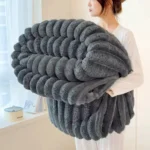 Teddy Bear Blanket
 Sheets
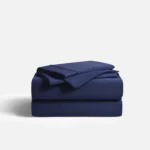 SuperCool+ Starter Sheet Set
 SuperCool+ Flat Sheet
 SuperCool+ Fitted Sheet
 Pillowcases
 SuperCool+ Pillowcases
 Cooling Silk Pillowcase
 Mattress Protectors
 Quilted Mattress Protector
 Waterproof Mattress Protector
 Floor Mats

Can You Wash Silk Pillowcases?

Understanding Silk Pillowcase Washability
Yes, you can wash silk pillowcases. Silk is a washable fabric. The key lies in using proper techniques. Many people fear washing silk because they worry about damage. This fear is unnecessary. Silk fibers can withstand washing when you follow correct methods.
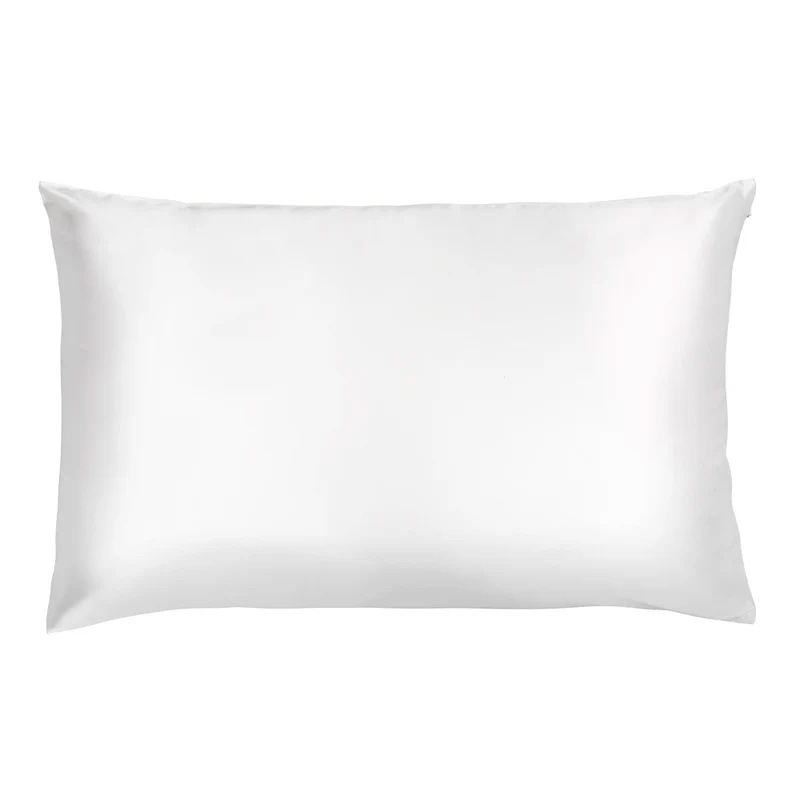
Your pillow shouldn’t steal your glow while you sleep. The lululinens LUXY LU 100% Mulberry Silk Pillowcase reduces friction, minimizes sleep creases, and keeps hair frizz-free. Pure mulberry silk offers temperature-regulating softness that’s hypoallergenic and gentle. Wake up looking as rested as you feel.
Mulberry silk pillowcases, the most common type, require gentle handling. The fabric consists of long, smooth protein fibers. These fibers maintain their structure during washing if you control temperature and agitation.
Modern silk pillowcases come with care labels. These labels provide specific instructions. Always read them first. Most manufacturers recommend hand washing or machine washing on delicate cycles.
The History of Silk Care Methods
Ancient Chinese civilizations first developed silk care techniques over 5,000 years ago. Early methods involved cold water rinsing and air drying. People avoided harsh soaps that could strip the natural proteins.
During the 18th century, European households adopted silk washing practices. They used mild soap flakes dissolved in cool water. The Industrial Revolution introduced synthetic detergents. These detergents proved too harsh for silk fibers.
The 20th century brought specialized silk detergents. Scientists formulated these products with neutral pH levels. Modern silk care combines ancient wisdom with current chemistry. Today’s methods protect fiber integrity while removing dirt and oils effectively.
Technical Specifications of Silk Fabric
Understanding silk’s structure helps you wash it correctly. Here are the key properties:
Fiber composition: Silk contains fibroin proteins and sericin gum. Fibroin provides strength. Sericin offers protection.
Momme weight: Quality silk pillowcases range from 19 to 25 momme. Higher momme indicates denser fabric. Denser silk resists damage better during washing.
pH sensitivity: Silk has a pH of 4.2 to 5.5. Alkaline detergents (pH above 7) can weaken fibers. Use pH-neutral or slightly acidic cleaners.
Water absorption: Silk absorbs up to 30% of its weight in water. The fabric swells during washing. This swelling is temporary and normal.
Heat tolerance: Silk degrades at temperatures above 140°F (60°C). Hot water causes shrinkage and color loss. Cold or lukewarm water preserves the fabric.
Hand Washing Method Step-by-Step
Hand washing offers maximum control. This method works best for delicate or expensive silk pillowcases.
Materials needed:
- Clean basin or sink
- Silk detergent or baby shampoo
- Cold or lukewarm water (below 86°F/30°C)
- White towel
- Flat drying surface
Process:
- Fill the basin with cold water
- Add one teaspoon of silk detergent per gallon
- Submerge the pillowcase completely
- Gently swish the fabric for 3-5 minutes
- Let it soak for 5 minutes maximum
- Drain the soapy water
- Refill with clean cold water
- Rinse until water runs clear (usually 2-3 times)
- Press water out gently without wringing
- Lay flat on a white towel
- Roll the towel to absorb excess water
- Transfer to a flat drying rack
This process takes 15-20 minutes. The results protect fiber quality and color vibrancy.
Machine Washing Silk Pillowcases
Machine washing saves time. Many modern silk pillowcases tolerate this method.
Pre-wash preparation:
- Turn pillowcases inside out
- Place inside a mesh laundry bag
- Remove other items from the load
Machine settings:
| Setting | Recommended Value |
|---|---|
| Cycle | Delicate or Hand Wash |
| Temperature | Cold (below 86°F/30°C) |
| Spin Speed | Low (400-600 RPM) |
| Detergent Amount | Half the normal dose |
| Load Size | Small to Medium |
Important rules:
- Never use bleach or fabric softener
- Avoid washing with heavy items (jeans, towels)
- Skip the dryer completely
- Remove promptly after cycle ends
Machine washing works well for regular maintenance. Use this method every 7-10 days for optimal hygiene.
Choosing the Right Detergent
The detergent you select determines washing success. Standard laundry detergents contain enzymes and optical brighteners. These ingredients damage silk fibers.
Safe detergent options:
- Silk-specific detergents: Eucalan, The Laundress Delicate Wash, or Heritage Park Silk & Wool detergent contain no harsh chemicals. They maintain fabric pH balance.
- Baby shampoo: Mild formulas work well. Choose fragrance-free versions. Use half the amount you would for hair.
- pH-neutral liquid soaps: Castile soap or similar products provide gentle cleaning. Dilute properly to prevent residue.
Avoid these products:
- Powder detergents (leave residue)
- Detergents with enzymes (break down proteins)
- Products containing chlorine
- Fabric softeners (coat fibers)
- Scented detergents with synthetic fragrances
The right detergent removes body oils, sweat, and skincare products without harming silk structure.
Drying Techniques That Preserve Quality
Proper drying prevents damage and maintains silk’s smooth texture.
Air drying method:
- Lay pillowcase flat on a clean, dry towel
- Reshape to original dimensions
- Keep away from direct sunlight
- Ensure good air circulation
- Flip halfway through drying (after 2-3 hours)
- Allow 6-8 hours total drying time
What to avoid:
- Tumble dryers (cause shrinkage and fiber damage)
- Direct sunlight (fades colors and weakens fibers)
- Radiators or heating vents (create hot spots)
- Hanging while wet (causes stretching)
- Wringing or twisting (damages fiber alignment)
Silk dries relatively quickly due to its low water retention. The fabric should feel slightly cool when fully dry.
Your pillow shouldn’t steal your glow while you sleep. The lululinens LUXY LU 100% Mulberry Silk Pillowcase reduces friction, minimizes sleep creases, and keeps hair frizz-free. Pure mulberry silk offers temperature-regulating softness that’s hypoallergenic and gentle. Wake up looking as rested as you feel.
Removing Common Stains From Silk
Stains happen. Quick action saves your pillowcase.
Makeup stains:
- Blot with dry cloth immediately
- Apply silk detergent directly to stain
- Gently rub fabric together
- Rinse with cold water
- Repeat if needed
Oil-based stains (skincare products):
- Sprinkle cornstarch on fresh stain
- Let sit for 30 minutes
- Brush off powder
- Wash normally
Sweat stains:
- Mix one part white vinegar with four parts water
- Dab solution on stain
- Let sit for 10 minutes
- Wash as usual
Never use:
- Hot water on stains (sets them permanently)
- Rubbing alcohol (damages dye)
- Harsh stain removers (destroy fibers)
Treat stains before washing the entire pillowcase. Pre-treatment increases removal success.
Ironing and Finishing Silk Pillowcases
Silk wrinkles during washing. Proper ironing restores smoothness.
Iron settings:
| Factor | Specification |
|---|---|
| Temperature | Low (250°F/120°C maximum) |
| Steam | Optional, use distilled water |
| Fabric Position | Inside out |
| Pressure | Light, gliding motion |
| Surface | Clean ironing board with cover |
Ironing steps:
- Ensure pillowcase is slightly damp
- Set iron to silk or low setting
- Place white cloth between iron and silk
- Press gently without dragging
- Iron in direction of grain
- Hang immediately after ironing
Alternative to ironing: Hang damp pillowcase on a padded hanger. Smooth with hands. Gravity removes wrinkles as it dries.
Washing Frequency Guidelines
How often should you wash silk pillowcases? The answer depends on several factors.
Recommended schedule:
- Normal use: Every 7-10 days
- Oily skin or acne-prone: Every 4-5 days
- Applied skincare products: Every 5-7 days
- Clean, dry skin: Every 10-14 days
Signs you need to wash sooner:
- Visible stains appear
- Fabric feels sticky or oily
- Pillowcase has an odor
- Makeup transfers are visible
Regular washing prevents oil buildup. Oil accumulation attracts dust mites and bacteria. Clean silk pillowcases promote better skin health.
Benefits of Proper Silk Pillowcase Maintenance
Correct washing extends pillowcase lifespan. Well-maintained silk lasts 2-5 years with regular use.
Skin benefits:
- Reduces friction that causes wrinkles
- Prevents moisture loss during sleep
- Minimizes morning creases on face
- Stays cleaner longer than cotton
Hair benefits:
- Decreases frizz and breakage
- Maintains hairstyle overnight
- Reduces tangling
- Preserves natural hair oils
Fabric longevity:
- Maintains color vibrancy
- Preserves smooth texture
- Prevents fiber degradation
- Retains natural sheen
Regular gentle washing achieves these benefits. Neglect or harsh washing destroys them.
Common Washing Mistakes to Avoid
Learn from others’ errors. These mistakes ruin silk pillowcases:
Temperature errors: Using hot water causes immediate shrinkage. Some pillowcases lose 10-15% of their size. The damage is permanent.
Detergent mistakes: Adding too much detergent leaves residue. This residue feels stiff and attracts dirt faster. Use minimal amounts.
Mechanical damage: Washing with zippers or hooks snags silk. Always use a mesh bag. Separate silk from heavy or rough items.
Drying failures: Sunlight bleaches colored silk. White silk yellows in direct sun. Air dry in shade only.
Storage problems: Storing damp silk causes mildew. Ensure complete dryness before storage. Fold loosely or hang to prevent permanent creases.
Selecting Quality Silk Pillowcases for Easy Care
Not all silk pillowcases wash equally well. Quality matters.
Look for these features:
- Momme weight: Choose 19-22 momme for standard care. Higher weights tolerate washing better.
- Fabric grade: Grade 6A silk offers best quality. Grade A follows closely. Lower grades pill and damage easily.
- Seam construction: French seams or envelope closures withstand washing better. Cheap stitching unravels quickly.
- Dye quality: Colorfast dyes resist fading. Test by rubbing a damp white cloth on fabric before purchase.
- Certification: OEKO-TEX Standard 100 certification ensures chemical safety. These pillowcases wash cleaner.
Price indicators: Quality silk pillowcases cost $30-80 each. Prices below $25 often indicate lower-grade silk or synthetic blends. These require more careful washing.
Summary
You can wash silk pillowcases successfully using proper techniques. Hand washing provides maximum control. Machine washing offers convenience for quality silk. Both methods work when you follow temperature guidelines and use appropriate detergents.
The essential steps include cold water washing, pH-neutral detergent, gentle agitation, and flat air drying. Avoid hot water, harsh chemicals, and machine drying. These practices damage silk fibers permanently.
Regular washing every 7-10 days maintains hygiene without compromising fabric quality. Proper care extends pillowcase life to several years. The investment in quality silk and correct washing methods pays off through better sleep, healthier skin, and reduced replacement costs.
Start with these proven methods. Your silk pillowcases will maintain their luxurious feel and appearance for years.
Your pillow shouldn’t steal your glow while you sleep. The lululinens LUXY LU 100% Mulberry Silk Pillowcase reduces friction, minimizes sleep creases, and keeps hair frizz-free. Pure mulberry silk offers temperature-regulating softness that’s hypoallergenic and gentle. Wake up looking as rested as you feel.
