 Comforters
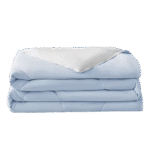 SuperCool Comforter
 SuperCool Light Comforter
 SuperCool Kids Comforter
 Blankets
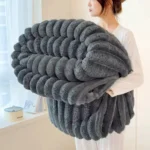 Teddy Bear Blanket
 Sheets
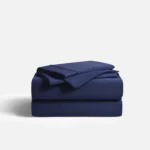 SuperCool+ Starter Sheet Set
 SuperCool+ Flat Sheet
 SuperCool+ Fitted Sheet
 Pillowcases
 SuperCool+ Pillowcases
 Cooling Silk Pillowcase
 Mattress Protectors
 Quilted Mattress Protector
 Waterproof Mattress Protector
 Floor Mats

Are Satin Pillowcases Good for Skin?

The Science Behind Satin and Skin Health
Satin pillowcases reduce friction against your skin during sleep. This smooth surface creates less drag than cotton or other fabrics. Your skin slides across satin instead of catching and pulling.
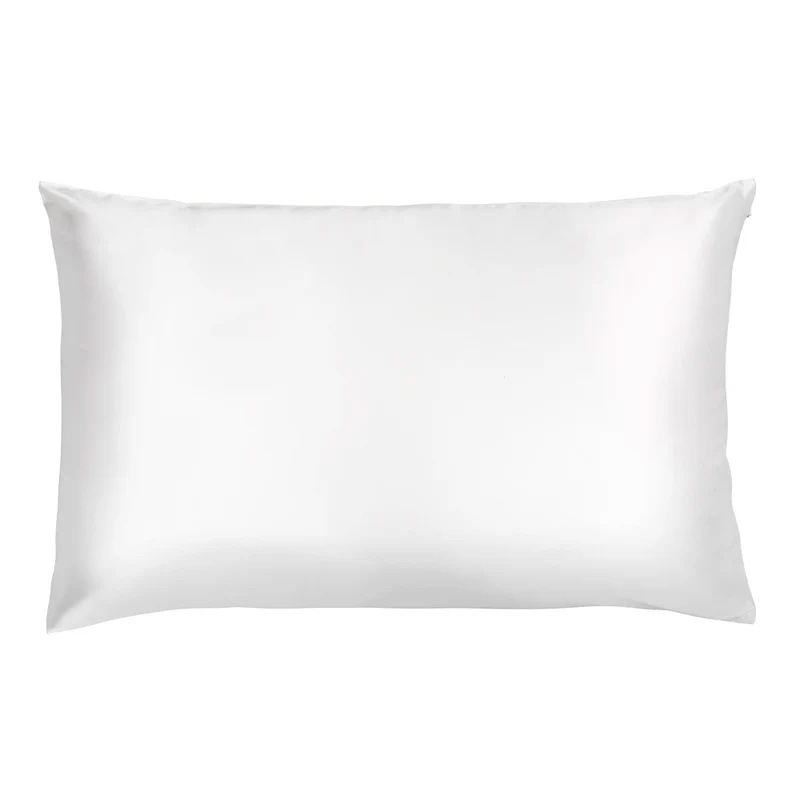
Your pillow shouldn’t steal your glow while you sleep. The lululinens LUXY LU 100% Mulberry Silk Pillowcase reduces friction, minimizes sleep creases, and keeps hair frizz-free. Pure mulberry silk offers temperature-regulating softness that’s hypoallergenic and gentle. Wake up looking as rested as you feel.
Friction reduction matters because repeated rubbing causes micro-trauma to skin cells. Cotton pillowcases have a rough texture that tugs at your skin throughout the night. You shift positions 15 to 30 times while sleeping. Each movement creates friction that damages delicate facial skin.
Satin’s construction minimizes this damage. The weave creates a slippery surface that allows skin to glide freely. This reduces pressure marks and creases that form during sleep.
How Satin Differs from Other Fabrics
Satin refers to a weaving technique, not a specific fiber. The satin weave floats warp threads over weft threads. This creates a glossy front surface and a dull back.
Common satin fabrics include:
- Silk satin: Made from natural silk fibers
- Polyester satin: Synthetic alternative that mimics silk’s feel
- Nylon satin: Durable synthetic option with high sheen
- Cotton satin: Natural cotton woven in satin style (sateen)
Cotton pillowcases absorb moisture and have a rough texture. Linen creates even more friction due to its textured surface. Jersey knit fabrics pill over time and lose smoothness.
Skin Benefits of Satin Pillowcases
Reduced Sleep Lines and Wrinkles
Your face presses into your pillow for 7 to 9 hours each night. Cotton creates deep creases in your skin. These sleep lines take longer to fade as you age. Collagen production decreases after age 25. Your skin loses elasticity and bounce.
Satin prevents deep compression marks. The smooth surface distributes pressure evenly. Your skin maintains its structure instead of folding into sharp creases.
Dermatologists note that side and stomach sleepers develop permanent wrinkles on the side they favor. Satin pillowcases slow this process. The fabric won’t prevent aging, but it reduces one contributing factor.
Moisture Retention
Cotton absorbs up to 27 times its weight in water. Your nighttime skincare products soak into cotton pillowcases instead of staying on your skin. Moisturizers, serums, and treatments lose effectiveness.
Satin repels moisture. Your products remain on your face throughout the night. This maximizes absorption and benefits.
Transepidermal water loss (TEWL) increases when skin dries out. Satin helps maintain your skin’s moisture barrier. Your face retains natural oils that cotton would absorb.
Less Bacterial Transfer
Cotton pillowcases harbor bacteria, dead skin cells, and oils. The fabric’s absorbent nature traps these contaminants. You press your face into this buildup every night.
Satin’s smooth, non-absorbent surface collects less debris. Bacteria have fewer places to hide in the tight weave. Oil and product buildup slide off more easily during washing.
This reduction matters for acne-prone skin. P. acnes bacteria thrive in pore-clogging environments. Cleaner sleeping surfaces reduce breakout triggers.
Temperature Regulation
Satin pillowcases feel cool against your skin. The fabric doesn’t trap heat like cotton. Air circulates more freely through the smooth weave.
Heat aggravates inflammatory skin conditions. Rosacea, eczema, and acne worsen with temperature increases. A cooler sleeping surface helps manage these issues.
Types of Satin: Which Works Best for Skin
| Fabric Type | Skin Benefits | Durability | Price Range | Care Difficulty |
|---|---|---|---|---|
| Silk Satin | Highest moisture retention, hypoallergenic | Delicate | $50-$150 | High |
| Polyester Satin | Good friction reduction, budget-friendly | Very durable | $15-$40 | Low |
| Nylon Satin | Smooth surface, long-lasting | High | $25-$60 | Medium |
| Cotton Sateen | Breathable, natural fibers | Medium | $30-$70 | Low |
Silk Satin: The Premium Choice
Real silk contains sericin, a protein that benefits skin. This natural compound has moisturizing properties. Silk also contains 18 amino acids that support skin health.
Mulberry silk represents the highest quality. The fibers are uniform and exceptionally smooth. Momme weight measures silk density. Look for 19 to 25 momme for pillowcases.
Silk pillowcases cost more but last years with proper care. The investment pays off for people with sensitive or aging skin.
Polyester Satin: The Practical Alternative
Polyester satin costs a fraction of silk prices. Modern manufacturing creates very smooth surfaces. The friction reduction nearly matches silk.
Polyester withstands frequent washing better than silk. You can use standard detergent and warm water. The fabric resists wrinkles and maintains its sheen.
This option works well for testing whether satin benefits your skin. You can upgrade to silk later if you notice improvements.
Historical Use of Satin for Beauty
Satin emerged in China over 2,000 years ago. Wealthy women used silk pillowcases to preserve elaborate hairstyles. They noticed their skin looked smoother after sleeping on silk.
European aristocrats adopted this practice by the 1600s. Marie Antoinette famously slept on silk pillowcases. Victorian beauty manuals recommended silk for preventing wrinkles.
The practice fell out of favor as cotton became cheaper and more accessible. Cotton mills made this fabric affordable for everyone. Synthetic fabrics in the 1900s offered even more options.
Recent decades brought renewed interest in satin pillowcases. Scientific research confirmed what historical users observed. Dermatologists now recommend satin for specific skin concerns.
Conditions That Benefit from Satin Pillowcases
Acne-Prone Skin
Satin pillowcases don’t cure acne. They reduce one environmental trigger. Less oil absorption means fewer clogged pores from fabric contact.
People who apply acne medications at night benefit most. The medication stays on skin instead of transferring to the pillowcase. Benzoyl peroxide and retinoids work throughout the night.
Change satin pillowcases every 2 to 3 days. Wash them in hot water to kill bacteria. Use fragrance-free detergent to avoid irritation.
Eczema and Sensitive Skin
Eczema flares worsen with friction and irritation. Cotton’s rough texture aggravates inflamed skin. Satin’s smooth surface reduces mechanical irritation.
The fabric also prevents moisture loss. Eczema compromises the skin barrier. You need to retain as much hydration as possible.
Silk satin works best for eczema. The natural fibers cause fewer allergic reactions than synthetics. Some people react to polyester against inflamed skin.
Your pillow shouldn’t steal your glow while you sleep. The lululinens LUXY LU 100% Mulberry Silk Pillowcase reduces friction, minimizes sleep creases, and keeps hair frizz-free. Pure mulberry silk offers temperature-regulating softness that’s hypoallergenic and gentle. Wake up looking as rested as you feel.
Aging Skin
Mature skin shows sleep lines more prominently. Reduced collagen means creases don’t bounce back quickly. Prevention becomes more important than treatment.
Satin pillowcases complement anti-aging routines. Your expensive serums stay on your face. The smooth surface prevents new wrinkle formation.
Combine satin pillowcases with retinoids, peptides, and sunscreen. This multi-pronged approach delivers better results than any single intervention.
Rosacea
Rosacea reacts to heat, friction, and irritation. Cotton pillowcases create all three problems. The fabric traps heat and rubs against sensitive skin.
Satin pillowcases stay cooler and reduce friction. This calmer environment helps prevent nighttime flares. Your skin experiences less trauma during sleep.
Choose light-colored satin pillowcases. Dark dyes sometimes contain irritating chemicals. White or cream colors work best for reactive skin.
Proper Care and Maintenance
Washing Frequency
Wash satin pillowcases every 2 to 3 days. Oil, bacteria, and product buildup accumulate quickly. Clean pillowcases maintain their skin benefits.
People with oily or acne-prone skin should wash pillowcases daily. The extra effort prevents bacterial growth. Keep multiple pillowcases in rotation.
Washing Instructions
Silk satin requires gentle care:
- Hand wash in cool water with pH-neutral detergent
- Never wring or twist the fabric
- Roll in a towel to remove excess water
- Air dry flat away from direct sunlight
- Iron on the lowest setting if needed
Polyester satin tolerates machine washing:
- Use cold or warm water
- Select gentle cycle
- Add mild detergent without bleach
- Tumble dry on low heat
- Remove promptly to prevent wrinkles
Storage Tips
Store clean satin pillowcases in a cool, dry place. Avoid plastic bags that trap moisture. Use breathable cotton storage bags instead.
Keep pillowcases away from direct sunlight. UV rays break down silk fibers over time. The fabric loses strength and develops yellow stains.
Replace satin pillowcases every 6 to 12 months. The fabric eventually loses its smoothness. Worn pillowcases provide fewer benefits.
Limitations and Realistic Expectations
Satin pillowcases improve skin but don’t perform miracles. They address one environmental factor among many. Genetics, sun exposure, diet, and skincare products matter more.
You won’t see dramatic changes overnight. Subtle improvements appear after 4 to 6 weeks of consistent use. Sleep lines fade faster. Skin feels slightly more hydrated.
Satin pillowcases work best as part of a complete routine. Use them alongside:
- Daily sunscreen application
- Effective cleansing before bed
- Targeted treatment products
- Adequate sleep duration
- Proper hydration
Selecting the Right Satin Pillowcase
Follow these steps to choose a quality product:
- Determine your budget: Silk costs $50 to $150. Polyester costs $15 to $40.
- Check fabric composition: Read labels carefully. “Satin” alone doesn’t specify fiber content.
- Verify momme weight for silk: Look for 19 to 25 momme. Lower weights feel thin and tear easily.
- Examine construction quality: Check seams and edges. Poor stitching unravels quickly.
- Choose appropriate size: Measure your pillow. Standard, queen, and king sizes vary.
- Select envelope closure: This design keeps pillows secure without zippers that irritate skin.
- Test colorfastness: Wash once before use. Cheap dyes bleed and stain skin.
Final Assessment
Satin pillowcases benefit most skin types. The smooth surface reduces friction that damages skin cells. Products stay on your face instead of absorbing into fabric. Less bacterial transfer means fewer breakouts.
Silk satin offers maximum benefits but costs more and requires careful maintenance. Polyester satin provides similar friction reduction at a lower price point. Both options significantly improve on cotton pillowcases.
Results vary by individual. People with aging skin, acne, or sensitivity notice the most improvement. Healthy skin sees subtle benefits. The investment makes sense for anyone who values skin health.
Start with an affordable polyester option. Test for 6 weeks to evaluate results. Upgrade to silk if you notice positive changes. Your skin deserves the gentlest sleeping surface possible.
Your pillow shouldn’t steal your glow while you sleep. The lululinens LUXY LU 100% Mulberry Silk Pillowcase reduces friction, minimizes sleep creases, and keeps hair frizz-free. Pure mulberry silk offers temperature-regulating softness that’s hypoallergenic and gentle. Wake up looking as rested as you feel.
