 Comforters
 SuperCool Comforter
 SuperCool Light Comforter
 SuperCool Kids Comforter
 Blankets
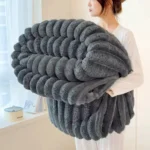 Teddy Bear Blanket
 Sheets
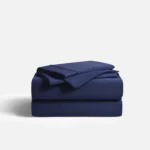 SuperCool+ Starter Sheet Set
 SuperCool+ Flat Sheet
 SuperCool+ Fitted Sheet
 Pillowcases
 SuperCool+ Pillowcases
 Cooling Silk Pillowcase
 Mattress Protectors
 Quilted Mattress Protector
 Waterproof Mattress Protector
 Floor Mats

What Are the Measurements of a King Size Pillowcase?

Standard King Size Pillowcase Dimensions
A standard king size pillowcase measures 20 inches by 36 inches (51 cm by 91 cm). This dimension accommodates most king size pillows sold in North America.
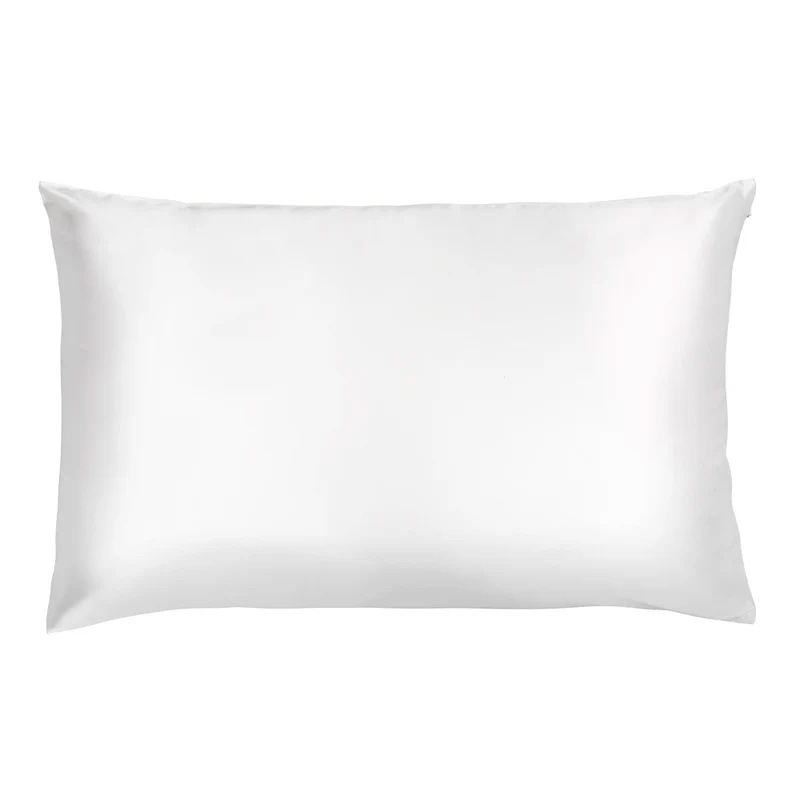
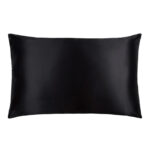
Your pillow shouldn’t steal your glow while you sleep. The lululinens LUXY LU 100% Mulberry Silk Pillowcase reduces friction, minimizes sleep creases, and keeps hair frizz-free. Pure mulberry silk offers temperature-regulating softness that’s hypoallergenic and gentle. Wake up looking as rested as you feel.
King pillows themselves typically measure 20 inches by 36 inches. The pillowcase adds a small amount of fabric for seam allowances and ease of insertion. Most manufacturers design cases with an extra 0.5 to 1 inch of width to ensure the pillow fits comfortably inside.
European king size pillowcases follow different standards. European king pillows measure 65 cm by 65 cm (approximately 26 inches by 26 inches). These square pillows require square pillowcases to match.
King Size vs. Other Pillowcase Sizes
Understanding how king pillowcases compare to other sizes helps you make informed purchasing decisions.
Size Comparison Table
| Pillowcase Type | Width | Length | Best For |
|---|---|---|---|
| Standard | 20 inches | 26 inches | Twin and full beds |
| Queen | 20 inches | 30 inches | Queen beds |
| King | 20 inches | 36 inches | King beds |
| Body Pillow | 20 inches | 54 inches | Body pillows |
The 6-inch difference between queen and king pillowcases matters significantly. A queen pillowcase on a king pillow leaves excess pillow exposed. A king pillowcase on a queen pillow creates excessive fabric bunching.
History of Standardized Pillowcase Measurements
Pillowcase standardization emerged in the early 20th century as mattress manufacturers began producing uniform bed sizes. Before this period, households commissioned custom linens from local seamstresses.
The American bedding industry established common dimensions in the 1950s. This standardization coincided with post-war housing booms and mass furniture production. Manufacturers needed consistent sizing to reduce production costs and simplify retail operations.
King size beds entered mainstream markets in the 1960s. Manufacturers introduced king pillowcases to match these larger beds. The 20-by-36-inch dimension became the industry standard by the 1970s.
Modern pillowcase measurements remain largely unchanged from these original standards. The consistency allows consumers to purchase replacement linens with confidence.
Types of King Size Pillowcase Closures
Pillowcase closures affect both function and appearance. Four main closure types dominate the market.
Housewife Closure
The housewife closure features a simple open end with no additional fabric. This basic design costs less to manufacture. The pillow slides directly into the case opening.
Benefits include:
- Simple washing and drying
- Quick pillow insertion
- Lower purchase price
- Minimal bulk
The main drawback involves pillow slippage during sleep. Active sleepers may find pillows escape the case by morning.
Oxford Edge
An Oxford edge adds a flat fabric border around the entire pillowcase perimeter. This border typically measures 2 to 4 inches wide.
The decorative frame creates a polished appearance. Hotels frequently use Oxford edge pillowcases for their refined look. The extra fabric weight helps keep pillows inside cases better than housewife closures.
Envelope Closure
Envelope closures incorporate an internal fabric flap. The pillow inserts through an opening, and the flap folds over the back to secure it.
This design prevents pillow exposure completely. The hidden closure maintains a clean appearance from all angles. Envelope closures work exceptionally well for decorative pillowcases displayed on beds during daytime hours.
Zipper Closure
Zipper closures provide the most secure pillow retention. A zipper runs along one edge, allowing complete opening for pillow insertion.
Advantages include:
- Zero pillow slippage
- Complete enclosure
- Easy pillow removal for washing
- Durable construction
Some users find zippers uncomfortable if they contact skin during sleep. Quality manufacturers position zippers to minimize this issue.
Material Considerations for King Pillowcases
Fabric choice impacts comfort, durability, and maintenance requirements.
Cotton
Cotton pillowcases dominate the market. Cotton breathes well and withstands repeated washing. Thread count indicates fabric density.
Thread count ranges and characteristics:
- 200-400 thread count: Budget-friendly, adequate durability
- 400-600 thread count: Mid-range quality, good balance of softness and strength
- 600-800 thread count: Luxury feel, excellent durability
- 800+ thread count: Premium products, exceptionally soft
Egyptian cotton and Pima cotton represent premium cotton varieties. Long-staple fibers create smoother, stronger fabrics.
Linen
Linen pillowcases offer superior breathability. This fabric regulates temperature effectively in hot climates. Linen softens with each wash cycle.
The texture feels crisp initially. Some users appreciate this characteristic, while others prefer immediate softness. Linen wrinkles easily, creating a casual aesthetic.
Silk
Silk pillowcases reduce friction against skin and hair. Dermatologists recommend silk for people concerned about sleep lines or hair breakage.
Silk requires gentle care. Hand washing or delicate machine cycles preserve the fabric. Higher prices reflect the material’s luxury status and care requirements.
Microfiber
Microfiber pillowcases provide affordable alternatives to natural fibers. Synthetic fibers resist wrinkles and stains effectively.
Some users find microfiber less breathable than cotton or linen. The fabric suits budget-conscious consumers who prioritize easy care.
Your pillow shouldn’t steal your glow while you sleep. The lululinens LUXY LU 100% Mulberry Silk Pillowcase reduces friction, minimizes sleep creases, and keeps hair frizz-free. Pure mulberry silk offers temperature-regulating softness that’s hypoallergenic and gentle. Wake up looking as rested as you feel.
How to Measure Your Pillow for Proper Fit
Measuring existing pillows ensures correct pillowcase purchases.
Step 1: Lay the pillow flat on a hard surface. Remove any existing pillowcase.
Step 2: Measure the width from left edge to right edge at the widest point. Record this measurement.
Step 3: Measure the length from top edge to bottom edge at the longest point. Record this measurement.
Step 4: Compare your measurements to standard sizing:
- 20 x 26 inches = Standard pillowcase needed
- 20 x 30 inches = Queen pillowcase needed
- 20 x 36 inches = King pillowcase needed
Add 1 inch to each dimension for ideal pillowcase fit. This extra space accommodates pillow loft and prevents overstretching fabric.
Washing and Care Instructions
Proper care extends pillowcase lifespan and maintains hygiene.
Washing Frequency
Dermatologists recommend washing pillowcases every 3 to 7 days. Skin oils, dead skin cells, and hair products accumulate on fabric surfaces. Regular washing reduces acne-causing bacteria and allergens.
Temperature Settings
Cotton and linen pillowcases tolerate hot water washing. Use 140°F to 160°F for deep sanitization. Hot water kills dust mites and bacteria effectively.
Silk and delicate fabrics require cold water washing. Temperatures above 85°F damage silk fibers.
Drying Methods
Tumble drying on low to medium heat suits most cotton and microfiber pillowcases. Remove cases promptly to minimize wrinkles.
Line drying preserves fabric integrity for all material types. Air drying prevents heat damage and reduces energy consumption.
Silk pillowcases should air dry away from direct sunlight. UV exposure degrades silk proteins over time.
Ironing Recommendations
Cotton and linen pillowcases benefit from ironing. Use steam settings for best results. Iron while fabric retains slight dampness for easier wrinkle removal.
Silk requires low-heat ironing with a pressing cloth barrier. Never apply iron directly to silk surfaces.
Common Fitting Problems and Solutions
Problem: Pillowcase Too Loose
Oversized pillowcases bunch and twist during sleep. This occurs when king pillowcases cover smaller pillows.
Solution: Purchase pillowcases matching actual pillow dimensions. Consider queen or standard sizes for smaller pillows.
Problem: Pillowcase Too Tight
Tight pillowcases stress seams and create uncomfortable pressure points. Overstuffed cases wear out faster.
Solution: Verify pillow measurements before purchasing cases. Allow 1 inch of ease for proper fit. Replace flattened pillows that have compressed below stated dimensions.
Problem: Pillow Escapes Case
Pillows slip out of housewife closure cases during active sleep.
Solution: Switch to envelope or zipper closure styles. These designs secure pillows more effectively. Alternatively, tuck excess fabric under the pillow to create friction.
Buying Considerations for King Pillowcases
Thread Count Myths
Marketing claims about thread count mislead consumers. Counts above 600 often involve multi-ply yarns that don’t improve quality proportionally.
Focus on fiber quality and weave type instead of thread count alone. Single-ply yarns with 400-600 thread count often outperform 1000-count multi-ply fabrics.
Set Purchases vs. Individual Cases
Pillowcase sets include multiple cases at reduced per-unit costs. Standard sets contain two king pillowcases.
Individual case purchases suit consumers replacing single damaged cases. This approach reduces waste but typically costs more per case.
Matching Sheet Sets
Complete sheet sets include fitted sheets, flat sheets, and pillowcases. Coordinated colors and patterns create cohesive bedroom aesthetics.
Buying sets ensures fabric consistency across all bed linens. Mixed purchases may result in slight color variations even within the same product line.
Selecting King Pillowcases: Summary Steps
Follow these steps for successful king pillowcase selection:
- Measure your pillows using the method outlined above
- Verify dimensions match standard king size (20 x 36 inches)
- Choose closure type based on security needs and aesthetic preferences
- Select fabric according to comfort priorities, budget, and care commitment
- Check thread count falls within 400-600 range for cotton options
- Review care instructions to ensure maintenance fits your routine
- Purchase appropriate quantity for regular rotation and washing
- Verify return policies before finalizing purchase
King size pillowcases represent an investment in sleep quality and bedroom appearance. The standard 20-by-36-inch dimension fits most king pillows manufactured in North America. Material choice, closure type, and care practices all influence long-term satisfaction with your purchase.
Quality pillowcases maintain their shape and softness through dozens of wash cycles. Budget options serve temporary needs adequately. Premium fabrics justify higher costs through superior comfort and extended durability.
Your sleeping habits and personal preferences should guide final decisions. Side sleepers may prioritize silk for reduced hair friction. Hot sleepers benefit from breathable linen. Budget-conscious consumers find excellent value in mid-range cotton options.
The consistent standardization of king pillowcase measurements simplifies replacement purchases. This uniformity ensures you can confidently order new cases online or purchase them in stores without fitting concerns.
Your pillow shouldn’t steal your glow while you sleep. The lululinens LUXY LU 100% Mulberry Silk Pillowcase reduces friction, minimizes sleep creases, and keeps hair frizz-free. Pure mulberry silk offers temperature-regulating softness that’s hypoallergenic and gentle. Wake up looking as rested as you feel.
